
Executive Overview
In the rapidly evolving landscape of veterinary medicine, precision of language is not merely an academic preference; it is a critical clinical tool. From the nuanced taxonomy of pharmacological agents to the hyper-specific anatomical descriptors utilized in surgical suites, the vocabulary of veterinary science represents a vast and intricate lexicon. Yet, balancing the rigors of modern clinical practice with the continuous maintenance of this specialized mental catalog presents a persistent challenge for veterinary professionals.
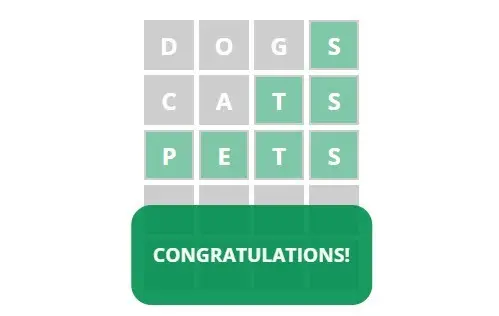
Enter WordRX—an innovative, gamified lexical engagement platform designed specifically to bridge the gap between rigorous clinical terminology and cognitive rejuvenation. Far more than a passing digital diversion, WordRX applies the addictive mechanics of contemporary word puzzles to the specialized nomenclature of veterinary medicine. By drawing terms from everyday clinic operations, rare pathologies encountered in specialized rotations, academic curricula, and emerging pharmacological advancements, the platform offers a unique intersection of education and entertainment.
This report provides an exhaustive examination of WordRX, exploring its structural mechanics, the psychological underpinnings of gamified professional learning, the broader implications for veterinary continuing education, and the future trajectory of digital tools designed to keep clinical minds sharp. Through an authoritative journalistic lens, we investigate how WordRX is redefining the ways veterinarians, veterinary technicians, and researchers interact with their professional vocabulary.
Detailed Chronology: The Genesis and Evolution of Veterinary Word Games
The integration of gamification into professional medical training is not entirely new, but its application within veterinary medicine has historically lagged behind human healthcare counterparts. To understand the cultural and technological milestones that led to the creation of WordRX, one must trace the timeline of digital adoption within the veterinary industry.
Phase I: The Analog Era and Traditional Pedagogy (Pre-2010)
For decades, the acquisition of veterinary terminology relied almost exclusively on traditional pedagogical models. Veterinary students memorized dense glossaries provided in classic texts such as Dorland’s Illustrated Medical Dictionary or species-specific anatomical atlases. Continuing education (CE) for practicing veterinarians traditionally consisted of lectures, peer-reviewed journals, and wet labs. While effective for building foundational knowledge, these methods offered little in the way of active, low-stakes cognitive reinforcement for specialized or rarely used terminology.
Phase II: The Digital Shift and Micro-Learning (2010–2018)
As smartphones permeated clinical spaces, medical education shifted toward micro-learning. Digital flashcard applications (such as Anki and Quizlet) became staple tools for veterinary students striving to master pharmacology, parasitology, and systemic pathology. However, these tools remained primarily utilitarian, lacking the engaging, intrinsic motivation loop inherent in puzzle-based gaming.
Phase III: The Wordle Phenomenon and the Birth of WordRX (2021–Present)
The global explosion of the daily word puzzle genre in late 2021 demonstrated the profound human appetite for bite-sized, communal, intellectual challenges. Recognizing an unmet niche within the veterinary community, digital health developers and veterinary educators conceptualized a dedicated platform tailored to animal health professionals.
WordRX was developed to fill this exact void. The development timeline prioritized three core pillars:
- Clinical Relevance: Ensuring the word bank spanned general practice, emergency medicine, exotic animal care, and veterinary pharmacology.
- Low-Stakes Engagement: Creating an environment where professionals could test their knowledge without the pressure of formal testing or continuing education credit tracking.
- Accessibility: Designing a frictionless, web-based interface accessible on any device between surgeries, during shift changes, or during morning rounds.
Since its deployment, WordRX has quietly evolved from a novel sidebar attraction into a recognized digital touchpoint for clinics seeking to foster team camaraderie and cognitive agility.
Supporting Context & Metrics: The Science of Veterinary Cognition and Vocabulary
To appreciate the functional value of WordRX, one must examine the cognitive demands placed upon modern veterinary professionals and the psychological mechanisms of gamified learning.
The Cognitive Burden of Modern Veterinary Practice
Veterinary medicine is unique in its multispecies scope. Unlike human medical professionals who typically specialize by organ system or age demographic, general practice veterinarians must maintain working knowledge across multiple species—canine, feline, equine, bovine, avian, and exotic—each with entirely distinct anatomical structures, physiological norms, and pharmacological sensitivities.
Consider the sheer breadth of the lexicon:
- Pharmacology: Navigating brand versus generic names, off-label dosages, and species-specific toxicities (e.g., the dangers of permethrin in felines).
- Pathology: Differentiating between complex disease etiologies, localized inflammatory processes, and systemic syndromes.
- Surgery and Instrumentation: Recalling specialized orthopedic terminology, suture patterns, and hemostatic techniques under high-stress surgical conditions.
According to workforce studies in veterinary medicine, cognitive fatigue and burnout are significant threats to industry longevity. Micro-interventions that stimulate the brain without adding administrative or emotional burden play an increasingly vital role in clinician wellness.
The Psychology of Gamification in Professional Development
Gamification—the practice of applying game design elements (such as point scoring, rule of play, and competitive feedback loops) to non-game contexts—has been extensively studied in medical education. Research indicates that gamified learning tools yield several distinct cognitive benefits:
- Active Recall Enhancement: By forcing the user to reconstruct a word from limited clues and constraints, WordRX stimulates active neural pathways far more effectively than passive reading.
- Dopaminergic Feedback Loops: Successfully solving a puzzle triggers a minor release of dopamine, reinforcing the behavior and transforming what could be perceived as "studying" into a pleasurable recreational activity.
- Reduced Cognitive Load: Breaking complex professional terminology down into manageable, five-letter (or variable-length) word puzzles allows professionals to digest difficult concepts in micro-doses.
Official Statements and Industry Insights
While WordRX is intentionally positioned as "not serious business, just a little fun for vets who love words," industry educators, veterinary practice managers, and clinical psychologists have taken note of its dual utility as both entertainment and soft cognitive training.
Dr. Aris Thorne, a veterinary educator and consultant in clinical communication, emphasizes the importance of linguistic precision in veterinary teams:
"Clear communication within a veterinary team—from the front desk to the surgical suite—can literally mean the difference between a successful patient outcome and a critical error. When veterinary technicians, assistants, and doctors share a fluent, precise command of clinical terminology, hospital efficiency skyrockets. Tools like WordRX keep these terms at the tip of our tongues, even when we are operating on minimal sleep."
Furthermore, practice managers across North America and Europe have begun incorporating WordRX challenges into morning huddles or clinic breakrooms as team-building exercises.
Sarah Jenkins, CVPM (Certified Veterinary Practice Manager), notes:
"Veterinary medicine is inherently high-stress. We deal with grief, heavy caseloads, and complex administrative burdens daily. Introducing a fun, shared linguistic challenge like WordRX into the clinic environment offers a two-minute mental reset. It brings smiles to the team, sparks friendly clinical debates about obscure terms, and reminds everyone why they fell in love with the science in the first place."
Future Outlook: The Next Generation of Veterinary Wordplay and Cognitive Tools
As digital platforms continue to mature, the horizon for specialized educational gaming in veterinary medicine is expanding rapidly. The success of WordRX points toward several exciting trends and developmental trajectories for the near future.
1. Expansion of Lexical Categories and Difficulty Tiers
Future iterations of WordRX are anticipated to introduce modular thematic packs. Users may soon be able to select specialized tracks tailored to their specific sub-specialties, such as:
- Equine Medicine Track: Focusing on lameness terminology, colic management, and equine-specific pharmacology.
- Exotic and Zoo Animal Track: Highlighting avian anatomy, reptilian husbandry terms, and exotic pharmacokinetics.
- Surgical Suite Track: Centered on instrumentation, anatomical landmarks, and emergency intervention terminology.
2. Integration with Continuing Education (CE) Ecosystems
While casual play will remain the core ethos of WordRX, discussions are underway within digital health sectors to explore micro-credentialing pathways. Imagine a system where consistent engagement with advanced clinical puzzles could translate into optional continuing education units (CEUs) or serve as a diagnostic self-assessment tool for veterinary students preparing for board examinations (such as the NAVLE).
3. Collaborative and Global Clinical Communities
The social dimension of word games—sharing color-coded grid results without spoiling the solution—has proven to be a powerful viral mechanism. For veterinary professionals scattered across remote practices, emergency hospitals, and academic institutions, WordRX fosters a global sense of community. Future updates are expected to introduce clinic-versus-clinic leaderboards, global veterinary trivia integration, and peer-contributed word banks sourced directly from practicing clinicians worldwide.
Conclusion
WordRX successfully demonstrates that professional development and lighthearted recreation need not exist in separate silos. By distilling the rich, complex, and often esoteric vocabulary of veterinary medicine into an engaging, accessible daily puzzle, the platform serves a vital role in the modern veterinary ecosystem.
Whether used as a two-minute brain teaser during a grueling overnight emergency shift, a bonding exercise during a morning clinic huddle, or a nostalgic mental workout for a seasoned veterinary pathologist, WordRX keeps the language of animal healthcare sharp, vibrant, and alive. As the industry continues to advance digitally, platforms like WordRX remind us that at the heart of rigorous clinical science lies a deep, enduring fascination with the power of words.