Every year, millions of companion animals transition from animal shelters and foster networks into adoptive homes. While the cultural narrative frames this transition as an instantaneous "happy homecoming," veterinary behaviorists and shelter operations directors warn of a more complex physiological reality. A newly adopted rescue dog does not enter a home in a state of immediate gratitude; instead, they enter in a state of profound sensory overload, hypervigilance, and neurological stress.
The abrupt shift in environment—encompassing novel auditory, olfactory, and social stimuli—triggers a cascade of stress hormones that can take days, if not weeks, to return to baseline. Misinterpreting a rescue dog’s initial shutdown or hyperactive behavior during this critical window is a primary driver of post-adoption returns.
To mitigate these behavioral misalignments, modern canine behavioral science advocates for a structured approach to decompression. This investigative report analyzes the chronological phases of canine integration, evaluates the physical assets required to secure and stabilize a new rescue dog, presents critical metrics from shelter studies, and outlines the expert-recommended protocols designed to transform a shelter survivor into a stable household companion.
Detailed Chronology of the Canine Transition: The "3-3-3" Rule Analyzed
Canine behaviorists utilize the "3-3-3 Rule" as a foundational framework to map the neurological and behavioral recovery of a rescue dog. This timeline is not absolute, but it serves as an essential diagnostic tool for adopters to measure progress and adjust expectations.
Phase I: The First Three Days (Neurological Decompression)
During the initial 72 hours, the dog’s endocrine system is flooded with cortisol and adrenaline—remnants of shelter-induced stress.
Behavioral Manifestations: The dog may exhibit extreme withdrawal (refusing to leave a crate, hiding behind furniture, avoiding eye contact) or, conversely, hyper-arousal (pacing, whining, inability to settle).
Physiological Shifts: Digestive upset, lack of appetite, and erratic sleep cycles are common. The dog is operating almost exclusively within its sympathetic nervous system (fight-or-flight).
Adopter Protocol: Minimize stimulation. Avoid introducing the dog to extended family, neighbors, or resident pets. The objective of this phase is not socialization, but safety and quiet observation.
Phase II: The First Three Weeks (Habituation and Boundary Testing)
As the immediate physiological stress markers begin to subside, the dog enters the habituation phase. They begin to realize that their immediate physical safety is secured, allowing their cognitive processing to shift toward understanding their new environment.
Behavioral Manifestations: The dog begins to grasp the daily schedule (feeding times, walk intervals). However, as comfort increases, boundary-testing behavior often emerges. Latent behaviors—such as resource guarding, separation anxiety, or leash reactivity—may begin to manifest during this window.
Physiological Shifts: Appetite normalizes, and sleep becomes more consolidated, though the dog may still startle easily at novel sounds.
Adopter Protocol: Establish a rigid, predictable routine. Predictability is the fastest antidote to anxiety. Implement basic, force-free training to build a common vocabulary and establish household boundaries.
Phase III: The First Three Months (True Integration and Security)
By the end of the first 90 days, most dogs have shifted from a state of transient survival to permanent residency.
Behavioral Manifestations: The dog forms a secure attachment to their handlers. Their true personality—whether gregarious, independent, or highly driven—fully crystallizes.
Physiological Shifts: Normalization of the nervous system is complete, assuming no chronic underlying medical issues exist.
Adopter Protocol: Gradually expand the dog’s social sphere and environmental exposure. Introduce advanced enrichment, complex training tasks, and varied environments, monitoring closely for any signs of regression.
Supporting Context, Critical Metrics, and Essential Gear
Integrating a rescue dog successfully requires a combination of behavioral patience and physical utility tools. Below, we examine the essential hardware categories necessary to facilitate a safe transition, backed by shelter metrics and canine behavioral science.
1. Comfort & Confinement Systems
Creating a secure "micro-environment" within the home allows a dog to retreat when overwhelmed, lowering their physiological stress markers.
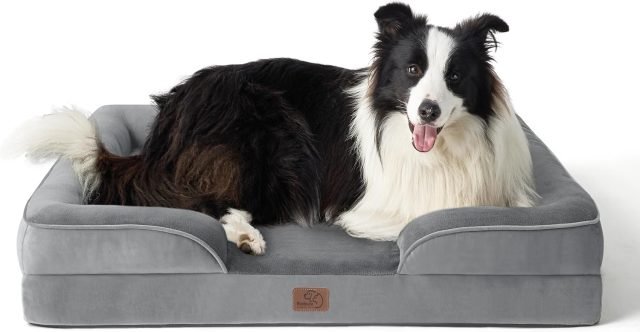
Bedsure Bolster Dog Sofa Bed: A bolster-style bed serves a psychological purpose beyond simple comfort. The raised edges mimic natural denning structures, offering a physical boundary that supports a dog’s proprioception (their sense of where their body is in space). This sense of enclosure helps lower defensive vigilance.
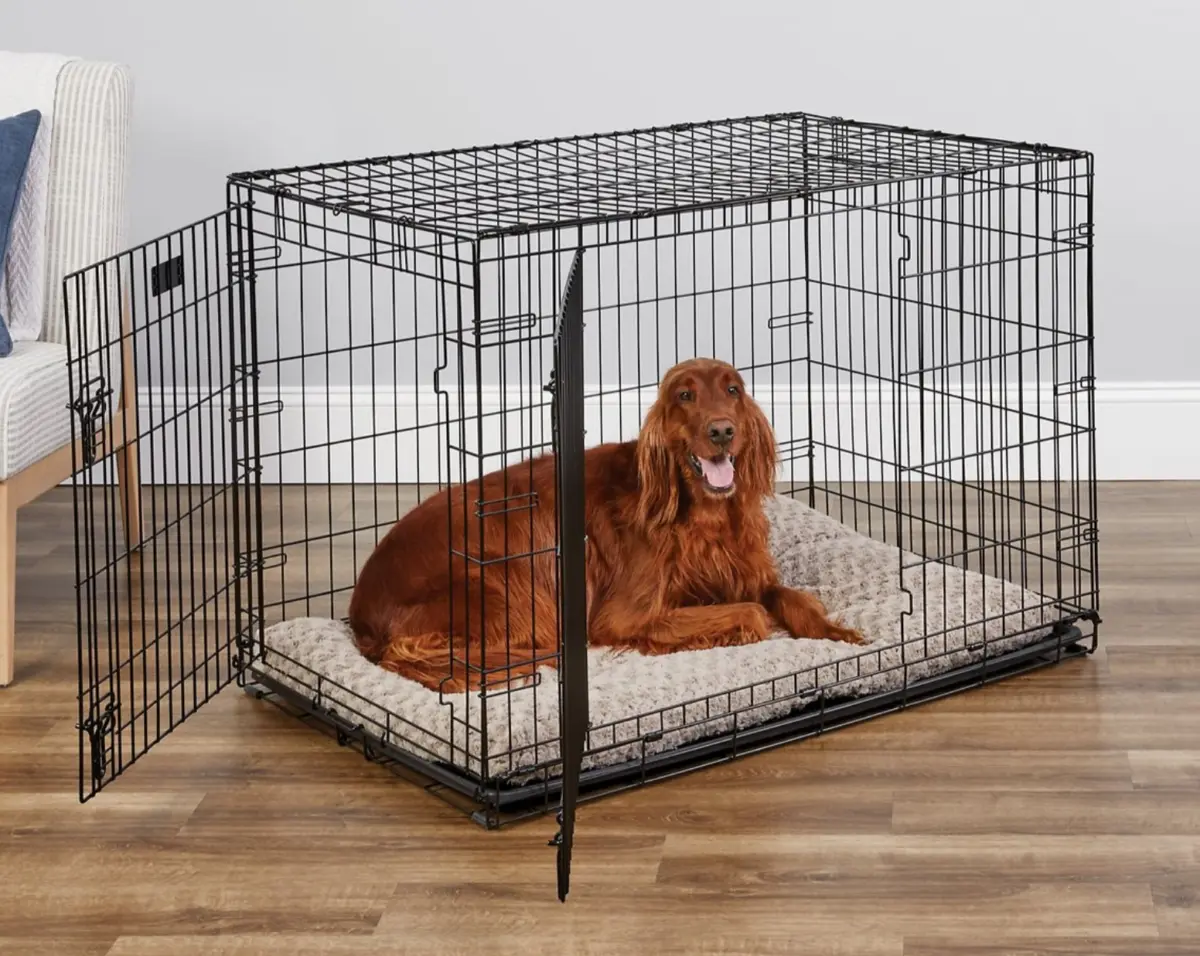
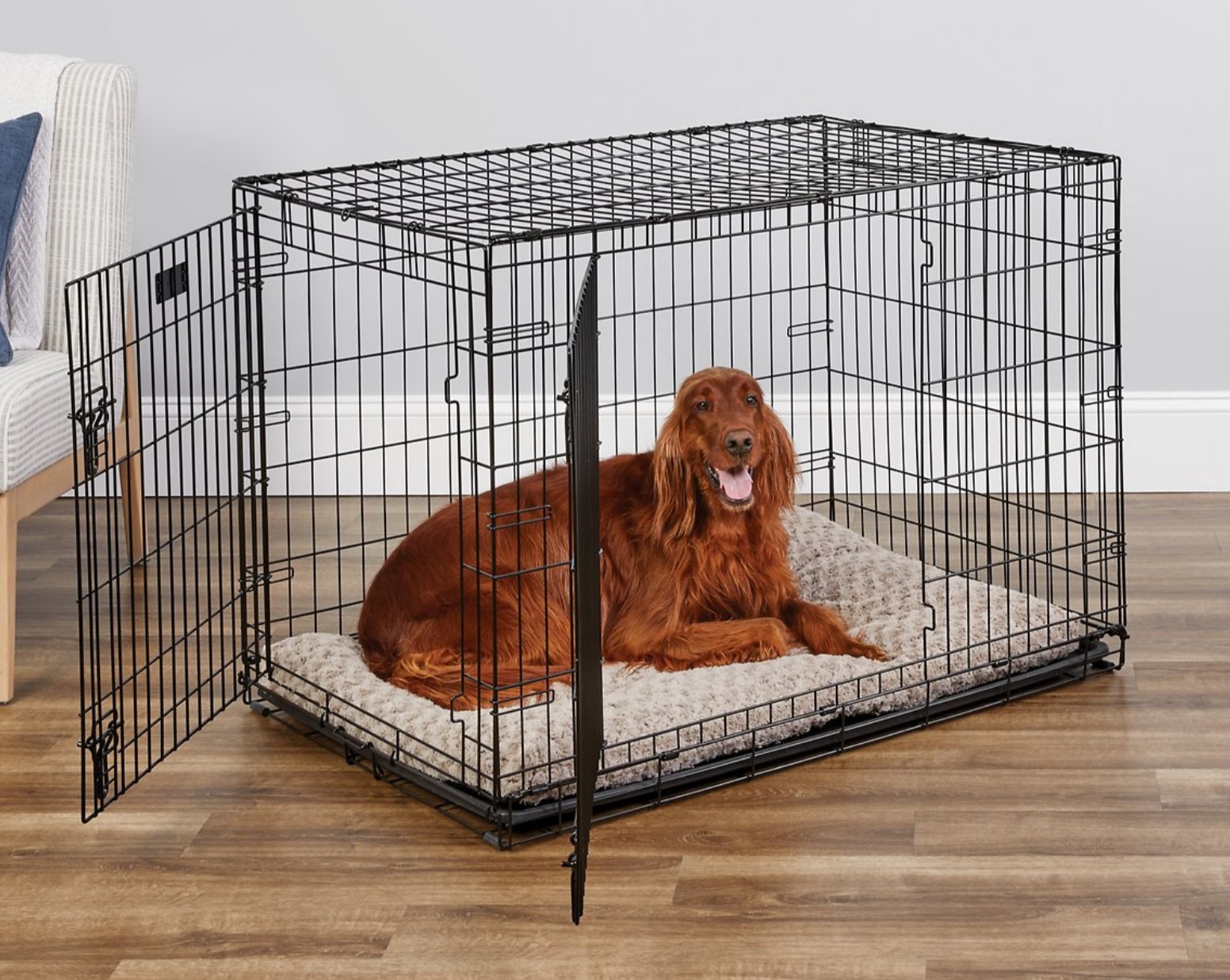
MidWest iCrate Fold & Carry Double Door Dog Crate: For dogs habituated to crates, a wire crate acts as a dedicated sanctuary. Behavioral data shows that when crates are introduced as positive, low-pressure resting zones rather than places of punishment, dogs use them voluntarily to self-regulate when sensory input becomes too intense. Adopters must determine the dog’s previous relationship with confinement to prevent panic-induced escape attempts.
2. Security & Control Hardware
The initial transition period is the highest-risk window for escape. Frightened dogs in unfamiliar territory do not possess the homing instincts associated with their new address, making secure walking gear a non-negotiable safety requirement.
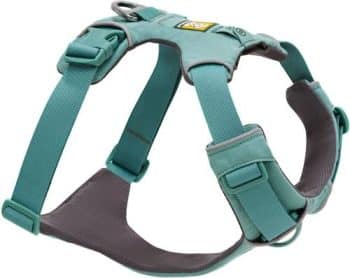
       [Ruffwear Front Range Harness]
              /
   [Front-Clip Option]     [Back-Clip Option]
          |                        |
Redirects pulling force    Allows natural gait
Prevents tracheal strain   Ideal for decompression walks
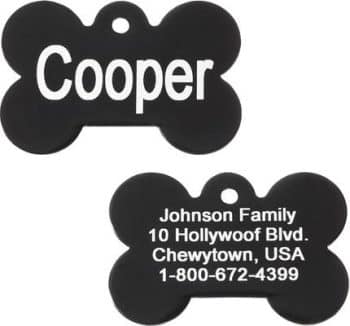
GoTags Personalized Dog ID Tag: A physical ID tag is the first line of defense against permanent loss. While microchips are essential, they require a scanner; a highly visible, legible collar tag allows immediate civilian intervention if a dog slips past an open door.
Ruffwear Front Range Reflective Front-Clip Dog Harness: Standard neck collars present a risk of tracheal damage if a dog bolts in fear, and many dogs can easily back out of them. A multi-point adjustable harness like the Ruffwear Front Range distributes force evenly across the sternum and ribcage. The front-clip option redirects forward momentum, providing mechanical advantage to the handler without causing pain.
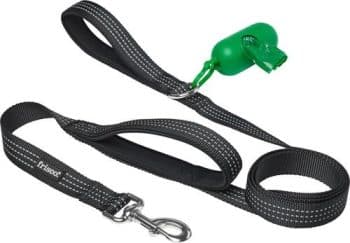
Frisco Traffic Leash With Dual Padded Handles: Standard six-foot leashes are ideal for decompression walks in open areas, but high-stimulus environments require immediate proximity control. A traffic leash featuring a secondary handle near the snap allows handlers to instantly shorten the lead, keeping a startled dog secure near their center of gravity.
3. Nutrition & Management Assets
Dietary stability is crucial during environmental transitions. Stress compromises the gastrointestinal tract, making food consistency and proper feeding mechanics vital.
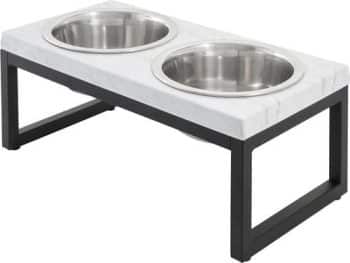
Frisco Stainless Steel Double Elevated Dog Bowl: Elevated feeding stations can assist with posture and digestion for specific canine temperaments and physical structures. Non-porous stainless steel is the gold standard for sanitation, preventing the bacterial buildup common in plastic bowls, which can lead to canine acne or systemic infections.
Gamma2 Vittles Vault Pet Food Storage: A secure, airtight container does more than preserve nutritional integrity; it prevents opportunistic counter-surfing and food-seeking behaviors. Rescue dogs, particularly those with histories of neglect, may display resource-seeking behaviors; keeping food completely sealed mitigates this stressor.
4. Cognitive Enrichment Tools
Physical exercise is often over-prescribed for high-stress dogs, whereas mental stimulation and species-typical behaviors (chewing, licking, sniffing) are far more effective at triggering the parasympathetic nervous system.
KONG Classic Dog Toy: Licking is a self-soothing mechanism in canines. It stimulates the vagus nerve, releasing calming hormones and lowering heart rates. Providing a stuffed, frozen KONG classic allows a rescue dog to focus their energy on a constructive, calming task that requires minimal human interaction.
TRIXIE Snuffle & Seek Plate: Foraging activates the seeking circuit in the canine brain, which is incompatible with the fear circuit. By utilizing their olfactory senses to hunt for kibble in a snuffle mat, dogs engage in a natural behavior that builds confidence and tires them out more effectively than a high-stimulus neighborhood walk.
Multipet Lamb Chop Squeaky Plush Dog Toy: For dogs with a high play drive or those seeking comfort, a soft plush toy acts as a valuable transition object. Carrying a soft toy can reduce stress in dogs that use mouth-holding behaviors to self-soothe.
5. Sanitation, Grooming & Delayed Hygiene Therapy
A common mistake among adopters is attempting to bathe a new rescue dog immediately upon arrival. Unless medically necessary, full immersion bathing should be delayed to prevent sensory trauma.
Rocco & Roxie Stain & Odor Eliminator: Accidents are inevitable during the transition phase, even in house-trained dogs. Standard household cleaners often contain ammonia, which chemically mirrors urine and can entice a dog to re-mark the area. An enzymatic cleaner like Rocco & Roxie is required to break down the organic proteins and eliminate the pheromone markers completely.
Earth Rated Thick Hypoallergenic 3-in-1 Dog Grooming Wipes: To avoid the high-stress environment of a bathtub on day one, grooming wipes offer a low-impact alternative for removing shelter grime, allowing adopters to clean paws and coats without triggering water-associated panic.
aumuca Self Cleaning Slicker Brush: Introducing grooming tools must be done with systematic desensitization. A self-cleaning slicker brush allows for efficient, low-pressure grooming sessions once the dog has learned to accept gentle handling.
Buddy Wash Original Lavender & Mint Dog Shampoo & Conditioner: When the dog is sufficiently decompressed to handle a bath, a dog-specific formula with soothing natural extracts should be used. Human shampoos disrupt the canine skin pH mantle, leading to irritation and secondary infections.
PET N PET Plant Based Dog Poop Bags: Responsible waste management is a daily reality. Having a reliable, high-tensile waste bag system prepared at walk stations ensures seamless transitions during outdoor excursions.
Official Statements and Expert Perspectives
To understand the operational and clinical realities of canine adoption transitions, we look to leading voices in veterinary behavior and shelter management.
The American Veterinary Society of Animal Behavior (AVSAB) emphasizes the primacy of positive reinforcement and environmental management during the initial integration period:
"Forcing a dog into social interactions or demanding obedience training during the acute phase of environmental transition can cause learned helplessness or spark defensive aggression. Adopters must prioritize predictability and safety over socialization."
Dr. Karen Overall, a world-renowned applied animal behaviorist, frequently highlights the physiological impact of chronic shelter stress on canine cognition:
"A shelter dog’s brain is structurally altered by prolonged exposure to high-stress environments. When they enter a home, they are not blank slates; they are individuals recovering from chronic distress. Healing this neurological state requires time, quiet, and consistent routines—not immediate exposure to busy public parks or high-stimulus environments."
Shelter operations data from the ASPCA reinforces the critical nature of the first 30 days post-adoption. Statistics show that up to 15% of adopted dogs are returned within the first month, with behavioral mismatches cited as the primary cause. Shelter directors universally agree that the vast majority of these returns could be prevented if adopters adjusted their expectations and systematically managed the decompression window.
Future Outlook: The Evolution of Post-Adoption Support
The companion animal welfare sector is shifting away from simple transactional adoptions toward a model of holistic, lifetime behavioral support. This evolution is driven by advances in veterinary behavioral science, canine cognition studies, and technology.
Rescue organizations are increasingly adopting "trauma-informed" care principles. Shelters are beginning to provide custom behavioral profiles that outline a dog’s specific sensory triggers, optimal decompression setups, and tailored enrichment schedules before the dog ever leaves the facility.
Biometric Monitoring and Smart Tech
The integration of wearable canine technology is poised to revolutionize post-adoption monitoring. Future smart collars will track heart-rate variability (HRV), sleep disruption, and cortisol-related scratching or shaking behaviors. This quantitative data will allow adopters to track their dog’s physiological decompression in real time, alerting them to hidden stressors before they manifest as behavioral regressions.
Virtual Behavioral Triage
To combat the return rate, shelters are partnering with tele-behavior platforms. Providing immediate, virtual access to certified canine behavior consultants during the first 30 days ensures that adopters receive professional guidance the moment boundary-testing or anxiety behaviors appear, preserving the adoptive bond and keeping dogs out of the shelter system permanently.
Ultimately, the success of a rescue dog’s integration lies not in forcing them to adapt to our world overnight, but in creating a safe, predictable space that allows them to heal, decompress, and discover their new home at their own pace.