
Executive Overview
As global temperatures climb and increasingly frequent summer heat domes sweep across the Northern Hemisphere, animal handlers, pet owners, and working dog trainers face an escalating crisis. High ambient temperatures combined with stifling humidity present a lethal hazard to dogs, capable of inducing rapid heat stroke, multiple-organ failure, and death.
This crisis is acutely felt by specialized handlers, such as renowned animal behaviorist and author Dr. Patricia McConnell. Navigating the summer months requires intensive management strategies for working stockdogs, particularly those with pre-existing vulnerabilities like degenerative mitral valve disease. Drawing from recent veterinary science—including groundbreaking research from the University of Pennsylvania on rapid cooling techniques and electrolyte hydration—this report examines the critical factors governing canine heat tolerance. It provides an authoritative guide on acclimatization, nutritional adjustments, specialized cooling gear, and emergency intervention protocols required to safeguard working and companion dogs in an era of accelerating climate change.
Detailed Chronology: Navigating Heat Stress in the Field
The Practical Realities of Working Dogs in Summer
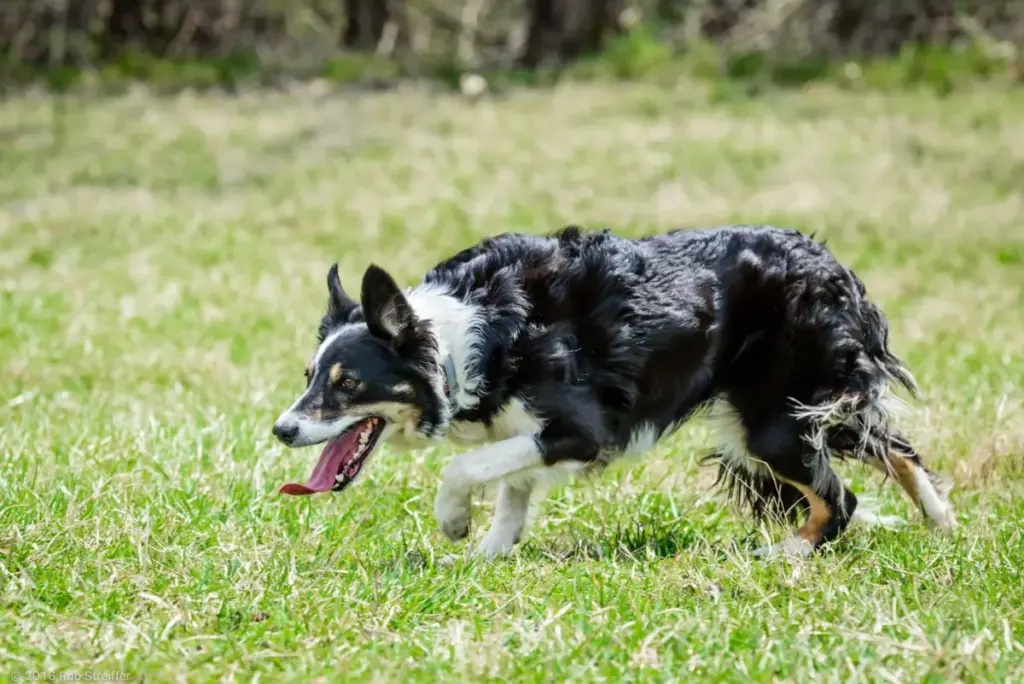
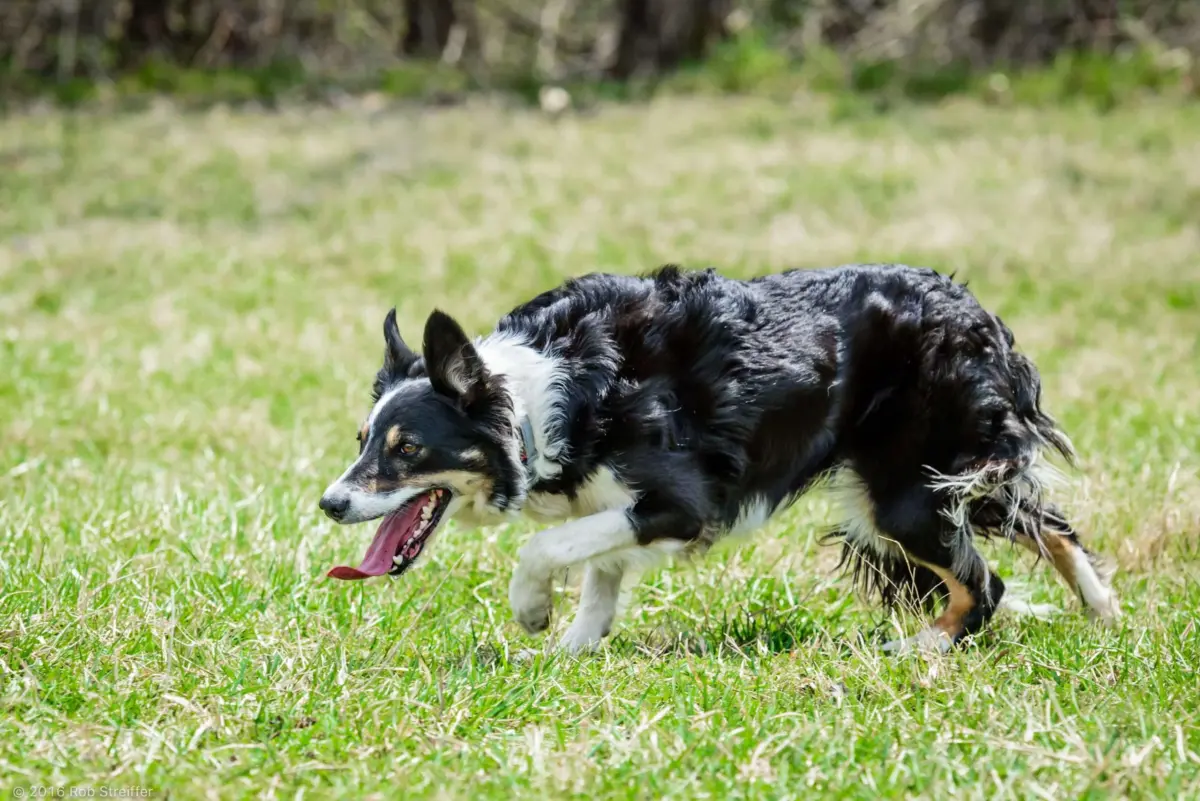
The intersection of climate change and canine performance was recently underscored during competitive stockdog trials and training sessions. Handlers preparing for events with elite sheepdog trainers, such as Scott Glen of Alta Petestockdogs, face difficult choices as weather conditions deteriorate. Stifling heat and oppressive humidity mean that high-drive working dogs—such as Border Collies—can safely operate for only a fraction of their normal duration, often limited to mere minutes before core body temperatures spike dangerously.

Consequently, handlers are forced to make hard decisions, such as withdrawing dogs from prestigious events like the Irish Woods Stockdog Trial. For dogs diagnosed with conditions like degenerative mitral valve disease, the stakes are exceptionally high. While canine health experts stress that managing a compromised working dog requires constant vigilance, the broader implications affect all active canines.
Field Trials, Human Error, and Canine Resilience
A retrospective look at competitive trials held during high-80s temperatures with minimal breeze illustrates the complex variables at play during hot-weather events. In typical scenarios, proactive handlers utilize shade, pre-run cooling tanks, and shortened courses to protect their animals. Paradoxically, while conditioned working dogs often perform flawlessly—patiently gathering and "babying" livestock under extreme duress—human error induced by heat exhaustion frequently compromises trial performance.
During high-stress afternoon runs, handlers suffering from heat fatigue may issue incorrect directional commands ("flanks"), running out the trial clock and preventing successful completion. In contrast, working dogs often demonstrate remarkable physical resilience, provided they are shielded from extreme environmental burdens. However, these field experiences serve as a stark reminder that both handlers and dogs operate under strict physiological limitations when thermal stress peaks.

Supporting Context & Metrics: The Physiology of Canine Overheating
Understanding the Mechanics of Canine Thermoregulation
To effectively combat heat-related illnesses, handlers must understand the physiological baseline of canines. A dog’s normal internal body temperature ranges between 100°F and 102.5°F. Unlike humans, dogs cannot cool themselves efficiently through generalized perspiration; their sweat glands are restricted primarily to their paw pads. Instead, they rely heavily on panting and behavioral thermoregulation to dissipate internal heat.
An internal body temperature exceeding 106°F constitutes an immediate medical crisis. Studies and clinical observations confirm that temperatures at this level can rapidly precipitate cellular breakdown, neurological damage, and fatal organ failure.
Environmental and Structural Risk Factors
Several compounding variables dictate how rapidly a dog reaches a critical thermal threshold:

- Ambient Temperature and Humidity: High humidity severely inhibits a dog’s ability to cool itself via panting, as moisture-laden air cannot absorb respiratory moisture efficiently.
- Vehicular Heat Accumulation: Parked vehicles remain a primary killer of companion animals. Research indicates that a vehicle parked in direct sunlight can reach an internal temperature of 116°F within an hour, while exposed dashboards can surge to 157°F. Cracking windows provides negligible relief due to thermodynamics; trapped heat rises and does not vent horizontally.
- Radiant Pavement Heat: Black asphalt absorbs and radiates intense heat. While human breathing zones sit feet above the pavement, working and companion dogs traverse surface temperatures significantly higher than ambient air readings.
- Breed Conformation (Brachycephalic Risk): Short-muzzled breeds (such as Pugs, Bulldogs, and Boxers) possess compromised respiratory systems, rendering them profoundly vulnerable to heat exhaustion even under moderate conditions.
- Physical Conditioning and Body Condition Score (BCS): Overweight dogs carry an internal "insulation system" that traps heat, drastically reducing exercise tolerance. Maintaining an optimal Body Condition Score (lean muscle mass with minimal excess fat) is paramount for cardiovascular and thermal efficiency.
Official Statements & Scientific Breakthroughs
Recent veterinary research has provided innovative protocols to improve canine thermal safety, shifting standard operating procedures across training facilities and competitive circuits.
Rapid Cooling Innovations
Recent findings from the University of Pennsylvania identify the fastest method for reducing a dog’s core body temperature: teaching the animal to dunk its head fully in cool water. Hydrotherapy targeting high-transfer vascular regions—specifically the paws, groin, and facial/cheek areas—dramatically accelerates heat dissipation.
Veterinary guidelines emphasize that if a dog exhibits severe symptoms of heat exhaustion (such as gaping mouths with upward-curling tongues, hind-end staggering, or collapse), immediate immersion in cool water is required. Handlers are explicitly cautioned against wasting critical time attempting to force water intake, as severely overheated dogs cannot safely swallow while panting heavily. Cooling must continue until the dog’s internal temperature stabilizes at or below 103°F, at which point veterinary evaluation should be sought.

Hydration and Electrolyte Protocols
For decades, the administration of human-formulated electrolyte solutions (such as Gatorade) to dogs remained controversial due to concerns over sodium toxicity. However, University Penn studies have demonstrated that excess sodium is efficiently processed and excreted via canine urine. Furthermore, chicken-flavored electrolyte fluids significantly encourage voluntary fluid intake, proving to be an effective pre-work hydration strategy.
Dietary Adjustments and Thermal Load
The relationship between diet and heat tolerance remains an active area of investigation among academic institutions like Auburn and Cornell Universities. Research involving scent-detection dogs indicates that diets supplemented with specific fats (such as corn oil) or formulated with lower protein levels may aid dogs in returning to normal core temperatures more quickly after exertion. Conversely, ongoing debates continue regarding whether lower protein and fat diets generate less metabolic heat during digestion. Handlers must balance these findings with individual canine health profiles.
Acclimatization and Protective Gear
Acclimatization plays a vital role in physiological adaptation. Dogs relocated from arid, low-humidity environments (such as Idaho) to humid climates (such as the American Midwest) require extended periods—sometimes up to a full year—to develop optimal thermal resilience.

To augment environmental management, advanced protective equipment has emerged as a valuable asset. Chilly Buddy vests, which utilize reflective fabric technology to bounce solar radiation away from a dog’s coat, have been shown to reduce surface coat temperatures by over 40°F. While manufacturers and researchers continue to study the exact impact on internal core temperatures, field observations confirm that these vests significantly reduce active panting and physical distress in working dogs exposed to direct sunlight.
Future Outlook: Mitigation, Adaptation, and Farm Life
As global climate patterns project longer, more intense summer heat waves, the integration of science-backed cooling protocols will become mandatory for responsible dog ownership and working dog husbandry. The adoption of proactive hydration strategies, targeted hydrotherapy, reflective cooling apparel, and rigorous weight management will define the standard of care in canine athletics.
Beyond the agricultural fields and training rings, life on the farm adapts to the seasonal extremes. Periods of heavy summer rainfall, lush vegetation, and oppressive humidity often confine handlers and working animals indoors. Yet, these months also afford opportunities for cognitive enrichment and professional pursuits. As long-term projects—such as the upcoming publication schedule of anticipated mystery novels and literary contributions—reach their final editorial stages, the rhythm of rural life continues.

Ultimately, whether managing a twelve-year-old Border Collie like Maggie as she seeks out the optimal resting pillow, observing local wildlife such as resident hummingbirds, or preparing working lines for the challenges of tomorrow’s climate, the core mission remains unchanged: prioritizing safety, health, and steadfast companionship through every season.