
Executive Overview
In a decisive move that reshaped the landscape of the multi-billion-dollar pet care industry, Petco Animal Supplies Inc. officially became the first major national pet specialty retailer to completely eliminate China-made dog and cat treats from its shelves and online inventory. This milestone divestment, spanning more than 1,300 retail locations nationwide—including Unleashed by Petco neighborhood stores and the company’s e-commerce platform, Petco.com—effectively brought an end to what industry insiders termed an "arms race" of corporate responsibility between Petco and its primary competitor, PetSmart.
For nearly a decade, the pet retail sector was plagued by mounting consumer anxiety, regulatory investigations, and devastating veterinary reports linked to contaminated pet treats imported from China. By successfully completing its phase-out ahead of schedule, Petco not only secured a significant public relations victory but also signaled a structural shift in global pet supply chains. This investigative report details the chronology of the pet food safety crisis, analyzes the market metrics driving consumer sentiment, evaluates the corporate strategies of major retail players, and projects the long-term future of pet food sourcing and safety standards.
Detailed Chronology: The Road to the Purge
The decision to purge Chinese-manufactured pet treats from retail shelves was not an overnight reaction; rather, it was the culmination of a protracted, painful era of supply chain vulnerabilities, regulatory inertia, and grassroots consumer advocacy.
[2007: Melamine Recall Crisis]
       │
       ▼
[2007–2014: FDA tracks ~5,000+ illnesses & 1,000+ canine deaths linked to Chinese jerky]
       │
       ▼
[May 2014: Petco & PetSmart pledge to phase out Chinese-made treats by early 2015]
       │
       ▼
[January 2015: Petco completes total elimination ahead of competitors]
1. The Genesis of Distrust: The 2007 Melamine Recalls
The seeds of consumer skepticism toward imported pet products were sown in 2007 during the infamous melamine recall crisis. Thousands of pets across North America suffered acute renal failure after consuming pet food containing wheat gluten and rice protein concentrate imported from China, which had been deliberately adulterated with melamine—a industrial chemical used in plastics—to artificially boost protein readings during quality testing. This catastrophic failure of regulatory oversight resulted in widespread animal mortality, class-action lawsuits, and a permanent damage to consumer confidence in foreign-sourced ingredients.
2. The Jerky Treat Epidemic (2007–2014)
Shortly after the melamine crisis subsided, a new and more elusive threat emerged. Beginning in late 2007, the U.S. Food and Drug Administration (FDA) began receiving sporadic reports of severe illnesses in dogs associated with the consumption of chicken, duck, and sweet potato jerky treats imported from China.
Over the next seven years, the crisis escalated:
- Symptom Profile: Affected animals frequently developed Fanconi syndrome, a rare and life-threatening kidney disorder characterized by the malfunction of the renal tubules, leading to glucose, amino acids, and minerals being flushed into the urine instead of reabsorbed. Other symptoms included gastrointestinal bleeding, lethargy, decreased appetite, and acute renal failure.
- The Diagnostic Impasse: Despite conducting thousands of laboratory tests, inspecting manufacturing facilities in China, and collaborating with academic veterinary experts, the FDA struggled to identify a specific chemical, toxin, or microbiological agent responsible for the illnesses. This lack of a smoking gun prevented the agency from issuing a mandatory recall, leaving the responsibility of safety entirely in the hands of retailers and manufacturers.
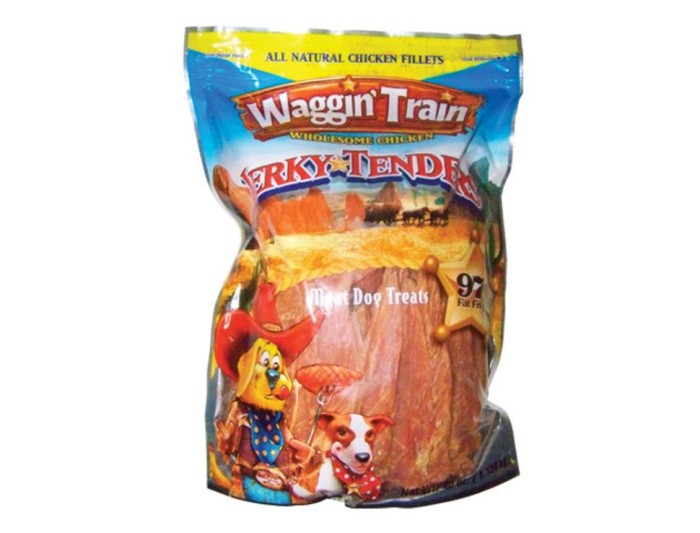
- The Human Toll: By late 2014, the FDA had documented more than 5,000 cases of pet illnesses and upwards of 1,000 canine deaths directly linked to the consumption of Chinese jerky treats. Brands like Nestlé Purina’s Waggin’ Train and Del Monte’s Milo’s Kitchen became lightning rods for public outrage.
3. The May 2014 Pledges
Faced with escalating consumer boycotts, viral social media campaigns, and intense scrutiny from consumer advocacy groups, the nation’s two largest pet specialty retailers—Petco and PetSmart—took defensive action. In May 2014, both corporations issued parallel, historic declarations: they would completely phase out all dog and cat treats manufactured in China by the end of 2014 or early 2015.
This set off an intense operational race. Purging thousands of product lines required completely restructuring global supply chains, identifying domestic alternatives, renegotiating vendor contracts, and managing inventory liquidations without decimating store profits.
4. January 2015: Petco’s Definitive Victory
By completing its transition in early January 2015, Petco crossed the finish line first, beating PetSmart to the milestone. The company successfully cleared its shelves of all remaining Chinese-made treats, establishing a new safety benchmark for the pet specialty retail sector.
Supporting Context & Metrics: The Consumer Psychology Driving the Shift
Petco’s decision was not merely an ethical stance; it was a highly calculated response to shifting market dynamics and consumer psychology. The pet care industry has undergone a profound sociological transformation over the past two decades, characterized by the "humanization of pets." Today, pets are widely viewed as integral family members, and their dietary health is treated with the same level of scrutiny as human nutrition.
To understand the market forces that compelled Petco to act, one must look at the consumer sentiment data collected during the height of the sourcing crisis.
Market Research Insights (Packaged Facts)
According to the comprehensive industry report "Natural, Organic and Eco-Friendly Pet Products in the U.S." published by market research firm Packaged Facts, consumer purchasing behavior had shifted decisively away from low-cost, imported goods in favor of safety, origin verification, and premium ingredients.
| Consumer Sentiment Metric | Percentage of Dog Owners | Strategic Implication for Retailers |
|---|---|---|
| Fear of Contamination & Product Safety | 55% | Over half of the market prioritized product safety over brand loyalty, price, or convenience. Any retailer carrying high-risk products faced severe reputational risk. |
| Preference for Made-in-the-USA Products | 61% | A clear majority of pet parents actively sought out domestic sourcing, viewing "Made in the USA" as a proxy for rigorous quality control and safety. |
The Cost of Inaction
For specialty retailers like Petco, carrying controversial imported treats posed a direct threat to their core business model. Mass-market grocers and big-box retailers could survive minor reputational hits, but specialty retailers trade on trust, expertise, and premium care. Allowing a pet to fall ill from a product purchased at a specialty store undermined the very value proposition that justified Petco’s premium pricing.
Official Statements and Corporate Strategy
The execution of the treat purge required strong leadership and a clear public message. Petco’s executive team framed the move as a demonstration of corporate integrity and customer alignment.
Leadership Perspective
Jim Myers, then-CEO of Petco, emphasized that the decision was rooted in a long-term commitment to animal welfare rather than short-term profit margins:
"As a trusted partner for pet parents, we believe this is the right thing to do, and we’re proud to take this step in the best interest of pets. What we feed our pets matters, and this milestone supports the company’s steadfast commitment to putting our customers, partners, animals and the communities we serve first."
Myers also highlighted the positive response from both consumers and manufacturing partners, noting that the transition catalyzed a wave of product innovation within the domestic pet food sector:
"Customer response to our expanded assortment of treats has been great. And we are equally pleased at just how responsive our vendor partners have been in helping us source an entirely new line-up of high-quality, predominantly U.S.-made treat and chew alternatives."
                     [Vendor Sourcing Shift]
                               │
       ┌───────────────────────┴───────────────────────┐
       ▼                                               ▼
[Domestic U.S. Brands]                       [Global Safe-Havens]
- American Jerky                             - New Zealand (Free-range)
- Blue Buffalo / Merrick                     - Australia (Grass-fed)
- Dogswell / Zuke's                          - South America (Natural chews)
Supply Chain Re-Engineering
To fill the substantial shelf space previously occupied by Chinese imports, Petco collaborated with domestic and international vendors to curate an entirely refreshed inventory of premium alternatives. The replacement strategy focused on two primary avenues:
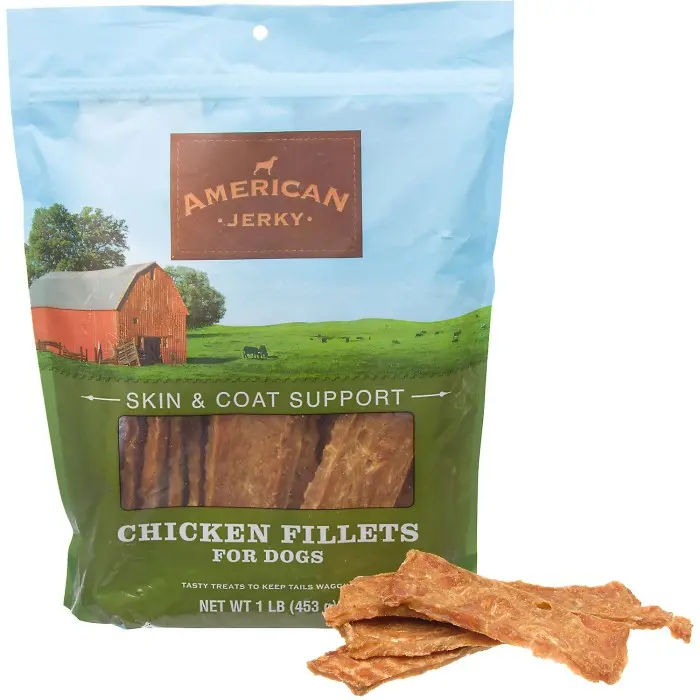
- Domestic Sourcing Expansion: Petco dramatically increased its orders from established, high-quality U.S. manufacturers. Brands such as American Jerky, Blue Buffalo, Blue Ridge Naturals, Canidae, Colorado Naturals, Dogswell, Good Lovin’, Isle of Dogs, Merrick, Natural Balance, Nature’s Variety, Prairie Dog, and Zuke’s were given prime shelf placement.
- Global Safe-Havens: For products that could not be easily sourced within the United States, Petco looked to regions with pristine agricultural reputations and stringent animal health standards. This led to expanded partnerships with suppliers in New Zealand (known for grass-fed, free-range meats), Australia, and select regions of South America (recognized for high-quality natural chews and bully sticks).
Notably, Petco had already quietly discontinued the sale of all dog and cat food formulas manufactured in China several years prior to the treat purge, making the 2015 treat ban the final step in completely decoupling its food supply chain from Chinese manufacturing.
Future Outlook: The Legacy of the Purge and the New Industry Standard
Petco’s successful purge of Chinese-made pet treats marked a turning point for the global pet industry. The structural changes initiated during this crisis continue to shape the manufacturing, regulation, and marketing of pet food today.
1. The Domino Effect
Following Petco’s announcement, PetSmart and other regional pet chains quickly completed their own phase-outs of Chinese-made treats. This collective action effectively locked Chinese manufacturers out of the premium U.S. pet specialty market. Today, any brand seeking premium retail placement must provide clear, transparent ingredient sourcing, with "China-free" remaining an informal but powerful marketing credential.
2. Regulatory Reforms: The Food Safety Modernization Act (FSMA)
The systemic failures exposed by the melamine and jerky treat crises accelerated the implementation of the FDA’s Food Safety Modernization Act (FSMA). Signed into law in 2011, the FSMA’s final rules for animal food—fully implemented in the years following Petco’s purge—mandated that pet food manufacturers establish comprehensive, preventive control plans. It also subjected foreign suppliers to the same rigorous safety standards as domestic facilities through the Foreign Supplier Verification Program (FSVP).
3. The Sourcing Transparency Era
The modern pet parent expects absolute transparency. The industry has evolved from simply labeling products "Made in the USA" to providing detailed traceability. Consumers can now scan QR codes on treat packaging to trace ingredients back to the specific farm or fishery of origin.
Conclusion
Petco’s proactive move to eliminate Chinese-made treats was a landmark moment in retail history, demonstrating that consumer safety and corporate responsibility can align with long-term commercial success. By listening to customer concerns and executing a complex supply chain transition ahead of its competitors, Petco protected its brand reputation and set a new safety standard for the pet industry. This transition proved that in the modern pet economy, trust is the ultimate currency—and safeguarding the health of our pets is the most profitable strategy of all.