In the field of wildlife rehabilitation, the rejection of a newborn apex predator by its mother presents a complex dual crisis: a physiological race against immunological vulnerability and a psychological battle against severe developmental deprivation. When a four-week-old lion cub named Zambi was separated from her mother due to an imminent risk of physical injury, conservationists and veterinary professionals were faced with a daunting task. Without the maternal antibodies found in a lioness’s milk and the social conditioning provided by a pride, Zambi’s chances of healthy development were critically compromised.
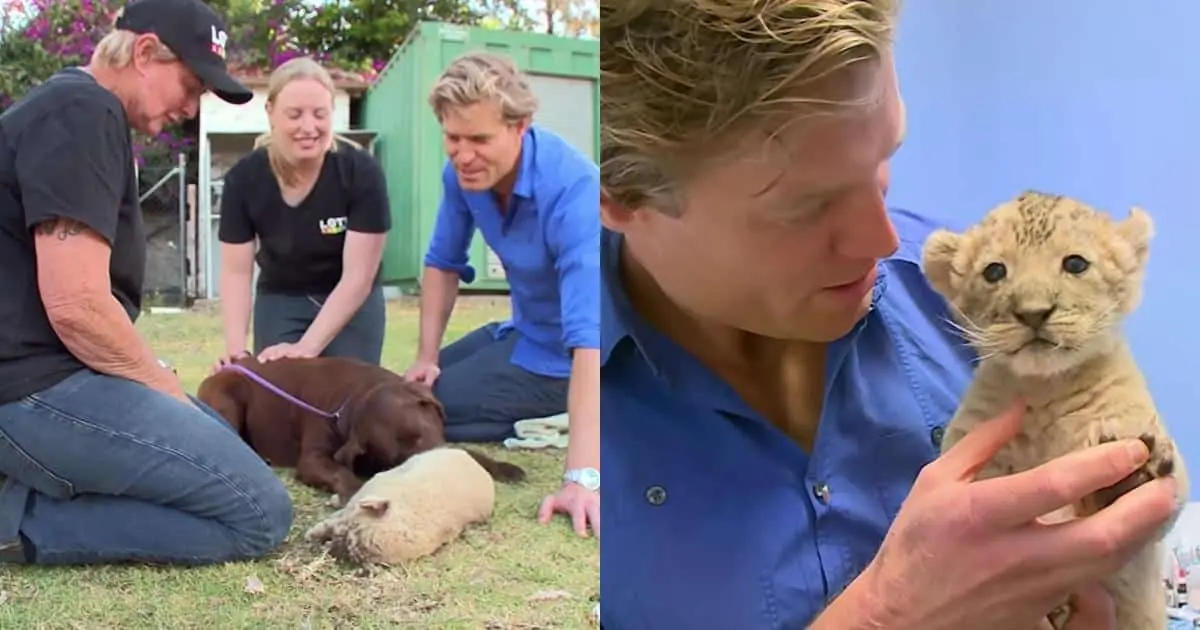
This investigative report examines the intervention led by renowned veterinarian Dr. Chris Brown of the Bondi Clinic, alongside the specialists at the Lotle Animal Rescue Headquarters. By pairing the vulnerable cub with Sabi, a female Labrador Retriever renowned for her stable temperament, the team executed a highly calculated interspecies surrogacy program.
This article details the clinical protocols, behavioral science, and olfactory conditioning that facilitated this partnership. It also explores the broader implications of using domestic canines to mitigate developmental trauma in hand-reared wild felids.
Detailed Chronology
[Week 4] -------------------> [Clinical Assessment] ---------> [Scent Mapping] ------------> [Month 5 Evaluation]
Rejected by mother;           Vaccination administered       Olfactory transfer of        Rapid physical growth;
maternal antibodies absent.   at Bondi Clinic.               Sabi's scent to Zambi.       Sabi establishes full maternal bond.
Phase I: Maternal Rejection and the Immunological Window (Week 4)
At just four weeks of age, Zambi was removed from her maternal enclosure. While maternal rejection in captive and semi-captive large felids can stem from various stressors, the immediate threat to Zambi was physical. The maternal instinct of her mother had deteriorated, transforming the nesting environment into an active hazard.
This separation occurred during a critical immunological window. Mammalian infants rely on colostrum and early milk to acquire passive immunity. Deprived of this natural shield, Zambi’s immune system was highly vulnerable to opportunistic pathogens.
Phase II: Clinical Intervention at the Bondi Clinic
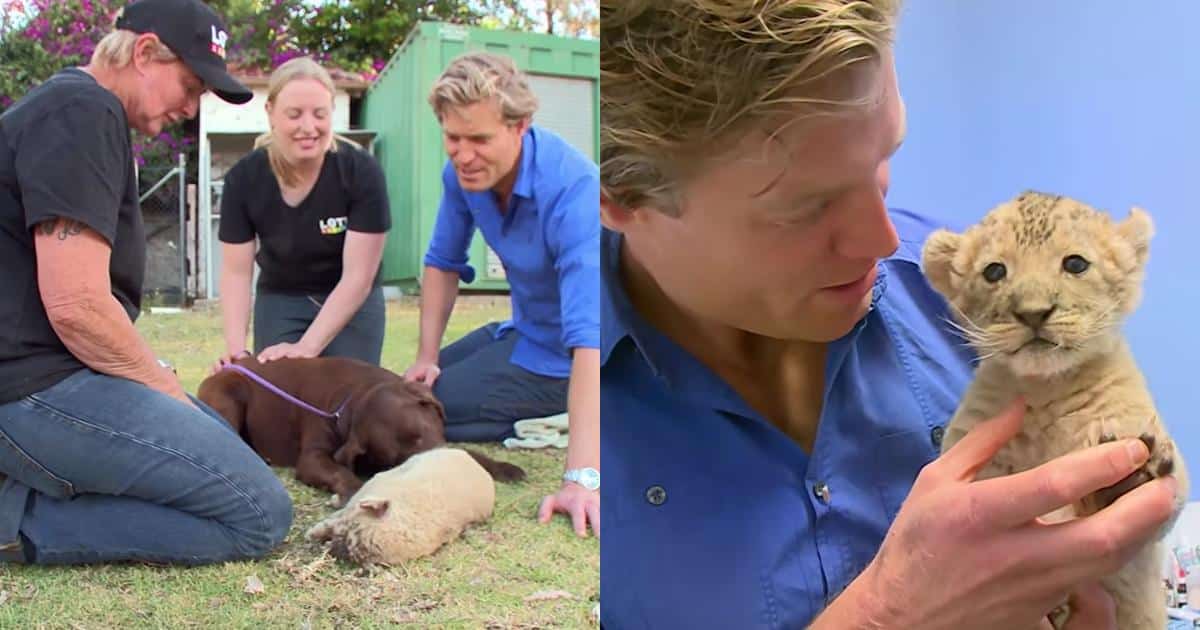
Upon intake at the Bondi Clinic, Dr. Chris Brown initiated an emergency wellness protocol. The primary clinical objective was to compensate for the cub’s lack of natural maternal antibodies.
At four weeks old, Zambi was administered a customized preventative vaccination regimen. This medical intervention aimed to stimulate her adaptive immune system while her caregivers managed her complex dietary and thermal needs. However, clinical stabilization was only the first step. The more complex challenge of psychological and behavioral development remained unresolved.
Phase III: The Socialization Conundrum and Behavioral Strategy
Lions are the only truly social felids, relying on a complex pride structure for cognitive mapping, boundary setting, and emotional regulation. A hand-reared cub raised exclusively by humans is at high risk of developing "singleton syndrome" or severe behavioral abnormalities, including inappropriate aggression, chronic anxiety, and an inability to read species-specific social cues.
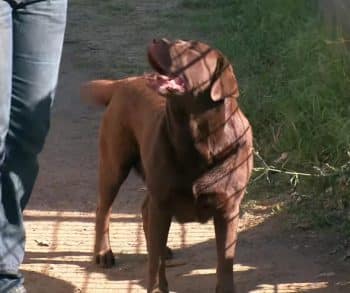
Recognizing that human handlers cannot replicate the constant, tactile feedback of a non-human companion, Dr. Brown proposed an unconventional strategy: introducing Zambi to Sabi, a mature Labrador Retriever.
Phase IV: Olfactory Scent-Mapping and First Contact
To minimize the risk of predatory arousal or defensive aggression during the initial meeting, the behaviorist team at Lotle Animal Rescue Headquarters implemented a strict olfactory introduction protocol.
Olfactory Scent-Mapping Protocol:
1. Scent Harvest: Sterile cloths were rubbed along Sabi's scent glands (cheeks, paws, and flanks).
2. Scent Transfer: These cloths were placed in Zambi's nesting area, allowing her to associate the dog's scent with comfort and food.
3. Reciprocal Scenting: Zambi’s scent was introduced to Sabi in a controlled, neutral environment.
4. Visual/Tactile Contact: Controlled introduction under double-leash restraint once positive scent recognition was established.
This meticulous process ensured that when Sabi and Zambi finally met face-to-face, Sabi did not perceive the cub as an exotic threat or prey, but rather as an familiar entity requiring maternal care.
Phase V: Co-Evolution and Developmental Milestones (Months 2–5)
Over the subsequent four months, the bond between the two animals deepened. Sabi assumed the role of a surrogate mother, establishing clear behavioral boundaries through soft vocalizations and physical nudges. She initiated grooming sessions—essential for the cub’s circulation and digestion—and engaged in structured play.
By the time Dr. Brown conducted a follow-up evaluation at five months of age, Zambi had undergone a dramatic physical transformation. She exhibited the robust musculature of a healthy sub-adult lioness, paired with the calm, socially adjusted temperament of a cub raised in a stable pride.
Supporting Context & Metrics
The Science of Canine-Felid Surrogacy
While the pairing of a dog and a lion may seem unusual, it is grounded in decades of zoological research. Large carnivore conservation programs, most notably those involving cheetahs (Acinonyx jubatus), have long utilized domestic dogs as companion animals.
Human presence often induces chronic hyper-vigilance in developing wild felids.
Play & Motor Skills
Dynamic play partners enhance proprioception and motor coordination.
Sedentary environments lead to poor muscle development and bone density issues.
Immunological Impact of Early-Onset Hand-Rearing
Statistically, hand-reared large felid cubs suffer a significantly higher mortality rate in their first six months compared to those reared by healthy mothers. This is primarily attributed to:
Gastrointestinal Pathogens: The absence of maternal milk-derived immunoglobulins (such as IgA) leaves the gut mucosal barrier vulnerable to infections like parvovirus and coronavirus.
Nutritional Deficiencies: Formulated milk replacers, while advanced, often lack the precise lipid-to-protein ratios and bioactive compounds found in natural lioness milk, which can lead to metabolic bone disease.
By introducing Sabi, the team mitigated the psychological stressors that elevate cortisol. High cortisol levels are known to suppress immune function, meaning Sabi’s calming presence indirectly supported Zambi’s physical health.
Official Statements
Dr. Chris Brown, Lead Veterinarian (Bondi Clinic)
"When we first evaluated Zambi at the Bondi Clinic, the immediate priority was medical stabilization. At four weeks old, her immune system was highly vulnerable. The preventative vaccine we administered was a critical shield, but medicine alone cannot raise a lion.
The decision to introduce Sabi was born out of behavioral necessity. Sabi possessed a rare combination of maternal instinct, patience, and a calm disposition. Watching their relationship evolve from a cautious, scent-based introduction into a genuine maternal bond has been one of the most remarkable clinical outcomes of my career. Sabi did not just offer companionship; she provided the psychological framework Zambi needed to survive."
"Our primary concern during the initial phase was safety. A lion cub, even at four weeks old, possesses sharp claws and a strong jaw, while a mature Labrador has the physical capacity to injure a cub if threatened.
The success of this integration lies entirely in the scent-mapping protocol. By transferring Sabi’s scent onto Zambi, we bypassed the instinctual canine ‘stranger-danger’ response. Sabi immediately recognized Zambi as a member of her extended pack. The grooming behaviors we observed within the first forty-eight hours confirmed that Sabi had fully accepted her role as surrogate mother."
Future Outlook
[Phase 1: Co-Habitation] --------> [Phase 2: Managed Transition] --------> [Phase 3: Pride Integration]
Ages 1-8 Months                    Ages 8-14 Months                        Age 14 Months+
Daily physical interaction;        Gradual physical separation;            Placement in a species-appropriate
Sabi provides behavioral guidance. contact limited to visual/olfactory.     social group of lions.
As Zambi continues to grow, her relationship with Sabi will inevitably undergo a planned transition. At five months old, a lion cub is manageable; however, by twelve to fourteen months, a sub-adult lioness can weigh upwards of 150 pounds and possesses immense physical strength. Even well-intentioned play at this stage could pose a serious physical risk to a senior Labrador Retriever.
The Transition Protocol
The conservation and veterinary teams at Lotle Animal Rescue Headquarters have drafted a multi-stage transition plan to ensure the long-term safety and welfare of both animals:
Gradual Physical Decoupling (Months 6–9): While visual and olfactory contact will be maintained, physical play sessions will be gradually shortened and highly supervised. This prepares Zambi for independence without causing separation anxiety.
Introduction of Species-Specific Enclosures: Zambi will be transitioned to a larger, species-appropriate habitat designed to encourage natural behaviors like climbing, stalking, and foraging.
Pride Integration: The ultimate goal of Zambi’s rehabilitation is her integration into a pride of her own species. The social foundation laid by Sabi—including her understanding of play boundaries and hierarchy—will be critical as she learns to navigate the complex social structure of other lions.
Legacy of the Sabi-Zambi Bond
The story of Zambi and Sabi highlights the value of interspecies surrogacy in modern veterinary medicine and wildlife conservation. While unconventional, this partnership demonstrates that when natural maternal care fails, domestic animals with the right temperament can step in to provide the social and emotional support wild animals need to thrive.
Through clinical expertise, behavioral science, and the nurturing instinct of a gentle Labrador, a rejected cub was given the foundation to grow into a strong, confident lioness.