
By Kate Echeverria, DVM, MS, DACVIM-LAIM
Executive Overview
Artificial Intelligence (AI) has rapidly permeated virtually every facet of modern life, revolutionizing industries from finance and logistics to human healthcare. It comes as no surprise that veterinary medicine is now experiencing this technological wave. However, the integration of AI into veterinary practice presents both a profound opportunity and an urgent challenge.
Veterinarians stand at a critical crossroads. If veterinary professionals fail to actively engage in the development, oversight, and shaping of AI tools and client-facing resources, consumer technology companies and tech conglomerates will inevitably define the experience instead.
Far from being a mere passing trend, AI is reshaping clinical workflows—from automated medical transcription and digital scribing to advanced radiographic interpretation and streamlined record-keeping. Simultaneously, pet owners are increasingly turning to generic large language models (LLMs) like ChatGPT and unverified internet searches (colloquially known as "Dr. Google") for health advice. This shift has created an urgent need for the veterinary community to step forward, establish clinical guardrails, and guide pet owners toward veterinarian-approved resources. By embracing AI thoughtfully, the profession can enhance operational efficiency, reduce client anxiety, and foster a collaborative healthcare model built on trust, transparency, and clinical excellence.
Detailed Chronology: The Evolution of AI Integration in Veterinary Practice
The journey of artificial intelligence from speculative science fiction to everyday clinical utility has accelerated dramatically over the past several years. Understanding this timeline is crucial for assessing where the profession stands today and where it is heading.
Phase 1: Initial Skepticism and the Rise of Digital Scribes
When AI tools first began filtering into medical and veterinary circles, reception was understandably mixed. Many clinicians, myself included, viewed the technology with a heavy dose of skepticism. Early iterations were often seen as gimmicky, unreliable, or overly detached from the nuanced realities of hands-on animal care.
However, as tools evolved to address specific administrative burdens, perceptions began to shift. The initial wave of practical adoption in veterinary clinics centered on workflow optimization. Transcription tools and AI-powered digital scribes emerged as solutions to the pervasive issue of veterinary burnout. By automating medical record dictation and summarizing patient encounters, these applications allowed veterinarians to spend less time staring at computer screens and more time interacting with patients and clients.
Phase 2: Diagnostic Support and Imaging Enhancements
As text-based models matured, machine learning algorithms made significant strides in diagnostics. AI applications designed to analyze radiographs, ultrasounds, and laboratory panels began appearing in progressive practices. These systems do not replace the diagnostic eye of a trained veterinary specialist; rather, they serve as a secondary set of eyes, flagging subtle anomalies—such as early-stage pulmonary patterns or hairline fractures—that might otherwise go unnoticed during a busy shift.
Phase 3: The Empowered (and Misinformed) Client
Concurrently, a parallel evolution was occurring outside the clinic walls: the democratization of consumer-facing AI. Pet owners, increasingly accustomed to managing their own healthcare via patient portals and digital apps, began seeking similar autonomy for their animal companions.
Rather than waiting for scheduled appointments, owners turned directly to generative AI models to decode symptoms, research medication dosages, and interpret complex prognoses. While this drive toward proactive pet parenting is inherently positive, it introduced a volatile new variable into the veterinarian-client relationship. Without clinical context, peer-reviewed backing, or species-specific parameters, consumer-grade AI platforms frequently generated alarming misinformation, setting off waves of preventable panic among pet owners.
Phase 4: Formalized Oversight and Industry Integration
Recognizing the dual-edged sword of unbridled technological adoption, major veterinary organizations stepped up. The establishment of dedicated AI task forces by groups such as the American Veterinary Medical Association (AVMA) and the American College of Veterinary Internal Medicine (ACVIM) marked a turning point.
Academia soon followed suit. The September 2026 edition of Veterinary Clinics of North America: Small Animal Practice dedicated its entire focus to Artificial Intelligence in Small Animal Veterinary Medicine. This comprehensive resource provided practitioners with frameworks for evaluating, adopting, and actively contributing to AI-based tools, cementing the profession’s shift from passive observers to active co-creators of veterinary technology.
Supporting Context & Metrics: Navigating "Dr. Google" and Clinical Realities
To fully grasp the impact of AI on daily veterinary practice, one must examine the friction points between professional medical guidance and unverified online research.
The Case of the Equine Dual-Medication Dilemma
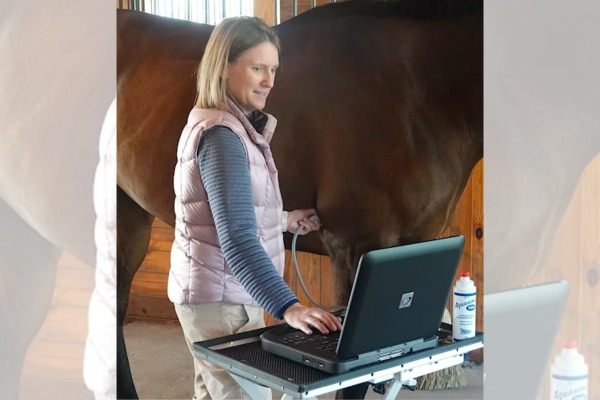
A recent clinical experience from my ambulatory equine practice highlights this exact tension. I was managing a mare diagnosed with two distinct, concurrent conditions. To treat her effectively, I prescribed a regimen involving two medications that are not conventionally administered in tandem.
Recognizing the atypical nature of the prescription, I took deliberate steps to ensure absolute clarity and safety:
- I engaged in an extended, detailed conversation with the owner, explaining the rationale behind the dual therapy.
- I outlined specific, localized side effects and systemic signs to monitor closely.
- I reassured the owner based on prior clinical experience, noting that I had successfully utilized this combination in other equine patients with zero adverse outcomes.
- I consulted directly with the mare’s regular veterinarian, who reviewed the case, agreed with the therapeutic strategy, and gave her full endorsement.
Armed with this comprehensive, multi-layered clinical consensus, the owner felt confident and administered the medications as directed.
However, the morning after the first combined dose, both the regular veterinarian and I received frantic messages from the owner. Driven by lingering curiosity, she had consulted "Dr. Google" immediately after treating her horse. The unverified online search generated dire warnings regarding severe adverse reactions and long-term consequences associated with the drug combination.
The Diagnosis vs. The Algorithm
The online search failed on multiple fronts:
- Lack of Context: It did not account for the horse’s specific dual diagnoses.
- Absence of Clinical Supervision: It operated entirely outside the loop of professional veterinary oversight.
- Propagation of Misinformation: It presented generalized, worst-case scenarios as absolute certainties without weighing risk-benefit ratios.
After a calming follow-up discussion, the owner acknowledged that the online search was misleading and that our professional guidance was sound. Crucially, this incident opened the door to a productive conversation about reliable resources. I was able to direct her toward a veterinarian-informed pet health platform—one engineered with clinical guardrails and designed to provide accurate, context-aware information.
Bridging the Medical Records Gap
Beyond client education, another major operational friction point in veterinary medicine is the fragmentation of medical records. Unlike human medicine, which utilizes centralized networks (such as "My Chart"), veterinary medicine lacks a universally accessible, unified ecosystem.
- Emergency Care: When an owner rushes an animal to an urgent care facility or emergency hospital, vital history—prior bloodwork, vaccine status, drug sensitivities—is frequently missing or forgotten.
- Traveling and Competition Animals: For performance horses that travel across state lines and encounter numerous care teams, tracking medical histories manually is exceptionally cumbersome.
Modern AI-driven pet technology tools are beginning to bridge this gap. By allowing owners and veterinarians to securely organize lab results, vaccination records, and historical notes into a centralized digital snapshot, these platforms ensure that any clinician examining the patient has instant access to critical health data. Furthermore, AI natural language processing can distill years of complex medical notes into concise summaries, sparing emergency clinicians from wading through massive archives during critical triage moments.
Official Statements and Professional Guidance
Industry leaders and professional associations are actively shaping the governance of AI in veterinary medicine. The consensus is clear: technological advancement must be guided by veterinary expertise to ensure patient safety and professional integrity.
The AVMA and ACVIM Perspective
Major governing bodies have emphasized that AI should act as an extension of the veterinary team, not a substitute for clinical judgment.
- The American Veterinary Medical Association (AVMA): Through specialized task forces, the AVMA evaluates the legal, ethical, and practical implications of AI deployment in clinics. The organization stresses that veterinarians must remain the ultimate arbiters of animal health decisions.
- The American College of Veterinary Internal Medicine (ACVIM): Emphasizes the necessity of board-certified specialization in training diagnostic and therapeutic AI algorithms. Without expert input, machine learning models risk missing subtle pathological nuances unique to complex internal medicine cases.
The Call for Active Contribution
As highlighted in recent veterinary literature, the operative word for practitioners today is contribution. Veterinarians cannot afford to sit on the sidelines while third-party software developers dictate clinical interfaces and client educational portals.
"We need veterinarians involved in developing these tools so we can trust they are being set up efficiently and used appropriately. The client aspect of AI in pet health care is an area where we must contribute, as pet owners are looking to become more empowered in their pet’s health through information."
By participating in beta testing, serving on advisory boards for pet wellness technology companies, and establishing clinical review protocols, veterinarians can ensure that AI tools respect the veterinary-client-patient relationship (VCPR) and prioritize animal welfare above all else.
Future Outlook: A Cohesive Horizon
Looking forward, the successful integration of artificial intelligence into veterinary medicine hinges on three core pillars: education, collaboration, and proactive tool shaping.
1. Empowering Pet Owners Through Vetted Technology
The ultimate goal of veterinary AI should not be to replace the clinician, but rather to bridge the gap between home observations and clinical visits. Pet wellness apps that allow owners to log behavioral changes, monitor chronic conditions, and track medication schedules play a vital role in patient care. An informed pet owner is more engaged, more compliant with treatment plans, and better equipped to understand the intrinsic value of comprehensive diagnostics, such as routine bloodwork and imaging.
2. Establishing Best Practices and Guardrails
As artificial intelligence continues to evolve, the veterinary profession must establish rigorous best practices. Clinicians must determine their individual comfort levels regarding workplace automation while collectively pushing for transparency from software vendors. Educational initiatives must expand to teach clients how to evaluate health information online, steering them away from unverified forums and toward veterinarian-backed platforms.
3. A Collaborative Ecosystem
The future of veterinary medicine is not human versus machine, nor is it veterinarian versus internet algorithm. Instead, it is a unified ecosystem where veterinarians, empowered clients, and intelligent technologies work cohesively.
By embracing this technological shift with an open mind, maintaining strict clinical oversight, and actively shaping the digital tools of tomorrow, the veterinary profession can secure a future where pets receive the highest standard of health care possible—supported by science, guided by compassion, and enhanced by innovation.
Dr. Kate Echeverria, DVM, MS, DACVIM-LAIM, is a board-certified equine internal medicine specialist providing comprehensive diagnostics and treatment for horses across New England through her ambulatory practice, KE Equine, based in Norton, Mass. Dr. Echeverria serves as the equine medical director at CompanAIn, a pet wellness platform powered by trusted, human-centered AI. She is president-elect for RIVMA, the large animal representative (and past chair) on the ACVIM Certification Council, and a member of the AAEP Scientific Review and Editorial Committee.