
Executive Overview
Traveling with a dog requires logistical precision that rivals human expedition planning. Beyond crates, collapsible bowls, harnesses, and leashes, pet parents must wrangle an array of specialized sundries: waste bags, enzymatic cleaners, grooming supplies, medications, first-aid items, and endless provisions of treats. For years, keeping this canine cargo organized both at home and on the road has presented a frustrating design challenge for pet owners. Standard luggage is often poorly dimensioned for bulky treat bags and odd-sized bottles, while open-topped utility bags invite curious hounds to help themselves to things they shouldn’t.
Enter the holy grail of pet travel accessories: the dedicated dog gear tote. In this review-driven investigative report, we examine the persistent market failure of manufacturers to keep functional pet-organizing bags in production, highlight a rare diamond-in-the-rough discovery—the Acorn Everyday Tote by San Francisco-based brand Alite—and establish the definitive design criteria required for a truly elite canine travel bag.
Drawing from firsthand user experiences, historical product tracking, and structural necessity evaluations, this article explores why the best pet gear products mysteriously vanish from shelves, where pet owners can still secure remaining stock of top-tier items, and what the future holds for the niche market of pet travel ergonomics.
Detailed Chronology: A History of Discontinued Disappointment
The journey to find the ideal pet travel tote is paved with discontinued products and frustrated consumer searches. To understand the current market landscape, one must trace the evolutionary history of pet gear organization over the past decade.
The L.L. Bean Era and the Rise of DIY Pet Organization
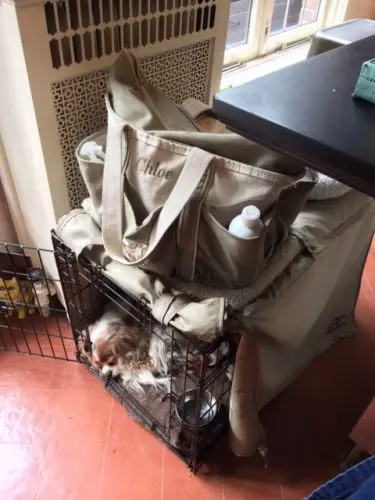
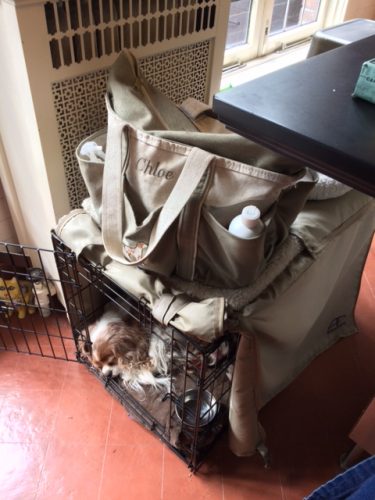
More than ten years ago, savvy pet travelers seeking durable organizational solutions turned to traditional heavy-duty utility bags, most notably the iconic canvas totes manufactured by L.L. Bean. Dog owners would purchase these robust bags, often customizing them with monogrammed names and embroidered dog breeds—such as Brittany Spaniels—to differentiate home storage bags from travel units.
While these classic canvas items offered exceptional durability, they suffered from a fatal flaw inherent to their traditional design: they were open-topped. Without a secure closure, these bags functioned merely as open bins. Furthermore, as outdoor lifestyle brands began experimenting with lightweight synthetic materials, L.L. Bean’s brightly colored nylon variants—which added a welcome pop of visual energy to road trip packing—were quietly phased out.
The Diaper Bag Workaround
Faced with a dearth of purpose-built canine luggage that met stringent structural requirements, savvy travelers were forced to pivot toward adjacent consumer markets. For years, travel-savvy dog owners found themselves scouring department stores for high-end diaper bags. Paradoxically, infant care products shared the exact logistical requirements of canine care products: they demanded multiple exterior pockets for quick-access items, internal dividers for organization, wipeable linings, and secure top zippers to keep curious toddlers (or, in this case, resourceful dogs) out of sensitive supplies.
Yet, adapting a diaper bag for canine use always felt like a compromise. Aesthetic prints featuring teddy bears or pastel florals did not always align with the rugged environment of camping trips, hiking trails, and hotel stays. The pet community desperately needed a dedicated product engineered specifically for the lifestyle of modern dog adventurers.
The Alite Discovery
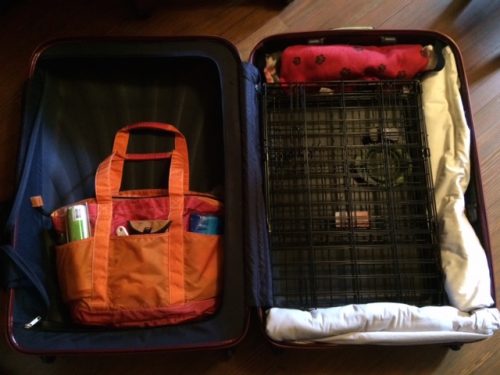
The search for an authentic, purpose-built dog travel tote recently led to a promising discovery: the Acorn Everyday Tote, designed by the innovative, San Francisco-based outdoor brand Alite. Combining clever urban utility with rugged, packable construction, the Acorn Everyday Tote emerged as an unexpected front-runner in the pet gear organization category.
However, true to the capricious nature of the gear market, this discovery came with a discouraging caveat. Early signs indicated that the Acorn Everyday Tote was following the footsteps of its predecessors—quietly vanishing from the manufacturer’s primary product catalogue. A thorough investigation into its availability revealed a classic retail ghost town: absent from online storefronts, yet lingering in limited back-stock quantities at Alite’s flagship bricks-and-mortar storefront in San Francisco’s Mission district, alongside sporadic, clearance-priced inventories remaining on third-party e-commerce platforms like Amazon.
Supporting Context & Metrics: The Anatomy of a Flawless Dog Tote
What separates a mediocre shopping bag from an indispensable pet travel accessory? Through years of rigorous field testing across road trips, hotel stays, and everyday home organization, experienced pet travelers have identified two non-negotiable structural pillars: the top zipper and strategic exterior pocketing.
+-----------------------------------------------------------------+
|                  THE DOG TRAVEL TOTE DESIGN MATRIX              |
+--------------------------+--------------------------------------+
| Feature Component        | Functional Purpose                   |
+--------------------------+--------------------------------------+
| Secure Top Zipper        | - Prevents accidental ingestion of   |
|                          |   medications / toxic topicals       |
|                          | - Contains contents during transit   |
|                          | - Provides structural rigidity       |
+--------------------------+--------------------------------------+
| Exterior Pockets         | - Isolates messy items (shampoo,     |
|                          |   enzyme cleaners, wet wipes)        |
|                          | - Provides instant, grab-and-go      |
|                          |   accessibility                      |
+--------------------------+--------------------------------------+
| Contrasting Interior     | - Eliminates the "black hole" effect |
|                          | - Allows rapid visual identification |
|                          |   of small accessories               |
+--------------------------+--------------------------------------+
| External Utility Loops   | - Enables carabiner attachment for   |
|                          |   waste bag dispensers or mugs       |
+--------------------------+--------------------------------------+
The Indispensable Top Zipper
To the uninitiated, an open-topped tote bag seems perfectly adequate for carrying gear. To anyone traveling with a dog, an open tote is an accident waiting to happen.
Consider the typical contents of a canine travel bag: tubes of flea and tick preventative (such as Frontline Plus), specialized prescription medications, first-aid ointments, and high-value training treats packed with aromatic attractants. When a tote bag rests on the floor of a hotel room, sits in the footwell of a car, or balances precariously on top of a travel crate, an open top is an invitation for disaster. Smaller dogs can easily nose around the interior, chewing through packaging to access items that could pose severe health risks if ingested. Larger dogs can effortlessly rifle through unsecured compartments while their human companions are distracted.
Beyond safety, a top zipper provides essential structural integrity. When a tote is packed to maximum capacity or heaved into the trunk of a vehicle alongside suitcases and camping gear, a zippered closure ensures that loose items—rolls of waste bags, collapsible bowls, grooming brushes—remain securely inside the vessel rather than scattering across the trunk floor. Furthermore, a zipped top adds structural rigidity to the bag, allowing it to maintain its form even when loaded unevenly.
Strategic Exterior Pockets and Internal Visibility
While the interior of the tote handles heavy-duty gear, the exterior must be optimized for rapid accessibility. A well-designed dog tote features a girdle of deep, structured outer pockets.
These exterior compartments are critical for storing items that users want close at hand, but which pose potential mess risks if stored internally. This includes bottles of canine shampoo, enzymatic carpet cleaners for hotel room accidents, small rolls of paper towels, grooming mitts, and empty water bottles. By quarantining these utility items on the outside of the bag, owners eliminate the risk of chemical or liquid leakage contaminating food supplies or clean bedding stored in the main compartment.
Inside the bag, visibility is paramount. Many traditional utility totes suffer from the "black hole" phenomenon: a dark interior lining that obscures small items in low-light hotel rooms or during dusk arrivals at campsites. Modern standout designs counter this by incorporating bright, contrasting interior linings. This simple architectural choice transforms the user experience, allowing pet parents to instantly locate a stray clicker, a specific medication vial, or a favorite toy without blindly rummaging through fabric folds.
Finally, secondary features—such as durable exterior webbing loops capable of securing a carabiner for waste bag dispensers, portable water bowls, or keys—elevate a standard tote into a masterclass of pet travel engineering.
Official Statements and Industry Insights
The fragility of the pet gear market raises a broader question within the outdoor and lifestyle manufacturing sectors: Why do brands frequently discontinue products that clearly solve specific, passionate consumer problems?
Industry analysts specializing in consumer goods point to shifting retail dynamics and inventory efficiency strategies. Independent outdoor brands often launch versatile utility totes as seasonal or experimental lines, categorizing them under broad lifestyle banners rather than dedicated pet verticals. Because the intersection of outdoor gear and pet accessories represents a specialized micro-market, sales volumes—while intensely loyal—may not consistently meet the mass-production thresholds demanded by modern supply chains.
"That is such a good-looking, well-made, useful tote — why do the good ones keep being discontinued?!"
— Dedicated Pet Travel Reviewer and Longtime Canine Adventurer
Brand representatives emphasize that while direct-to-consumer catalogs must continually evolve to reflect broad design trends, physical retail flagships often serve as repositories for cult-favorite items. For consumers hunting down discontinued gems like the Acorn Everyday Tote, direct outreach to urban flagship stores—such as Alite’s San Francisco Mission district location—remains a surprisingly viable procurement strategy, bypassing the digital scrub-down of online warehouses.
Independent reviewers in the pet community continue to advocate for greater transparency and longevity in pet gear manufacturing. As consumer spending shifts toward premium, experiential travel with pets, manufacturers are being urged to recognize that canine gear organization is not a passing fad, but a permanent, growing consumer category requiring dedicated, year-round product lines.
Future Outlook: The Next Generation of Canine Travel Ergonomics
Looking ahead, the market for pet travel accessories stands at a fascinating crossroads. As pet humanization trends accelerate and younger demographics embrace "van life," camping, and interstate travel alongside their companion animals, the demand for sophisticated organizational gear is projected to surge.
Technological and Material Innovations
Future iterations of pet travel totes are expected to integrate advanced textile engineering. We can anticipate the widespread adoption of sustainable, recycled fabrics (such as high-denier Cordura made from ocean plastics) that offer extreme tear resistance while maintaining lightweight packability. Waterproof coatings, antimicrobial interior linings designed to neutralize lingering pet odors, and integrated USB-charging ports for heated pet beds or electronic collars are already appearing in prototype designs across boutique outdoor incubators.
Modular Systems and Smart Storage
The next evolution in pet luggage will likely move beyond the traditional standalone tote toward modular organizational ecosystems. Imagine a primary travel duffel or suitcase containing custom-fit, color-coded packing cubes and interlocking mini-totes—one specifically designed for nutrition and feeding supplies, another for grooming and hygiene, and a third for first-aid and outdoor safety equipment.
By separating gear into modular, zippered pods that snap securely into a master shell, manufacturers can eliminate the chaotic jumble that plagues traditional packing methods. Furthermore, these modular systems will inherently solve the safety concerns highlighted by experienced travelers, ensuring that toxic topicals and medications are doubly quarantined behind secure zippers and rigid compartment walls.
A Call for Permanent Product Lines
Ultimately, the greatest hurdle for consumers remains product stability. Until major outdoor and lifestyle brands establish permanent, dedicated pet-gear divisions, travelers will continue to face the frustrating cycle of discovering, loving, and ultimately mourning their favorite travel accessories.
Until that industrial shift occurs, savvy pet parents must remain vigilant—scouting specialized urban storefronts, monitoring clearance inventories on platforms like Amazon, and adopting creative cross-industry workarounds when necessary. But for those fortunate enough to secure a well-engineered marvel like the Alite Acorn Everyday Tote, the chaotic logistics of packing for a four-legged family member transform into a seamless, orderly, and deeply satisfying adventure.