
Executive Overview
As the golden haze of late summer gives way to the crisp, amber mornings of autumn, a profound transformation sweeps across the Northern Hemisphere. For human communities, this seasonal pivot is marked by familiar rituals: the end of long summer vacations, the return of students to classrooms, the gathering of autumn harvests, and the quiet, deliberate preparations for the harshness of winter. But across the skies and waterways of North America, an even grander transition is underway. Millions of migratory birds—driven by ancient, genetic imperatives—are lifting off from northern breeding grounds and embarking on perilous, awe-inspiring journeys southward.
Nowhere is this phenomenon more vividly displayed than along the Mississippi Flyway. Stretching from the evergreen forests of Canada down to the marshy delta of the Gulf of Mexico, this continental superhighway plays host to more than 350 species of migratory birds. As these avian travelers navigate thousands of miles, they rely critically on the vast network of wetlands, backwaters, and floodplain forests that fringe the Mississippi River. These dynamic ecosystems serve as vital service stations, offering abundant food sources and essential shelter where exhausted flyers can replenish their energy reserves.
Yet, the health of these avian travelers serves as a sensitive ecological barometer for the entire continent. Celebrated biannually, World Migratory Bird Day (WMBD) arrives this fall on October 10 to honor these remarkable feats of endurance while delivering a sobering message: the fate of migratory birds is inextricably linked to the well-being of human populations. When wetlands, backwaters, and oxbows thrive, both birds and communities flourish. Conversely, when these habitats degrade or vanish, they flash early warning signs of environmental distress.
Against this backdrop, conservation initiatives such as the National Audubon Society’s Mississippi River Water program have taken on renewed urgency. Working across a sprawling 1.2-million-square-mile basin, conservationists, scientists, and local communities are racing to restore degraded waterways. Their goal is twofold: to rebuild a resilient, ecologically vibrant future for North America’s premier bird flyway, and to safeguard the more than 20 million human residents who depend on the Mississippi River for clean drinking water, economic vitality, recreational opportunities, and frontline defense against extreme weather events.
Detailed Chronology: The Seasonal Pulse of the Mississippi Flyway
To truly understand the modern challenges facing the Mississippi Flyway, one must trace the rhythmic, seasonal heartbeat that has governed this landscape for millennia. The annual cycle of migration is not a random scattering of wildlife; it is a meticulously timed choreography dictated by the Earth’s tilt, shifting weather patterns, and the biological needs of hundreds of distinct species.
Spring Migration: The Northward Push (March – May)
The annual cycle reaches its first major crescendo in early spring. As lengthening days thaw the frozen northern tundra and boreal forests, millions of birds that wintered in Central America, South America, and the Gulf Coast begin massing for a northward push.
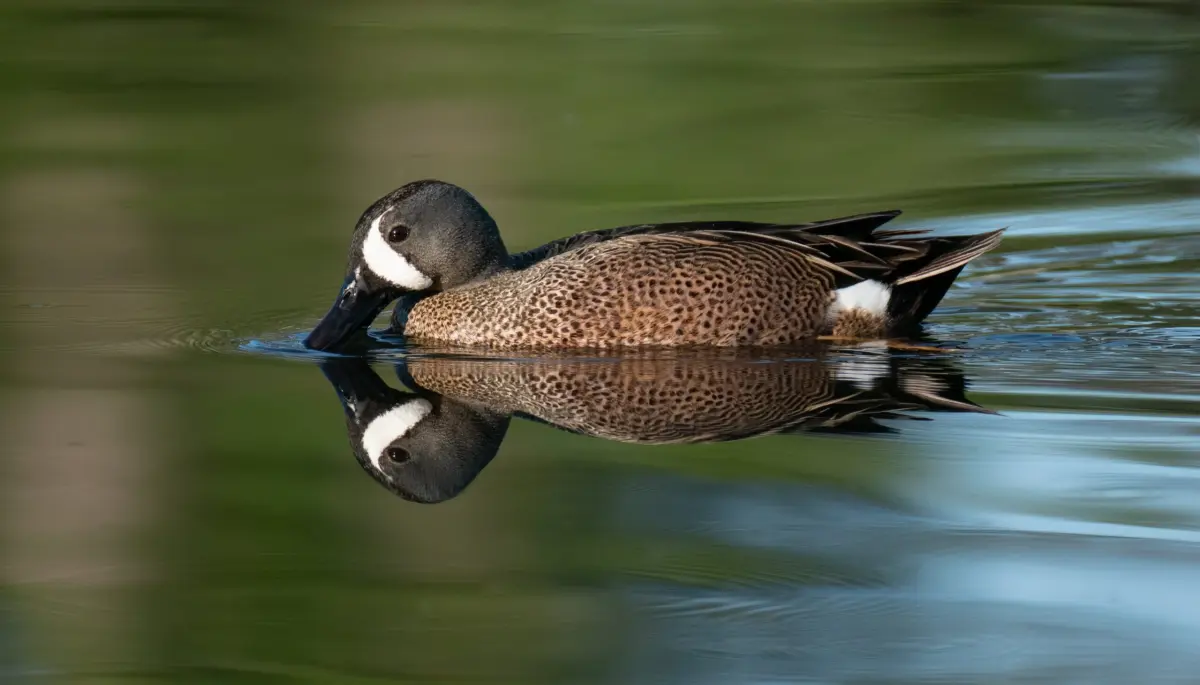
- The Vanguard: Early migrants—such as waterfowl like the Northern Pintail and Blue-winged Teal—test the warming air, pushing northward ahead of the pack to secure prime breeding territories.
- The Forest Songsters: By April and May, the river’s floodplain forests erupt in a symphony of sound as neotropical migrants arrive. Species like the brilliant yellow-and-blue Prothonotary Warbler, the delicate Northern Parula, and the flute-like Wood Thrush navigate by the stars and the Earth’s magnetic field, landing in the budding canopy of the Mississippi basin to feed on newly emerged insects.
- The Ecological Significance: During this spring window, the river’s high-water season naturally inundates adjacent floodplains, unlocking a massive cafeteria of aquatic invertebrates, seeds, and plant matter that give exhausted flyers the caloric boost needed to complete the final leg of their journeys.
The Summer Breeding Season (June – August)
By June, the migratory rush subsides into a season of intense domestic labor. The dense thickets, emergent marshes, and undisturbed river islands of the Mississippi basin transform into expansive nurseries. Nests are built, eggs are laid, and hatchlings are reared under the cover of lush summer foliage. This period of high biological productivity is crucial; the survival of the next generation depends entirely on the stability and safety of these specialized river habitats. For local ecologists, summer is a time of intensive monitoring—tracking nesting success, banding fledglings, and assessing the overall health of wetland vegetation before the autumn shift begins.
Fall Migration: The Southward Journey (September – November)
As August bleeds into September, the biological imperative reverses. Shorter days and cooling temperatures signal that the window of abundance is closing. The great southward migration begins—a journey that is often more protracted and perilous than its spring counterpart, as juvenile birds raised over the summer must make the grueling flight for the very first time.
- The Peak: October marks the absolute heart of the fall migration. On World Migratory Bird Day, celebrated this year on October 10, the Mississippi Flyway is thick with avian life. Flocks of raptors, shorebirds, waterfowl, and songbirds descend simultaneously upon the river’s remaining stopover sites.
- The Gathering: Riversides, sandbars, and managed wetlands transform into bustling staging grounds. Birds gorge themselves on high-energy foods—wild rice, smartweed seeds, aquatic macroinvertebrates, and small fish—building up fat reserves that will fuel non-stop nocturnal flights over urban sprawls, agricultural fields, and open water.
Wintering Grounds and Hardship (December – February)
By late November, the vast majority of migratory birds have settled into their winter quarters. While some push all the way to the tropics, a staggering number choose to winter within the southern stretches of the Mississippi River basin and the Gulf Coast. Here, mild winters and coastal marshes provide a stable refuge. However, this period tests the resilience of these populations against winter storms, habitat loss, and diminishing food supplies, setting the stage for the cycle to begin anew when the March warmth returns.
Supporting Context & Metrics: The Anatomy of a Basin in Crisis
The ecological magnificence of the Mississippi Flyway stands in stark contrast to the profound structural alterations that have reshaped its basin over the past two centuries. To appreciate why comprehensive habitat restoration is so urgent, one must examine the hard metrics and historical context that define the modern Mississippi River.
A Vast, Altered Ecosystem
Historically, the Mississippi River was not a single, deep, channeled trench. Instead, it operated as a colossal, living network—a rich mosaic of braided channels, shifting islands, oxbow lakes, sloughs, and sprawling bottomland hardwood forests. Every spring, snowmelt from the Rockies and northern plains would spill over the river’s banks, inundating millions of acres of floodplain. This natural flooding deposited nutrient-rich silt, created shallow nurseries for fish, and cultivated an immensely diverse web of life.
Today, the footprint of human development has dramatically altered this landscape:
- Basin Scale: The Mississippi River basin drains an astonishing 1.2 million square miles, encompassing all or parts of 31 U.S. states and two Canadian provinces. It is the fourth-largest drainage basin in the world.
- Wetland Deficit: Across this vast expanse, millions of acres of historical wetlands and bottomland forests have been lost, drained, or paved over to accommodate agriculture, industrial expansion, and urban growth.
- Engineering and Control: To tame the river for navigation and protect riverside cities, an immense network of dams, locks, levees, and wing dikes was constructed. While these structures successfully fostered economic development and commercial barge traffic, they fundamentally severed the river from its natural floodplain.
The Cost of Disconnection
When a river is locked between high concrete levees, the natural flood pulse is suppressed. Water is rushed down the channel at higher velocities, bypassing the shallow backwaters that act as natural filters and biological incubators.
- Habitat Starvation: Without periodic inundation, floodplain forests fail to regenerate properly, and backwater wetlands silt in or dry out completely.
- Compounded Disasters: This systemic disconnection has not only devastated native flora and fauna—displacing species that rely on shallow water zones—but has also left human communities increasingly vulnerable. Without natural wetlands to absorb, slow down, and store floodwaters, extreme weather events and natural disasters now trigger more severe, destructive flooding than they did historically.
The Avian Stakes: 60 Percent of North America
Despite these profound alterations, the Mississippi Flyway remains an irreplaceable ecological corridor. Approximately 60 percent of all North American migratory bird species rely on the habitats of the Mississippi River basin during their annual migrations.
Consider the sheer breadth of species dependent on this corridor:
- Waterfowl: Iconic game birds and dabbling ducks, including the Northern Pintail and Blue-winged Teal, depend heavily on managed wetlands and shallow agricultural fields left flooded after harvest.
- Neotropical Songbirds: Delicate forest-dwellers like the Prothonotary Warbler, Northern Parula, and Wood Thrush require unbroken tracts of mature bottomland hardwood forest for breeding and stopover refueling.
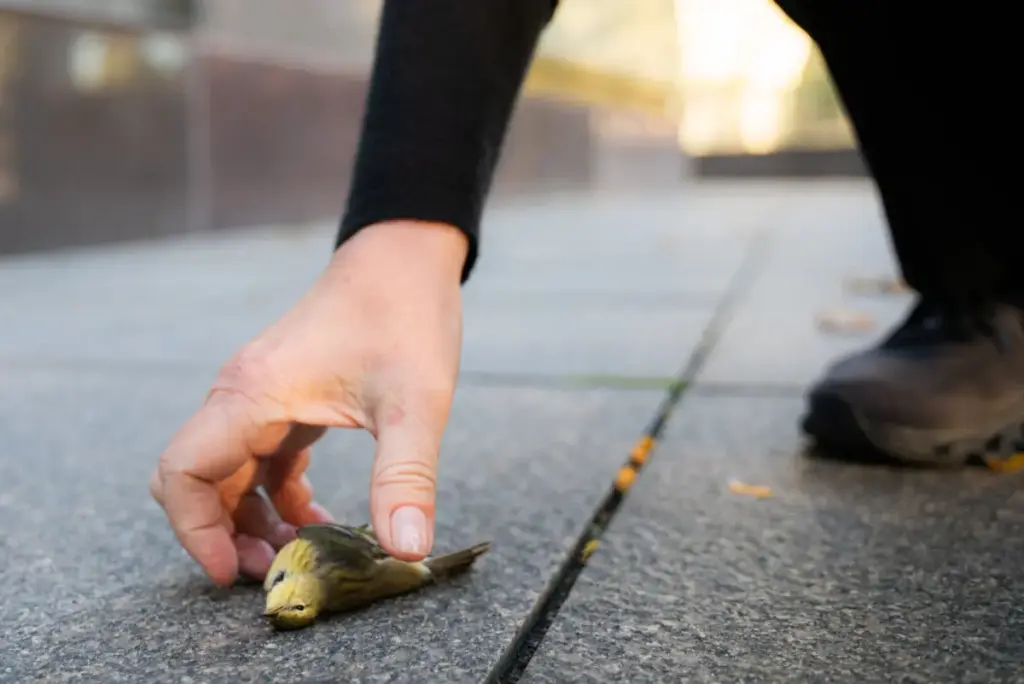
When these birds encounter degraded or missing habitats along the Mississippi, their physiological condition plummets. Exhausted and starved of vital resources, they suffer increased mortality rates, lower reproductive success, and long-term population declines. In this sense, birds act as the proverbial canary in the coal mine: their struggles signal a broader, systemic imbalance within the river basin that ultimately threatens human security as well.
Official Statements & Conservation Vision
Addressing a challenge of this magnitude requires visionary leadership, cross-sector collaboration, and an unwavering commitment to both ecological restoration and human well-being. Organizations like the National Audubon Society are spearheading this charge through targeted regional programs.
The Audubon Vision: Connected Habitats and Resilient Communities
Audubon’s strategic framework for the Mississippi River region is built on a simple yet profound premise: environmental health and human resilience are two sides of the same coin.
"Audubon envisions a healthy and connected network of habitats throughout the Mississippi River region that supports sustainable bird populations and strengthens the resilience of human communities against both human-made and natural threats."
This vision rejects the false dichotomy pitting conservation against human economic survival. Instead, it champions nature-based solutions—such as floodplain reconnection, wetland restoration, and the creation of managed setback levees—that restore the river’s natural capacity to absorb floods, filter pollutants, and buffer communities from severe storms, all while expanding critical habitat for wildlife.
The Human Dimension: Supporting 20 Million Lives
It is impossible to discuss the Mississippi River without centering the human populations that rely on its waters every single day. More than 20 million people draw their drinking water from the Mississippi River basin. Furthermore, the river serves as an economic lifeblood, supporting multi-billion-dollar industries in agriculture, shipping, commercial fishing, and outdoor recreation.
When conservationists work to restore a wetland or reconnect a floodplain, they are not merely carving out a sanctuary for birds; they are actively investing in public infrastructure. Healthy wetlands act as natural water-purification plants, removing nitrates and sediments before water reaches municipal intakes. They also serve as natural sponges that mitigate property damage during catastrophic floods, directly protecting homes, livelihoods, and critical infrastructure for millions of citizens.
Celebrating World Migratory Bird Day
As World Migratory Bird Day approaches on October 10, conservation leaders emphasize that the event is much more than a passive appreciation of wildlife. It is a rallying cry for collective action.
"As we look to WMBD and the long migratory flights of millions of birds in the coming months, Audubon stands ready to celebrate the migratory journey from north to south, marking the transition geographically and seasonally, and reminding us of the importance of flyway habitat like the Mississippi River."
Across the flyway, local chapters, community groups, and conservation scientists are using the occasion to host educational workshops, habitat cleanups, bird-banding demonstrations, and policy forums. These grassroots efforts amplify community voices, ensuring that local residents are not just passive observers of conservation policy, but active architects of their region’s ecological future.
Future Outlook: A Collaborative Road Map for the Mississippi Flyway
Looking ahead, the long-term health of the Mississippi Flyway hangs in the balance. Climate change promises to introduce new volatility, bringing more frequent and intense storms, prolonged droughts, and unpredictable temperature shifts that can throw ancient migration cues out of sync. To secure a thriving future for both birds and people, conservation strategies must evolve, scale up, and embrace a unified, basin-wide approach.
1. Scaling Nature-Based Infrastructure
Traditional "gray infrastructure"—massive concrete seawalls, rigid levees, and channelized streambeds—has proven increasingly expensive and vulnerable to extreme weather. The future of river management lies in integrating green infrastructure with existing engineering. By strategically setting back levees, breaching obsolete dikes, and allowing rivers to reclaim portions of their historic floodplains, water managers can create expansive natural storage basins. These projects alleviate flood pressure on downstream cities while instantly creating thousands of acres of prime wetland habitat for migratory birds.
2. Cross-Boundary and Inter-Agency Collaboration
Because the Mississippi River basin spans a mosaic of federal, state, tribal, and private lands, fragmented management has historically hindered large-scale restoration. The path forward demands unprecedented cooperation across jurisdictional boundaries. Federal agencies like the U.S. Army Corps of Engineers and the U.S. Fish and Wildlife Service must partner closely with state departments of natural resources, agricultural coalitions, indigenous nations, and environmental non-profits. Coordinated investments through federal bills, farm bill conservation programs, and private philanthropic initiatives must be directed toward high-priority bottleneck zones along the flyway.
3. Uplifting Local Communities and Environmental Justice
True conservation cannot be imposed from the top down. Historically, marginalized communities along the lower Mississippi River have borne the brunt of industrial pollution, wetland loss, and inadequate flood protection. Future restoration initiatives must prioritize equity, ensuring that frontline communities are empowered as decision-makers. By uplifting local voices and integrating traditional ecological knowledge with modern science, conservation projects can deliver equitable benefits—protecting vulnerable neighborhoods while restoring the natural environment.
4. Long-Term Monitoring and Adaptive Management
As environmental conditions shift, conservationists must remain agile. Continuous monitoring of migratory bird populations—through initiatives like Audubon’s community science programs, bird banding networks, and satellite telemetry tracking—provides real-time data on how species are responding to habitat restoration efforts. This feedback loop allows scientists and policymakers to adapt their strategies, fine-tuning water management practices and land acquisition priorities to maximize ecological yield.
Conclusion: A Shared Horizon
The journey of the migratory bird is a powerful metaphor for endurance, adaptability, and interconnectedness. Every autumn, as flocks of Northern Pintails, Blue-winged Teals, Prothonotary Warblers, and Wood Thrushes trace their ancient routes down the Mississippi Flyway, they cross state lines, national borders, and cultural divides without a second thought. They remind us that the landscapes sustaining them—and us—are part of a single, indivisible whole.
By committing to the restoration of our wetlands, backwaters, and river floodplains, we do more than secure a safe passage for 350 species of birds. We build a robust, resilient future for the 20 million people who call the Mississippi basin home. This World Migratory Bird Day, as we look up to witness the great southward migration, let us heed the message written in the skies: in protecting the river, we protect ourselves.