
Executive Overview
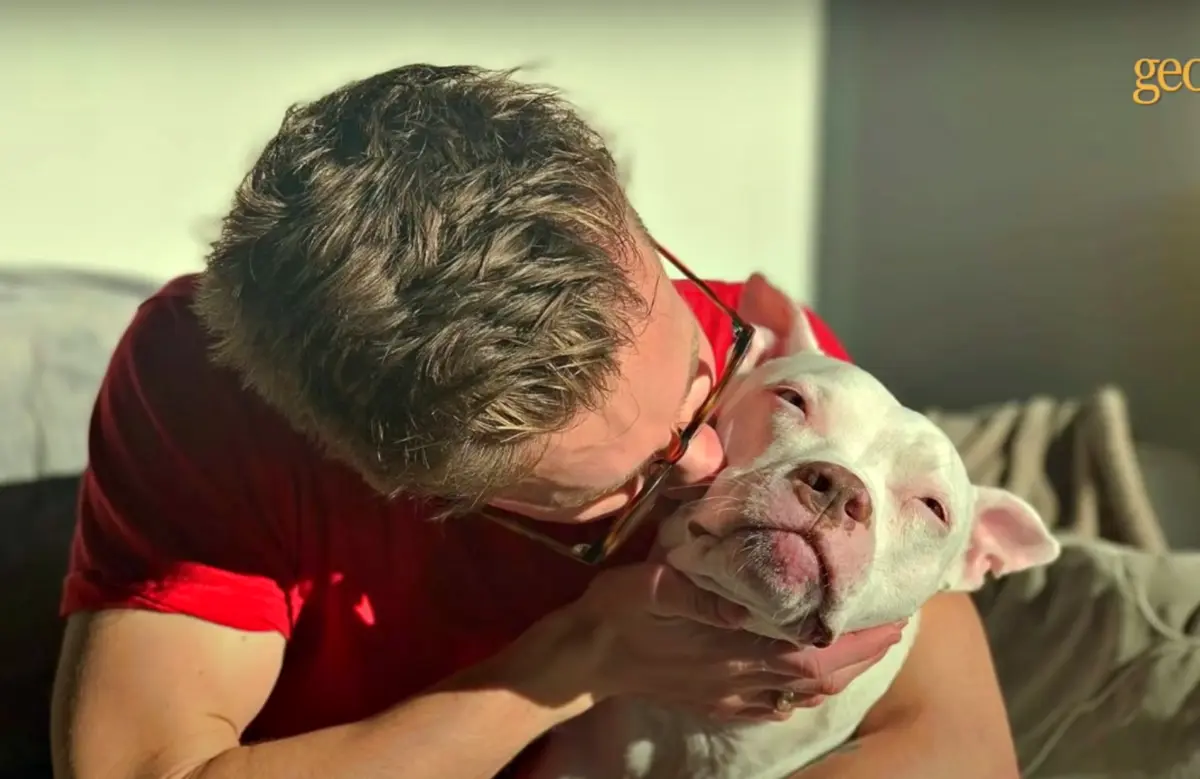
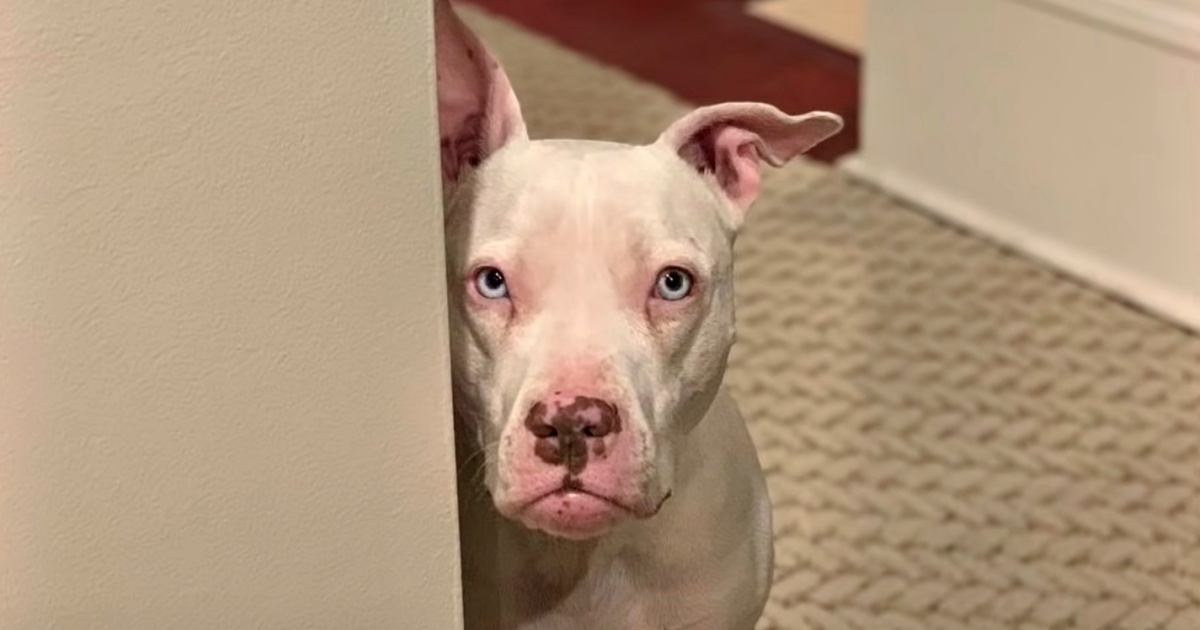
In the animal welfare ecosystem, pets with physical disabilities consistently face the most severe adoption hurdles. When sensory impairments intersect with breed-based housing restrictions, the likelihood of a shelter dog finding a permanent home drops exponentially. This systemic crisis was illustrated by the case of Blu, a six-year-old deaf Pit Bull who spent months unnoticed in a San Francisco shelter after being surrendered due to restrictive housing policies.
Blu’s story took a transformative turn when Mark and Sean—a couple with extensive experience managing hearing-impaired canines—discovered her case. Blu became the fourth deaf dog welcomed into their care, bringing an end to her prolonged isolation at Family Dog Rescue.
This case highlights the broader intersectional issues within animal rescue: the impact of rental housing policies on pet retention, the lingering stigma surrounding disabled animals, and the critical role of specialized adopters in mitigating shelter mortality rates.
+-----------------------------------------------------------------------------------+
|                            KEY CASE HIGHLIGHTS                                    |
+--------------------------+--------------------------------------------------------+
| Subject Dog              | Blu (Deaf, 6-year-old Pit Bull mix)                    |
| Rescuing Organization    | Family Dog Rescue (San Francisco, CA)                  |
| Primary Surrender Cause  | Housing restrictions (Property sale & rental BSL)      |
| Length of Shelter Stay   | Multiple months without a single adoption inquiry      |
| Adopter Profile          | Mark & Sean (Experienced in deaf dog management)       |
| Key Operational Takeaway | Need for landlord policy reform & special-needs advocacy|
+--------------------------+--------------------------------------------------------+
Detailed Chronology: From Surrender to Sanctuary
Phase I: Six Years of Stability and Unforeseen Disruption
For the first six years of her life, Blu lived in a stable household where her loss of hearing was managed with care. However, her life was upended due to real estate market pressures and corporate housing regulations.
When her original owners were forced to sell their home, they faced a tight rental market dominated by strict breed-specific restrictions. Unable to secure an apartment that permitted Pit Bull-type dogs, the family was forced to make the painful decision to relinquish Blu to a local rescue group.
[6 Years in Family Home]
       │
       ▼
[Property Sale & Relocation] ──► [Rental Breed Restrictions (No Pit Bulls)]
       │
       ▼
[Forced Relinquishment] ──► [Entry into Family Dog Rescue (San Francisco)]
Phase II: Months in Solitude at Family Dog Rescue
Following her surrender, Blu was placed under the care of Family Dog Rescue in San Francisco. Despite the facility’s efforts to promote her, Blu experienced a prolonged period of inactivity on the adoption floor.
Shelter staff noted that for months, Blu did not receive a single inquiry or visitor. Her visual impairment to human speech, combined with public misperceptions regarding both deaf dogs and Pit Bull breeds, left her effectively invisible to prospective adopters.
Phase III: The Intervention of Specialized Adopters
Blu’s trajectory changed when Mark and Sean encountered her profile online. Having previously adopted and rehabilitated three deaf dogs, the couple recognized the unique communication framework required to care for a hearing-impaired animal.
Upon learning that Blu was sitting isolated in a shelter without prospective suitors, Mark and Sean traveled to the San Francisco facility to conduct an in-person assessment.
[Online Profile Discovery] ──► [Mark & Sean Review Case History]
                                            │
                                            ▼
[San Francisco Meeting] ◄─── [Travel to Family Dog Rescue]
       │
       ▼
[Behavioral Assessment] ──► [Successful Match & Adoption Finalization]
Phase IV: Rehabilitation, Trust, and Home Integration
When Blu met Mark and Sean, facility staff observed an immediate shift in her demeanor. Despite the stress of prolonged shelter confinement, Blu demonstrated high engagement and responsiveness to touch and visual cues.

Following the formal adoption, Blu was relocated to Mark and Sean’s home. The transition required systematic behavioral management to address separation anxiety stemming from her prior surrender. Through positive reinforcement, visual sign language, and consistent daily routines, Blu successfully acclimated to her new environment, completing her transition from shelter resident to a cherished family member.
Supporting Context & Metrics: The Intersection of Housing, BSL, and Special-Needs Adoptions
Blu’s initial surrender and long shelter stay highlight broader statistical trends across the American animal shelter system.
Housing Constraints as a Primary Driver of Surrender
According to data from animal welfare organizations, housing-related issues remain one of the leading reasons for pet surrender nationwide.
REASONS FOR PET SURRENDER TO NATIONWIDE SHELTERS
===================================================
Housing & Rental Restrictions  │ ████████████████████ 36%
Financial Inability            │ ██████████████ 24%
Owner Health / Life Change     │ ██████████ 18%
Behavioral Unpreparedness      │ ████████ 14%
Other / Unspecified            │ ████ 8%
===================================================- Breed-Specific Restrictions: Landlord-imposed policies banning specific breeds (most commonly Pit Bull-type dogs, Rottweilers, and Dobermans) account for a significant portion of forced relinquishments.
- Lack of Pet-Inclusive Housing: Many rental markets lack affordable, pet-friendly options, leaving families with few alternatives when forced to move.
The Special-Needs Shelter Crisis
Animals with sensory disabilities face distinct challenges within municipal and non-profit shelter systems:
- Extended Length of Stay: Special-needs animals typically remain in shelter systems 2 to 3 times longer than non-disabled pets.
- Euthanasia Vulnerability: In open-intake municipal facilities operating at or above capacity, disabled animals disproportionately face euthanasia due to perceived low adoptability and specialized resource demands.
- Communication Gaps: Standard shelter environments are not built for non-auditory communication, leading to heightened stress, withdrawal, or reactivity in deaf or blind animals.
Quantitative Impact of National Rescue Initiatives
The broader ecosystem supporting rescues like Family Dog Rescue relies heavily on funded support networks, medical logistics, and adoption campaigns.

+-------------------------------------------------------------------------------+
|             NATIONAL ANIMAL WELFARE SUPPORT METRICS (iHeartDogs Data)         |
+-----------------------------------------+-------------------------------------+
| Program Metric                          | Value / Volume Impact               |
+-----------------------------------------+-------------------------------------+
| Shelter Meals Distributed Nationally     | 50,000,000+ Meals                   |
| At-Risk Animal Relocation Flights       | 1,201 Dogs Transported              |
| Domestic Violence Pet Housing Grants    | $66,782 Direct Funding              |
| Veteran Service Dog Matching Grants     | $1,881,595 Direct Funding           |
+-----------------------------------------+-------------------------------------+
Official Statements & Expert Perspectives
Shelter Administration Perspective
Representatives from Family Dog Rescue underscored the systemic barriers that delayed Blu’s adoption, noting that public misperceptions often prevent capable adopters from considering special-needs animals.
"When a dog is tagged as both a Pit Bull mix and special-needs, their statistical chance of adoption plunges," stated a shelter adoption coordinator. "Blu sat in our facility without a single prospective visitor for months. Her eventual match with Mark and Sean illustrates why specialized experience and open-mindedness are essential to clear shelters of long-term residents."
Adopter Methodology: Managing Hearing-Impaired Canines
Mark and Sean offered insights into their specialized care framework, highlighting that deaf dogs are fully capable of learning complex training systems through visual cues.
+-------------------------------------------------------------------------------+
|                       DEAF CANINE MANAGEMENT FRAMEWORK                        |
+-----------------------+-------------------------------------------------------+
| Training Dimension    | Operational Protocol                                  |
+-----------------------+-------------------------------------------------------+
| Primary Communication | Hand signals & visual body language cues              |
| Attention Prompts     | Gentle touch conditioning & ground vibration cues     |
| Spatial Awareness     | Nighttime light signals (e.g., flashlight cues)       |
| Decompression Strategy| Strict daily routines & gradual alone-time exposure    |
+-----------------------+-------------------------------------------------------+
"Deaf dogs adapt remarkably well once you establish a clear, visual language," Mark explained. "People often assume that living with a deaf dog is exceptionally difficult, but they listen with their eyes and feel with their hearts. The primary obstacle isn’t the dog’s disability—it’s helping them rebuild trust after experiencing abandonment."
Future Outlook: Advancing Advocacy for Special-Needs Animals
Blu’s successful integration into her new home offers a roadmap for improving outcomes for similar shelter animals. Addressing the root causes of forced shelter surrenders and low adoptability rates requires policy reforms and public education:

1. Housing Policy Reform
- Legislative Action on BSL: Advocacy groups continue to push for state-level bans on breed-specific housing restrictions, urging property management firms to evaluate animals on an individual behavioral basis rather than breed labels.
- Expansion of Pet-Inclusive Units: Incentivizing developers to build pet-inclusive housing can significantly reduce surrender rates driven by real estate movements.
2. Specialized Foster and Adoption Networks
- Targeted Training Programs: Shelter systems are increasingly partnering with specialized trainers to equip staff and foster families with hand-signal methodology, improving the adoptability of sensory-impaired dogs.
- Focused Matchmaking: Enhancing digital adoption profiling to reach experienced handlers—such as Mark and Sean—ensures high-needs animals are matched efficiently, reducing overall length-of-stay metrics.
Blu’s journey demonstrates that with educated adopters and systemic support, even the most overlooked shelter animals can transition into thriving, long-term companions.