
Executive Overview
Canine osteoarthritis (OA) is one of the most prevalent chronic inflammatory conditions in veterinary medicine, affecting an estimated 20% to 25% of the canine population over their lifespan. Characterized by the progressive degradation of articular cartilage, osteophyte formation, and subchondral bone remodeling, this debilitating condition leads to chronic pain, reduced mobility, and a severely compromised quality of life. While pharmacological interventions—such as non-steroidal anti-inflammatory drugs (NSAIDs) and monoclonal antibody therapies—remain cornerstones of clinical management, non-pharmacological environmental modifications are increasingly recognized by veterinary orthopedists as vital components of a multimodal treatment plan.
Among these environmental interventions, the selection of an appropriate therapeutic sleep surface is paramount. During recumbency, a dog’s joints are subjected to concentrated pressure points against hard surfaces, which can exacerbate joint inflammation, stiffness, and pain. True orthopedic dog beds utilize advanced material science—specifically high-density polyurethane and memory foams—to distribute body weight evenly, reduce shear forces on bony prominences, and facilitate effortless transitions from lying to standing.
This investigative report provides an exhaustive, clinically oriented evaluation of the leading orthopedic dog beds currently available on the market. By analyzing material composition, density metrics, structural integrity, and ergonomic design, this guide aims to equip veterinary professionals and dedicated pet guardians with the objective data required to make scientifically sound decisions for arthritic dogs.

Detailed Chronology: The Evolution of Therapeutic Sleep Systems
To understand the current state of canine orthopedics, it is essential to trace the market’s transition from simple, fiber-filled cushions to engineered, medical-grade sleep systems. Below is a detailed, analytical breakdown of the premier therapeutic beds currently leading the industry, evaluated as case studies in canine ergonomics and materials science.
1. The MIHIKK Orthopedic Egg Crate Foam Sleep System
Designed for targeted pressure-point relief in medium-to-large breeds.
- Material Composition: Features a 3-inch thick, medical-grade egg crate (convoluted) polyurethane foam base. The wave-shaped peaks and valleys of the convoluted foam are engineered to maximize airflow while dynamically conforming to the dog’s anatomical contours.
- Biomechanical Utility: By distributing weight across the tips of the foam waves, this bed minimizes surface tension under the shoulder, hip, and stifle joints. This specific configuration is highly effective at reducing the morning stiffness frequently observed in dogs with mild-to-moderate osteoarthritis.
- Sanitary & Structural Features: Equipped with an ultra-soft, waterproof top layer and a removable, machine-washable cover. A specialized non-slip rubberized bottom prevents lateral shifting when the dog attempts to stand, providing crucial stability for dogs with proprioceptive deficits. Optimized for canines weighing up to 60 lbs.
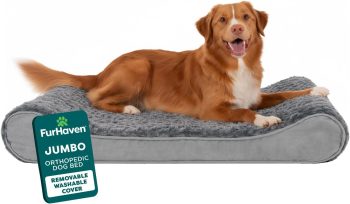
2. The Furhaven Ergonomic Contoured Orthopedic Bed
An advanced, low-profile contour design tailored for large-breed skeletal support.

- Material Composition: Utilizes a solid, high-density orthopedic foam slab carved into an ergonomic, sloping contoured form factor.
- Biomechanical Utility: The recessed center cradle naturally aligns the canine spine, while the gently sloping elevated ends act as built-in bolsters. This design allows the dog to rest its cervical spine or hips in a slightly elevated position, reducing tension on the dorsal muscles and spinal column.
- Sanitary & Structural Features: The primary sleeping surface is lined with plush, curly faux fur over a durable zippered cover. Due to its low entry point, this bed is highly recommended for dogs with severe hind-limb weakness or hip dysplasia who struggle to step onto thicker mattresses. Rated for dogs up to 75 lbs.
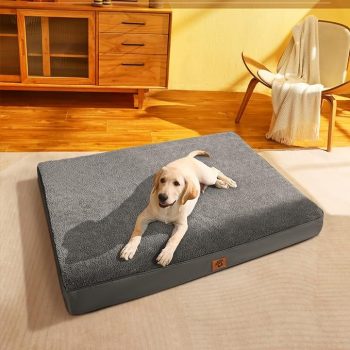
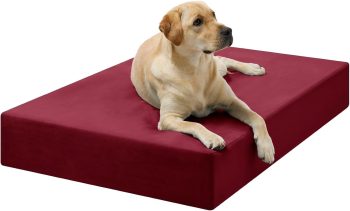
3. The Baauye Ultra-Density Orthopedic Mattress
A heavy-duty, high-loft solution designed for maximum joint suspension.
- Material Composition: Constructed from a solid 4-inch block of high-density orthopedic polyurethane foam. Unlike convoluted foams, this solid block design maximizes load-bearing capacity.
- Biomechanical Utility: The 4-inch depth ensures that heavy, large-breed dogs do not "bottom out" (touch the hard floor beneath the bed), which is a common failure point of inferior therapeutic beds. The uniform resistance of the solid slab provides a stable, unyielding platform that assists dogs with significant musculoskeletal weakness in pushing themselves upward.
- Sanitary & Structural Features: Features a fully removable, machine-washable cover designed to withstand repeated laundering. Its minimalist, flat-mattress aesthetic makes it highly versatile for use in crates, vehicles, or open living spaces.
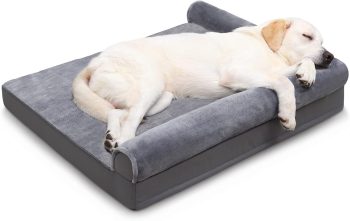
4. The KSIIA Bolstered Orthopedic Flannel Bed
A hybrid bolster design optimizing thermal retention and cranial support.
- Material Composition: Features a 3-inch thick, high-density egg crate foam base paired with a plush flannel bolster ring filled with high-loft fiber.
- Biomechanical Utility: The combination of a pressure-relieving base and supportive perimeter bolsters caters to dogs that exhibit "curled" or "side-sleeping" behaviors. The bolster provides a secure surface for the dog to lean its back or neck against, which can help alleviate anxiety and chronic spinal discomfort.
- Sanitary & Structural Features: Incorporates a robust waterproof inner liner that protects the core foam from urinary incontinence or wet coats. The exterior flannel cover is removable and machine-washable, and the base features non-skid friction dots. Suitable for dogs up to 55 lbs.
5. The Big Barker Sleek 7-Inch Orthopedic Sofa Bed
The gold standard in giant-breed orthopedics, clinically proven to reduce joint pain.
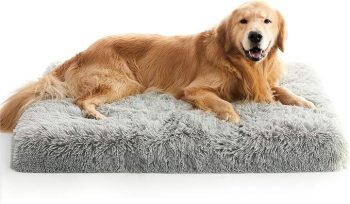
- Material Composition: A massive 7-inch triple-layer foam construction, utilizing a combination of high-resilience therapeutic foam and supportive comfort foam.
- Biomechanical Utility: Specifically engineered for giant breeds (Great Danes, Mastiffs, Saint Bernards) whose extreme weight easily compresses standard dog beds. The 7-inch loft provides unparalleled suspension, virtually eliminating gravitational stress on arthritic joints. Clinical studies have demonstrated that the Big Barker bed significantly improves joint mobility and reduces pain in large dogs.
- Sanitary & Structural Features: Wrapped in a premium, furniture-grade microsuede cover that is highly resistant to tearing, digging, and odors. Equipped with a heavy-duty zipper for easy removal and washing.
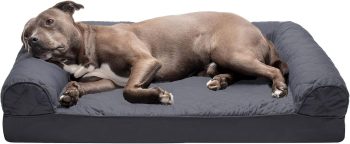
6. The Furhaven Classic Sofa-Style CertiPUR-US Bed
A highly accessible, certified non-toxic sofa-style therapeutic bed.
- Material Composition: Features an egg crate orthopedic foam base certified through the CertiPUR-US program, ensuring the foam is free from heavy metals, formaldehyde, and ozone depleters.
- Biomechanical Utility: The classic three-sided bolster design mimics a human sofa, providing a secure nesting environment. The low-profile front entry allows dogs with limited step-height capability to enter the bed without lifting their limbs excessively, preventing acute pain episodes.
- Sanitary & Structural Features: The sleeping surface is covered in a soft, quilted polyester fabric that is gentle on sensitive, calloused skin (common over the elbows of arthritic dogs). Designed for dogs up to 55 lbs.
7. The Comfort Expression 28D High-Density Waterproof Bed
An extra-large, high-density foam system featuring an integrated neck-support bolster.
- Material Composition: Utilizes a highly durable 28D (density grade) egg-crate sponge, coupled with soft, shredded-foam armrests.
- Biomechanical Utility: The 28D foam specification denotes a medical-grade density that provides superior elastic rebound compared to standard retail foams. The four-sided wrapping design provides a sense of security while offering continuous support for the head, neck, and muzzle, reducing cervical muscle strain.
- Sanitary & Structural Features: Fully waterproof inner barrier with a non-slip, high-friction base fabric. Ideal for senior dogs prone to occasional incontinence.
8. The BFPETHOME Calming Rose-Pattern Orthopedic Bed
A sensory-soothing, U-shaped orthopedic bed for medium-to-large canines.

- Material Composition: A 3-inch high-density egg crate foam base topped with a high-pile, rose-patterned plush fabric.
- Biomechanical Utility: The U-shaped configuration features a continuous bolster along three sides, leaving the front completely open. This design facilitates easy entry while providing a firm, supportive wall for dogs that prefer to sleep in a sternal position with their chin propped up.
- Sanitary & Structural Features: The aesthetic rose-pattern fabric is designed to trap warmth, which is highly beneficial for arthritic joints that stiffen in cold environments. Features a machine-washable cover and a non-slip bottom. Rated for dogs up to 50 lbs.
9. The Bedsure Dual-Layer Gel Memory Foam Bed
A highly advanced, temperature-regulating therapeutic mattress.
- Material Composition: Features a dual-layer system consisting of a high-density support foam base topped with a layer of pressure-relieving, gel-infused memory foam.
- Biomechanical Utility: Memory foam contours precisely to the dog’s body heat and weight, providing customized pressure relief. The integration of cooling gel beads prevents the heat retention typically associated with standard memory foam, which can cause discomfort and restlessness in double-coated breeds.
- Sanitary & Structural Features: Includes a fully waterproof internal liner and a removable, quilted cover designed for optimal breathability. The low-profile, flat-mattress design is ideal for dogs up to 75 lbs who prefer to sleep fully stretched out.
+---------------------------------------------------------------------------------------+
|                              THERAPEUTIC BED MATRIX                                   |
+-------------------------------------+--------------------+----------------------------+
| Brand & Model                       | Core Foam Depth    | Primary Ergonomic Benefit  |
+-------------------------------------+--------------------+----------------------------+
| Big Barker Sleek Orthopedic         | 7 Inches (Solid)   | Giant-breed suspension     |
| Baauye Orthopedic Mattress          | 4 Inches (Solid)   | Prevents bottoming-out     |
| Bedsure Gel Memory Foam             | Dual-Layer Gel     | Thermal regulation         |
| Comfort Expression 28D              | 28D Convoluted     | High elastic rebound       |
| MIHIKK Egg Crate Foam               | 3 Inches (Convoluted)| Airflow & weight distrib. |
| Furhaven Contoured                  | Contoured Solid    | Spinal alignment           |
| KSIIA Bolstered                     | 3 Inches + Bolster | Cervical support           |
| Furhaven Classic Sofa               | Convoluted         | Low-impact entry           |
| BFPETHOME Rose-Pattern              | 3 Inches + Bolster | Thermal retention          |
+-------------------------------------+--------------------+----------------------------+
Supporting Context & Metrics: The Science of Canine Recumbency
To appreciate the necessity of high-density orthopedic surfaces, one must examine the physical forces at play during canine sleep.
When a dog lies down on a standard polyester-fiber or cedar-shaved bed, the filling shifts away from the areas of greatest pressure—specifically the humeral joint (shoulder), the cubital joint (elbow), the coxofemoral joint (hip), and the femorotibial joint (stifle/knee). This shifting causes the dog’s bony prominences to make direct contact with the hard floor beneath.
   GRAVITATIONAL FORCE (DOWNWARD)
             │
             ▼
   ┌───────────────────┐  ◄─── Canine Body Mass
   │   Joint/Bone      │
   └─────────┬─────────┘
             │  Pressure Concentration
             ▼
   ░░░░░░░░░░░░░░░░░░░░░  ◄─── Compression of Low-Quality Foam / Fiber
   ──────────┬──────────
             │  Impact Force
             ▼
   =====================  ◄─── Hard Subfloor (Causes joint inflammation)
In contrast, high-density polyurethane and memory foams operate on the principle of viscoelasticity and high compressive load deflection. When force is applied, the foam cells deform, absorbing the energy and distributing the load across a much wider surface area.
   GRAVITATIONAL FORCE (DOWNWARD)
             │
             ▼
   ┌───────────────────┐  ◄─── Canine Body Mass
   │   Joint/Bone      │
   └─────────┬─────────┘
        ▲    │    ▲
        │    ▼    │  Even Distribution of Reactive Force
   ┌────┴─────────┴────┐
   │  Viscoelastic /   │  ◄─── Orthopedic Foam (No bottoming-out)
   │  High-Density Foam│
   └───────────────────┘
   =====================  ◄─── Hard Subfloor (Fully insulated from joint)
Key Metrics to Evaluate:
- Foam Density: Measured in pounds per cubic foot (PCF) or Density (D) grades (e.g., 28D). Higher density indicates more raw polymer and less air in the foam, resulting in superior durability and support over time. Cheap dog beds typically use foam with a density of less than 1.5 PCF, which degrades and flattens within months. Medical-grade canine beds should utilize foams with a density of 1.8 PCF to 3.0 PCF.
- Deflection and Indentation Load Deflection (ILD): This metric measures the hardness of the foam. An ideal orthopedic bed must strike a balance: too soft, and the dog bottoms out; too firm, and the bed fails to relieve pressure points.
- Thermal Regulation: Arthritic joints are highly sensitive to barometric and temperature changes. Cold environments can increase synovial fluid viscosity, leading to stiffer joints. Conversely, excessive heat retention can cause panting and sleep disruption. Advanced beds utilize gel-infused foams or open-cell convoluted structures to maintain a neutral microclimate.
Official Statements & Veterinary Guidelines
Leading veterinary associations and orthopedic specialists emphasize that environmental modifications are non-negotiable when treating canine osteoarthritis.
The American Veterinary Medical Association (AVMA) highlights that weight management, moderate low-impact exercise, and comfortable, supportive bedding are vital components of managing osteoarthritis in pets.
Dr. Sarah Janssen, DVM, DACVS-SA (Board Certified Veterinary Surgeon), notes:
"We cannot underestimate the clinical impact of sleep surface biomechanics on the arthritic canine patient. A dog suffering from osteoarthritis spends up to 16 hours a day lying down. If that dog is resting on a surface that allows its joints to compress directly against a hard floor, we are actively fighting against our pharmacological pain management protocols. High-density, orthopedic foam beds that support the skeletal structure without bottoming out are essential for reducing chronic inflammatory flare-ups."
Furthermore, independent clinical trials conducted on specialized orthopedic beds, such as the Big Barker, have demonstrated statistically significant reductions in joint pain, stiffness, and overall severity of osteoarthritis symptoms, alongside notable improvements in joint function and gait symmetry.
Future Outlook: Innovations in Pet Orthopedics
The field of pet orthopedics is undergoing a technological revolution, driven by advancements in human sleep science and veterinary diagnostics.
1. Smart Sensor Integration
The next generation of orthopedic dog beds will feature integrated sensor arrays. These thin, flexible piezoelectric sensors embedded within the foam layers will monitor a dog’s respiratory rate, heart rate, and sleep-state transitions. More importantly, pressure-mapping sensors will track changes in weight distribution over time, alerting veterinarians to early-stage lameness or joint degradation before clinical symptoms become visible to the naked eye.
2. Biomimetic and Phase-Change Materials
Future therapeutic beds will increasingly utilize phase-change materials (PCMs) that actively absorb, store, and release heat to maintain a constant, therapeutically optimal temperature. Additionally, biomimetic foam structures designed to mimic the natural shock-absorbing qualities of trabecular bone are currently in development, promising even greater pressure relief and structural longevity.
3. Sustainability and Non-Toxic Chemistry
As consumers become more environmentally conscious, the demand for eco-friendly orthopedic beds is skyrocketing. We are seeing a shift toward plant-based polyols (derived from soy or castor oil) to replace petroleum-based components in polyurethane foam production. This transition, combined with strict non-toxic certifications like CertiPUR-US and OEKO-TEX, ensures that therapeutic sleep surfaces are safe for both vulnerable senior pets and the planet.
Frequently Asked Questions
What is the difference between memory foam and standard egg crate foam?
Memory foam (viscoelastic foam) contours dynamically to the dog’s body shape using body heat and pressure, providing highly customized pressure relief. Egg crate (convoluted) foam utilizes a wave-like pattern to distribute weight, promote airflow, and reduce heat retention. While memory foam is generally superior for deep pressure relief, egg crate foam is highly effective for temperature regulation and is often more budget-friendly.
How do I know if my dog’s bed has "bottomed out"?
To test for bottoming out, apply firm pressure with your fist or knee to the heaviest part of the bed. If you can feel the hard floor underneath the foam, the bed lacks the density or thickness required to support your dog’s weight. For an arthritic dog, this means their joints are making contact with the floor, rendering the bed therapeutically ineffective.
Are heated beds safe for dogs with arthritis?
Heated beds can be highly beneficial, as warmth increases local blood flow and relaxes stiff muscles. However, they must be used with caution. Dogs with limited mobility may not be able to move away from the heat source if it becomes too hot, risking thermal burns. Low-voltage, pressure-activated heated beds or self-warming thermal-reflective materials are generally the safest options. Always consult your veterinarian before introducing an electric heating element.
How often should an orthopedic dog bed be replaced?
A high-quality orthopedic bed constructed from high-density polyurethane foam can maintain its structural integrity for 5 to 10 years. In contrast, cheap polyester-fiber or low-density foam beds often need replacement every 6 to 12 months. If you notice permanent indentations, sagging, or a lack of rebound in the foam, it is time to replace the bed.
Where is the best place to position an arthritic dog’s bed?
The bed should be placed in a warm, quiet, draft-free area of the home, away from cold exterior doors or air conditioning vents. It must be easily accessible, meaning the dog should not have to navigate stairs, slippery hardwood floors, or narrow passages to reach it. Placing a non-slip rug under and around the bed can provide additional traction as the dog transitions from lying to standing.