
Executive Overview
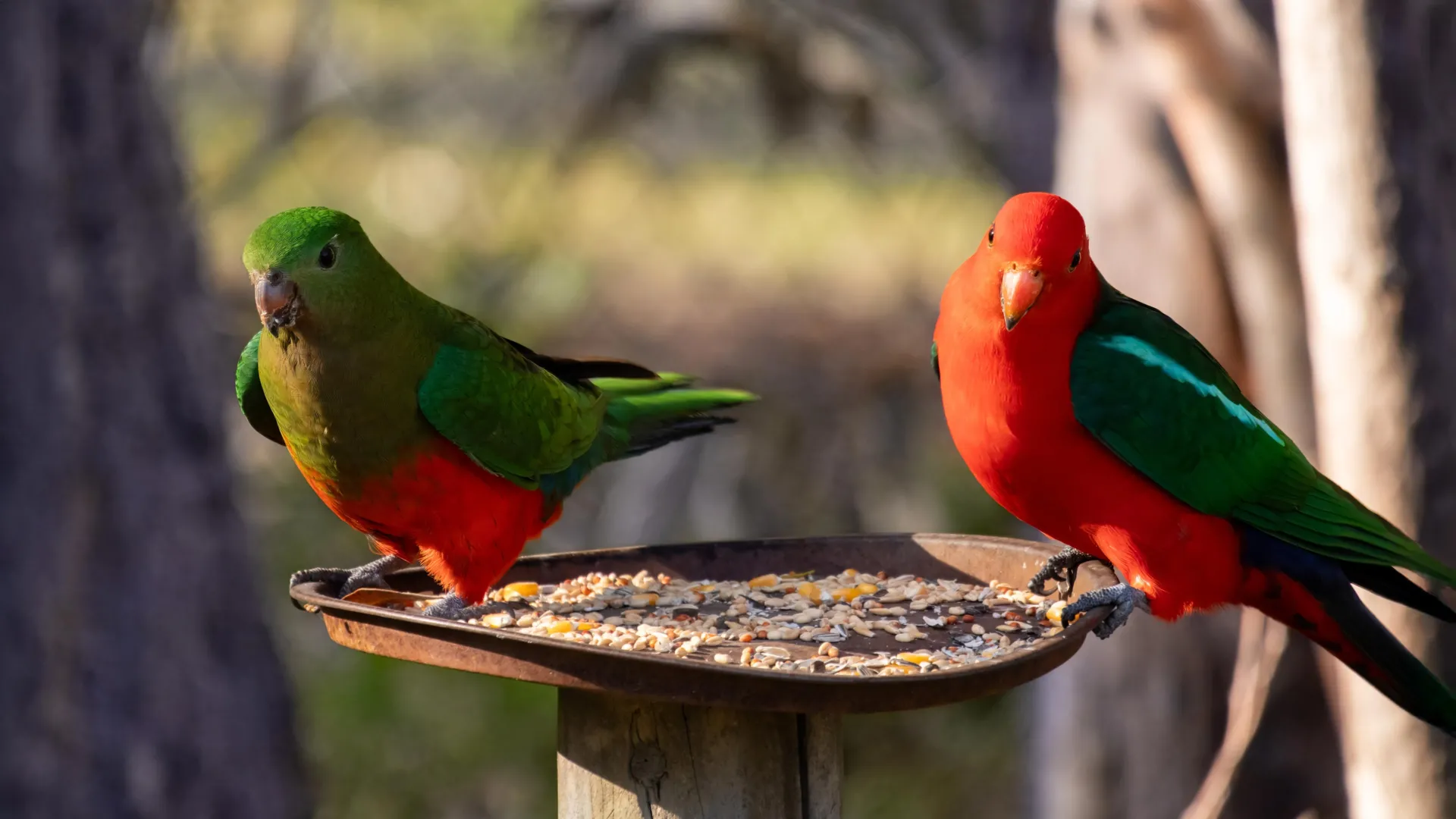
Backyard bird feeding is deeply embedded in the cultural fabric of modern Australia. Recent demographic and ecological research reveals that approximately half of all Australian households routinely provide supplementary food to wild birds, with a significant percentage doing so on a daily basis. For millions of citizens, sprinkling seeds, scattering grains, or leaving out meat scraps on back decks is a cherished daily ritual—a peaceful, harmonious interaction with nature that fosters a profound sense of connection to the country’s unique avian wildlife.
However, this benign domestic habit is facing a rigorous and urgent reassessment from conservation biologists, epidemiologists, and biosecurity experts. As the highly pathogenic H5N1 strain of avian influenza infiltrates the Australian continent, backyard feeding stations are increasingly recognized as potential "super-spreader" events. These human-made congregations artificially aggregate diverse species in unnaturally high densities, creating high-risk transmission hotspots.
The stakes could not be higher. H5N1 has already demonstrated a catastrophic capacity to decimate wild bird and mammalian populations across the globe. Its recent arrival in Australia—highlighted by mass mortality events involving over a thousand crested terns and the historic first detection in a mainland mammal, a long-nosed fur seal—signals the onset of a profound ecological crisis. If unchecked, the casual practice of backyard feeding could accelerate the spread of the virus, push critically endangered species like the orange-bellied parrot to the brink of permanent extinction, and create unnecessary exposure pathways for domestic animals and humans. This report investigates the intersection of suburban wildlife feeding and avian influenza, detailing the chronology of the outbreak, examining the epidemiological metrics, outlining official biosecurity directives, and charting the necessary path forward.
Detailed Chronology of the Australian H5N1 Incursion
The arrival of the H5N1 clade 2.3.4.4b virus in the Australian region marks a watershed moment in the nation’s biosecurity history. For decades, Australia’s geographical isolation acted as a formidable natural barrier, shielding its unique endemic wildlife from the devastating waves of highly pathogenic avian influenza (HPAI) that swept through Asia, Europe, the Americas, and Antarctica. That protective isolation has now been breached.
- Late 2024 to Early 2025: Global surveillance networks note the relentless southern migration of H5N1 through sub-Antarctic islands and maritime pathways. Conservation agencies in Australia ramp up passive and active monitoring of migratory shorelines and pelagic bird colonies, recognizing that an incursion is no longer a matter of if, but when.
- Mid-2025: The first localized detections of avian influenza anomalies are flagged in remote northern and offshore territories. While mainland Australia remains temporarily insulated, biosecurity authorities issue preliminary warnings regarding the vulnerability of domestic poultry networks and iconic seabird colonies.
- August 2026 (The Turning Point): The crisis escalates dramatically on the Australian mainland. A catastrophic mass mortality event unfolds along coastal regions, resulting in the verified deaths of more than 1,000 crested terns (Thalasseus bergii). Diagnostic testing confirms the presence of the H5N1 strain.
- Late August 2026: In a grim milestone that shifts the paradigm of the outbreak, a long-nosed fur seal found along the mainland coast tests positive for the virus. This marks the first confirmed H5N1 fatality in an Australian mainland marine mammal, shattering the assumption that the current wave would remain strictly confined to avian species. Scavenger populations, including red foxes, feral cats, and corvids, are swiftly identified as secondary vector risks as they feed on infected carcasses.
- Present Day: The virus is actively circulating within wild populations. Epidemiological focus turns sharply toward human-wildlife interfaces, placing suburban backyards and public parks—where artificial feeding routinely concentrates susceptible animals—under intense scientific scrutiny.
Supporting Context & Metrics: The Science of Suburban Transmission
To understand why backyard bird feeding poses such a severe epidemiological threat during an HPAI outbreak, one must examine the behavioral ecology of urban wildlife and the virology of H5N1.
The Artificial Congregation Dilemma
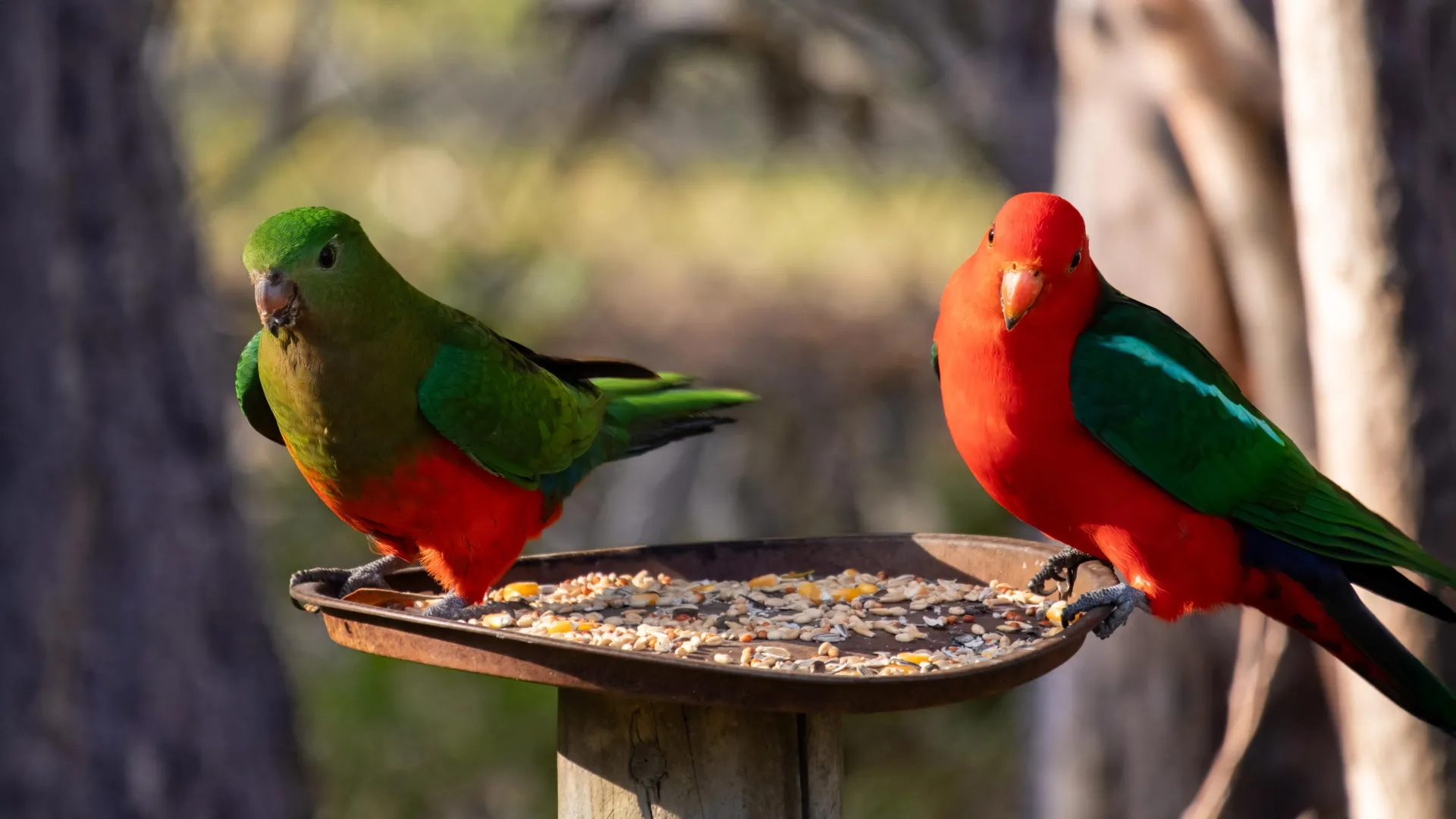
In a natural environment, wild birds are spatially distributed according to resource availability, territorial boundaries, and foraging habits. Species mixing is generally fluid and transient. Backyard feeding stations fundamentally disrupt this natural order. By providing a concentrated, predictable, and abundant source of high-energy food—such as bread, seeds, suet, and meat scraps—these stations act as powerful ecological magnets.
- Species Overlap: Feeders attract high numbers of multiple bird species simultaneously. This creates cross-species contact rates that simply do not occur in nature, facilitating the jump of pathogens from resilient reservoir species to highly susceptible, vulnerable, or endangered taxa.
- Environmental Contamination: Infected birds shed the virus through saliva, nasal secretions, and faeces. When dozens of animals feed from the same platform, ground surface, or hanging container, the feeding site rapidly becomes contaminated with viral loads. Subsequent visitors ingest or inhale the pathogen, perpetuating a local transmission cycle.
- Nutritional Misconceptions vs. Reality: A common justification for backyard feeding is the belief that humans are rescuing starving animals during harsh environmental conditions. However, comprehensive ecological research demonstrates that most birds visiting suburban feeders obtain the vast majority of their daily caloric and nutritional requirements from natural sources, such as native insects, nectar, seeds, and worms. The human-provided food functions primarily as a high-calorie snack rather than an essential survival meal. Consequently, halting or reducing backyard feeding will not starve local bird populations; rather, it will encourage them to disperse back into their natural foraging ranges.
Epidemiological Metrics and Vulnerable Taxa
- 50% Participation: Approximately half of all Australian households engage in some form of wild bird feeding, representing millions of localized contamination points distributed across suburban and peri-urban landscapes.
- The Orange-Bellied Parrot Threat: Australia is home to some of the world’s most precarious avian species. The orange-bellied parrot (Neophema chrysogaster), whose wild migratory population hovers dangerously low, is particularly vulnerable. An introduction of H5N1 via concentrated feeding or shared environmental water sources could easily eradicate remaining wild cohorts.
- Mammalian Spillover: H5N1 is no longer strictly an "avian" flu. Global and domestic data confirm that scavenging mammals—including possums, foxes, rats, and domestic pets—are at high risk of contracting the virus by consuming dead or dying birds found in residential gardens. While human infection remains rare and typically presents with mild respiratory or conjunctival symptoms, the expansion of mammalian vectors increases the overall circulation pool of the virus.
Official Statements and Expert Directives
As the H5N1 crisis unfolds, government bodies, agricultural departments, and conservation councils have mobilized to issue clear, unambiguous guidelines for the public. The consensus among veterinary epidemiologists is that voluntary behavioral modification at the household level is a critical line of defense.
Dr. Eleanor Vance, a senior wildlife epidemiologist specializing in avian pathogens, emphasizes the urgency of shifting public perception:
"For decades, we have encouraged Australians to bond with nature through backyard feeding. Today, that well-intentioned practice carries a profound epidemiological cost. When we artificially pack diverse, potentially infected wildlife onto a back deck or a suburban lawn, we are essentially building a viral incubator. To protect our native biodiversity from H5N1, we must break these artificial congregation networks."
The Biodiversity Council and state departments of primary industries have outlined a structured hierarchy of risk-reduction strategies for citizens who find it difficult to immediately sever their connection to backyard wildlife.
The Expert Protocol for Managing Backyard Risk
If citizens choose to maintain interaction with local wildlife, experts stress that standard practices must be radically transformed to align with biosecurity imperatives:
- Total Cessation (The Gold Standard):
The most effective strategy to mitigate H5N1 transmission in the suburban environment is to stop feeding wild birds altogether. Without artificial food subsidies, birds will naturally disperse across wider territories, drastically reducing local population densities and severing the transmission chains associated with shared feeding stations. - Radical Volume Reduction:
For those unable or unwilling to stop feeding completely, the volume of food provided must be severely curtailed. Minimizing the amount of seed and scraps prevents large flocks from gathering simultaneously. This mirrors the social distancing principles applied during human pandemic responses, keeping individuals physically separated and lowering viral exposure rates. - Strictly No Hand-Feeding:
The intimate practice of allowing wild birds to take food directly from human hands must cease immediately. While human susceptibility to H5N1 remains relatively low, direct physical contact during an active, high-mortality epizootic event introduces unnecessary immunological risks and creates potential vectors for bidirectional pathogen transfer. - Rigorous and Uncompromising Sanitation:
If feeding surfaces, tables, ground trays, or hanging containers are used, they must be subjected to rigorous daily cleaning and disinfection using domestic bleach solutions. Biosecurity authorities are blunt: If you are not prepared to rigorously and consistently sanitize feeding equipment, you should not be feeding wild birds at all. Uncleaned feeders are silent vectors of bacterial, fungal, and viral contagion.
Future Outlook: Navigating the New Ecological Normal
The incursion of H5N1 into mainland Australia represents a permanent shift in the nation’s environmental health landscape. Eradicating a highly pathogenic avian influenza strain once it has established reservoirs in wild migratory bird populations is historically unprecedented; instead, management strategies must pivot toward mitigation, surveillance, and adaptation.
In the coming months and years, public awareness campaigns will likely expand to target suburban and regional communities, reframing wildlife feeding not as an act of kindness, but as a biosecurity vulnerability. Local councils may introduce targeted guidelines or temporary bans on feeding wildlife in public parks and reserves where large concentrations of waterbirds and terrestrial species congregate.
Concurrently, wildlife carers, veterinary clinics, and biosecurity taskforces are refining protocols for rapid response, containment, and humane euthanasia of infected specimens. Public vigilance remains paramount. Authorities continue to urge citizens never to touch sick or dead wild birds or marine mammals. Any unusual mortality events must be immediately documented from a safe distance, with pets secured and reports lodged via the Emergency Animal Disease Hotline on 1800 675 888.
Ultimately, protecting Australia’s extraordinary biodiversity from the devastation of H5N1 requires a collective cultural adjustment. By stepping back from backyard feeding, modifying our domestic routines, and respecting the wild autonomy of our native fauna, everyday Australians can play a vital role in preventing suburban backyards from becoming the unexpected epicentres of an ecological tragedy.