
Executive Overview
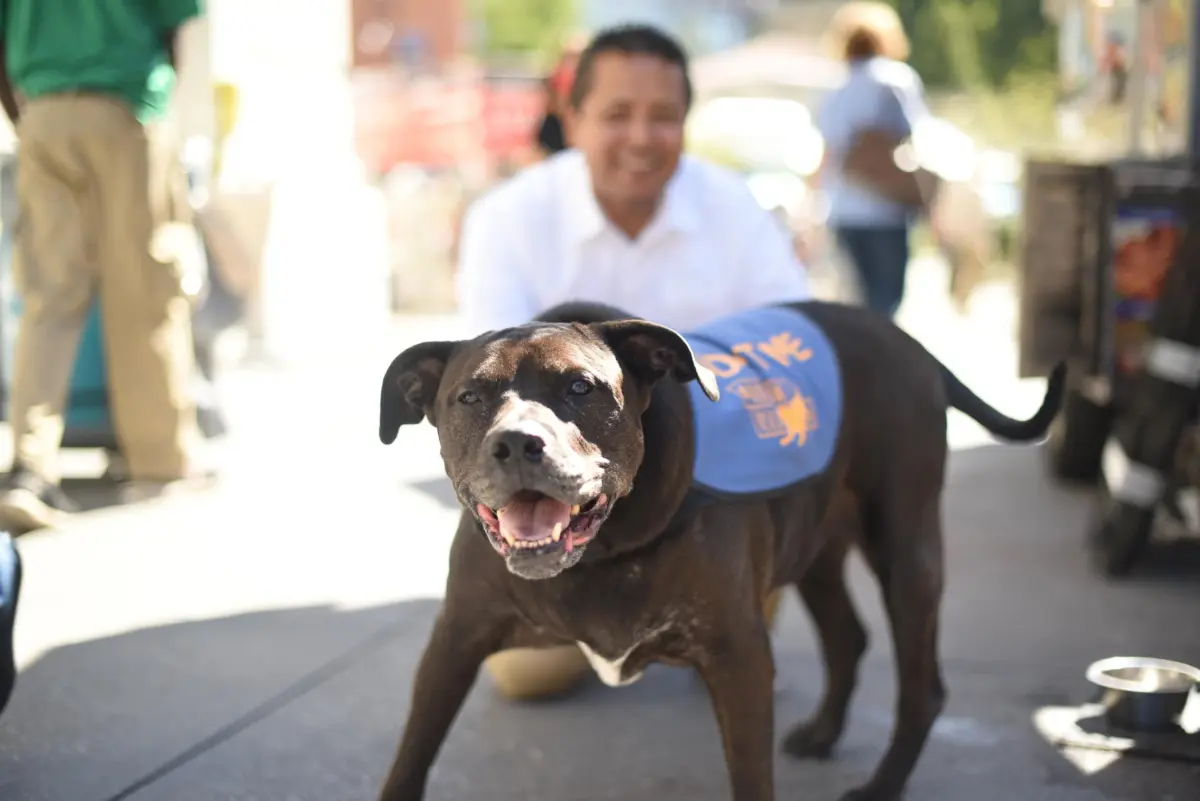
In the modern digital landscape, viral phenomena often arrive swiftly and dissipate just as quickly, leaving little lasting impact. However, a profound exception recently captured the collective consciousness of the internet—and prominent animal advocates nationwide. Isabel Klee, a dedicated and long-standing foster parent with Muddy Paws Rescue, chronicled the extraordinary 13-day evolution of a deeply traumatized shelter dog named Tiki. Documented via a series of short-form videos on TikTok under the handle @simonsits, Tiki’s journey from a terrified, paralyzed animal hiding in corners to an affectionate, trusting companion not only melted millions of hearts but also caught the attention of high-profile figures, including Kylie Kelce.
Featured prominently by BuzzFeed, this remarkable digital diary has transcended typical social media virality. It has ignited a critical, widespread dialogue regarding the psychological realities of shelter animals, the transformative power of patient foster care, and innovative shelter methodologies—such as flexible adoption frameworks and the systemic removal of breed labels. This comprehensive report examines the anatomy of Tiki’s viral transformation, the structural impact of Muddy Paws Rescue’s progressive programs, and what this digital milestone signals for the future of animal welfare.
The Anatomy of a Transformation: Tiki’s 13-Day Journey
When Tiki first entered the care of Muddy Paws Rescue, she embodied the archetypal invisible shelter dog: paralyzed by fear, profoundly defensive, and entirely disconnected from the warmth of human companionship. For animals arriving from neglectful, abusive, or high-stress environments, the shelter system—despite the best efforts of staff and volunteers—can act as an amplifier of anxiety.
Enter Isabel Klee, an experienced foster caregiver whose digital documentation provided an unvarnished, authentic look at the realities of rehabilitating a frightened rescue dog. Klee’s approach was rooted not in immediate demands for affection, but in absolute patience, boundary respect, and positive reinforcement.

Days 1 through 3: The Decompression Phase
In the initial installments of the TikTok series, Tiki was shown flat against the floor, refusing to make eye contact, and trembling at the slightest domestic sound. Klee intentionally limited Tiki’s world, designating a safe, low-traffic zone where the dog could decompress without the pressure of forced interaction. Animal behaviorists often emphasize that the first 72 hours in a new environment are critical for a rescue animal. Klee’s restraint—allowing Tiki to initiate contact entirely on her own terms—laid the foundational trust that would define the rest of the journey.
Days 4 through 8: The Threshold of Curiosity
By day five, subtle shifts began to materialize. Klee’s camera captured the exact moment Tiki’s ears perked up in response to a gentle, reassuring tone rather than cowering. Small behavioral milestones—accepting a treat without flinching, stepping tentatively out of her designated safe zone, and engaging in loose-body posture—became viral touchstones. Viewers across the globe found themselves emotionally invested in whether Tiki would take a step toward the camera, transforming a local foster placement into an international communal experience.
Days 9 through 13: The Flowering of Trust
The final chapters of the 13-day sequence showcased a metamorphosis that many skeptical observers initially deemed impossible over such a short timespan. Tiki was seen initiating head scratches, engaging in playful bounding, and displaying the relaxed, soft-eyed demeanor of a dog that finally understood she was safe. The stark contrast between Day 1 and Day 13 provided a masterclass in canine rehabilitation, proving that fear is not an immutable personality trait, but rather a temporary state capable of being healed through unwavering compassion.
Digital Virality and High-Profile Amplification
The velocity with which Tiki’s story spread across TikTok highlights the unique capacity of digital platforms to humanize systemic animal welfare issues. Millions of users shared, commented on, and wept over the updates, transforming @simonsits into a hub of collective empathy.
The reach of the campaign extended far beyond standard social media algorithms when public figures like Kylie Kelce—widely known for her passionate advocacy for animal rescue and her down-to-earth public persona—publicly engaged with the content. Kelce’s amplification brought mainstream media attention to the narrative, culminating in an in-depth feature by BuzzFeed.

Media analysts point out that Tiki’s story resonated so deeply because it offered an antidote to digital fatigue. In an era dominated by hyper-curated content and distressing global headlines, an authentic, incremental narrative of healing offered viewers a rare emotional catharsis. It demonstrated that ordinary individuals, armed with patience and a spare room, possess the power to fundamentally alter the trajectory of a living creature’s life.
Progressive Animal Welfare: Beyond the Viral Moment
While Tiki and Isabel Klee’s viral success served as the catalyst for public interest, the broader ecosystem supporting this narrative—Muddy Paws Rescue—utilizes these moments to educate the public on structural advancements in animal adoption and foster care. Organizations operating at the forefront of modern rescue are increasingly moving away from legacy shelter models toward progressive, community-integrated paradigms.
The Flex Adoption Program
One of the core challenges preventing prospective pet parents from stepping forward is the fear of permanence without sufficient trial periods. Muddy Paws Rescue’s Flex Adoption Program directly addresses this hesitation. Designed for adopters who may feel on the fence or overwhelmed by the immediate commitment of a traditional adoption, the program offers a structured, supported transition period. By bridging the gap between fostering and permanent adoption, the initiative encourages hesitant individuals to open their homes, ultimately reducing shelter overcrowding and providing animals with more transitional socialization environments.
Revolutionizing Adoption Registration
Streamlining the administrative hurdles of rescue has also been a major focus for forward-thinking organizations. Traditional shelter adoption processes have historically been plagued by red tape, long wait times, and intimidating application structures that inadvertently deter well-qualified families. By implementing new and improved digital adoption registration frameworks, rescues are drastically reducing friction. Prospective adopters can seamlessly navigate the initial vetting stages, register for events, and connect with foster coordinators via intuitive online portals, democratizing access to adoptable animals.
The Removal of Breed Labels
Perhaps one of the most progressive policy shifts adopted by modern rescues—including Muddy Paws—is the strategic removal or de-emphasis of breed labels on adoptable dogs. Visual identification of mixed-breed dogs is notoriously inaccurate, even among veterinary professionals. Assigning speculative labels such as "Pit Bull mix," "German Shepherd mix," or "Labrador mix" often invokes preconceived societal biases, leading to housing restrictions, insurance hurdles, and unwarranted stigma that severely harms adoptable dogs.

By focusing on individual behavioral profiles, energy levels, and personality traits rather than unverified genetic guesswork, rescues are successfully shifting public perception. Adopters are encouraged to fall in love with a dog for who they are as an individual, rather than a subjective label on a kennel card.
Supporting Context and Metrics: The State of Foster Care
To fully appreciate the significance of Isabel Klee and Tiki’s story, one must examine the broader metrics governing animal sheltering and foster networks across the United States.
According to data compiled by industry watchdogs, millions of companion animals enter the shelter system annually. While national save rates have experienced a steady upward trajectory over the past decade, urban shelters continue to face severe capacity constraints. The reliance on foster networks is no longer merely a supplementary tool; it is the absolute backbone of modern lifesaving infrastructure.
- Behavioral Decompression: Studies consistently show that shelter environments elevate cortisol levels in canines, frequently leading to kennel-induced deterioration. Dogs placed in foster homes exhibit significant drops in stress hormones within the first two weeks—a physiological reality perfectly mirrored in Tiki’s 13-day turnaround.
- Adoption Velocity: Animals housed in foster homes are statistically proven to be adopted at higher rates and experience lower return rates. Foster parents provide invaluable behavioral data that shelters cannot capture in a traditional kennel setting, ensuring more precise, long-lasting matches with adoptive families.
- The Digital Amplification Factor: Social media campaigns spearheaded by foster volunteers have emerged as one of the most effective tools for cutting down length-of-stay metrics. A well-managed TikTok or Instagram account acts as a virtual storefront, exposing rural or urban shelter animals to a national audience of potential adopters.
Official Statements and Industry Perspectives
Animal welfare advocates and shelter administrators have lauded the widespread attention generated by Tiki’s story as a watershed moment for foster recruitment.
Jane Miller, a senior canine behavior specialist not affiliated with the specific case, noted the broader pedagogical value of Klee’s videos:

"For too long, the public narrative around shelter dogs has been binary: either they are completely fine upon arrival, or they are ‘damaged goods.’ Isabel’s documentation of Tiki shatters this false dichotomy. It educates the public on the very real phase of decompression. It teaches viewers that a dog shaking in a corner on Day 1 is simply terrified—not aggressive, not broken—and that with time, space, and respect, transformation is entirely possible."
Representatives for Muddy Paws Rescue have similarly emphasized that while viral moments generate immense initial interest, the ultimate goal is converting digital engagement into sustained systemic support—whether through signing up as a foster volunteer, donating to medical funds, or advocating for progressive adoption reforms.
Future Outlook: Sustaining the Momentum
As Tiki settles comfortably into her next chapter, the ripple effects of her 13-day journey continue to reverberate throughout the rescue community. The viral success of @simonsits serves as a blueprint for how digital storytelling can be leveraged to combat animal homelessness on a macro scale.
Looking ahead, animal welfare organizations are heavily investing in digital literacy for their volunteer bases, encouraging more foster parents to share the unvarnished realities of rehabilitation. By normalizing the awkward, challenging, and ultimately rewarding phases of animal rescue, organizations can demystify the fostering process and recruit a new generation of compassionate caregivers.
Furthermore, the integration of flexible adoption programs and the dismantling of discriminatory breed labeling practices point toward a more empathetic, data-driven future for animal welfare. If Tiki’s journey has proven anything to the millions who watched her story unfold, it is that fear is loud, but patience is transformative—and with the right support system, every shelter animal deserves a chance to discover what trust feels like.