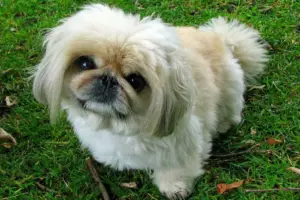

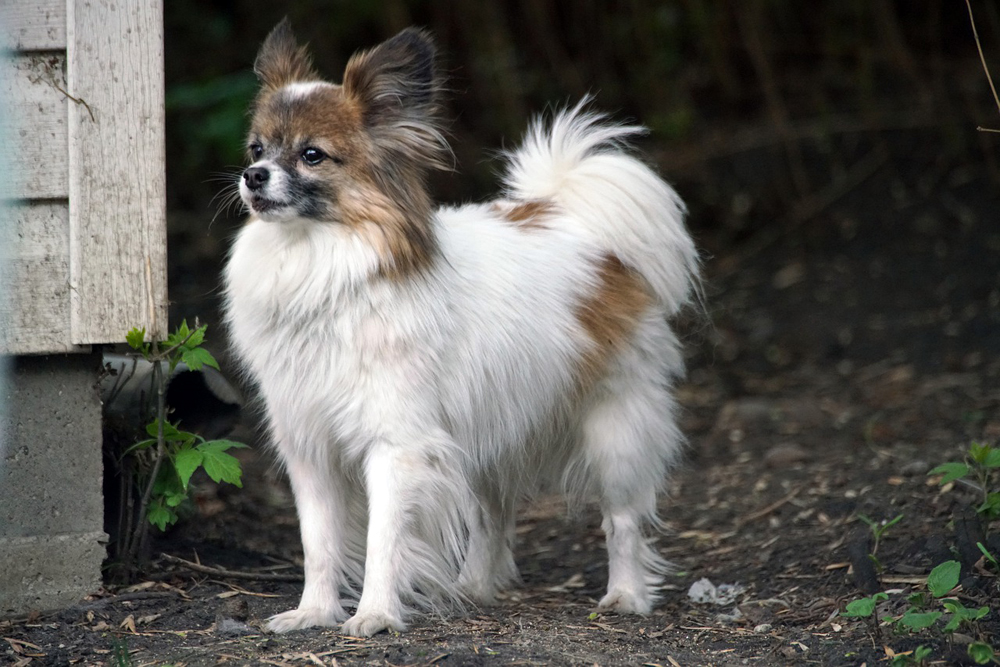
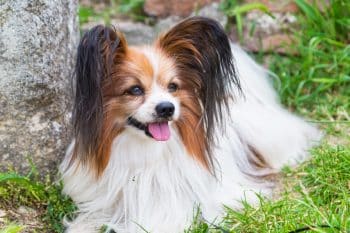
Gastrointestinal (GI) distress in toy breeds is one of the most frequent reasons pet owners seek veterinary counsel. Among these breeds, the Papillon—renowned for its elegant, butterfly-like ears and vivacious personality—is particularly susceptible to acute bouts of diarrhea, flatulence, dyspepsia, and emesis. Because of their diminutive size and rapid metabolic rates, minor digestive disruptions in Papillons can quickly escalate from minor inconveniences to severe, life-threatening physiological crises.
While chronic or severe symptoms require immediate clinical intervention, many mild cases of gastroenteritis can be managed, resolved, and prevented at home using targeted nutritional science and natural therapies. This investigative guide explores the underlying causes of gastrointestinal instability in Papillons, outlines a structured recovery protocol, and evaluates the clinical utility of probiotics, prebiotics, and digestive enzymes in maintaining canine gut homeostasis.
Executive Overview
The canine gastrointestinal tract is a complex ecosystem populated by trillions of microorganisms collectively known as the gut microbiome. This microbial community plays a critical role in nutrient absorption, immune system modulation, and overall systemic health. In toy breeds like the Papillon, the delicate balance of this microbiome is easily disrupted by dietary indiscretion, environmental stressors, pathogen exposure, or medical treatments such as antibiotic therapy.
When dysbiosis (microbial imbalance) occurs, it manifests physically as diarrhea, vomiting, gas, and abdominal pain. Due to their low body mass, Papillons are highly vulnerable to rapid dehydration and hypoglycemia when experiencing GI upset.
To safely navigate these episodes, pet owners must adopt a systematic, evidence-based approach to gastrointestinal recovery. This involves:
- Implementing controlled fasting to allow mucosal healing.
- Introducing highly digestible, bland diets.
- Re-establishing microbial equilibrium through multi-strain synbiotics (probiotics, prebiotics, and postbiotics).
- Enhancing nutrient assimilation with targeted digestive enzymes.
Detailed Chronology: The 72-Hour GI Recovery Protocol
When a Papillon exhibits signs of acute digestive distress, executing a structured, step-by-step intervention plan is essential for preventing clinical decline. The following chronological timeline details the optimal recovery protocol.
[Hour 0: Symptom Onset] ──> [Hours 12-24: Therapeutic Fasting] ──> [Hours 24-48: Bland Diet Introduction] ──> [Day 3+: Synbiotic Reconstitution]Phase 1: Hours 1 to 12 – The Observational and Hydration Phase
At the first sign of diarrhea or vomiting, immediately remove all food. Observe the dog’s behavior, gum color, and hydration levels.
- Hydration Assessment: Gently lift the skin over the shoulder blades (skin turgor). If it does not immediately snap back, or if the gums feel dry or tacky, the dog is dehydrating.
- Water Intake Control: Do not allow the Papillon to gulp large quantities of water, as rapid ingestion can trigger the vomiting reflex. Instead, offer small amounts of filtered water or unflavored electrolyte solutions (such as pediatric rehydration formulas) every 30 to 60 minutes.
Phase 2: Hours 12 to 24 – The Therapeutic Fasting Window
For adult Papillons, withholding solid food for 12 to 24 hours is a clinically recognized method to alleviate gastrointestinal inflammation.
- Physiological Mechanism: Fasting halts the mechanical work of digestion, allowing the mucosal lining of the stomach and intestines to rest, repair, and flush out pathogenic toxins.
- Important Exception: Toy breeds, especially puppies or seniors, are prone to hypoglycemia (low blood sugar). If you fast a toy breed, monitor them closely for lethargy or weakness. If necessary, rub a small amount of maple syrup or honey on their gums to maintain glucose levels. If the dog is diabetic or under six months old, do not fast them without direct veterinary supervision.
Phase 3: Hours 24 to 48 – Introduction of a Bland Diet
Once the fasting period is complete and no further vomiting has occurred, slowly introduce a highly digestible, low-fat bland diet.
- The Classic Formula: Boiled, skinless, unseasoned white meat chicken breast combined with plain white rice in a 1:2 ratio (one part chicken to two parts rice). White rice is preferred over brown rice during acute illness because its lower fiber content is easier on an inflamed colon.
- Grain-Free Alternatives: For dogs with grain sensitivities, substitute white rice with plain, unsweetened canned pumpkin puree or thoroughly mashed, overripe bananas.
- Feeding Schedule: Administer small portions (one to two tablespoons) every 2 to 3 hours, rather than feeding large meals. This prevents overloading the sensitive stomach.
Phase 4: Day 3 and Beyond – Systematic Transition Back to Regular Kibble
Do not abruptly switch back to regular dog food once stools begin to firm. A gradual transition prevents relapse.
| Day | Bland Diet % | Regular Kibble % |
|---|---|---|
| Day 1 of Transition | 75% | 25% |
| Day 2 of Transition | 50% | 50% |
| Day 3 of Transition | 25% | 75% |
| Day 4 of Transition | 0% | 100% |
Supporting Context & Metrics: The Science of Canine Gut Health
To effectively manage a Papillon’s long-term digestive health, it is important to understand the biological mechanisms behind gastrointestinal supplements.
       ┌────────────────────────────────────────────────────────┐
       │                  THE SYNBIOTIC TRIAD                   │
       └───────────────────────────┬────────────────────────────┘
                                   │
         ┌─────────────────────────┼─────────────────────────┐
         ▼                         ▼                         ▼
┌─────────────────┐       ┌─────────────────┐       ┌─────────────────┐
│   PREBIOTICS    │ ───>  │   PROBIOTS      │ ───>  │   POSTBIOTICS   │
│ (Nourishment)   │       │ (Live Bacteria) │       │ (Active Metabol.)│
└─────────────────┘       └─────────────────┘       └─────────────────┘
1. The Synbiotic Triad: Prebiotics, Probiotics, and Postbiotics
The modern approach to canine gastroenterology relies on "synbiotics"—the synergistic combination of prebiotics, probiotics, and postbiotics.
- Probiotics (The Live Microorganisms): These are beneficial live bacteria (such as Lactobacillus acidophilus, Bifidobacterium animalis, and Enterococcus faecium) that actively colonize the intestinal tract. They compete with harmful pathogens (like E. coli or Salmonella) for adhesion sites on the intestinal wall, synthesize antimicrobial compounds, and strengthen the gut barrier.
- Prebiotics (The Fuel Source): Prebiotics are non-digestible dietary fibers that serve as the primary food source for beneficial gut bacteria. Without prebiotics, introduced probiotics cannot survive or multiply effectively. Excellent natural prebiotics include:
- Pureed Pumpkin: High in soluble fiber, which absorbs excess water in the colon to firm up runny stool, while also lubricating the digestive tract to relieve constipation.
- Slippery Elm Bark: Rich in mucilage, a substance that becomes a gel when mixed with water. It coats, soothes, and protects irritated gastrointestinal membranes.
- Chia Seeds: Highly hydrophilic, absorbing up to 12 times their weight in water to regulate stool consistency.
- Plantains: Contain natural antimicrobial properties and soothe mucosal linings.
- Postbiotics (The Active Metabolites): These are the beneficial byproducts generated when probiotics ferment prebiotic fibers in the colon. Postbiotics, such as short-chain fatty acids (SCFAs), directly nourish the cells lining the colon (colonocytes), reduce localized inflammation, and support immune function.
2. The Role of Exogenous Digestive Enzymes
Incomplete digestion is a primary cause of chronic flatulence, bloating, and loose stools in Papillons. If a dog’s pancreas does not produce enough digestive enzymes, undigested food particles pass into the large intestine, where they ferment and cause gas, osmotic diarrhea, and nutrient malabsorption.
Introducing a broad-spectrum digestive enzyme supplement ensures food is broken down properly. Any high-quality canine enzyme formula should contain these four essential enzymes:
- Amylase: Responsible for breaking down complex carbohydrates and starches into simple sugars.
- Protease: Catalyzes the breakdown of dietary proteins into bioavailable amino acids.
- Lipase: Emulsifies and digests fats and lipids, ensuring the absorption of essential fat-soluble vitamins (A, D, E, and K).
- Cellulase: Breaks down plant fiber (cellulose). Because dogs do not naturally produce cellulase, this enzyme is vital for extracting nutrients from vegetables, grains, and herbs.
Causes of Gastrointestinal Distress in Papillons
Identifying the root cause of your Papillon’s GI issues is crucial for selecting the right treatment. The most common causes of vomiting and diarrhea in the breed include:
- Dietary Indiscretion: Consuming table scraps, spoiled food, trash, or non-food items.
- Sudden Dietary Changes: Transitioning to a new brand or formula of dog food without a gradual phase-in period.
- Parasitic Infections: Internal parasites such as roundworms, hookworms, whipworms, Giardia, or Coccidia.
- Viral or Bacterial Pathogens: Infectious agents including Parvovirus, Coronavirus, Salmonella, Campylobacter, or Clostridium.
- Toxin Ingestion: Consuming human foods that are toxic to dogs (such as chocolate, grapes, onions, or xylitol), toxic houseplants, or household chemicals.
- Stress and Anxiety: High-strung or sensitive Papillons can easily develop stress colitis during boarding, travel, or changes in the household.
- Systemic Diseases: Pancreatitis, inflammatory bowel disease (IBD), kidney disease, or liver dysfunction.
Clinical Guidelines & Critical Diagnostic Thresholds
While home remedies are highly effective for mild, self-limiting gastroenteritis, pet owners must recognize when a case requires immediate professional veterinary care.
                  ┌────────────────────────────────────────┐
                  │      IS A VET VISIT NECESSARY?         │
                  └───────────────────┬────────────────────┘
                                      │
            ┌─────────────────────────┴─────────────────────────┐
            ▼                                                   ▼
┌───────────────────────┐                           ┌───────────────────────┐
│     YES (URGENT)      │                           │   NO (HOME CARE OK)   │
├───────────────────────┤                           ├───────────────────────┤
│ • Lethargy / Weakness │                           │ • Alert / Responsive  │
│ • Pale / Tacky Gums   │                           │ • Normal Pink Gums    │
│ • Blood in Vomit/Stool│                           │ • No Blood in Stool   │
│ • Vomiting > 24 Hours │                           │ • Mild Diarrhea Only  │
│ • Temp > 103°F / < 99°│                           │ • Normal Temperature  │
└───────────────────────┘                           └───────────────────────┘
When to Seek Immediate Veterinary Attention:
- Persistent Vomiting: If your Papillon cannot keep water down for more than 12 to 24 hours, they are at high risk for rapid, life-threatening dehydration.
- Hematochezia or Melena: The presence of bright red blood in the stool (hematochezia) or dark, tarry stools (melena) indicates internal bleeding or severe mucosal damage.
- Extreme Lethargy: If your dog is unresponsive, weak, or unable to stand.
- Signs of Abdominal Pain: Whining, panting, stretching in a "play bow" position (chest on the floor, rear end in the air), or guarding the abdomen.
- Abnormal Body Temperature: A normal canine body temperature ranges from 101°F to 102.5°F. A temperature below 99°F or above 103°F warrants immediate veterinary evaluation.
Clinical Considerations for Antibiotic-Induced Dysbiosis
When a Papillon is prescribed antibiotics for an infection, these medications non-selectively destroy both pathogenic and beneficial bacteria in the gut. This often leads to antibiotic-associated diarrhea.
Clinical research shows that administering a high-quality probiotic supplement during and after antibiotic therapy helps protect the gut microbiome. To prevent the antibiotic from killing the beneficial bacteria in the probiotic, always space the administration of the probiotic at least two hours apart from the antibiotic dose. Continue probiotic therapy for at least two to four weeks after the antibiotic course is completed to fully rebuild the gut flora.
Future Outlook: The Evolution of Canine Microbiome Science
The field of canine gastroenterology is rapidly advancing, moving away from reactive treatments toward proactive, preventative care.
1. The Gut-Brain-Skin Axis
Emerging veterinary research has established a strong link between the canine gut microbiome, neurological health, and dermatological conditions. Chronic gut inflammation and dysbiosis can compromise the intestinal barrier, allowing toxins to enter the bloodstream. This systemic inflammation often manifests externally as atopic dermatitis, chronic ear infections, or behavioral anxiety. By maintaining a balanced gut microbiome, pet owners can proactively address chronic itching, allergies, and stress-related behaviors.

2. Tailored Nutritional Therapy and Targeted Synbiotics
The veterinary industry is moving toward highly specialized, breed-specific nutritional therapies. Because toy breeds like the Papillon have unique metabolic demands and sensitive digestive systems, daily synbiotic supplementation is becoming a standard preventative health measure.
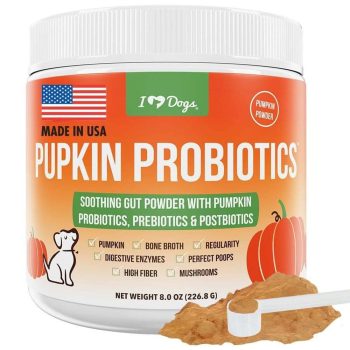
High-quality synbiotic supplements, such as Pupkin™ Probiotics, Prebiotics & Postbiotics for Dogs, combine multi-strain probiotics with gut-soothing ingredients like pumpkin, bone broth, and functional mushrooms. These formulations help maintain optimal stool quality, reduce flatulence, and support overall immune function.
3. Financial Preparedness for Chronic Gastrointestinal Care
Chronic gastrointestinal conditions, such as Inflammatory Bowel Disease (IBD) or pancreatitis, can require lifelong management, expensive diagnostic testing (including ultrasounds and biopsies), and specialized prescription diets. To protect against unexpected veterinary costs, Papillon owners should consider securing a comprehensive pet insurance policy early in their dog’s life, before any pre-existing digestive issues are documented.
Summary of Actionable Home Remedies
| Remedy | Primary Indication | Method of Action | Administration Guidelines |
|---|---|---|---|
| Controlled Fasting | Acute vomiting, severe diarrhea | Rests the mucosal lining; allows the GI tract to clear toxins. | 12–24 hours of food deprivation. Keep hydrated with small, frequent sips of water. Avoid in very young or hypoglycemic dogs. |
| Bland Diet | Post-fast recovery, mild dyspepsia | Highly digestible; minimizes mechanical stress on the colon. | Boiled white chicken and white rice (1:2 ratio). Feed small portions every 2–3 hours. |
| Multi-Strain Probiotics | Dysbiosis, flatulence, post-antibiotic recovery | Reintroduces beneficial live bacteria to crowd out pathogens. | Administer daily with food. Choose a dog-specific formula like Pupkin™. |
| Soluble Fiber / Pumpkin | Loose stools, mild constipation | Absorbs excess water in the colon; adds bulk to the stool. | 1–2 teaspoons of 100% pure canned pumpkin (not pumpkin pie mix) per meal. |
| Slippery Elm Bark | Gastric inflammation, acid reflux | Coats and soothes the mucous membranes of the GI tract. | Administer as a powder mixed with water or food, according to product dosing guidelines. |
| Digestive Enzymes | Chronic gas, undigested food in stool | Facilitates complete breakdown of proteins, fats, and carbs. | Add a broad-spectrum enzyme supplement containing amylase, protease, lipase, and cellulase to meals. |
Disclaimer: The information provided in this article is for educational purposes only and is not intended to replace professional veterinary advice, diagnosis, or treatment. These statements have not been evaluated by the Food and Drug Administration. If your Papillon is showing signs of severe illness, dehydration, or persistent distress, please consult a qualified veterinarian immediately.