
Executive Overview
In an era increasingly defined by societal friction and hyper-polarization, the foundational virtue of human and animal welfare—kindness—faces an unheralded vulnerability. While behavioral specialists, zoologists, and dog trainers have long championed positive reinforcement, patience, and structural empathy in interspecies relationships, a striking omission exists within the canon of behavioral literature. A sweeping review of seminal instructional texts on canine behavior and human psychology reveals that the explicit vocabulary of “kindness” is frequently overshadowed by clinical terms like “positive reinforcement” and “stress mitigation.”
This investigative inquiry explores the intersection of behavioral science, canine cognition, and human emotional health. Drawing on psychological research, personal field observations from behavioral expert Dr. Patricia McConnell, and the chaotic realities of wildlife management on a working farm, this article examines how deliberate acts of kindness operate not merely as moral imperatives, but as potent neurochemical catalysts for human and animal happiness. Furthermore, it addresses the friction that occurs when human idealism confronts the unforgiving, competitive realities of the natural world—proving that true empathy requires resilience, self-forgiveness, and a nuanced understanding of ecological coexistence.
Detailed Chronology: The Evolution of Behavioral Thought and the Kindness Deficit
The Oversight in Behavioral Literature
For decades, researchers studying canine-human interactions have focused heavily on cognitive frameworks, emotional mirroring, and communicative signaling. Seminal works—ranging from McConnell’s For the Love of a Dog and The Other End of the Leash to Jessica Pierce’s Who’s a Good Dog?, Jennifer Holland’s Dog Smart, and Alexandra Horowitz’s The Year of the Puppy—meticulously map out the architecture of dog training. These texts rightly condemn harsh physical corrections, champion force-free methodologies, and stress the necessity of reading canine body language to interpret fear, joy, and anticipation.

Yet, a comprehensive index check of these foundational books reveals a curious anomaly: the explicit term “kindness” is rarely indexed as a primary theoretical framework. It is treated as an assumed baseline rather than a studied variable. This oversight suggests that contemporary behavioral science has occasionally prioritized mechanical conditioning over the holistic emotional atmosphere of kindness, assuming that avoiding cruelty is synonymous with actively practicing compassion.
A Journey from Despair to Reciprocal Joy
The tangible, psychological mechanics of kindness are best observed in moments of personal vulnerability. Consider an illustrative case from Madison, Wisconsin, where an individual grappling with disheartening medical news sought solace in the mundane routine of picking up a sandwich. Confronted by a lengthy queue dominated by a group of young Latino men, the immediate impulse shifted from passive frustration to proactive benevolence.
Whispering to the cashier, the observer quietly covered the entire group’s lunch tab, desiring no recognition—only the quiet psychological lift known to accompany unheralded generosity. The cashier, however, immediately broadcasted the gesture. Rather than retreating into social discomfort, the interaction catalyzed a remarkable feedback loop: one of the young men quietly slipped away to a neighboring shop and returned with a massive bouquet of flowers for the stunned benefactor.

This micro-chronology encapsulates the dynamic nature of kindness. It illustrates that altruistic acts are rarely unidirectional; they create a ripple effect that frequently boomerangs back to the instigator, dismantling isolation and restructuring the emotional climate of both parties involved.
The Micro-Drama of Rural Coexistence
Simultaneously, the daily chronology of rural life tests the limits of philosophical kindness. A farm operates as a microcosm of ecological competition. Mornings that begin with idyllic scenes of Rose-breasted Grosbeaks, eastern bluebirds, and blooming columbines can rapidly transform into a theater of ecological conflict.
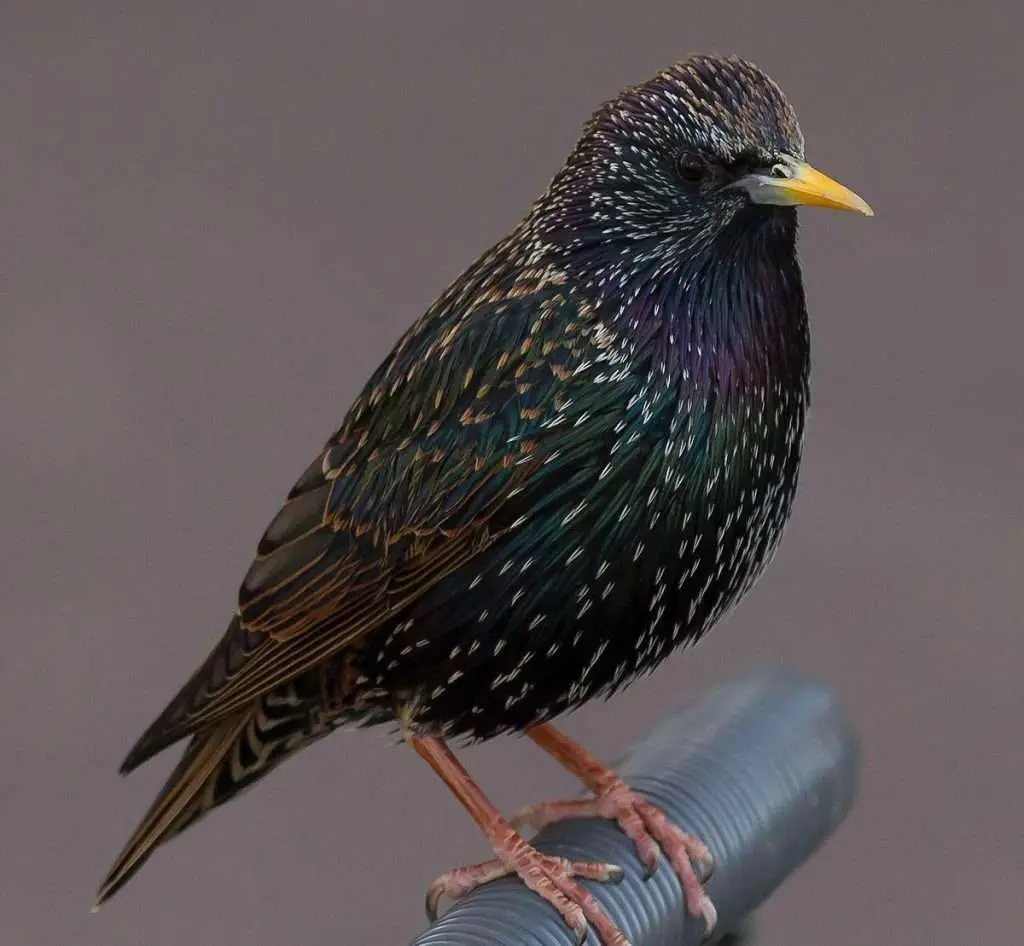
The arrival of aggressive, non-native European starlings, opportunistic grackles, and territorial red-winged blackbirds disrupts the fragile sanctuary of backyard bird feeders. Below ground, woodchips, voles, rabbits, and unseen nocturnal foragers wage a persistent war against raised-bed gardens, devouring peas, spinach, and prize lilies. This daily escalation forces a reckoning for the behavioral scientist and naturalist alike: how does one reconcile the abstract doctrine of universal kindness with the pragmatic necessity of protecting one’s livelihood and managing invasive species?

Supporting Context & Metrics: The Science of Altruism
To understand why kindness feels instinctively restorative, one must examine the empirical data quantifying its effects on human neurochemistry and psychological well-being. Modern psychological research has moved past the philosophical realm, treating kindness as an empirical variable with measurable outcomes.
The Rowland and Curry Study on Altruism
A landmark study by Rowland and Curry, titled "A Range of Kindness Activities Boost Happiness" (published in the Journal of Social Psychology and indexed via PubMed), provides rigorous empirical backing for the power of prosocial behavior. The researchers evaluated various experimental groups against a control group to measure the impact of specific behavioral interventions over a seven-day period.
Key findings from the study include:

- The Seven-Day Lift: Engaging in intentional acts of kindness for just one week produces a statistically significant increase in overall reported happiness.
- Dose-Dependent Effects: The data revealed a direct positive correlation between the sheer volume of kind acts performed and the magnitude of the resulting happiness boost. The more frequently an individual acts with kindness, the greater their psychological reward.
- Equivalency of Target: Interestingly, the study found that the specific recipient of the kindness—whether strong social ties (close friends), weak social ties (acquaintances or strangers), or even acts of self-kindness—produced equally positive outcomes. Furthermore, merely observing acts of kindness yielded similar psychological benefits.
| Parameter | Finding / Metric |
|---|---|
| Intervention Duration | 7 Days of deliberate kindness activities |
| Primary Outcome | Measurable increase in subjective well-being and happiness |
| Correlation | Positive linear relationship between frequency of kind acts and happiness gains |
| Target Flexibility | Equal emotional return across self, strangers, close friends, and observed acts |
These metrics confirm that kindness is not merely a moral luxury; it is a fundamental human need that activates reward circuitry in the brain, mitigating stress and fostering emotional resilience.
Official Statements and Expert Perspectives
Prominent voices in animal behavior, conservation, and psychology weigh in on the complex interplay between animal welfare, human empathy, and ecological management:
-
Dr. Patricia McConnell, Certified Applied Animal Behaviorist (CAAB) and Author:

"Perhaps the most important way to make a dog happy is to understand it—what it is trying to communicate, what it wants or is afraid of, along with, of course, keeping a dog healthy and safe. Yet, in our focus on positive reinforcement and training mechanics, we often forget to explicitly center kindness as our core operating principle… When the milk of human kindness threatens to curdle at the sight of invasive starlings destroying our bird feeders, we must remember that we are simply zoologists living in a neighborhood of many species whose interests do not align with ours."
-
Insights from Avian and Wildlife Conservationists (via All About Birds):
"Non-native invasive species like the European Starling (Sturnus vulgaris) present a unique ethical challenge to wildlife lovers. While individual birds are merely acting on evolutionary imperatives—competing for nesting cavities and resources—their impact on vulnerable native populations, such as bluebirds and woodpeckers, demands humane, strategic management rather than unbridled malice."

Future Outlook: Practical Compassion in a Complex World
As we look toward the future of animal husbandry, garden stewardship, and interpersonal relations, the challenge lies in scaling kindness outward while maintaining realistic boundaries.
Actionable Frameworks for Daily Compassion
- Targeted Self-Kindness: Recognizing that self-care is the hardest discipline. For animal owners and caregivers, this means carving out dedicated micro-breaks, engaging in reflective reading, or processing emotional fatigue without guilt.
- Customized Enrichment for Animals: Moving beyond basic survival needs to address individual psychological profiles. For instance, managing a working sheepdog’s frustration during poor air quality days (such as wildfire smoke events) by introducing novel mental stimulation—like cooperative grooming or target training—rather than unfulfilled physical work. Providing tailored treats (such as controlled portions of vanilla ice cream for aging canine companions) reinforces the emotional bond between species.
- Humane Ecological Stewardship: Shifting the narrative from frustration to management when dealing with agricultural pests and invasive species. Accepting that rabbits, woodchucks, and starlings operate outside human social contracts allows stewards to protect their crops and native bird populations with physical barriers (like netting and secure fencing) rather than reactive hostility.
- Amplifying Random Acts: Cultivating a personal policy of unexpected generosity—whether tipping service workers generously, supporting climate refugees displaced by extreme weather events, or offering physical and emotional support to recovering family members.
By anchoring our daily routines in the empirical science of kindness, we bridge the gap between our intellectual understanding of animal behavior and our emotional capacity for human empathy. In doing so, we transform our farms, our homes, and our communities into spaces where resilience and compassion can flourish side by side.