
Executive Overview
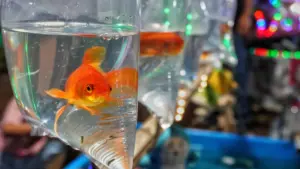
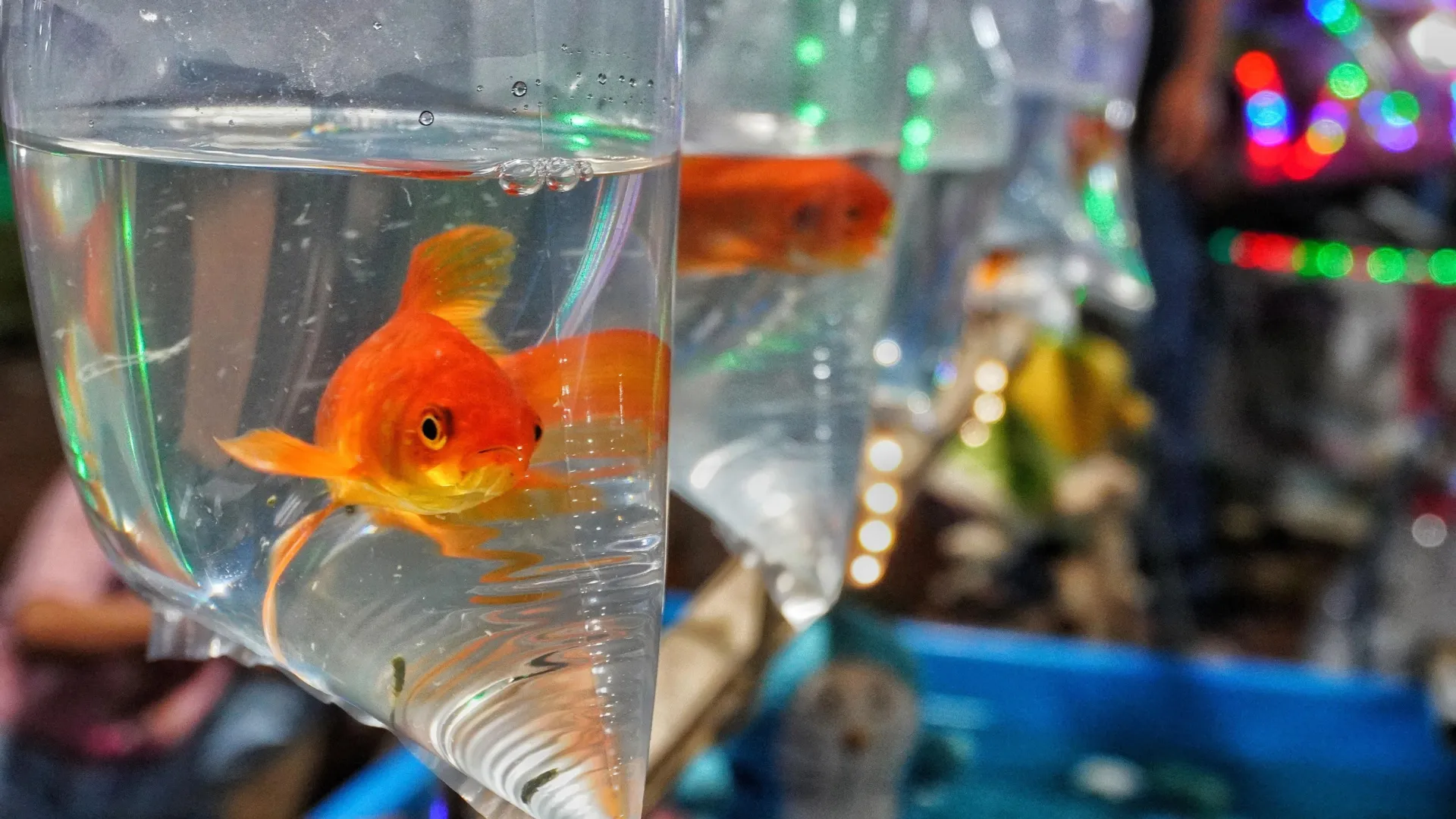
For millions of households around the globe, the humble goldfish (Carassius auratus) is the quintessential first pet. Confined to bowls, tabletop nano-tanks, and backyard decorative ponds, these ubiquitous orange vertebrates are often perceived as harmless, docile, and ultimately disposable curiosities. However, a groundbreaking, peer-reviewed study recently published in the prestigious Journal of Animal Ecology shatters this comforting illusion. Conducted by a collaborative team of researchers from The University of Toledo and the University of Missouri, the research provides some of the most rigorous and alarming experimental evidence to date: when released or escaped into the wild, domestic goldfish transform into formidable invasive species capable of triggering catastrophic "regime shifts" in freshwater ecosystems.
The findings send an urgent, unambiguous warning to pet owners, commercial breeders, natural resource managers, and environmental policymakers alike. While disposing of an unwanted aquarium fish by flushing it down a toilet or releasing it into a local park pond may seem like a compassionate act—or at worst, a victimless one—it represents a profound ecological threat. According to the study’s lead investigator, Dr. William Hintz, associate professor in UToledo’s Department of Environmental Sciences and Lake Erie Center, the public must be rapidly and forcefully educated about the boundary between domestic care and ecological stewardship.
"It is critically important to inform the public that their pets can become pests that will harm freshwater ecosystems," Dr. Hintz emphasizes. "The evidence is now clear—releasing a goldfish into the wild might be seen as an act of kindness, but it can turn into a major ecological threat."
By utilizing large-scale, outdoor experimental systems that realistically simulate natural aquatic conditions, the research team demonstrated that goldfish do not merely survive in the wild; they actively restructure their environments. Across varied freshwater states—ranging from pristine, nutrient-poor oligotrophic waters to murky, nutrient-rich eutrophic lakes—goldfish systematically degrade water quality, upend aquatic food webs, and outcompete native species. As municipalities and conservationists grapple with mounting costs to restore degraded waterways, this study elevates the goldfish from a quirky backyard nuisance to a high-priority invasive species demanding immediate preventative intervention, stricter trade regulations, and a paradigm shift in public awareness.
Detailed Chronology: Unraveling the Experimental Methodology
To understand the profound ecological disruptions caused by Carassius auratus, the research team—comprising Dr. William Hintz, Hannah Barrett, and Dr. Rick Relyea—had to overcome a major historical challenge in aquatic ecology: isolating the specific impacts of an invasive species from the background noise of natural environmental fluctuations and general overpopulation by fish.
Designing the Mesocosms: Replicating Nature on a Controlled Scale
Historically, field observations of invasive goldfish populations in natural lakes provided correlational evidence of damage, but critics could always argue that other environmental stressors—such as agricultural runoff, climate change, or pre-existing pollution—were the primary drivers of ecological decline. To establish direct causation, Hintz and his colleagues constructed and deployed large outdoor freshwater mesocosms.
These mesocosms functioned as miniature, self-contained lakes, offering a high degree of experimental control while accurately mimicking the complex physical, chemical, and biological dynamics of real-world aquatic ecosystems. Housed at research facilities, these massive tanks allowed the scientists to manipulate variables precisely, tracking changes over extended periods.
Simulating Diverse Trophic States
Recognizing that freshwater ecosystems are not uniform, the research team designed their experiment to evaluate goldfish impacts across two distinct ecological baselines:
- Oligotrophic (Nutrient-Poor) Waters: Characterized by clear water, low nutrient concentrations, and limited plant and algal growth. These systems are often highly sensitive to nutrient inputs and biological disturbances.
- Eutrophic (Nutrient-Rich) Waters: Characterized by high concentrations of phosphorus and nitrogen, frequent algal blooms, and turbid water conditions. These systems already experience high biological stress.
By introducing goldfish into both oligotrophic and eutrophic mesocosms, the researchers could determine whether the fish acted as universal disruptors or if their impacts varied depending on the baseline health of the lake.
The Experimental Approach: Additive and Substitutive Designs
A critical innovation of this study was the methodological deployment of both additive and substitutive experimental designs. In invasion ecology, simply adding a new species to an ecosystem introduces two distinct variables: the identity of the species (its unique behaviors, diets, and physical impacts) and the density of organisms (simply having more total biomass and biological activity in the water).
To untangle these variables, the research team carefully controlled fish density and species composition across the mesocosms. Their advanced statistical and comparative analyses revealed a stark reality: while certain minor shifts in aquatic vegetation could be correlated simply with having a higher total abundance of fish, the most severe, systemic ecological damage was directly and uniquely connected to the biological traits of the goldfish themselves.
The goldfish were proven to be active agents of chaos, driving structural changes that no ordinary native fish population of equivalent biomass would induce in the same manner.
Supporting Context & Metrics: The Mechanics of an Ecological Collapse
The data gathered during the study illustrate a rapid, domino-like unraveling of aquatic stability once goldfish establish themselves. To appreciate why a creature bred for centuries in glass bowls can wreak such havoc in natural waterways, one must examine the specific physiological and behavioral mechanisms that unfold when a goldfish enters the wild.
The Anatomy of a Backyard Titan
In an indoor aquarium, goldfish are typically stunted by the confines of their tanks, rarely exceeding a few inches in length. However, when released into open bodies of water with abundant food sources and minimal predation, Carassius auratus undergoes a dramatic transformation.
Released goldfish rapidly grow into large, robust fish, often reaching sizes and weights that shock casual observers. As they expand in size, their behavioral repertoire shifts to exploit every level of the aquatic habitat.
Engineering Turbidity: Benthic Bioturbation
One of the most profound mechanisms of ecological destruction identified in the study is the goldfish’s habit of bottom-feeding, known scientifically as benthic bioturbation.
As goldfish forage through the benthic zone (the sediment at the bottom of a lake or pond), they suck up mouthfuls of mud, filter out organic matter, invertebrates, and plant fragments, and expel the remaining sediment into the water column. This constant rooting and stirring has cascading consequences:
- Water Clarity Destruction: Suspended sediments block sunlight penetration, halting the growth of rooted aquatic plants (macrophytes) that provide vital habitat for native fish and macroinvertebrates.
- Nutrient Resuspension: Stirring the sediment releases buried phosphorus and nitrogen back into the water column. In nutrient-poor lakes, this sudden influx of nutrients can artificially accelerate eutrophication, fueling explosive blooms of filamentous algae and toxic cyanobacteria.
Direct Predation and Competitive Exclusion
Beyond altering the physical and chemical properties of the water, goldfish are voracious omnivores with flexible diets. They consume massive quantities of zooplankton, insect larvae, and small aquatic invertebrates that form the foundational base of the freshwater food web.
By stripping these resources bare, goldfish engage in direct, asymmetric competition with native fish species—such as yellow perch, bluegill, and various minnow species—starving them of essential sustenance. Furthermore, goldfish are remarkably resilient to environmental stressors that routinely decimate native populations. They tolerate extreme temperature fluctuations, survive in waters with dangerously low dissolved oxygen levels, and withstand heavy pollution, giving them an unfair evolutionary advantage during droughts, heatwaves, and harsh winters.
Crossing the Threshold: The "Regime Shift"
The culmination of these combined pressures—sediment disturbance, nutrient release, habitat degradation, and resource competition—is what the researchers define as a regime shift.
In ecology, a regime shift represents a non-linear tipping point. An ecosystem absorbs environmental stress up to a critical threshold, past which its internal feedback loops break down. The lake rapidly and fundamentally reorganizes into an entirely different, highly degraded stable state—typically shifting from a clear, plant-dominated system teeming with diverse native life to a murky, algae-dominated soup devoid of structural complexity and biological richness.
Crucially, the study underscores that once a lake crosses this threshold into a degraded regime, restoring it is extraordinarily difficult, labor-intensive, and financially prohibitive. Remediation often requires aggressive measures such as chemical whole-lake poisonings (rotenone treatments), mechanical dredging of toxic sediments, and multi-year restocking programs—costing local governments and taxpayers millions of dollars.
Official Statements & Expert Perspectives
The gravity of the study’s conclusions has drawn sharp commentary from the scientific community, emphasizing the urgent need for a unified response from pet owners, conservationists, and regulatory bodies.
Dr. Rick Relyea, professor in the University of Missouri College of Agriculture, Food and Natural Resources and director of Mizzou’s Johnny Morris Institute of Fisheries, Wetlands and Aquatic Systems, served as co-author on the research. He highlights the deceptive trajectory of released pets:
"If goldfish are released into the wild, they rapidly grow into very large fish that stir up lake sediments, consume large numbers of prey and compete with native fish."
This rapid transformation from a delicate, ornamental pet into a robust, ecological juggernaut catches many well-meaning citizens entirely off guard. The cultural framing of the goldfish as a benign, low-maintenance creature has blinded the public to its hardy carp lineage—goldfish are, after all, domesticated members of the cyprinid family, closely related to common carp (Cyprinus carpio), which are globally notorious for wreaking havoc on freshwater systems.
Dr. William Hintz reiterates that the motivation behind most releases—often born of misplaced empathy, a child losing interest in a pet, or an owner moving homes—does nothing to soften the ecological blow:
"The evidence is now clear—releasing a goldfish into the wild might be seen as an act of kindness, but it can turn into a major ecological threat."
Building on these scientific insights, the research team and environmental advocates are calling for a systemic re-evaluation of how ornamental species are managed, sold, and discarded. They argue that voluntary compliance is insufficient without robust, proactive government policies and widespread educational campaigns.
Future Outlook, Prevention, and Public Action
Mitigating the threat posed by invasive goldfish requires a multi-pronged strategy focused on proactive prevention, early detection, rapid response, and public education. The researchers outline several critical imperatives for the future of freshwater conservation.
1. Treating Goldfish as High-Priority Invasive Species
Historically, natural resource agencies have focused their invasive species budgets and eradication efforts primarily on high-profile vertebrates like Asian carp, zebra mussels, and various invasive aquatic plants. The study argues that state, provincial, and federal wildlife management agencies must elevate goldfish on their priority lists. Policies should facilitate rapid-response eradication protocols the moment a wild goldfish population is detected in a sensitive watershed, preventing the establishment of self-sustaining breeding nuclei.
2. Upgrading Public Education and Pet Industry Accountability
Retailers in the global pet trade move millions of aquatic species across international borders every year with minimal friction. While consumer demand drives this market, pet stores and commercial breeders share a responsibility to educate buyers at the point of sale.
Educational signage, informational pamphlets included with tank purchases, and mandatory warning labels regarding the dangers of releasing aquarium life into natural waterways are vital steps. Furthermore, public outreach must move beyond passive awareness campaigns to actively dismantle the cultural myth that releasing a goldfish is a humane act.
3. Promoting Practical Alternatives for Unwanted Pets
For pet owners no longer willing or able to care for their goldfish, the study emphasizes that viable, ethical alternatives exist and must be actively promoted by municipal authorities and animal shelters:
- Return to Retailers: Many local pet stores and specialty aquarium shops will accept unwanted fish back into their inventory or rehome them.
- Adoption Networks: Online aquarist communities, local hobbyist clubs, and school science classrooms often welcome healthy goldfish for display or educational purposes.
- Humane Surrender and Consultation: Owners should contact local wildlife departments, nature centers, or humane societies for guidance on safe, ethical disposition rather than defaulting to natural waterways.
- Responsible Euthanasia: In circumstances where no alternative homes can be found and the animal is suffering or posing an immediate biosecurity risk, consultation with veterinary professionals regarding humane euthanasia is preferable to illegal and environmentally destructive release.
A Call to Action for Watershed Stewards
As global biodiversity faces unprecedented pressures from habitat fragmentation, climate change, and pollution, the invisible threat lurking inside backyard ponds and living room aquariums demands our attention. The research by The University of Toledo and the University of Missouri serves as an invaluable wake-up call. Protecting the pristine waters of North America and beyond requires every citizen to recognize that our connection to nature extends from the outdoor wilderness right down to the glass walls of our homes. By keeping our pets out of our lakes, we can help preserve the delicate, irreplaceable balance of our freshwater ecosystems for generations to come.