The landscape of veterinary medicine is undergoing a profound paradigm shift. Driven by technological innovations, advanced pharmacological breakthroughs, and a deeper understanding of chronic feline and canine conditions, clinicians are redefining what it means to deliver comprehensive animal healthcare. At the forefront of this evolution are two interrelated movements: the integration of artificial intelligence (AI) into clinical diagnostics to reclaim valuable time for practitioners, and the refinement of multimodal therapeutic strategies designed to target both the symptoms and the underlying pathologies of complex diseases like canine osteoarthritis (OA) and chronic allergic dermatitis.
For decades, veterinary professionals have wrestled with administrative bottlenecks, diagnostic fatigue, and the inherent limitations of mono-therapy treatments. Today, however, the convergence of AI-enabled diagnostic platforms and advanced, targeted therapeutics—such as fast-acting, long-duration injectables for pain and inflammation—is reshaping daily clinical workflows. This article provides an in-depth examination of these cutting-edge developments. By analyzing the current technological tools buying back time for clinicians, exploring modern approaches to canine osteoarthritis management, and evaluating the shift from a conventional "standard of care" to a compassionate "standard of caring," we uncover how the veterinary profession is optimizing outcomes for both practitioners and their patients.
Detailed Chronology: The Evolution of Modern Veterinary Therapeutics and Diagnostics
To understand where modern veterinary practice stands, it is essential to trace the historical progression that brought the industry to its current digital and pharmacological juncture.
The Era of Traditional Diagnostics and Reactive Treatment
Historically, veterinary clinics operated on reactive models. Diagnostics relied heavily on manual microscope evaluations, delayed reference laboratory turnarounds, and subjective interpretations of imaging studies. While foundational, these methods consumed vast amounts of clinician time—hours that could otherwise have been dedicated to direct patient care, client education, or complex surgical procedures.
Similarly, chronic conditions like canine osteoarthritis (OA) and severe pruritus (allergic itch) were managed with broad-spectrum, often cumbersome therapeutic regimens. Daily oral medications required high compliance from pet owners, frequently leading to missed doses, fluctuating therapeutic blood levels, and inadequate long-term control of underlying inflammation.
The Turn Toward Automation and Multimodal Analgesia
As veterinary caseloads grew alongside pet ownership rates, the demand for efficiency became paramount. The mid-2010s saw the initial integration of digital radiography, point-of-care blood analyzers, and basic practice management software. Simultaneously, veterinary pharmacologists began advocating for "multimodal analgesia"—the practice of combining different classes of drugs or therapeutic modalities that act at various sites along the pain pathway. This approach reduced the reliance on single high-dose medications and mitigated adverse side effects.
The AI Revolution and Advanced Biologics
Entering the mid-2020s, the veterinary sector embraced true cognitive technologies. AI-enabled diagnostic platforms emerged, capable of rapidly screening radiographs, analyzing blood panels, and flagging anomalies with high statistical confidence. Paralleling this digital revolution, pharmaceutical advancements introduced long-acting monoclonal antibodies and targeted biologics. Innovations such as six-week injectable treatments for allergic itch and dual-action therapeutics addressing both canine OA pain and localized inflammation represent the pinnacle of this contemporary timeline.
Supporting Context & Metrics: The Clinical Impact of AI and Targeted Care
The integration of advanced technologies and specialized therapeutics is not merely a matter of convenience; it yields measurable impacts on practice efficiency, clinical accuracy, and patient quality of life.
Reclaiming Clinician Time Through Artificial Intelligence
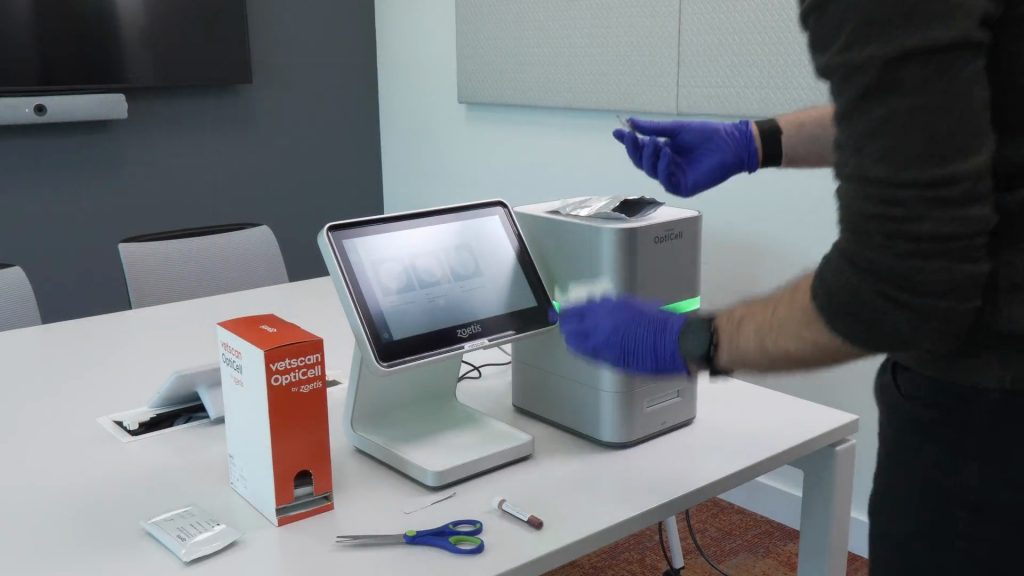
According to recent industry insights from diagnostic leaders such as Zoetis Diagnostics, AI tools are fundamentally altering how clinicians allocate their working hours. In a modern veterinary practice, administrative and routine diagnostic tasks can consume up to 40% of a practitioner’s day. AI-enabled diagnostic platforms streamline decision-making by rapidly processing complex data streams—such as digital imaging and multi-parameter blood work—rendering preliminary insights in seconds rather than hours.
Diagnostic Acceleration: AI algorithms can screen radiographs for signs of early osteoarthritic remodeling or pulmonary changes with high sensitivity, reducing the time spent on initial image review by an estimated 50% to 60%.
Reduced Burnout: By offloading repetitive analytical tasks, AI helps mitigate compassion fatigue and burnout among veterinary technicians and clinicians.
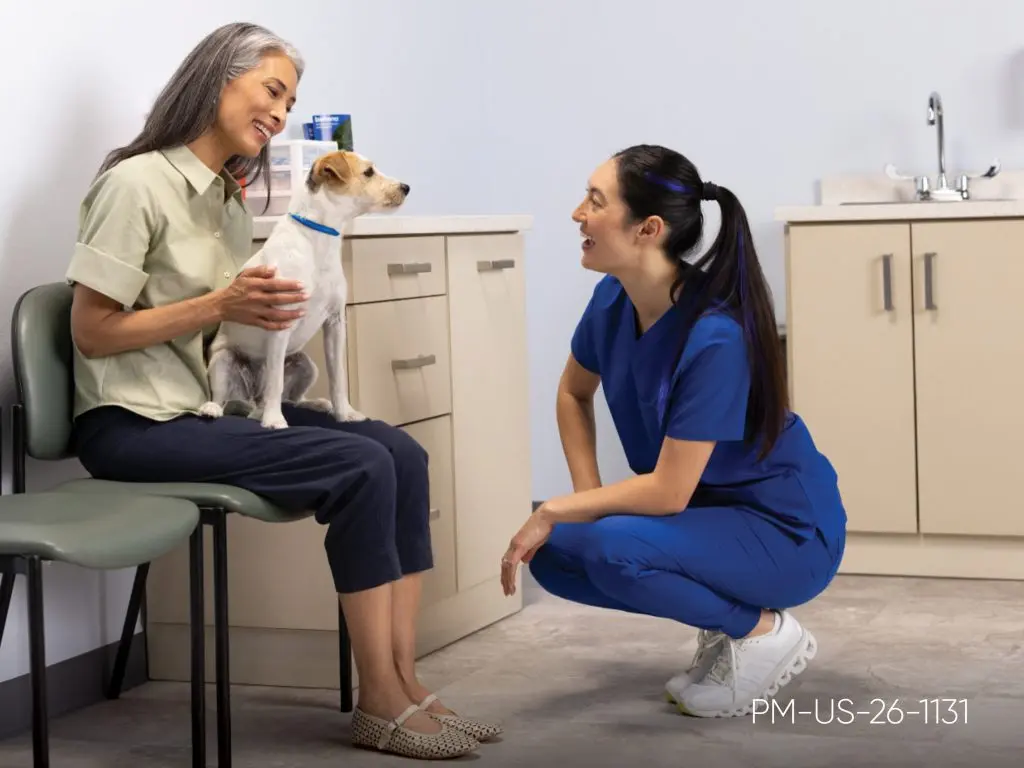
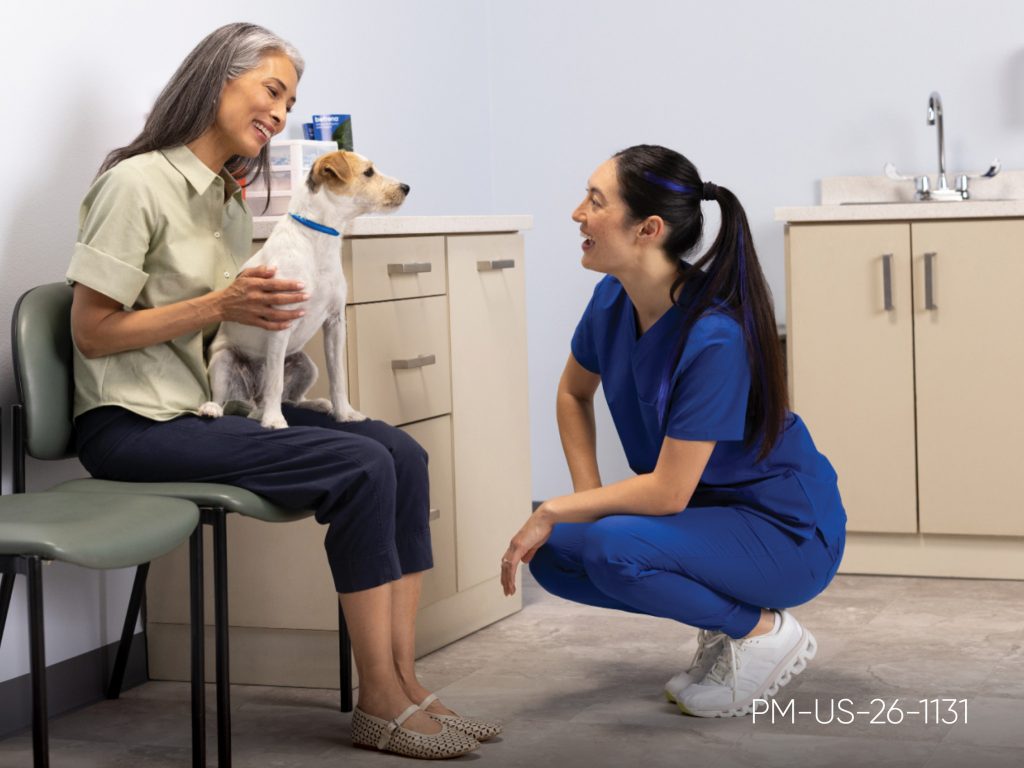
Enhanced Client Communication: With hours "bought back" each week, veterinarians can spend more quality face-to-face time with pet owners, explaining complex prognoses, discussing preventive care plans, and building stronger trust.
Pharmacological Metrics in Canine Osteoarthritis and Atopic Dermatitis
Canine osteoarthritis affects an estimated 20% to 25% of the adult dog population, making it one of the most common chronic conditions managed in veterinary hospitals. Traditional management often focused strictly on masking pain via non-steroidal anti-inflammatory drugs (NSAIDs). However, modern veterinary science recognizes that managing OA pain must also directly address the underlying inflammatory cascade that degrades articular cartilage.
Furthermore, innovations in dermatology have introduced therapies capable of providing up to six weeks of continuous canine allergic itch relief via a single, fast-acting injection. Clinical trials evaluating these long-lasting biologics demonstrate significant reductions in pruritus scores within 24 hours of administration, drastically improving the sleep quality and skin barrier integrity of affected dogs while eliminating the daily pill burden for pet parents.
Official Statements and Expert Perspectives
Industry leaders and clinical educators emphasize that while technology and advanced pharmacology are transforming veterinary medicine, they are designed to augment—not replace—the fundamental human elements of the profession.
Balancing Technology with the Human Touch
Experts note that artificial intelligence should be viewed as an intellectual co-pilot rather than an autonomous decision-maker. As highlighted in recent veterinary education commentaries, AI yields the power to enhance clinical confidence and streamline decision-making without ever replacing the empathy, tactile examination, and intuitive observation that define the veterinary art.
"In the right context, AI yields the power to enhance clinical confidence and streamline decision-making — without replacing the human touch that defines the profession."
— Zoetis Diagnostics
Redefining the Standard of Care
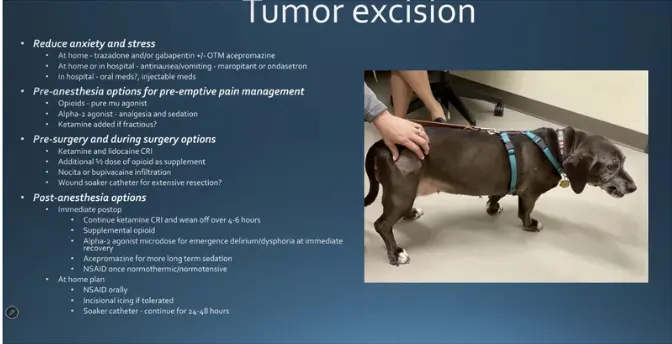
Discussions within premier veterinary publications have also challenged practitioners to look beyond traditional benchmarks. Thought leaders advocate for shifting the industry mindset from a rigid "standard of care" to an empathetic, individualized "standard of caring." This philosophy encourages clinicians to tailor pain management protocols, anesthesia procedures, and preventive wellness schedules to the unique behavioral, physiological, and emotional needs of every animal patient.
When managing complex conditions like canine OA, experts stress that simplification is key to compliance. A therapeutic approach that does not just treat pain, but simultaneously addresses inflammation at a cellular level, provides a more comprehensive pathway to joint preservation and mobility restoration.
Future Outlook: The Next Decade in Veterinary Practice
Looking ahead, the trajectory of veterinary medicine points toward hyper-personalized, tech-augmented care. As AI platforms become more sophisticated, predictive analytics will likely allow clinicians to forecast disease onset—such as early-stage renal failure, hip dysplasia, or specific dermatological predispositions—months or even years before clinical signs manifest.
The Expansion of Multimodal and Biological Therapeutics
The pipeline for veterinary pharmaceuticals is increasingly focused on biologics, monoclonal antibodies, and gene therapies. These modalities offer high target specificity with minimal systemic toxicity. In the realm of canine osteoarthritis and chronic pain, upcoming therapeutics will likely feature even longer dosing intervals, regenerative medicine integrations (such as stem cell and platelet-rich plasma therapies), and continuous remote patient monitoring via wearable sensors.
Elevating the Client-Patient-Veterinarian Relationship
Ultimately, the goal of these technological and pharmacological advancements is to strengthen the bond between humans and animals. By eliminating the friction of administrative delays, reducing the stress of daily medication administration, and providing precise, effective relief for chronic ailments, veterinary professionals are poised to deliver an unprecedented quality of care.
As the industry continues to embrace innovations in AI diagnostics and dual-action therapeutics, the future remains bright for veterinary teams dedicated to ensuring that our animal companions live longer, healthier, and pain-free lives.