
Executive Overview
Modern veterinary medicine stands at an unprecedented intersection of nutritional science, targeted pharmacology, and proactive pathology management. As companion animal medicine evolves to meet the higher standards expected by contemporary pet owners, the veterinary community increasingly recognizes that traditional, reactive treatment paradigms are no longer sufficient. Achieving optimal patient outcomes requires holistic interventions that begin at the earliest stages of clinical evaluation—whether navigating the delicate post-operative recovery window or mitigating the long-term, degenerative cascade of chronic joint disease.
Recent advancements highlighted across veterinary practice circles emphasize two critical pillars of modern animal care: highly digestible nutritional intervention for post-surgical recovery, and a fundamental re-evaluation of canine osteoarthritis (OA) as a primary disease of synovial inflammation rather than simply a localized source of mechanical pain. Interventions such as Hill’s Prescription Diet i/d nutrition represent the gold standard in supporting gastrointestinal integrity and systemic recovery during the vulnerable post-operative phase. Simultaneously, innovative therapeutic approaches championed by organizations like Exubrion Therapeutics are reshaping how clinicians approach canine joint health by targeting synovial inflammation at its root.
This comprehensive report explores the clinical implications of these developments, examining how early nutritional intervention accelerates post-surgical healing and how a proactive, anti-inflammatory framework is transforming the prognosis for millions of dogs suffering from degenerative joint diseases. By synthesizing current expert insights, physiological mechanisms, and evolving treatment guidelines, this article provides veterinary professionals with an authoritative roadmap for elevating standard patient care.
Detailed Chronology: The Evolution of Proactive Veterinary Therapeutics
The trajectory of veterinary medicine over the past decade has been characterized by a distinct shift from symptomatic management to preventive and early-intervention strategies. Understanding how the industry arrived at current therapeutic standards requires examining the chronological development of clinical nutrition and osteoarthritis management protocols.
Phase One: The Reactive Paradigm (Pre-2015)
Historically, veterinary interventions were predominantly reactive. In surgical contexts, nutritional management was rarely prioritized during the initial consultation; instead, feeding protocols were often adjusted only after complications—such as post-operative ileus, hyporexia, or nutrient malabsorption—manifested. Similarly, canine osteoarthritis was viewed primarily as a "wear-and-tear" mechanical condition associated with aging. Treatment protocols typically relied heavily on non-steroidal anti-inflammatory drugs (NSAIDs) only after the patient exhibited overt lameness, chronic discomfort, and structural cartilage degradation.

Phase Two: The Rise of Early Nutritional Integration (2015–2020)
As clinical gastroenterology and critical care nutrition gained prominence, veterinary researchers began to emphasize the critical role of early enteral nutrition in post-operative patients. Studies demonstrated that introducing highly digestible diets within the first 24 to 48 hours post-surgery significantly reduced hospital stay durations, preserved enterocyte integrity, and expedited overall recovery. Concurrently, specialized formulations like Hill’s Prescription Diet i/d emerged as frontline recommendations, designed specifically to deliver optimal macronutrient profiles that minimize digestive workload while maximizing nutrient bioavailability.
Phase Three: The Anti-inflammatory Revolution in Joint Health (2020–Present)
Most recently, veterinary rheumatology and orthopedics underwent a paradigm shift regarding canine osteoarthritis. Clinicians recognized that treating pain alone was insufficient to halt disease progression. Pioneered by insights from therapeutic developers like Exubrion Therapeutics, the veterinary community began redefining OA as a systemic inflammatory disease anchored within the synovial membrane. This period marked the introduction of advanced localized therapies aimed at modulating synovial inflammation proactively, shifting the clinical objective from managing end-stage joint pain to interrupting the inflammatory cascade before irreversible cartilage destruction occurs.
Supporting Context & Metrics: Nutritional Science and Synovial Pathophysiology
To fully appreciate the impact of these modern clinical strategies, one must examine the underlying biochemical and physiological mechanisms that dictate patient recovery and disease progression.
Post-Operative Recovery and the Role of Highly Digestible Nutrition
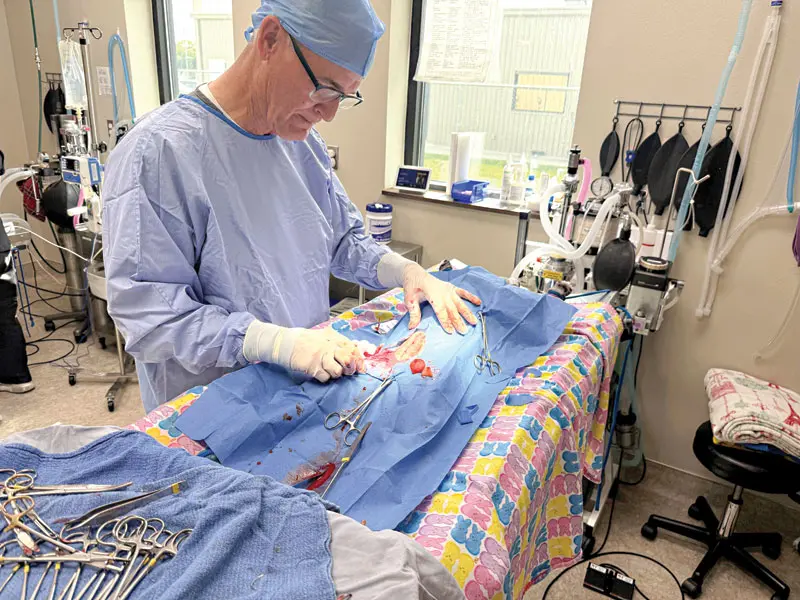
Surgery induces a state of hypermetabolism and systemic stress, characterized by catabolism, immune activation, and increased nutritional demands. When a patient undergoes surgical intervention—particularly procedures involving the gastrointestinal tract or major orthopedic repairs requiring enforced rest—the digestive system often experiences temporary dysfunction or reduced absorptive capacity.
- Enterocyte Preservation: The intestinal mucosa relies heavily on luminal nutrition to maintain its structural and functional integrity. Starvation or inappropriate diet selection leads to mucosal atrophy, bacterial translocation, and systemic inflammatory response syndrome (SIRS).
- Macronutrient Optimization: Highly digestible diets, such as Hill’s Prescription Diet i/d, are formulated with precisely balanced proteins, highly soluble and insoluble fibers, and controlled fat levels. This composition ensures rapid gastric emptying and effortless nutrient absorption, preventing secondary gastrointestinal complications while supplying the essential amino acids and micronutrients required for tissue repair and collagen synthesis.
- Early Implementation Metrics: Clinical data indicates that introducing specialized, highly digestible nutrition at the first post-operative appointment significantly decreases the incidence of post-surgical regurgitation, vomiting, and prolonged anorexia, thereby accelerating the patient’s return to baseline weight and systemic stability.
Reframing Canine Osteoarthritis: Beyond Pain to Synovial Inflammation
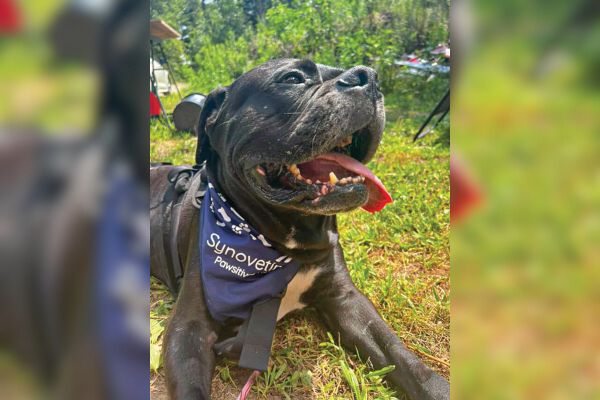
Canine osteoarthritis affects an estimated 20% to 25% of the adult dog population, making it one of the most prevalent chronic conditions encountered in general practice. Historically misunderstood as merely a mechanical breakdown of articular cartilage, contemporary veterinary science identifies synovitis—inflammation of the synovial membrane—as the primary driver of OA pathophysiology.
[Initial Joint Trauma/Stress]
       │
       ▼
[Synovial Membrane Activation]
       │
       ▼
[Pro-inflammatory Cytokine Release (IL-1β, TNF-α)]
       │
       ▼
[Cartilage Degradation & Pain Signaling ("The Blaze")]
       │
       ▼
[Chronic Degenerative Joint Disease (OA)]- The Inflammatory Cascade: When a joint experiences chronic biomechanical stress or initial injury, the synovial lining responds by releasing pro-inflammatory cytokines, including interleukin-1 beta (IL-1β) and tumor necrosis factor-alpha (TNF-α). These mediators recruit inflammatory cells into the joint space, amplifying cartilage matrix degradation and stimulating nociceptors (pain receptors).
- "Keeping the Blaze at Bay": Effective OA management requires extinguishing this inflammatory fire at its source. By targeting synovial inflammation directly—rather than waiting for structural failure—veterinarians can interrupt the disease cycle. Proactive strategies stabilize the joint environment, reduce synovial hyperplasia, and preserve the remaining articular cartilage, ultimately extending the active, pain-free lifespan of the canine patient.
Official Statements and Industry Insights
Leading veterinary organizations, specialized therapeutics manufacturers, and clinical nutritionists emphasize that proactive communication and early intervention are the bedrock of modern veterinary excellence.
The Value of First-Appointment Nutritional Consultations
According to clinical nutrition guidelines, the initial post-operative or wellness appointment represents a critical window of opportunity. Experts note that pet owners are exceptionally receptive to guidance during this initial consultation.
"Recommending targeted, highly digestible nutrition—such as Hill’s Prescription Diet i/d—at the very first post-operative appointment changes the trajectory of recovery. It eliminates guesswork for the pet owner, protects the compromised GI tract, and provides the exact biochemical building blocks necessary for rapid tissue healing." — Clinical Veterinary Nutritionist
By integrating nutritional recommendations directly into discharge and follow-up protocols, veterinary teams ensure compliance and bridge the gap between hospital care and home recovery.
Redefining Arthritis Care: Industry Perspectives
The paradigm shift toward treating synovial inflammation has garnered substantial backing from innovative veterinary pharmaceutical and therapeutic companies. Exubrion Therapeutics and related industry leaders advocate for an educational re-framing of canine osteoarthritis.

"It’s time to reframe arthritis not just as a painful condition, but as a disease of rampant synovial inflammation. In adopting a proactive treatment strategy that is aimed at modulating the inflammatory process, veterinarians can now provide more effective, long-term care." — Exubrion Therapeutics Educational Initiative
This perspective encourages practitioners to look beyond immediate pain relief (such as masking lameness with standard analgesics) and focus on disease modification. By addressing the underlying inflammatory drivers within the synovial membrane, veterinary medicine moves closer to true disease control.
Future Outlook: The Next Decade in Veterinary Practice
As veterinary medicine looks toward the future, several trends and technological integrations promise to further refine post-operative care and chronic disease management.
Personalized Nutritional Genomics
The future of clinical nutrition lies in nutrigenomics and personalized diet formulations. As diagnostic capabilities expand, veterinarians will increasingly utilize genetic screening and biomarker profiling to tailor post-operative diets to the individual metabolic and inflammatory profile of the patient. This precision approach will optimize healing times and minimize adverse reactions in sensitive animals.
Advanced Biologics and Synovial Modulators
In the realm of orthopedics, the shift toward proactive synovitis management will accelerate the adoption of advanced biologics, intra-articular radioisotope therapies (such as tin-117m synoviorthesis), and targeted monoclonal antibodies. These interventions are designed to provide sustained, localized anti-inflammatory effects with minimal systemic toxicity, allowing dogs with osteoarthritis to maintain high mobility and quality of life for years longer than previously possible.
Integrated Client Education Platforms
Bridging the gap between clinic and home remains a primary objective for veterinary practices. The integration of digital education centers, sponsored clinical modules, and automated client communication platforms will ensure that pet owners remain informed about the critical nature of early nutritional support and proactive joint management. By empowering clients with accessible, authoritative information, veterinary teams can foster greater compliance and ensure superior long-term health outcomes for their patients.
Conclusion
The evolution of modern veterinary practice hinges on a proactive philosophy: anticipate complications before they arise, intervene nutritionally at the earliest opportunity, and treat chronic diseases at their physiological root. By recommending specialized, highly digestible diets like Hill’s Prescription Diet i/d during initial post-operative appointments, clinicians safeguard gastrointestinal health and accelerate recovery. Simultaneously, by reframing canine osteoarthritis as an inflammatory disease of the synovium and adopting targeted, disease-modifying strategies, veterinarians can effectively extinguish the inflammatory blaze before permanent damage occurs. Through these advanced, comprehensive approaches, the veterinary profession continues to elevate the standard of care, ensuring healthier, more vibrant lives for canine and feline patients alike.