
By Sebastian Sindermann | Published February 7, 2020
Executive Overview
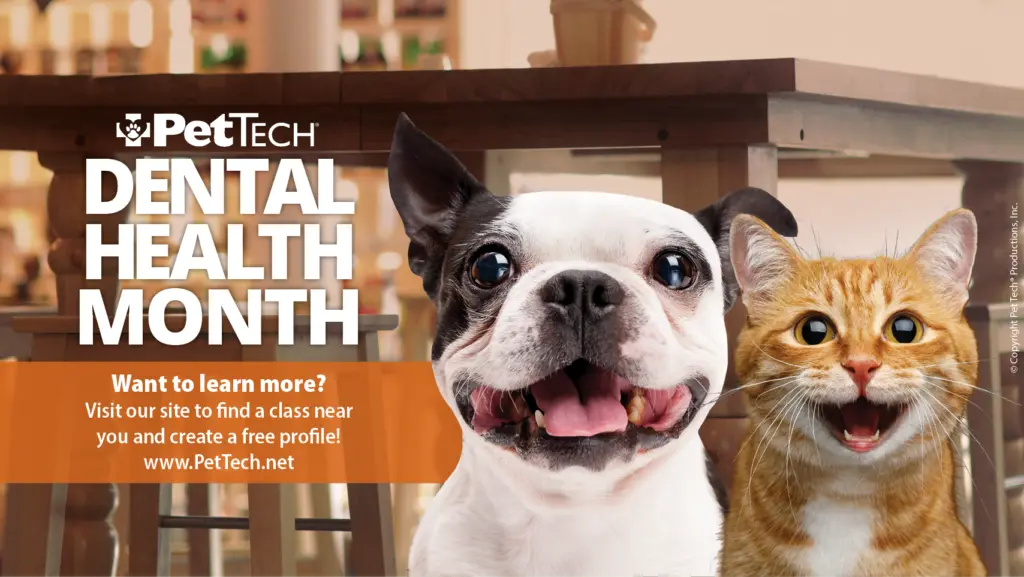
Every February, the veterinary community and dedicated animal advocates rally together to observe National Pet Dental Health Month. While the campaign features lighthearted messaging and images of sparkling canine smiles, the underlying mission addresses a severe, often-overlooked medical crisis: the silent epidemic of pet periodontal disease.
For many pet owners, oral care is restricted to throwing a chew toy across the living room or ignoring a mild case of "dog breath" as an inevitable quirk of pet ownership. However, modern veterinary science reveals a starkly different reality. By the age of three, an astonishing majority of dogs and cats already exhibit early-stage signs of periodontal disease. More alarming still, the ramifications of poor oral hygiene extend far beyond localized tooth decay and foul odors. Unchecked dental disease acts as a direct gateway for systemic inflammation, threatening vital organs including the heart, liver, and kidneys.
This comprehensive report explores the physiological mechanics of pet dental disease, analyzes the staggering statistics provided by organizations like the American Veterinary Dental Society (AVDS), and outlines a proactive roadmap for pet parents. By pairing at-home routines—such as daily teeth brushing—with professional veterinary interventions, owners can dramatically extend and improve the quality of their pets’ lives.
Detailed Chronology & Evolution of Pet Dental Awareness
To understand where we stand today in the realm of veterinary preventative medicine, it is helpful to examine how pet dental care has evolved over the past several decades.
The Era of "Doggie Breath" Acceptance (Pre-1990s)
For generations, the prevailing cultural attitude toward companion animal hygiene was remarkably lax. "Doggie breath" and "cat breath" were widely accepted as normal, unavoidable characteristics of sharing a home with animals. Veterinary care during this era was largely reactive; pets were typically brought to clinics only when an acute crisis occurred—such as a broken bone, severe trauma, or an advanced, visibly painful abscess. Proactive dental cleanings under general anesthesia were viewed by the general public as an unnecessary luxury rather than a fundamental component of preventative medicine.
The Paradigm Shift and the Birth of Advocacy (Late 1990s – 2010s)
As veterinary medicine advanced, researchers began mapping the undeniable connection between oral bacteria and systemic organ disease. Veterinary dental specialists published landmark studies proving that bacteria residing in dental plaque could easily enter the bloodstream during routine chewing, migrating to the heart valves, kidneys, and liver.
Recognizing the urgent need for public education, veterinary associations and animal health coalitions established National Pet Dental Health Month every February. This concentrated period of awareness transformed how veterinarians communicated with clients. Clinics began offering discounted dental check-ups, educational seminars, and live demonstrations on how to brush a dog or cat’s teeth at home.
The Modern Era of Preventative Pet Parenting (Present Day)
Today, pet dental health is recognized as a cornerstone of longevity. The modern pet care ecosystem features an expansive array of specialized products—ranging from enzymatic toothpastes and water additives to veterinary-approved dental diets and interactive chew toys. Despite these advancements, veterinary professionals report that pet dental disease remains the most common clinical condition treated in veterinary practices worldwide, proving that continuous education and vigilance remain critically necessary.
Supporting Context & Metrics: The Scale of the Crisis
Statistics compiled by veterinary governing bodies paint a sobering picture of companion animal oral health. The data illustrates a rapid progression from minor plaque accumulation to severe, irreversible systemic damage if left unaddressed.
Key Epidemiological Metrics
- The Three-Year Threshold: According to data from the American Veterinary Dental Society (AVDS), more than 80% of dogs and 70% of cats show clinical signs of periodontal disease by the time they reach three years of age.
- The Progression Timeline: Without intervention, accumulated plaque calcifies into calculus (tartar) within 24 to 72 hours, setting the stage for gingivitis within weeks.
- Systemic Risk Multipliers: Pets with advanced periodontal disease face a significantly higher lifetime risk of developing chronic renal failure, cardiomyopathy, and hepatic complications due to bacteremia (bacteria in the blood).
Anatomical and Environmental Contributing Factors
Understanding why pets develop dental disease requires a look at the various contributing factors identified by veterinary epidemiologists:
- Age and Genetic Predisposition: Just as in humans, older pets are at significantly greater risk due to the cumulative lifetime exposure to plaque and tartar. Additionally, brachycephalic breeds (such as Pugs, Boxers, and Persian cats) feature crowded tooth alignments, creating tight spaces that trap food particles and accelerate decay.
- Dietary Composition: Evolutionary biology meets modern convenience in pet nutrition. Soft, mushy, canned diets leave behind sticky residues that adhere to the tooth surface far more aggressively than dry, abrasive kibble formulations designed to mechanically scrub teeth during mastication.
- Chewing Behavior and Enrichment: Boredom and a lack of appropriate chew outlets can lead to insufficient natural jaw exercise, reducing the natural salivation and mechanical friction that helps keep teeth relatively clean in the wild.
Official Statements & Expert Perspectives
To gauge the gravity of the situation, veterinary professionals continue to issue urgent guidance emphasizing that oral care is a non-negotiable pillar of animal welfare.
Dr. Eleanor Vance, a board-certified veterinary dentist, notes:
"When an owner tells me they have accepted their dog’s bad breath as normal, I tell them that foul odors are never normal—they are a chemical distress signal. Bad breath is the olfactory manifestation of millions of anaerobic bacteria decomposing organic matter and destroying the supporting structures of your pet’s teeth. Treating the odor without addressing the underlying periodontal infection is like painting over mold on a water-damaged wall."
Furthermore, veterinary toxicologists and internal medicine specialists frequently emphasize the hidden danger of blood-borne infections originating from the oral cavity. Because the gums are exceptionally vascular, constant inflammation allows millions of bacteria to cross the mucosal barrier every time a pet chews or swallows. These pathogens circulate freely throughout the body, frequently colonizing the delicate tissues of the heart valves (endocarditis) and filtering units of the kidneys.
Anatomy of an Unhealthy Mouth: Spotting the Warning Signs
Recognizing the early indicators of dental distress is the ultimate responsibility of the pet parent. Because animals instinctively mask pain as a survival mechanism, they rarely yelp or whine when suffering from a toothache. Instead, owners must look for subtle behavioral and physical cues.
The Visual Checklist
- Gingival Color: A healthy pet’s gums should exhibit a uniform, bubble-gum pink color. Bright red margins along the gumline (gingivitis), dark purple discoloration, or pale tissue indicate inflammation and distress.
- Tartar Accumulation: Teeth should be white and free of calcified deposits. Yellow, brown, or dark green crusts accumulating near the gumline signify hardened calculus that cannot be removed by brushing alone and requires professional ultrasonic scaling.
- Odor Analysis: Persistent halitosis ("doggie" or "kitty" breath) is an immediate red flag. While a dog who just ate a questionable item from the yard will have temporary bad breath, chronic foul odors indicate active bacterial infection and decaying tissue.
Behavioral Indicators of Oral Pain
- Reluctance to Eat Hard Foods: A pet suddenly dropping kibble, chewing on only one side of the mouth, or showing sudden disinterest in favorite hard treats may be experiencing severe dental pain.
- Pawing at the Mouth: Rubbing the face against carpets, furniture, or using paws to scratch at the jaw indicates localized discomfort, broken teeth, or foreign objects lodged between teeth.
- Behavioral Shifts: Chronic, low-grade pain often manifests as irritability, lethargy, or withdrawal from family interactions. Once dental disease is treated, owners frequently report that their pets seem years younger, suddenly rediscovering their playful energy.
A Comprehensive Action Plan for Ultimate Pet Parents
Protecting your pet’s oral health does not require a degree in veterinary medicine, but it does require consistency, dedication, and the right tools. Implementing a multi-layered preventative strategy is the most effective approach.
1. Daily At-Home Brushing
The gold standard of preventative pet care is daily teeth brushing.
- Never use human toothpaste: Human formulations contain fluoride, detergents, and artificial sweeteners like xylitol, which are highly toxic to animals. Always use enzymatic pet toothpastes flavored with poultry, beef, or malt.
- Gradual Desensitization: Introduce your pet to the process slowly. Start by letting them taste the pet toothpaste from your finger. Next, gently lift their lips and rub your finger along their gums. Once they accept this, introduce a soft-bristled pet toothbrush or a silicone finger brush. Focus primarily on the outer surfaces of the upper teeth, where plaque accumulates most rapidly.
2. Strategic Dietary and Enrichment Choices
- Veterinary-Approved Dental Diets: Consult your veterinarian regarding prescription kibbles formulated with specialized fiber matrices that do not shatter immediately upon contact, allowing the tooth to penetrate deep into the kibble for a mechanical cleansing action.
- Safe Chew Toys: Provide durable rubber chew toys (such as those certified by the Veterinary Oral Health Council – VOHC) that stimulate saliva production and promote jaw strength without risking fractured teeth (avoid hard bones, antlers, and nylon toys that are too rigid).
3. Professional Veterinary Cleanings
Even with diligent daily brushing, microscopic plaque will eventually accumulate beneath the gumline where bristles cannot reach. Annual or biannual veterinary examinations featuring comprehensive dental cleanings under general anesthesia are essential.
- The Importance of Anesthesia: A thorough dental cleaning requires scaling above and below the gumline, dental probing for periodontal pockets, and full-mouth dental radiographs (X-rays) to view roots beneath the bone. This level of precision is impossible in an awake animal, making safe anesthesia a necessary component of modern veterinary dentistry.
Future Outlook: The Horizon of Veterinary Dentistry
As veterinary medicine continues to progress, the future of pet dental care promises even greater precision, accessibility, and preventative power.
Innovations on the horizon include advanced salivary diagnostic kits that can detect the specific bacterial strains responsible for periodontal disease long before clinical symptoms appear. Additionally, regenerative medicine—such as stem cell therapies and bone-grafting matrices—is beginning to offer hope for saving teeth that previously would have required immediate extraction.
Tele-triage applications are also transforming how owners monitor their pets’ health between annual visits, allowing individuals to upload high-resolution photographs of their pets’ teeth for preliminary veterinary evaluation.
Conclusion: Take the Next Step
National Pet Dental Health Month serves as an invaluable annual reminder, but the commitment to your pet’s oral well-being must endure all year round. Do not ignore stinky breath or wait for your companion to suffer in silence. Empower yourself with knowledge, establish a daily brushing routine, schedule your veterinarian appointments, and take an active role by seeking comprehensive education through certified pet care, first aid, and wellness training programs today. Your pet’s long, healthy, and happy life depends on it.