
Executive Overview
In the fast-evolving landscape of the pet industry, standard business narratives often revolve around venture capital infusions, high-tech silicon valley incubators, and sleek corporate headquarters. However, the true bedrock of the pet care education movement was forged in a far more unassuming environment: a converted two-car garage in Southern California, warmed by the unwavering dedication of a human-canine partnership.
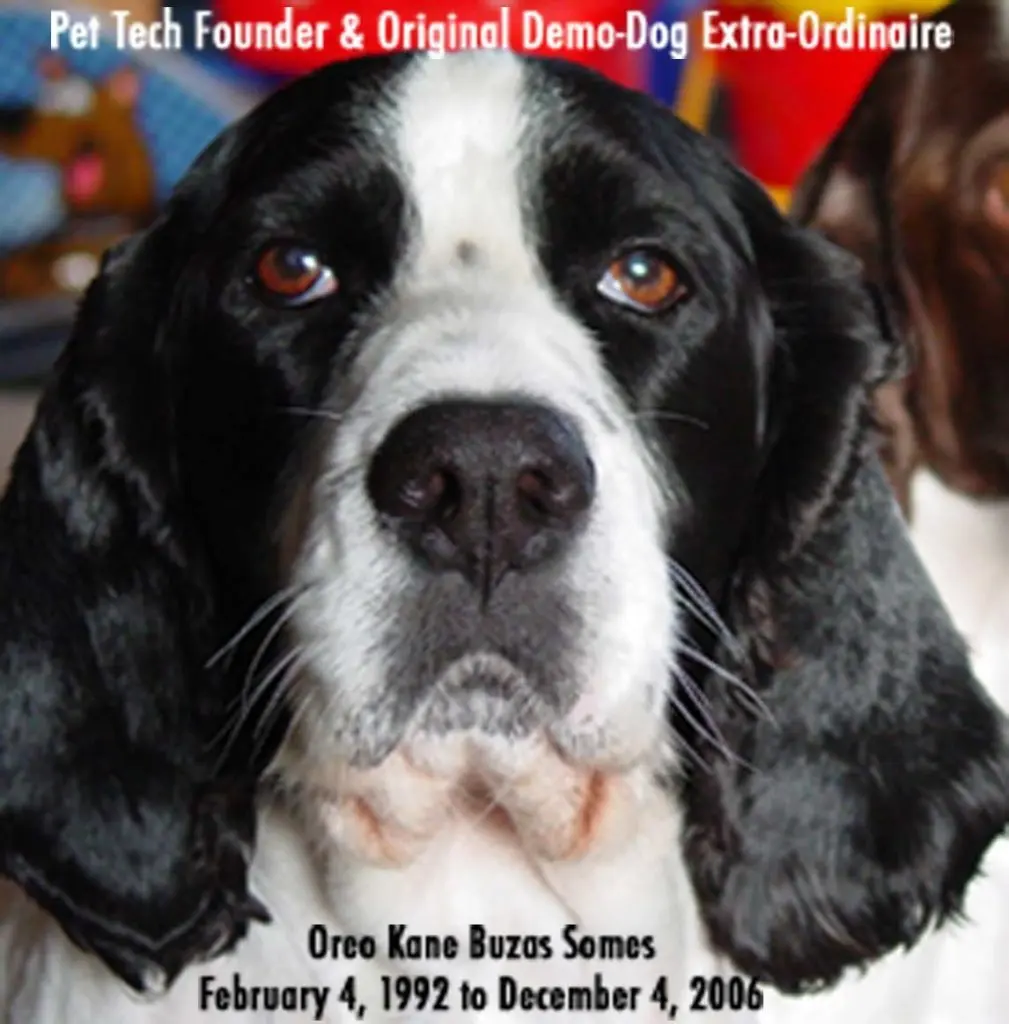
On August 10, 2020, Thom Somes, founder of Pet Tech—the international training and certification resource for pet first aid and CPR—shared a retrospective look at the company’s genesis. Central to this reflection was Oreo, affectionately remembered as the company’s inaugural "Demo-Dog" and true Canine Co-Founder. Oreo was more than a mascot; she was an operational asset, a pedagogical tool, and a beloved ambassador who transformed clinical emergency training into an empathetic, hands-on masterclass.
This retrospective offers more than a sentimental journey down memory lane. It serves as an instructive case study in bootstrap entrepreneurship, the strategic integration of working animals within small business frameworks, and the vision required to scale an enterprise from a residential backyard to a globally recognized brand. By exploring Oreo’s vital role in the classroom, the tax and marketing implications of utilizing working pets, and the improbable transformation of a suburban garage into a cutting-edge corporate hub, this article explores how vision, passion, and a generous supply of liver treats built an industry leader from the ground up.
Detailed Chronology: From Garage Blueprint to Global Brand
The Humble Inception: The 2-Car Office Era
Long before Pet Tech became a household name among pet professionals, groomers, and devoted pet parents, its corporate headquarters consisted of a residential two-car garage. In the early developmental phases of the company, physical space was at a premium, and every capital expenditure had to be meticulously justified. Rather than leasing expensive commercial real estate that could have easily suffocated a fledgling enterprise, Somes chose an alternative path of resourcefulness.
The transformation of the garage into a functional corporate office was a family-and-friends endeavor. Somes flew his brother, Ken, in from Michigan to spearhead the structural conversion. What followed was a masterclass in spatial optimization and DIY commercial design.
[2-Car Garage Shell]
       │
       ├──► Insulation & Subflooring Installation (Ken Somes, Michigan)
       ├──► Wall-to-Wall Carpeting for Acoustics & Comfort
       ├──► Integrated Technology: Corner-Mounted TV & 6-Foot Whiteboard
       ├──► Electrical Rewiring for Dual Workstations
       └──► Furnishing: Dual Desks & 10-Foot Executive Conference Table
The sensory experience of arriving at the Pet Tech headquarters for the first time became legendary among early students and partners. Visitors would navigate the exterior of the residential property, walk past the backyard swimming pool, and step through the newly installed office door. The contrast was so striking that it frequently elicited stunned silence.
Somes often compared the visitor reactions to the dramatic reveals seen on home renovation and restaurant makeover television shows. Students would step across the threshold, stop dead in their tracks, take in the plush carpeting, the sprawling ten-foot conference table, and the glowing instructional displays, and simply absorb the transformation. Without the financial buffer and low overhead provided by that improvised two-car office during its formative years, the institutional survival of Pet Tech would have been in grave jeopardy. It was a crucible of productivity where the foundational curricula of canine and feline emergency response were meticulously authored, refined, and tested.
The Rise of Oreo: The Canine Co-Founder Takes the Floor
As the curriculum solidified, Somes recognized a fundamental pedagogical challenge: teaching life-saving medical response techniques—such as artificial respiration, cardiopulmonary resuscitation (CPR), and physiological assessments—requires tactile repetition. While medical manikins provide structural utility, they lack the organic feedback of a living animal. Enter Oreo.
Oreo immediately established herself as a Demo-Dog Extraordinaire. She possessed an intuitive understanding of her professional responsibilities, approaching her role with an enthusiasm that elevated the classroom experience. Oreo’s daily routine within the corporate training center followed a precise, therapeutic rhythm:
- The Greeter’s Protocol: As students trickled into the classroom, feeling the natural trepidation associated with high-stakes medical training, Oreo was stationed at the entrance to offer a calming, tail-wagging welcome.
- The "Fur-Fix" Intervention: Recognizing that many attendees were professional pet care providers, groomers, and passionate owners forced to leave their own animals at home, Oreo made the rounds. She allowed students to reach back, stroke her fur, and receive their much-needed emotional grounding—a psychological stabilization known within the community as the "fur-fix."
- Clinical Compliance: During hands-on instructional blocks, Oreo served as the primary living model. Students practiced locating pulses, assessing capillary refill times, and evaluating respiratory rates on her compliant frame.
- The Snout-to-Tail Finale: Every comprehensive Pet Tech training module incorporates the signature "Snout-to-Tail Assessment." For Oreo, this systematic physical checkup became a conditioned routine that invariably ended with her rolling over onto her back for her earned reward: a thorough, affectionate belly rub.
Oreo’s motivational currency was straightforward, highly traditional, and remarkably effective. Whether motivated by the savory allure of high-grade liver treats or the creamy temptation of peanut butter, she executed her duties with unwavering precision. A memorable incident at a local dog-wash-hosted training session highlighted her magnetic appeal: a student, instantly captivated by Oreo’s gentle demeanor and professional composure, walked over to the facility’s retail counter and purchased a giant, premium can of liver treats entirely out of pocket to reward her instruction.
Supporting Context & Metrics: Working Animals in Business
Oreo’s contributions transcended classroom morale and instructional utility; she was also an active participant in Pet Tech’s marketing apparatus, modeling for training manuals, instructional photography, promotional videos, and trade show displays. This multifaceted role raises important questions regarding the legal, tax, and operational frameworks governing working animals within small businesses.
The Business Case for Working Pets
In the United States and various international jurisdictions, the Internal Revenue Service (IRS) and equivalent tax authorities permit businesses to deduct ordinary and necessary expenses incurred in the operation of a trade or business. When an animal transitions from a domestic pet to an integral, documented component of a commercial enterprise—such as an official corporate mascot, training model, or brand ambassador—the classification of care expenses shifts.
┌────────────────────────────────────────────────────────┐
│               WORKING PET EXPENDITURE                  │
├──────────────────────────┬─────────────────────────────┤
│ Qualified Business Costs │ Non-Qualified / Personal    │
├──────────────────────────┼─────────────────────────────┤
│ • Veterinary Care        │ • Routine Personal Toys     │
│ • Commercial Pet Food    │ • Non-Business Leisure      │
│ • Specialized Training   │ • General Household Care    │
│ • Marketing/Media Props  │ • Standard Vet Visits       │
└──────────────────────────┴─────────────────────────────┘
For Pet Tech instructors—many of whom utilize demo-dogs and demo-cats in their respective classrooms—the integration of animals into daily operations opens specific avenues for business expense documentation. Items traditionally categorized as personal consumption can be legitimately reallocated when meeting strict business utility thresholds:
- Veterinary Care: Routine checkups and emergency interventions required to maintain the physical fitness and longevity of a working demo-dog or cat.
- Nutritional Provision: High-quality commercial dog food and training treats (such as Oreo’s favored liver treats) utilized directly during instructional demonstrations and promotional shoots.
- Quality-of-Life Purchases: Equipment, crates, grooming supplies, and travel comforts necessary to keep the animal safe and camera-ready during cross-country conferences and trade show appearances.
Industry Caveat: Tax professionals universally advise that business owners must maintain meticulous documentation—including photographic evidence of marketing use, class logs, and itemized receipts—to substantiate the commercial role of a working animal in the event of an audit.
Official Statements and Industry Reflections
The reflections published by Thom Somes in August 2020 encapsulate the sentimental and strategic philosophy that has guided Pet Tech for decades. Rather than viewing animals merely as property or domestic companions, the Pet Tech corporate culture elevates working animals to active stakeholders in corporate development.
"She was the first Demo-Dog for Pet Tech and truly the Canine Co-Founder of Pet Tech! What made her a Demo-Dog Extra-ordinaire is that she knew she had a job to do and loved every minute of it."
— Thom Somes, Founder of Pet Tech
This philosophy has permeated the entire instructor network. Across the globe, certified Pet Tech educators utilize their personal pets—spanning various canine breeds and even specialized feline instructors—to teach the nuances of pet CPR, first aid, and disaster preparedness. By bridging the gap between clinical theory and living anatomy, these working animals validate the safety protocols taught in every seminar.
Furthermore, the recounting of the "2-Car Office" stands as an institutional reminder of humility and determination. In an industry where corporate polish can sometimes obscure genuine empathy, Pet Tech’s founders remain transparent about their humble beginnings. The image of students stepping past a backyard swimming pool to enter a carpeted garage outfitted with a ten-foot conference table reinforces a powerful message: excellence is defined not by the grandeur of an address, but by the quality of the education delivered within its walls.
Future Outlook: Legacy, Innovation, and the Next Generation
As the pet care industry continues to expand—driven by record levels of pet ownership, humanization of companion animals, and heightened awareness of animal health and wellness—the foundational lessons established by Oreo and the two-car office remain profoundly relevant.
Continuing the Legacy of Hands-On Education
While virtual reality, digital training modules, and advanced manikins continue to enter the educational technology space, the core philosophy championed by Oreo remains unmatched: the irreplaceable value of living connection. Pet Tech’s ongoing curriculum development emphasizes that emergency response training must remain tactile, empathetic, and grounded in real-world application.
Scalable Entrepreneurship in the Pet Sector
For aspiring entrepreneurs entering the pet services ecosystem—whether launching mobile grooming vans, specialized training academies, or pet first aid certification networks—the Pet Tech origin story provides a clear roadmap:
- Embrace Low Overhead: Utilize existing residential spaces or adaptive reuse models in the early phases to conserve capital and avoid premature financial overextension.
- Leverage Unique Assets: Integrate working animals authentically into your business model, ensuring their welfare is prioritized while maximizing their utility in marketing and instruction.
- Foster Community Connection: Create environments where clients, students, and animals feel welcomed, valued, and emotionally supported.
Oreo may have crossed the rainbow bridge, but her legacy is permanently etched into the corporate DNA of Pet Tech. Every time a student practices a Snout-To-Tail Assessment, reaches back for a pulse, or rewards a demo-dog with a liver treat, they are participating in a tradition that started in a converted Michigan-built garage in Southern California—proof positive that with dedication, vision, and a pocket full of peanut butter, even the most modest beginnings can change an industry forever.