Date: August 19, 2026 Organization: Alley Cat Allies Reporting Desk: National Feline Welfare and Legislative Update
Executive Overview
The landscape of community cat advocacy, animal welfare legislation, and direct veterinary rescue operations faces a dynamic intersection of challenges and triumphs. As local municipalities grapple with population management strategies, legislative bodies continue to propose punitive measures that animal advocates argue are both inhumane and counterproductive. Most notably, a newly proposed ordinance in Ripon, California, threatens to criminalize the compassionate act of feeding community cats, imposing unwarranted financial burdens on dedicated caregivers.
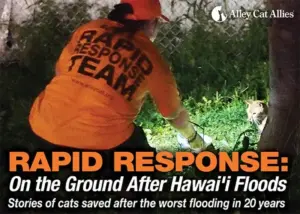
Simultaneously, frontline disaster relief initiatives remain imperative. Alley Cat Allies’ San Juan Cat Protection Team continues its vital mission on the ground in Puerto Rico, delivering emergency hydration and nutritional supplies amid an ongoing water crisis. Across the continental United States, rescue operations are working at maximum capacity to navigate the height of kitten season. From intercepting vulnerable feline families at overburdened municipal shelters to celebrating the remarkable recoveries of individual survivors like Woody, the collective efforts of advocates, donors, and veterinary partners demonstrate a unified commitment to protecting cats of every background, coat color, and age.
This comprehensive report examines the legislative threats in Ripon, details ongoing disaster response efforts in the Caribbean, highlights the persistent cultural and policy challenges facing black cats, and showcases real-world rescue milestones that underscore the transformative impact of compassionate, science-based animal welfare interventions.
Detailed Chronology: Recent Developments in Feline Welfare
The Ripon, California Legislative Battle
In the municipal chambers of Ripon, California, a contentious policy debate has emerged surrounding the management of free-roaming, unowned, or community cats. Local officials are weighing a proposed feeding ban that would fundamentally alter the legal landscape for community cat caretakers. Under the proposed ordinance, individuals who provide life-sustaining food to outdoor cats could be slapped with a $100 fine per infraction.
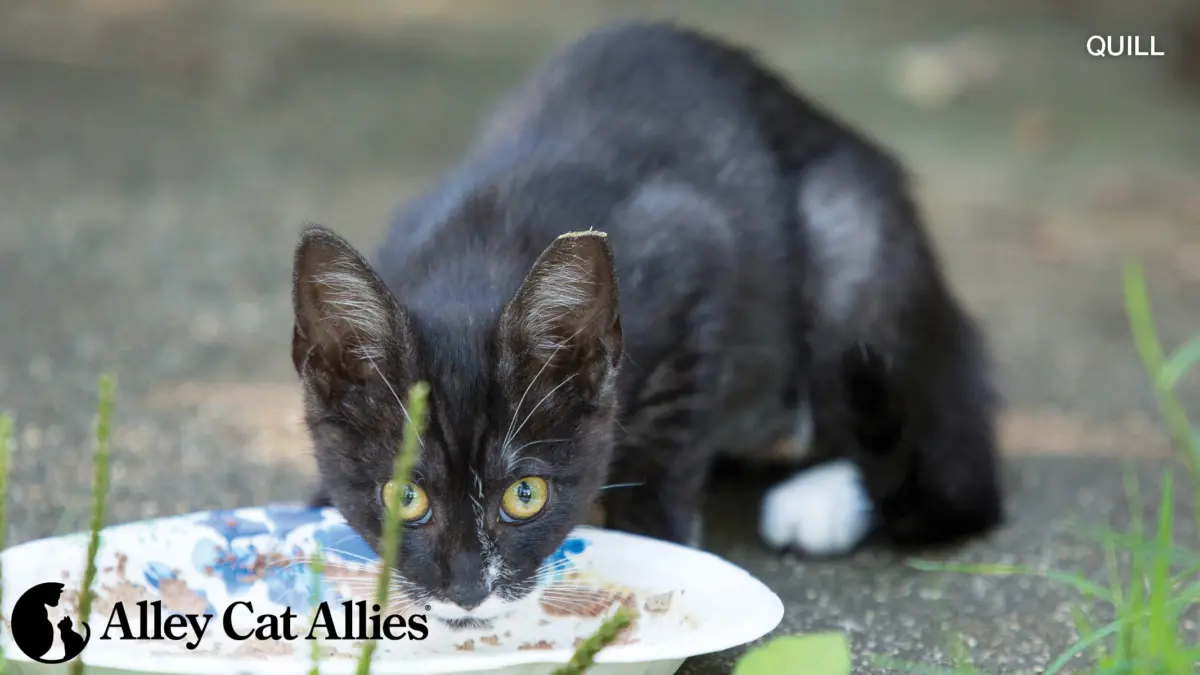
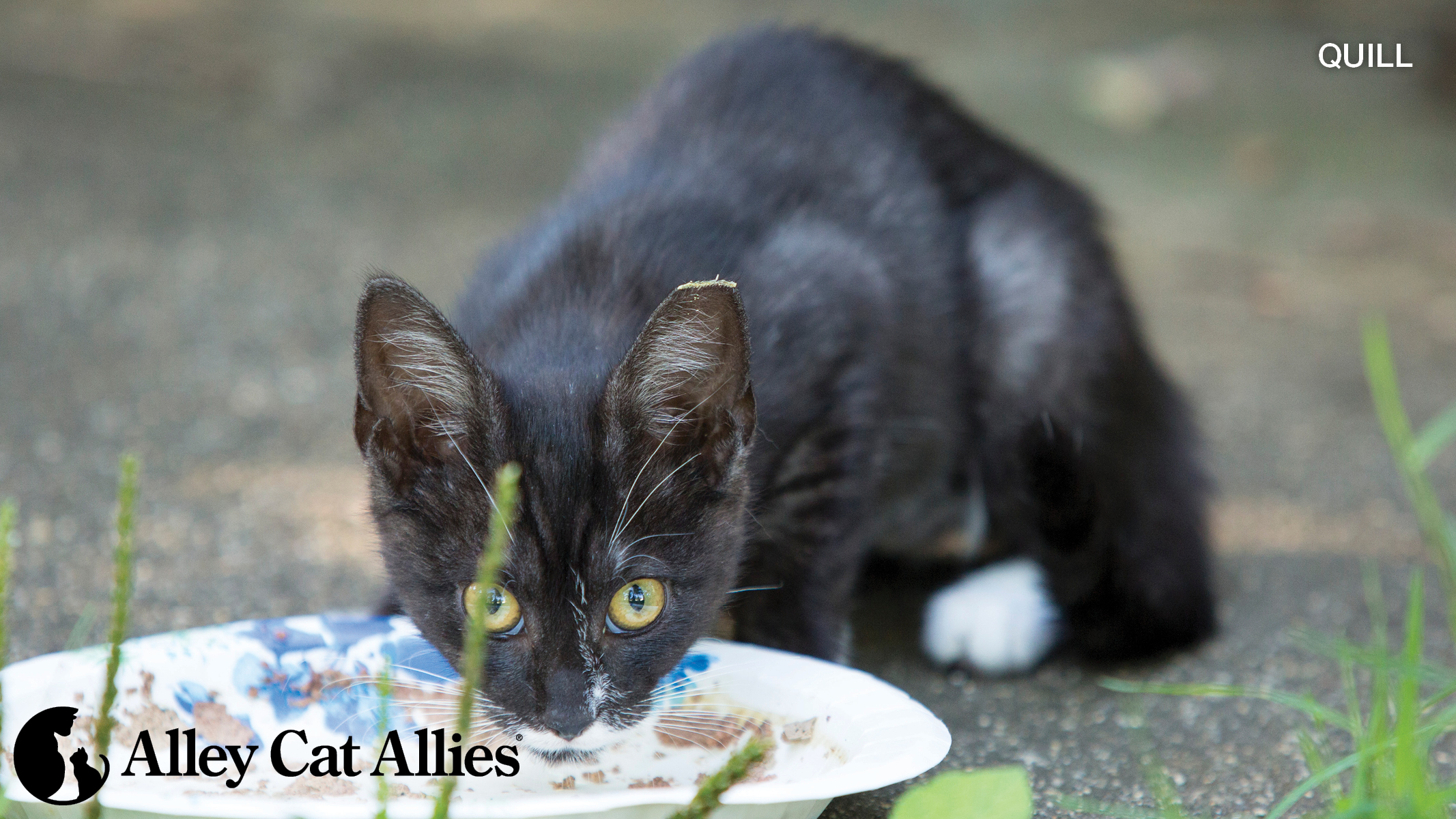
Animal welfare organizations, spearheaded by Alley Cat Allies, have moved quickly to register vehement opposition to the measure. Advocates have formally reached out to the City of Ripon, presenting empirical evidence and offering comprehensive support for an alternative, humane approach: Trap-Neuter-Return (TNR).
Puerto Rico Water Crisis Response
Moving from legislative legislative halls to humanitarian relief zones, the timeline of rescue operations extends deeply into the Caribbean. The San Juan Cat Protection Team remains actively deployed in Puerto Rico, where infrastructure vulnerabilities have triggered a severe water crisis.
Operating on a continuous schedule, rescue personnel are traversing neighborhoods in San Juan to distribute emergency cases of bottled water and high-grade wet food directly to community cat caregivers. Crucially, these vital supplies are provided entirely free of cost, easing the economic and logistical pressures faced by local residents who frequently prioritize the welfare of their neighborhood cats above their own daily comforts.
Kitten Season Inflow and Veterinary Intervention
As seasonal temperatures peaked during the height of kitten season across the United States, municipal and private shelters experienced a massive surge in intake volumes. Within this reporting period, a quintessential rescue narrative unfolded when a feline family consisting of a mother cat and her four male kittens was intercepted from a traditional animal shelter that lacked the specialized resources required for intensive medical intervention.
Transferred directly to an allied veterinary partner, the family immediately commenced a treatment protocol for severe upper respiratory infections (URIs), with select kittens requiring targeted ocular care.
The Triumph of Woody’s Recovery
Providing a longitudinal perspective on rescue outcomes, recent updates regarding a young feline named Woody highlight the long-term success of emergency intervention programs. Rescued in the spring after being separated from his mother and impounded as a single kitten in a high-risk shelter environment, Woody originally faced a precarious prognosis due to a severe upper respiratory infection. Through donor-funded emergency medical care, Woody was rehabilitated and subsequently placed in a permanent adoptive home, where recent check-ins confirm his full recovery and integration into a domestic environment.
To understand the vehement opposition to the Ripon, California ordinance, policymakers and community members must examine the decades of data surrounding free-roaming cat management. Legislative bodies historically gravitate toward feeding bans under the false assumption that removing food sources will cause community cats to disperse, starve, or disappear from a given area.
Criminological and ecological studies consistently demonstrate that feeding bans achieve precisely the opposite effect:
Ecological Vacuum Effect: When a localized food source is removed, cats do not vanish; rather, they expand their foraging territories, creating higher visibility, nuisance complaints, and public friction. Furthermore, removing resident cats simply opens an ecological niche, inviting new unsterilized cats to move into the area—a phenomenon known as the vacuum effect.
Compromised Public Health and Safety: Denying cats regular feeding routines forces them to scavenge in garbage receptacles or hunt wildlife more aggressively, potentially increasing human-animal conflicts.
Deterioration of Caretaker Networks: Punishing caregivers with fines dismantles the informal networks that monitor cat colonies for health issues, facilitate TNR programs, and prevent unchecked reproduction.
The Superiority of Trap-Neuter-Return (TNR)
In contrast to punitive bans, Trap-Neuter-Return stands as the gold standard of community cat management. Endorsed by major veterinary associations and humane societies globally, TNR involves humanely trapping community cats, spaying or neutering them, vaccinating them against rabies, earmipping them for identification, and returning them to their outdoor homes.
TNR immediately stabilizes population numbers by halting the reproductive cycle, eliminates nuisance behaviors associated with mating (such as yowling and spraying), and improves the overall health and longevity of the cats involved. When cities choose cooperation and TNR over criminalization, communities achieve sustainable, long-term population reduction without cruelty or unnecessary animal mortality.
Disaster Response Metrics in San Juan
The humanitarian mission in San Juan underscores the deep intersection between human welfare and animal welfare during natural and infrastructural crises. In communities where municipal water systems fail or become contaminated, domestic pets and community cats alike face acute dehydration and nutritional deficits. The deployment of the San Juan Cat Protection Team highlights the logistical complexity of disaster response, requiring coordinated supply chains to deliver industrial quantities of wet food and fresh water directly to grassroots caregivers who act as the primary safety net for urban wildlife and street animals.
Official Statements and Expert Perspectives
The advocacy community has maintained a unified voice regarding the legislative overreach in California and the cultural imperatives of feline protection.
On Legislative Threats in Ripon
In an official statement addressing the Ripon City Council, representatives from Alley Cat Allies articulated the core philosophy of modern animal advocacy:
"Alley Cat Allies strongly opposes any feeding ban targeting community cats. Penalizing compassionate citizens with $100 fines for feeding hungry animals is not only deeply cruel, it is fundamentally ineffective. Feeding bans do not reduce cat populations; they only cause suffering and dismantle the very volunteer networks that keep communities organized and clean. Trap-Neuter-Return is the only humane and effective approach to stabilizing community cat populations. That is what Ripon officials, and officials worldwide, need to know."
On the Human-Animal Bond in Puerto Rico
Reflecting on the resilience of local residents during the San Juan water crisis, field coordinators noted the profound emotional bonds observed on the ground:
"Along the way, we are meeting incredible and dedicated Puerto Ricans who in many ways put the well-being of their cats above their own. Cats are truly members of the community in San Juan, and we are honored to support that community when it is most needed."
On Black Cat Advocacy and Cultural Misinformation
Addressing the persistent social biases that impact black cats year-round—far beyond the seasonal observance of Black Cat Appreciation Day—advocacy representatives emphasized the dual pillars of modern rescue work:
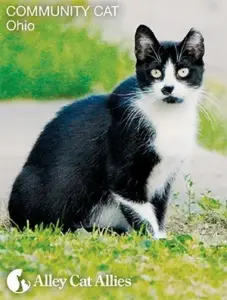
"The best way to help black cats is the same way we help every cat: advocacy to end policies that would harm or kill them, and education to cut through the superstition and bias that underpins these policies. From combating misinformation to supporting laws and resources that protect cats of every coat color, we are here for our favorite dark-furred felines."
Adopter Testimonies: The Journey of Woody
The tangible success of rescue interventions is perhaps best captured by those who open their homes to rehabilitated animals. Reflecting on Woody’s integration into domestic life, his adopters, Stephanie and Adam, shared:
"He still loves to play all day, especially with his favorite toy, his blue fish! He even loves to carry it around the house and settles down for snuggles at night, too. We love him more each day, and he really has made himself at home. We feel so lucky we found him!"
Future Outlook: Challenges and Strategic Priorities
As animal welfare organizations look toward the remainder of 2026 and beyond, strategic priorities remain focused on legislative reform, disaster resilience, and community education.
1. Defeating Punitive Municipal Ordinances
The immediate priority regarding Ripon, California, involves mobilizing local and national supporters to submit formal commentary, engage with city council members, and present scientific literature proving the superiority of TNR over feeding bans. If the Ripon ordinance is successfully blocked or repealed, it serves as a crucial legal precedent for preventing similar punitive measures in neighboring jurisdictions.
2. Expanding Disaster Preparedness Networks
The ongoing operations in San Juan highlight the increasing frequency of infrastructural and climate-related crises impacting animal populations. Future strategic initiatives will focus on scaling up pre-positioned disaster relief caches, establishing rapid-response veterinary coalitions, and strengthening partnerships with regional caregivers to ensure seamless logistics during emergencies.
3. Sustaining Kitten Season Operations
With thousands of neonate and juvenile kittens passing through shelter systems annually, veterinary partners and rescue organizations must continue to secure funding for emergency medical treatments, particularly for upper respiratory infections and ocular trauma. Expanding foster networks and streamlining the transition from municipal impoundment to specialized care remains essential to reducing preventable kitten mortality.
4. Continuous Education and Anti-Bias Advocacy
Long-term cultural shifts require sustained educational campaigns aimed at dismantling superstitions surrounding black cats and correcting misconceptions regarding free-roaming wildlife. By pairing aggressive legislative advocacy with public awareness initiatives, the animal welfare community continues to build a society where every cat—regardless of location, coat color, or medical history—is afforded protection, compassion, and respect.