To an untrained animal, the modern environment is a ceaseless symphony of sensory temptation. The aroma of fallen food, the sudden blare of traffic sirens, the unpredictable motion of crowds, and the casual approach of unfamiliar dogs or strangers create a complex landscape of distraction. For a pet dog, yielding to these impulses is entirely natural. But for a service dog—an indispensable lifeline for an individual with a disability—maintaining absolute composure amidst chaos is not merely a preference; it is a vital operational standard.
The capacity of a service animal to remain utterly attentive to its handler while tuning out the bustling world around them is the cornerstone of effective assistance work. This specialized focus does not happen by chance, nor is it simply a byproduct of an easygoing temperament. Rather, it is the result of years of early socialization, deliberate impulse control, expert professional guidance, and structured reinforcement.
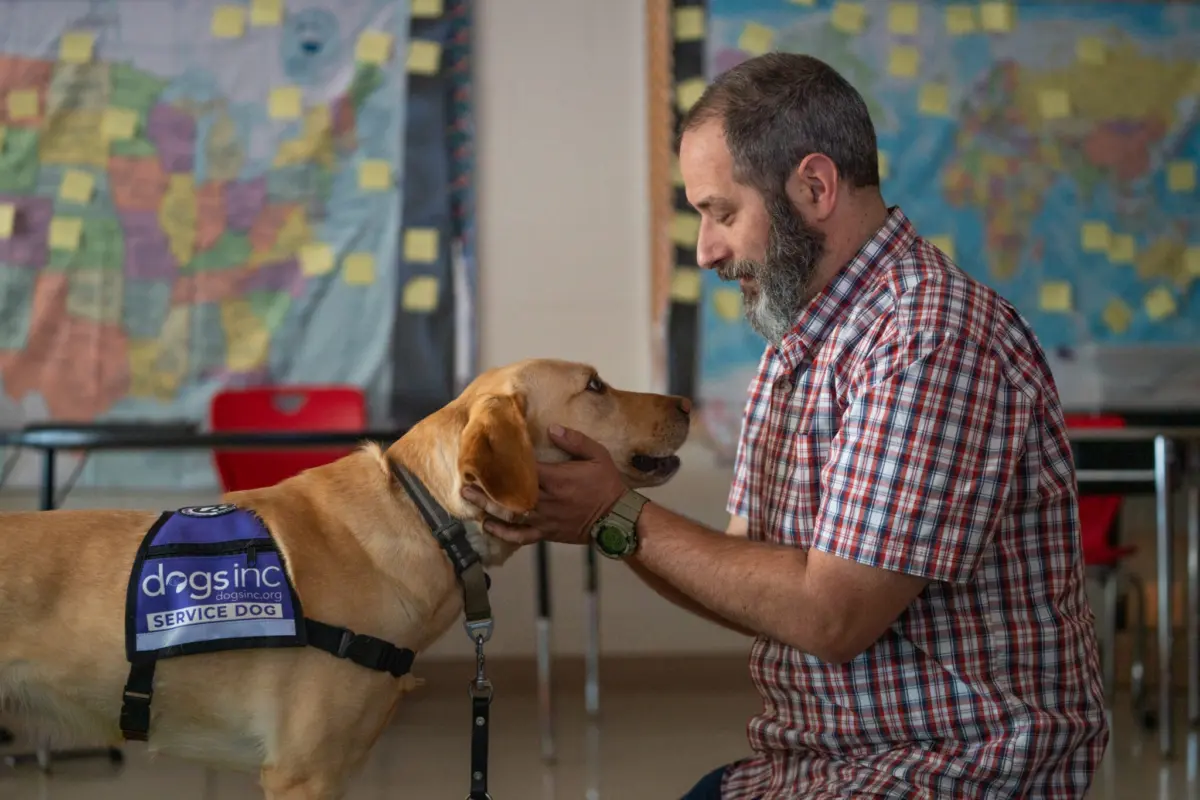
At organizations like Dogs Inc, the cultivation of this focus is treated as a science and an art. From the moment a puppy is born to its eventual placement with a handler, focus training serves as the invisible thread binding human and animal together. This in-depth report explores the anatomy of service dog attention, examining why neutrality is the ultimate goal, how modern training methodologies shape working minds, and the collaborative community required to turn a distracted puppy into an unwavering, life-changing partner.
Detailed Chronology: The Lifecycle of a Service Dog’s Focus
The journey from an easily distracted, playful puppy to a rock-solid, focused working professional is a structured, multi-stage developmental timeline. Service dog training organizations utilize a progressive curriculum designed to steadily build a dog’s threshold for environmental stress and sensory overload.
Phase 1: Early Socialization and Foundation (Months 0–6)
Focus training begins long before a dog learns complex mitigation tasks. During the foundational puppyhood stage, volunteer puppy raisers introduce young dogs to a wide variety of novel environments—busy sidewalks, bustling grocery store vestibules, squeaky floors, and shifting outdoor elements.
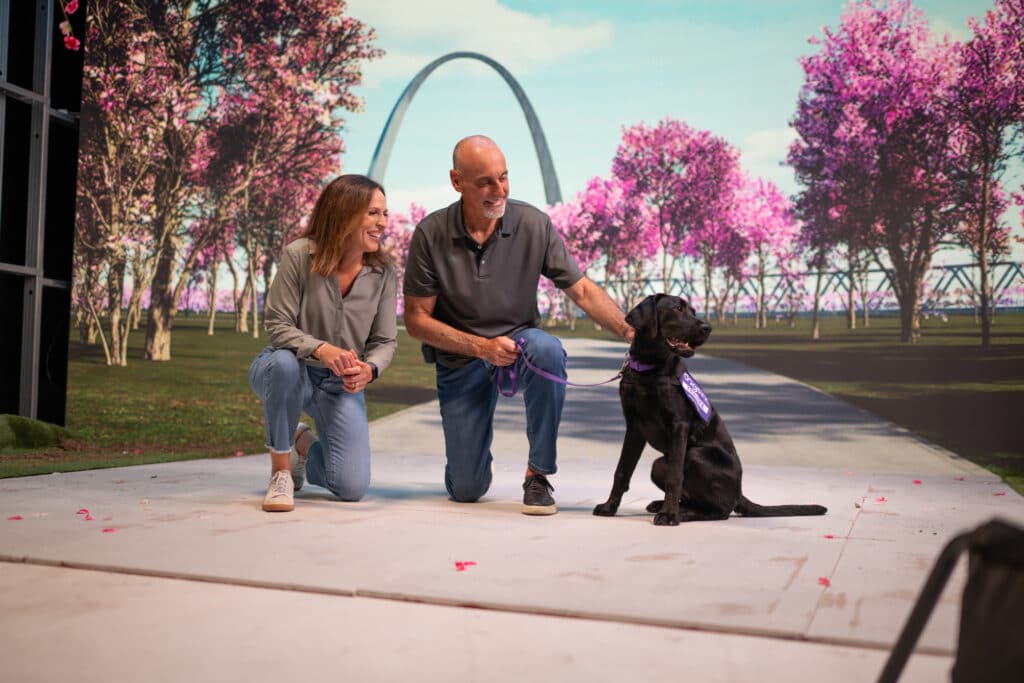
The primary objective during this phase is not obedience per se, but confidence building. By exposing puppies to mild stimuli at a distance where they can remain calm and responsive, trainers teach the animal that new sights and sounds are nothing to fear. Every positive interaction with a new environment becomes an opportunity to reinforce eye contact and voluntary check-ins with the handler.
Phase 2: Impulse Control and Positive Association (Months 6–12)
As adolescents, service dogs encounter the true test of their internal drive: competing motivations. Scent trails, wildlife such as squirrels and birds, and the desire to investigate peers pull heavily on a young dog’s instincts.
During this middle stage, trainers emphasize impulse control exercises. The dog learns to pause before reacting, substituting instinctive lunging or staring with a deliberate, conditioned check-in with their human partner. High-value positive reinforcement is systematically deployed to ensure that choosing the handler over the distraction yields the ultimate reward.
Phase 3: Gradual Public Access and Real-World Proofing (Months 12–18+)
Once foundational obedience and impulse control are reliably established in controlled settings, the training moves into the public sphere. Dogs undergo rigorous public access training, practicing in environments packed with unpredictable human behavior, auditory triggers, and social interruptions.
In this phase, trainers focus on "proofing" behaviors. A command must be just as reliable in the middle of a crowded transit hub as it is in a quiet living room. Handlers and instructors carefully monitor the dog’s stress levels, ensuring that gradual exposure prevents burnout and fosters long-term operational resilience.
Supporting Context & Metrics: Understanding Distraction and Neutrality
To fully appreciate the scope of service dog focus training, one must analyze the primary categories of distraction that challenge working animals daily, as well as the physiological and psychological markers of true canine neutrality.
The Four Pillars of Canine Distraction
Environmental Distractions: Urban areas present a barrage of sensory stimuli. Flashing lights, sudden mechanical noises, heavy traffic, and shifting terrain can easily trigger startle responses in untrained animals.
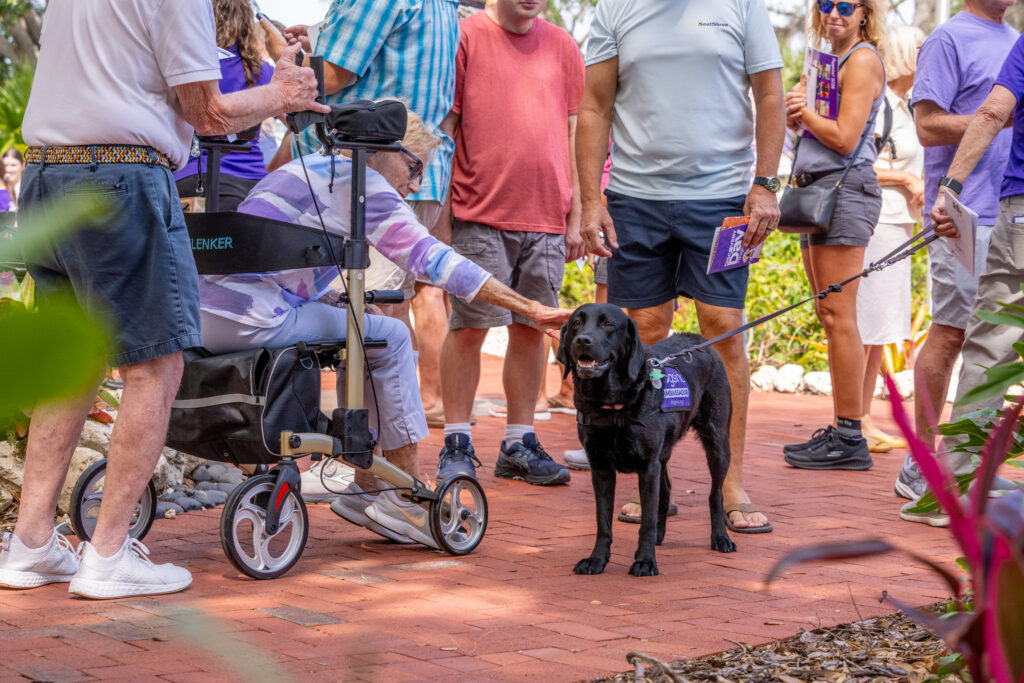
Social Distractions: Well-meaning strangers often present the most persistent hurdles in public spaces. Attempts at unauthorized eye contact, direct calling, and unprompted leash greetings test whether a service dog values public attention over its primary duty to the handler.
Food and Scent Distractions: Olfactory temptation is arguably a dog’s most powerful primal pull. Restaurants, grocery stores, and dropped food items test an animal’s ability to treat enticing aromas as background noise rather than an invitation to scavenge.
Animal and Wildlife Triggers: The instinctive drive to chase or investigate other dogs, cats, or urban wildlife is deeply rooted. Service dog training overrides these genetic imperatives, replacing them with a state of profound behavioral neutrality.
The Metrics of Neutrality
What distinguishes a certified service dog from an ordinary pet is the concept of neutrality. A neutral service dog exhibits several distinct behavioral metrics:
Low Reactivity: The absence of vocalization, lunging, or freezing when confronted with sudden environmental stimuli.
Proactive Check-Ins: Spontaneous glances toward the handler to gauge their emotional state or receive directional cues without explicit prompting.
Resilience to Interruption: The ability to immediately return to a task after being momentarily startled by a loud noise or moving object.
Official Statements and Expert Perspectives
The methodology behind cultivating unwavering canine focus is backed by decades of behavioral science and animal husbandry expertise. Industry leaders emphasize that focus is fundamentally an expression of trust and communication.
"A service dog’s focus is not about suppressing a dog’s natural curiosity through fear or intimidation; rather, it is about building a compelling communication bridge," explains a senior canine behavior specialist. "When a dog views its handler as the most rewarding, safe, and exciting part of any environment, looking away from distractions becomes an intuitive choice."
Professional training coordinators stress that the success of a service animal relies heavily on the quality of early intervention provided by volunteer puppy raisers.
"Our puppy raisers do the heavy lifting of turning everyday life into a structured classroom," notes an expert instructor at a national training facility. "They teach the dog that the world is a manageable, non-threatening place. By the time our professional trainers step in to layer on advanced tasks, the dog already possesses the emotional baseline needed to stay steady when it matters most."
Furthermore, accessibility advocates highlight how crucial this focus is for human independence. When a service dog maintains unshakeable attention in public spaces, it shields its handler from unwanted public scrutiny, prevents hazardous distractions during medical alerts, and allows individuals with physical or neurological challenges to navigate society with absolute dignity and peace of mind.
Future Outlook: The Evolution of Service Animal Training
As urban environments grow denser and public spaces become increasingly unpredictable, the standards for service dog focus training continue to evolve. Training organizations are placing greater emphasis on neuro-rehabilitation principles, customized environmental desensitization protocols, and data-driven assessments to track an animal’s cognitive load.
The future of service dog preparation will likely see enhanced integration of virtual reality and controlled simulation chambers, allowing young dogs to experience complex multi-sensory challenges—such as simulated crowded subway platforms or sudden auditory chaos—in safe, controlled indoor facilities before encountering them in the real world.
Despite technological advancements, however, the core philosophy remains unchanged. The relationship between human and dog will always be anchored by patience, consistency, and positive reinforcement. By transforming everyday distractions into manageable background noise, organizations dedicated to service animal excellence ensure that handlers can move forward into the world with unwavering confidence, supported by a partner whose singular devotion never wavers.