
By Thom Somes, The Pet Safety Guy
Published: August 8, 2020
Executive Overview
In the fast-paced, high-stakes world of pet safety, emergency response, and professional education, communication is everything. Whether exhibiting at a bustling national trade show, engaging families at a community dog walk, or hosting intensive Pet CPR and First Aid certification courses, capturing and maintaining audience attention remains a persistent challenge for educators.
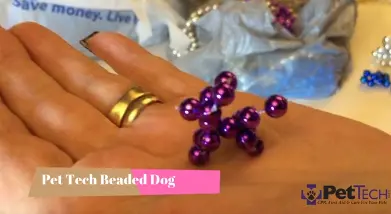
Enter a surprisingly simple yet profoundly effective community engagement tool: the handmade beaded dog.
Over the years, the Pet Tech community has crafted well over 100 of these charming, miniature canine sculptures using little more than standard-issue metallic or matte beads and creative ingenuity. These diminutive tokens have become a staple at conferences, trade expositions, and public outreach events. They consistently draw crowds, spark curiosity, and prompt a single, recurring question from attendees: "How do you make one?"
This comprehensive report explores the origin of the Pet Tech Beaded Dog, tracing its roots to a clever solution developed by an innovative instructor navigating the chaotic environment of a Las Vegas trade show floor. Furthermore, this article examines the broader psychological and practical impacts of incorporating interactive, family-friendly engagement techniques into professional pet safety education, aligning with Pet Tech’s overarching mission: “Improving the Quality of Pets’ Lives, One Pet Parent at a Time.”®
Detailed Chronology: From Las Vegas Brainstorming to a National Movement
To understand the cultural phenomenon of the beaded dog within the Pet Tech organization, one must travel back to an industry conference in Las Vegas, Nevada.
The Las Vegas Brainstorming Genesis
Trade shows and industry conventions are vital hubs for networking, professional development, and community outreach. However, they are also sensory overload environments. During a strategic planning session at a Pet Tech exhibition booth, team members wrestled with a logistics and marketing hurdle: How could instructors effectively market life-saving CPR and First Aid classes to parents navigating a bustling expo floor?
As experienced educators and pet parents know, responsible parents must split their focus. While an adult may be deeply interested in learning about feline CPR, canine airway obstructions, or disaster preparedness, their attention is frequently divided by the need to monitor their children. A distracted parent is a challenging candidate for an in-depth educational pitch. The team needed an icebreaker—something that would simultaneously capture the imagination of children, calm families, and create a welcoming, low-pressure environment at the booth.
The Innovation of the Purple Mardi Gras Beads
The solution emerged not from a corporate marketing executive or a high-priced design firm, but from the field. One of Pet Tech’s dedicated instructors pulled out a simple brown paper bag filled with purple Mardi Gras beads. (As it happened, purple is the official corporate color of Pet Tech, lending an unintentional yet perfect branding synergy to the gesture).
The instructor explained her ingenious method: anticipating the presence of children at public events, she would pre-craft these beaded dogs in advance. When families approached the booth, she would present one of these miniature creations directly to the child.
The strategy involved two crucial, highly personalized steps:
- Color Selection: She allowed each child to choose their preferred bead color from her collection, granting them a sense of autonomy and personal investment.
- Naming the Creation: She encouraged the child to give their new beaded companion a unique name, instantly transforming a piece of plastic into a personalized, cherished keepsake.
The instructor maintained a ready supply of these completed sculptures, alongside standard strands of 17 beads, ensuring she was always prepared to share a moment of connection. This simple tactical adjustment transformed the dynamic of the booth. Instead of parents rushing past to keep their children moving, families lingered, engaged in meaningful conversations with instructors, and absorbed vital pet safety information while their children happily adopted and named their new beaded pets.
Supporting Context & Metrics: The Psychology of Engagement in Pet Safety
While balloon animals and standard promotional trinkets (such as branded pens, keychains, or flyers) are industry staples at trade shows, the beaded dog serves a far more sophisticated psychological and educational function.
The Neuroscience of Tactile Engagement for Children
When children are brought to trade shows or educational seminars by their parents, their threshold for boredom is remarkably low. Traditional exhibition booths rely on passive observation—reading banners, watching looped videos, or listening to adult-oriented pitches.
Tactile engagement, however, triggers active cognitive processing. Allowing a child to hold, examine, and eventually customize a beaded figurine shifts their emotional state from restless impatience to focused curiosity. By giving the child a tangible object, the instructor establishes a bridge of trust. In behavioral psychology, this is known as the "reciprocity norm"—when someone is given a gift or a thoughtful gesture, they experience an innate psychological inclination to respond positively, creating a warm, receptive environment for the parents.
Scaling Community Outreach: The Numbers Behind the Movement
While Pet Tech is globally recognized for rigorous, science-based training curricula—such as its landmark Pet CPR & First Aid certification programs—the organization recognizes that grassroots community connection is the lifeblood of pet advocacy.
- Event Footprint: Pet Tech instructors participate in hundreds of local, regional, and national events annually, ranging from community dog walks and adoption drives to major veterinary and pet industry conventions.
- Production Volume: Collectively, instructors and team members have handcrafted well over 100 beaded dogs specifically for live events, with countless more replicated by independent pet parents, educators, and children inspired by the initiative.
- Demographic Reach: By targeting the "two-legged kids" (the human children of pet parents), Pet Tech is intentionally cultivating the next generation of animal advocates. Children who grow up understanding that pets require first aid, emergency preparedness, and specialized care are statistically more likely to become responsible, highly proactive pet parents in adulthood.
Official Statements and Industry Perspective
The philosophy driving initiatives like the beaded dog extends directly from the leadership and foundational ethos of Pet Tech.
Thom Somes, "The Pet Safety Guy"
As the President and Co-Founder of Pet Tech—the first international training center dedicated to helping pet parents and pet care professionals master emergency and preventative pet health care—Thom Somes views these small community touchpoints as integral to the broader mission of animal welfare.
"We have probably made well over 100 of these little beaded dogs at conferences, restaurants, and for family and friends," reflects Somes. "They are a big hit, and people always want to know how to make one. Well, here is how we came to find out about the Beaded Dog… even though we’ve made many balloon dogs!"
Somes emphasizes that the true strength of the Pet Tech network lies in its people.
"Our Pet Tech Instructors are some of the most passionate and professional pet care professionals in the industry," Somes notes. "They believe in and support our mission of ‘Improving the Quality of Pets’ Lives, One Pet Parent at a Time.’® Together, we accomplish this through training and education both online and in the classroom. We will be sharing more great ideas, so stay tuned."
The Role of the Pet Care Professional
In the modern pet care landscape—which encompasses veterinarians, groomers, dog trainers, kennel operators, and dedicated pet parents—technical competency in emergency response is non-negotiable. However, emotional intelligence and community rapport separate average educators from industry leaders.
Pet Tech instructors are trained not only to teach mechanics (such as rescue breathing, cardiac compression, and snout-to-tail assessments) but also to foster a culture of safety. The beaded dog initiative exemplifies how grassroots creativity can humanize professional education, breaking down intimidation barriers and making life-saving safety concepts accessible to families of all backgrounds.
Future Outlook: Expanding Education and Connection
As pet ownership rates continue to rise globally, the demand for reliable, accredited pet first aid and safety education has never been higher. Families are increasingly viewing their companion animals not merely as household pets, but as core members of the family unit. Consequently, the expectations placed upon pet care professionals are evolving rapidly.
Looking toward the future, Pet Tech remains committed to bridging the gap between rigorous clinical education and accessible community engagement.
Future Initiatives and Innovations
- Blended Learning Ecosystems: Expanding digital and classroom-hybrid training models to ensure that pet parents in remote or underserved areas can access life-saving instruction without geographical barriers.
- Interactive Community Toolkits: Building upon the success of grassroots engagement strategies like the beaded dog, Pet Tech plans to release curated guides and resource toolkits for instructors, detailing creative ways to engage families and youth in animal safety awareness.
- Youth Pet Safety Programs: Developing specialized educational pathways designed specifically for children and young adults, fostering early literacy in animal body language, bite prevention, and basic emergency response.
Call to Action for the Pet Community
The legacy of the Pet Tech Beaded Dog proves that profound community impact does not always require massive corporate budgets or complex technology. Often, it requires nothing more than a brown paper bag, a handful of colored beads, and a genuine desire to connect with people.
Pet Tech encourages all instructors, students, and pet parents to join in the tradition:
- Try your hand at crafting your own beaded dogs for your family, friends, or local community events.
- Share your artistic creations and photographs across social media platforms, tagging the official Pet Tech Facebook and Instagram pages.
- Remember: these delightful crafts make exceptional, engaging gifts for the two-legged kids in your life, opening the door to vital conversations about animal safety and care.
By blending professional rigor with creative community outreach, Pet Tech continues to redefine what it means to be a leader in pet safety education—ensuring that pets everywhere live longer, healthier, and happier lives alongside the humans who cherish them.