
Executive Overview
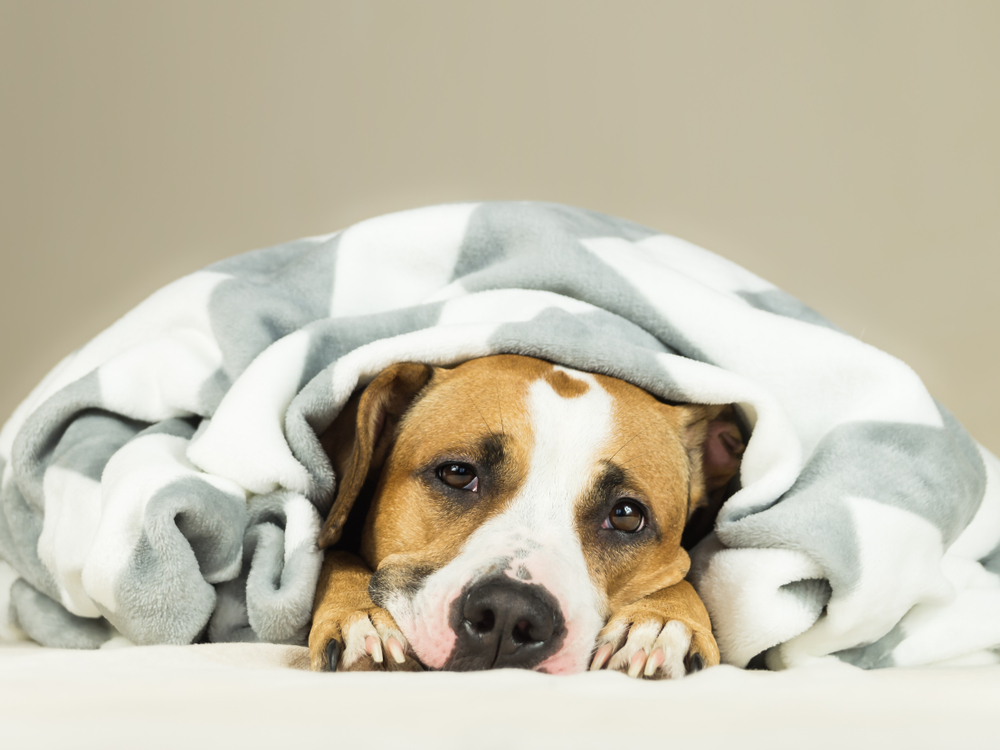
Gastrointestinal (GI) distress in canine patients represents one of the most frequent presentations in veterinary clinical practice. Symptoms such as acute diarrhea, flatulence, emesis (vomiting), and general abdominal discomfort not only compromise the quality of life for companion animals but also cause significant distress to pet owners. Historically treated with immediate pharmaceutical interventions, modern veterinary medicine is undergoing a paradigm shift. There is an increasing focus on targeted, natural, and dietary interventions that respect the delicate ecology of the canine gut microbiome.
The canine digestive tract is a complex, bioreactor-like system populated by trillions of microorganisms. When this ecosystem falls into a state of dysbiosis—an imbalance between beneficial and pathogenic bacteria—the systemic consequences can range from localized mucosal inflammation to compromised immune function.
This investigative report examines the clinical efficacy of home-based interventions, evaluates the physiological mechanisms of dietary management, and explores the emerging science of prebiotics, probiotics, and postbiotics in restoring canine enteric homeostasis.
Detailed Chronology: Step-by-Step Intervention for Acute GI Distress
When a canine companion exhibits signs of gastrointestinal distress, a systematic, phased protocol must be implemented. This structured timeline allows the gastrointestinal mucosa to heal, prevents the exacerbation of symptoms, and systematically rebuilds the gut’s microflora.
[Day 1: Acute Phase] ────► [Days 2-4: Reintroduction] ────► [Days 5+: Stabilization]
  12-24 Hour Fast             Bland Diet (75/25 Mix)          Biotic Supplementation
  Controlled Hydration        Gradual Transition Matrix       Targeted Microflora Recovery
Phase I: The 12-to-24-Hour Physiological Reset (Acute Phase)
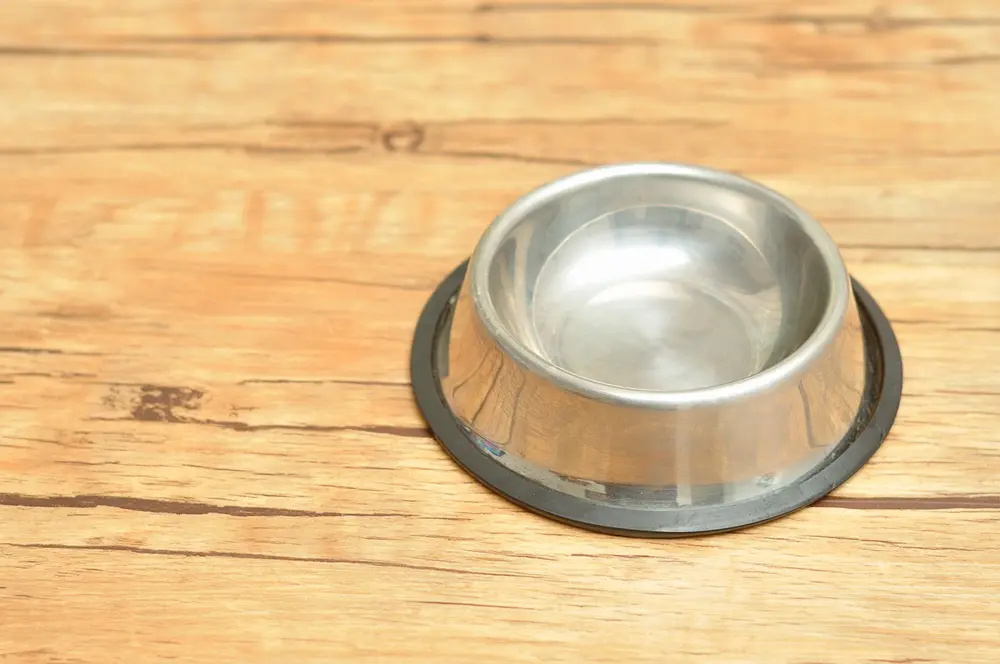
The immediate clinical response to acute diarrhea or vomiting should be the temporary cessation of solid food intake.
- The Mechanism of Fasting: Withholding food for 12 to 24 hours relieves the mechanical and enzymatic demands placed on the inflamed gastrointestinal tract. During acute inflammation, the mucosal barrier is compromised, and enterocytes (intestinal absorptive cells) are damaged. Continuing to introduce food can trigger osmotic diarrhea, feed pathogenic bacteria, and exacerbate hypermotility. Fasting allows the mucosal lining to initiate cellular repair and clear residual pathogens or undigested food particles.
- Controlled Hydration Protocols: While food is withheld, maintaining hydration is critical to prevent hypovolemia. However, unrestricted access to water can trigger the stretch receptors in an inflamed stomach, inducing immediate vomiting. Pet owners should administer small, controlled volumes of water or electrolyte-balanced solutions every 30 to 60 minutes. If the dog cannot retain water, veterinary intervention is required immediately.
Phase II: The Bland Diet and Gradual Reintroduction (Days 2 to 4)
Following a successful fast, the gastrointestinal tract requires easily assimilable nutrients that place minimal metabolic strain on the pancreas and intestines.
- The Classic Bland Diet: The gold standard veterinary recommendation consists of boiled, skinless, unseasoned white meat chicken combined with plain white rice (typically in a 1:2 or 1:3 ratio of protein to carbohydrate). White rice is selected over brown rice because its lower fiber content is highly digestible and less irritating to inflamed intestinal walls.
- Alternative Solutions for Sensitive Canine Systems: For dogs with known poultry allergies or those on grain-free diets, alternative carbohydrates and binders are necessary. Mashed, over-ripe bananas or pureed, canned pumpkin (devoid of sugars and spices) serve as exceptional substitutes. These ingredients provide highly digestible carbohydrates alongside soluble fiber to help solidify loose stools.
- The Transition Matrix: To prevent a secondary flare-up of dysbiosis, the return to standard kibble or raw diets must be executed incrementally over several days:
Day 1 of Reintroduction: 100% Bland Diet (offered in small, frequent portions every 2-3 hours)
Day 2 of Reintroduction: 75% Bland Diet mixed with 25% Regular Diet
Day 3 of Reintroduction: 50% Bland Diet mixed with 50% Regular Diet
Day 4 of Reintroduction: 25% Bland Diet mixed with 75% Regular Diet
Day 5: 100% Regular Diet (assuming complete resolution of clinical signs)
Phase III: Targeted Microflora Recovery (Days 5 and Beyond)
Once the acute symptoms subside, the focus must shift to rebuilding the biological defenses of the gut. This is achieved through the therapeutic administration of probiotics, prebiotics, and advanced postbiotic supplements designed to restore the mucosal barrier and prevent future relapses.
Supporting Context & Metrics: The Science of the Canine Microbiome
To understand why these interventions are effective, we must analyze the biological mechanisms governing the canine gastrointestinal tract.
The Probiotic Equation: Restoring the Flora
Diarrhea acts as a physical flushing mechanism. While it serves to expel harmful pathogens, it also strips the intestinal lining of beneficial commensal bacteria, such as Lactobacillus and Bifidobacterium species.
[Pathogen Invasion/Toxins] ──► [Inflammatory Response] ──► [Rapid Fluid Secretion (Diarrhea)]
                                                                    │
                                            ┌───────────────────────┴───────────────────────┐
                                            ▼                                               ▼
                                [Expulsion of Pathogens]                       [Loss of Beneficial Flora]
                                                                                            │
                                                                                            ▼
                                                                                   [Systemic Dysbiosis]
To counteract this depletion, veterinary professionals recommend multi-strain canine probiotics. While human probiotics or plain yogurt are frequently suggested by well-meaning pet owners, they often lack the species-specific strains and potency required to survive the highly acidic environment of the canine stomach.
A high-potency probiotic formulated for dogs should contain multiple strains of live, active cultures. Multi-strain formulations are superior to single-strain products because different bacteria colonize different regions of the digestive tract, offering comprehensive protection.
Prebiotics: Fueling the Microbial Recovery
Probiotics cannot thrive without adequate nutrition. Prebiotics are non-digestible dietary fibers that undergo fermentation by beneficial bacteria in the colon. This fermentation process yields short-chain fatty acids (SCFAs), primarily acetate, propionate, and butyrate, which serve as the primary energy source for colonocytes and help maintain the integrity of the intestinal barrier.
Several natural ingredients offer exceptional prebiotic support:
- Canned Pumpkin Puree: Rich in soluble fiber, pumpkin absorbs excess water in the bowel, adding bulk to loose stools while simultaneously providing fermentable fiber for beneficial microbes.
- Slippery Elm (Ulmus rubra): Contains high levels of mucilage, a soluble fiber that expands into a gel-like substance when mixed with water. This gel coats and soothes inflamed mucous membranes throughout the GI tract.
- Chia Seeds: Highly hydrophilic, chia seeds absorb up to twelve times their weight in water, helping to regulate fluid balance in the colon and slow down transit time.
- Plantains: Possess natural antimicrobial properties and provide resistant starch, which escapes digestion in the small intestine to feed beneficial bacteria in the large intestine.
Etiology of Canine Gastrointestinal Distress
To successfully manage GI issues, pet owners must understand the underlying causes of these disturbances. The table below outlines the primary etiologies of canine diarrhea and vomiting:
| Etiology Category | Specific Triggers & Pathogens | Physiological Mechanism |
|---|---|---|
| Dietary Indiscretion | Garbage ingestion, toxic foods (e.g., chocolate, onions), sudden diet changes. | Osmotic imbalances, acute mucosal irritation, localized toxic reaction. |
| Infectious Agents | Parvovirus, Coronavirus, Salmonella, E. coli, Clostridium. | Direct destruction of enterocytes, toxin production, severe inflammatory response. |
| Parasitic Infestation | Giardia, Coccidia, Hookworms, Roundworms, Whipworms. | Mechanical damage to intestinal walls, nutrient malabsorption, localized inflammation. |
| Pharmaceutical Impact | Broad-spectrum antibiotics, Non-Steroidal Anti-Inflammatory Drugs (NSAIDs). | Eradication of commensal microflora, gastric mucosal ulceration. |
| Stress & Environmental Shifts | Boarding, travel, rehoming, separation anxiety. | Activation of the gut-brain axis, increased gut motility, cortisol-induced dysbiosis. |
Official Statements & Clinical Guidelines
Veterinary Triage: Identifying the Red Flags
While mild, self-limiting cases of diarrhea and vomiting can be managed successfully at home, pet owners must recognize when home care is insufficient. The American Veterinary Medical Association (AVMA) and leading veterinary internal medicine specialists emphasize that certain clinical signs demand immediate, professional veterinary intervention.

                     [Is the dog showing GI symptoms?]
                                    │
         ┌──────────────────────────┴──────────────────────────┐
         ▼                                                     ▼
   [RED FLAGS PRESENT?]                                  [MILD SYMPTOMS ONLY?]
   - Black/bloody stool                                  - Alert and active
   - Projectile/frequent vomiting                        - No blood in stool
   - Extreme lethargy/weakness                           - Hydrated
   - Known toxin ingestion                               - Symptoms < 24 hours
         │                                                     │
         ▼                                                     ▼
[EMERGENCY VET VISIT REQUIRED]                         [SAFE FOR HOME CARE]
                                                       (Fasting, Bland Diet, Biotics)
The Antibiotic Conundrum: Co-Administration Guidelines
Veterinary pharmacologists advise that when a dog is prescribed antibiotics for an infection, a probiotic should be administered concurrently to mitigate the destruction of the gut microbiome. However, timing is critical. Probiotics should be administered at least two to four hours apart from the antibiotic dose. Giving them simultaneously can cause the antibiotic to neutralize the beneficial organisms in the probiotic, rendering the supplement ineffective.
Regulatory Disclaimers and Quality Assurance
In accordance with federal regulations:
"These statements have not been evaluated by the Food and Drug Administration. No product discussed herein is intended to diagnose, treat, cure, or prevent any disease. Pet owners should always maintain a collaborative relationship with a qualified veterinary professional before altering their pet’s therapeutic or dietary regimens."
When selecting supplements, pet owners should look for products that carry the National Animal Supplement Council (NASC) quality seal, which ensures rigorous manufacturing standards and ingredient purity.
Future Outlook: The Evolution of Pet Enteric Health
The pet wellness industry is experiencing an unprecedented convergence with human biotechnology, particularly in the realm of gastroenterology. As research deepens our understanding of the canine microbiome, several innovative trends are shaping the future of veterinary care.
The Rise of Postbiotics
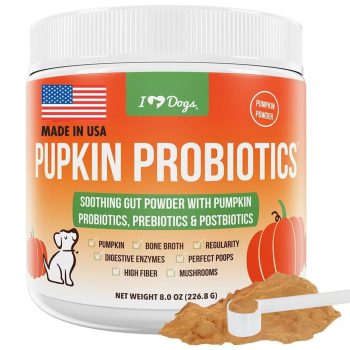
While prebiotics feed bacteria and probiotics introduce live bacteria, the cutting edge of veterinary gastroenterology centers on postbiotics. Postbiotics are the non-viable bacterial products or metabolic byproducts (such as short-chain fatty acids, functional proteins, and cell wall fragments) generated during fermentation.
The clinical advantage of postbiotics is their stability. Because they do not contain live microorganisms, they are highly shelf-stable, resistant to stomach acid, and immediately bioavailable to the host. This makes them exceptionally effective for rapidly soothing inflamed intestinal tissues without the risk of bacterial overgrowth.
Immunomodulating Ingredients and Functional Mushrooms
Modern supplement formulations are increasingly incorporating functional mushrooms, such as Turkey Tail (Trametes versicolor), Reishi (Ganoderma lucidum), and Shiitake (Lentinula edodes). Rich in beta-glucans, these mushrooms modulate the immune system, helping to regulate the inflammatory response in the gut and enhance mucosal immunity.
Collagen-Rich Mucosal Support
The integration of specialized bone broths into pet nutrition serves as more than just a palatability enhancer. Rich in gelatin, collagen, and amino acids like glycine and glutamine, high-quality bone broth helps repair the tight junctions of the intestinal epithelial lining. This provides crucial structural support to prevent and resolve "leaky gut" syndrome.
Conclusion: A Holistic Paradigm for Canine Wellness
The road to a healthy canine digestive system requires a balance of timely home-based interventions and professional veterinary oversight. By combining traditional dietary management, such as fasting and a bland diet, with advanced biotics and targeted supplements, pet parents can protect their dogs from the debilitating effects of gastrointestinal distress. Ultimately, maintaining a balanced gut microbiome is not just about resolving occasional digestive issues—it is a foundational pillar of systemic health, longevity, and vitality for our companion animals.