
Executive Overview
The moment a surgical procedure concludes and a beloved animal companion is moved from the operating theater to the recovery ward, a complex, high-stakes phase of medical management begins. For pet owners, this transition is frequently characterized by a psychological tug-of-war between profound relief that the operation is over and mounting anxiety about what comes next. Questions loom large: How do veterinary professionals ensure a pet remains safe, comfortable, and on a trajectory toward proper healing? What occurs behind closed doors before a pet is cleared to return home?
Post-operative recovery is rarely a passive waiting game. In contemporary veterinary medicine—exemplified by advanced practices like those found at a dedicated veterinary clinic in South Houston—recovery care is an active, highly scrutinized clinical science. It relies on multi-modal pain management, vigilant physiological monitoring, meticulous wound care, and structured transition protocols that bridge the gap between intensive hospital oversight and home care.
Understanding how veterinary hospitals handle post-surgery recovery demystifies this critical window. Far from simply letting an animal "sleep off" the effects of anesthesia, modern veterinary teams implement rigorous observation protocols to catch micro-changes before they escalate into major medical emergencies. This comprehensive report explores the chronological stages of recovery, the metrics and monitoring systems utilized by professionals, the underlying clinical guidelines shaping modern veterinary care, and actionable strategies for pet owners navigating the delicate path back to health.
Detailed Chronology of the Recovery Lifecycle
The journey from the final surgical stitch to a pet’s complete return to normalcy is a carefully orchestrated continuum. To appreciate the depth of post-operative care, one must examine the distinct phases an animal transitions through during and immediately following an operation.
Phase 1: Immediate Post-Operative Stabilization (The Recovery Suite)
Once the surgeon completes the procedure, the patient is immediately transferred to a dedicated recovery or intensive care area. This transition marks the most delicate window of the surgical lifecycle.
During this initial phase, the primary objectives are maintaining a patent airway, restoring normal body temperature, and supporting baseline cardiovascular function. Anesthesia systematically depresses the central nervous system, which can impair autonomic functions such as breathing and temperature regulation. Consequently, veterinary technicians and assistants maintain an unbroken watch over the patient.
- Airway and Respiratory Management: For species like dogs and cats, endotracheal tubes are kept in place until the swallow reflex fully returns, preventing aspiration. Oxygen supplementation is provided via flow-by methods or oxygen cages if respiratory depression is detected.
- Thermal Support: Hypothermia is a pervasive risk under general anesthesia due to lowered metabolic rates and ambient operating room temperatures. Recovery suites utilize warming blankets, forced-air warming systems, and heated IV fluids to gently bring core body temperatures back to safe, optimal ranges.
- Hemodynamic Monitoring: Blood pressure, heart rate, and tissue perfusion (assessed via capillary refill time and mucous membrane color) are continually evaluated to ensure the cardiovascular system is responding well to the cessation of anesthetics.
Phase 2: Emergence and Early Awakening
As the anesthetic agents metabolize and wear off, the patient enters the emergence phase. This is often the period of highest unpredictability. As consciousness trickles back, animals may experience disorientation, mild delirium, or anxiety.
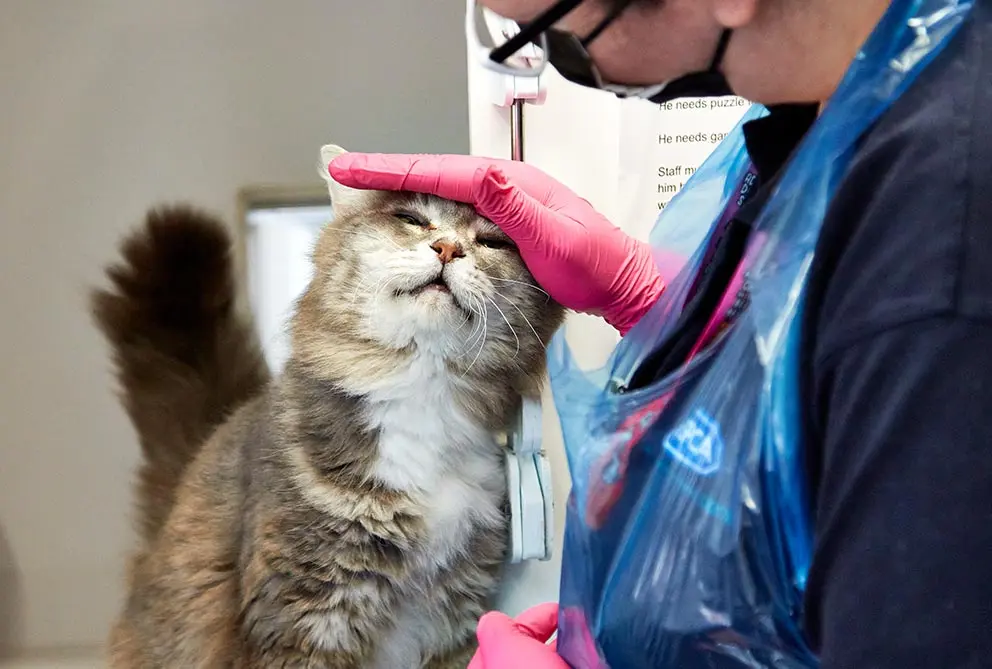
- Behavioral Assessment: Dogs often wake up groggy, whinnying, or restless, while cats tend to retreat inward, sometimes masking distress behind a mask of stoic stillness. Veterinary teams use validated pain-scoring systems to distinguish between normal post-anesthetic grogginess and genuine surgical discomfort.
- Initial Pain Intervention: Because preemptive pain management begins before or during surgery, most animals wake up relatively comfortable. However, supplemental analgesic drugs (such as short-acting opioids or constant-rate infusions) may be administered during this phase if physiological signs—such as elevated heart rates or muscle tension—suggest breakthrough pain.
Phase 3: Stabilization and Readiness for Discharge
Once the patient is conscious, stable, normothermic, and experiencing manageable pain levels, they graduate to the final hospital recovery phase: preparation for discharge.
- Assessment of Basic Functions: Before a veterinarian signs off on discharge, the animal must typically demonstrate baseline independence. This includes the ability to maintain sternal recumbency (lying on the chest rather than flat on the side), clear responses to environmental stimuli, and an absence of excessive nausea or vomiting.
- The Hand-off Protocol: Discharge is not merely handing over a leash and a bill. It requires a comprehensive, structured conversation between the veterinary technician and the pet owner. Detailed written instructions regarding medication schedules, activity restrictions, incision monitoring, and emergency contact protocols are distributed and verbally reviewed.
Supporting Context, Clinical Metrics, and Protocols
To contextualize the high level of care required in veterinary hospitals, it is valuable to examine the standardized metrics and guidelines that govern modern veterinary anesthesiology and post-operative monitoring. Academic institutions and veterinary regulatory bodies emphasize that high-quality recovery care relies on repeatable, objective measurements.
Key Monitoring Parameters in the Recovery Ward
| Recovery Domain | Specific Metrics Monitored | Clinical Significance |
|---|---|---|
| Pain Control | Body tension, vocalization, restlessness, heart rate variability, validated pain scores | Unmanaged pain compromises immune function, delays wound healing, and increases stress hormones. |
| Respiratory Function | Respiratory rate, tidal volume, SpO2 (oxygen saturation), mucous membrane color | Detects early hypoventilation, airway obstruction, or pulmonary complications related to anesthesia. |
| Thermoregulation | Core body temperature (via rectal or digital monitoring) | Prevents shivering-induced oxygen consumption and ensures safe metabolic recovery from sedatives. |
| Incision Integrity | Edge alignment, swelling, seroma formation, active bleeding or oozing | Catches wound complications, suture dehiscence, or internal bleeding before systemic shock occurs. |
| Gastrointestinal Status | Nausea indicators (salivation, licking), appetite, water intake, passage of stool | Assesses gastrointestinal tract motility post-anesthesia and ensures adequate hydration balance. |
| Neurological/Mobility | Righting reflex, pupillary light response, gait stability, level of alertness | Confirms clearance of neuro-depressive agents and ensures safe balance prior to home release. |
Insights from Academic Standards
The meticulous nature of this care aligns closely with guidelines established by leading veterinary research institutions. For instance, frameworks such as Cornell University’s anesthesiology and pain medicine services protocols highlight that patient safety is an unbroken continuum stretching from pre-surgical evaluation through the entirety of post-operative recovery. Similarly, institutional animal care guidelines, such as those maintained by the University of Iowa, underscore that recovery is never a period of neglect; it demands structured observation, continuous airway awareness, and regular physiological reassessment.
When a pet is recovering in a professional veterinary facility, these institutional standards translate into concrete safety nets. The animal is continuously evaluated against baseline health metrics, ensuring that any deviation—whether a sudden drop in blood pressure or an unexpected spike in body temperature—is intercepted immediately.
Official Statements and Industry Perspectives
To understand the philosophical shift in how modern veterinary hospitals approach surgery, it is helpful to examine the consensus among veterinary surgeons, practice managers, and pain specialists regarding post-operative care.
Dr. Elena Vance, a board-certified veterinary surgeon and hospital director, emphasizes that the surgical procedure itself is only half the battle:
"A brilliant surgical technique can be entirely undermined by inadequate post-operative management. In modern veterinary medicine, we recognize that pain and stress are not merely uncomfortable for the patient; they are pathophysiological states that actively impede healing. Our commitment does not end when the scalpel is put down; in many ways, that is simply where the most critical phase of patient advocacy begins."
Furthermore, veterinary nursing associations frequently stress the vital role of specialized technicians during the recovery phase. Registered Veterinary Technicians (RVTs) are trained to read the subtle, non-verbal cues that animals exhibit when they are vulnerable.
Practice management consultant Marcus Thorne notes a significant evolution in client communication regarding post-surgical expectations:
"For decades, pet owners were handed an animal still groggy from anesthesia with very minimal instruction. Today, clinics understand that the client is an essential extension of the veterinary care team. Empowering owners with clear, jargon-free instructions, transparent timelines, and open lines of communication dramatically improves recovery outcomes and reduces post-discharge complications."
Future Outlook: Innovations Transforming Pet Recovery
As veterinary medicine continues to advance, the landscape of post-operative care is shifting toward enhanced precision, reduced recovery times, and smarter home-monitoring solutions. Several emerging trends are reshaping how veterinary hospitals handle the post-surgical journey:
1. Telemedicine and Remote Post-Operative Check-Ins
The integration of veterinary telehealth platforms is revolutionizing the immediate post-discharge window. Instead of forcing a newly operated, anxious pet into a car for a stressful physical check-up, veterinarians increasingly utilize secure video consultations for initial post-op rechecks. Owners can stream high-definition video of incision sites directly to their veterinarian, allowing specialists to assess healing progress and answer urgent questions in real-time without disrupting the animal’s home environment.
2. Wearable Health Technology
The rise of pet wearables—smart collars and harness monitors equipped with accelerometer and biometric sensors—is providing unprecedented data during the recovery phase. These devices track metrics such as resting respiratory rate, activity levels, sleep quality, and even subtle shifts in posture that may indicate pain. Veterinary teams can integrate this data to objectively determine when a pet is ready to transition to higher activity levels or whether pain medication dosages need fine-tuning.
3. Advanced Regenerative and Minimally Invasive Protocols
The expansion of laparoscopic and thoracoscopic (minimally invasive) surgeries has drastically reduced physical trauma, tissue inflammation, and recovery timelines. When combined with regenerative therapies such as platelet-rich plasma (PRP) and targeted laser therapy, modern post-operative recovery protocols are cutting healing times significantly while offering superior pain control with fewer systemic pharmaceutical side effects.
Actionable Guidance for Pet Owners: Navigating Home Recovery
While professional veterinary care is indispensable during the acute phase, the responsibility shifts to the pet owner once the animal crosses the threshold back home. To bridge the gap between hospital care and full recovery, owners should implement a structured, disciplined home-care regimen.
Setting Up a Sanctuary Space
Create a designated recovery zone that is quiet, warm, and entirely removed from the chaotic energy of the household.
- Eliminate Obstacles: Remove access to stairs, slippery hardwood floors, and high furniture where the pet might be tempted to jump.
- Comfortable Bedding: Provide clean, supportive, low-profile bedding that cushions the body without requiring awkward maneuvering to enter or exit.
- Accessibility: Keep fresh water and easily digestible food bowls within immediate reach so the recovering animal does not expend unnecessary energy trying to hydrate or nourish themselves.
Adhering Strictly to Medication and Activity Protocols
One of the most common pitfalls in pet surgery recovery is premature confidence. When an animal receives effective pain management, they often feel so good within 48 hours that they attempt to run, jump, or play normally.
- Do Not Alter Medication Schedules: Administer all prescribed anti-inflammatories, antibiotics, and analgesics strictly according to the veterinarian’s timeline, even if the pet appears completely recovered. Stopping pain medication early can lead to sudden setbacks and renewed inflammation.
- Enforce Strict Rest: Maintain leash walks exclusively for bathroom breaks (if approved by your veterinarian) and restrict running, jumping, and roughhousing for the entire duration recommended by your surgical team.
Monitoring the Subtle Indicators
Do not wait for glaring emergencies—such as unremitting vomiting or profuse bleeding—to seek help. Pay close attention to the micro-signals:
- Changes in baseline temperament (excessive withdrawal, clinging behavior, or unexpected aggression when touched near the incision).
- Subtle shifts in bathroom habits or a reluctance to eat favorite foods.
- Any excessive licking, chewing, or scratching directed toward the incision site, which signals irritation or discomfort.
When in doubt, remember that no question is too trivial for your veterinary team. Professional veterinary hospitals are structured to provide continuous support, ensuring that you never have to navigate the uncertainties of pet surgery recovery alone. By combining elite hospital-grade monitoring with dedicated, informed home care, you can guide your animal companion safely from the vulnerability of the operating room to a vibrant, fully healed return to everyday life.