
In the heat of the summer and the brisk transition into autumn, humans are rarely the only creatures battling persistent stinging insects. Across backyards, parks, and agricultural sanctuaries, wasps become an unavoidable seasonal nuisance. However, at the renowned Aullwood Audubon in Dayton, Ohio, these aggressive insects escalated from a minor irritation into a serious welfare concern for some of the property’s most cherished residents.
When a burgeoning wasp population drove beloved farm animals away from their protective shelters and introduced chronic stress to the livestock population, conservationists faced an unusual dilemma. Traditional pest control methods—often reliant on harsh chemical deterrents—were unacceptable within a sanctuary dedicated to environmental preservation and ecological balance. Instead, the team required an innovative, non-toxic, and wildlife-friendly solution.
Enter an unexpected coalition of conservation scientists and local fiber artists. Through a creative campaign that merged agricultural stewardship with grassroots crafting, Aullwood Audubon launched an initiative leveraging handmade, crocheted decoy wasp nests. This grassroots effort not only successfully reclaimed the farm’s animal shelters from territorial wasps but also transformed farm enrichment and community engagement.
By distributing specialized crochet kits and tapping into the goodwill of regional crafters—including philanthropic groups like Knitted Knockers—Aullwood turned an ecological hurdle into an inspiring testament to community-driven conservation. The resulting success story underscores a vital modern truth: safeguarding biodiversity and animal welfare does not always demand traditional fieldwork. Sometimes, protecting vulnerable species and improving animal lives is as simple as picking up a crochet hook.
Detailed Chronology: From Farmyard Distress to Yarn-Based Innovation
The Discovery: Butch, Sundance, and the Wasp Incursion
The saga began on a tranquil morning when the agricultural and conservation staff at Aullwood Audubon noticed an unsettling behavioral shift among the farm’s equine residents. Butch and Sundance, a deeply bonded pair of gelding horses who traditionally utilized their shared paddock shelter for respite against the elements, were conspicuously absent from the structure. Instead, the pair lingered out in the open pastures, visibly agitated and exposed to the elements.
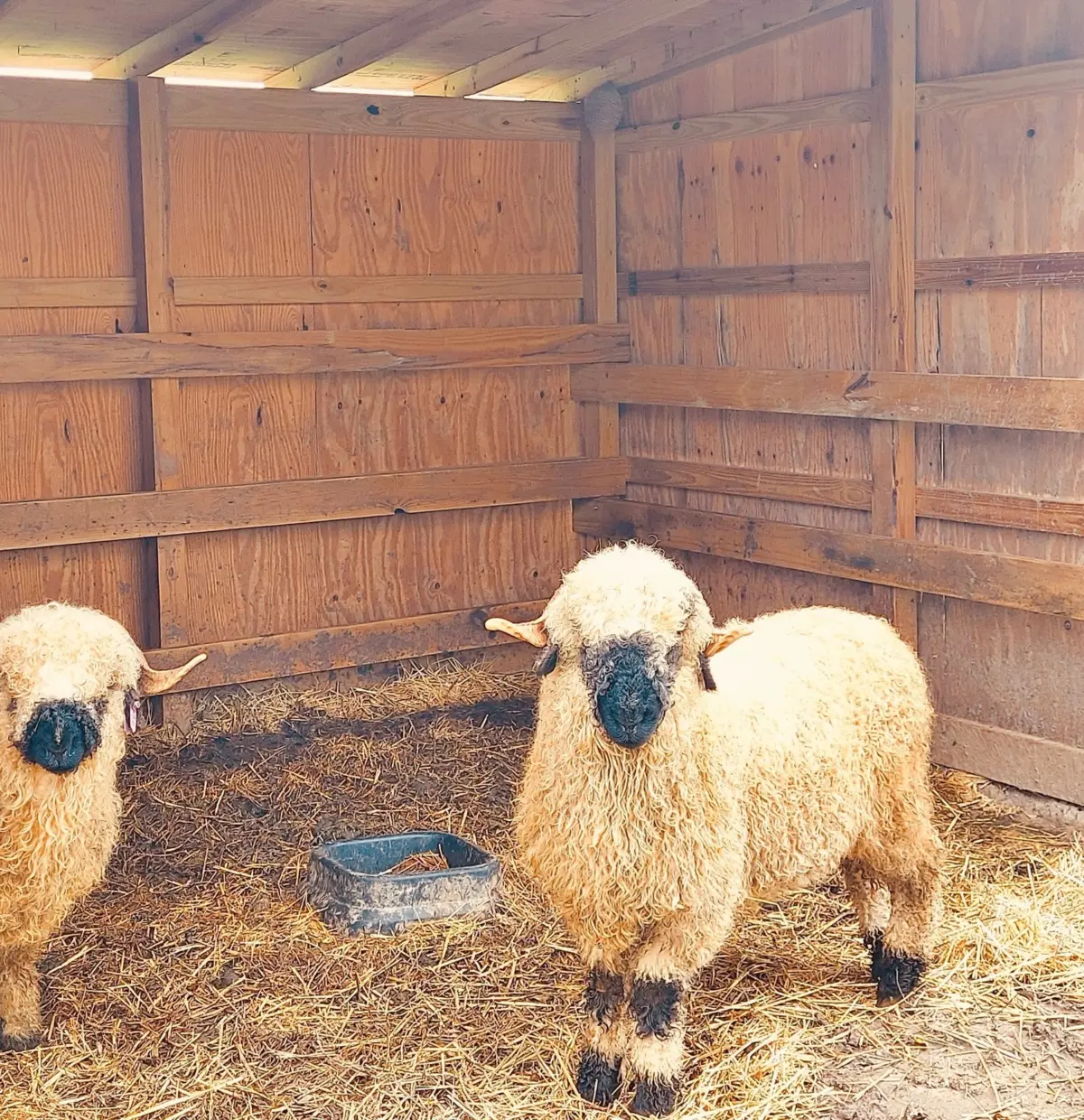
A brief investigation by farm staff revealed the culprit: a rapidly expanding wasp nest constructed in the eaves of the wooden shelter. The territorial insects had effectively claimed the structure, establishing a defensive perimeter that deterred the horses. Furthermore, the problem was not isolated to the equines. Wasps frequently swarmed the immediate environment, buzzing aggressively around the farm’s resident sheep and dairy cows. This persistent harassment introduced an elevated layer of chronic stress to animals that rely on calm, secure routines.
Faced with a compromised infrastructure, Aullwood’s conservation personnel needed a method to reclaim the shelters without resorting to chemical pesticides that could inadvertently harm beneficial pollinators, local bird populations, or the livestock themselves.
The Hypothesis and Field Testing
Drawing upon ecological deterrent theories, the conservation team explored the efficacy of decoy wasp nests. Wasps are fiercely territorial insects; queens actively avoid establishing new colonies within visual range of an existing, established nest to prevent resource competition. The team hypothesized that strategic placement of fake nests would trick local wasp populations into abandoning the farm’s animal enclosures.
To determine the most effective medium, Aullwood initiated a rigorous comparative trial. Staff constructed two distinct prototypes:
- A hand-molded papier-mâché wasp nest, designed to mimic the papery texture of a natural hornets’ nest.
- A meticulously crocheted fabric nest, utilizing neutral-toned yarn to replicate the organic, bulbous contours of a real hive.
Both decoys were hung strategically near the livestock zones, and conservationists closely monitored the subsequent behavior of local wasp populations. The results were decisively lopsided. The crocheted nest demonstrated superior efficacy, deterring wasps far more successfully than its papier-mâché counterpart. The structural depth, durability against weather elements, and organic visual profile of the crochet work made it a remarkably convincing visual deterrent.
An unexpected, charming secondary discovery emerged during the monitoring phase: the farm’s livestock—particularly the cows—found the hanging crochet structures immensely entertaining. Rather than ignoring the objects, the animals frequently interacted with them, utilizing the textured fabric as a novel form of environmental enrichment that reduced boredom and eased herd tension.
Supporting Context & Metrics: Mobilizing the Dayton Community
The Labor Bottleneck
While the ecological efficacy of the crocheted decoy nests was definitively proven, the initiative hit a significant operational roadblock. Aullwood Audubon operates as a multifaceted ecological sanctuary. Its dedicated staff manages sprawling property grounds, cares for a diverse menagerie of domestic and wild animal ambassadors, coordinates educational initiatives, and connects thousands of annual visitors with conservation science and bird preservation.
Put simply, staff simply did not possess the manpower or hours required to crochet the volume of nests needed to safeguard every livestock shelter across the sprawling farm. The project required scalable production, and the internal team needed to look beyond institutional walls for a solution.
The Birth of the "Conservation Crafters"
Turning a localized conservation hurdle into a community triumph, Aullwood Audubon launched an open call to action across its social media channels, seeking volunteer crafters from the greater Dayton region. The response was immediate and overwhelming.
To streamline production and maintain quality control, the volunteer coordination team assembled specialized "crochet kits." Each kit contained:
- Precise quantities of earth-toned yarn matching the exact coloration of natural wasp hives.
- An accessible, standardized crochet pattern developed by the farm.
- A sustainable stuffing component: Aullwood utilized its own farm-harvested sheep’s wool to stuff the interior of the decoy nests once completed, ensuring circular sustainability.
The call for support captured the imagination of the local populace. More than 50 passionate community members stepped forward, eagerly offering their personal time, expertise, and crochet hooks to aid the farm’s animal ambassadors.
Among the standout contributors was a delegation of local artisans affiliated with Knitted Knockers, a nationally recognized non-profit organization dedicated to pairing volunteer knitters and crocheters with breast cancer survivors to supply soft, handmade breast prosthetics. Transitioning their intricate domestic craft from human healthcare to agricultural conservation, these skilled artisans channeled their technical proficiency into creating durable, highly effective wasp deterrents for Aullwood’s livestock.
Official Statements and Institutional Impact
The intersection of grassroots crafting and professional wildlife management generated profound enthusiasm among Aullwood’s leadership, illuminating new pathways for public involvement in environmental organizations.
Julia Smith, Aullwood Audubon Volunteer Coordinator, articulated the broader philosophical significance of the initiative:
"This is the kind of project that excited me because people can do [it] in their homes to support our mission. We are meeting people where they are. This shows that you don’t have to be the stereotypical outdoorsy person to support a group like Audubon."
Smith’s observations highlight a vital democratization of conservation work. Historically, environmental stewardship has been viewed as an outdoor discipline reserved for hikers, ornithologists, and field researchers. By creating domestic touchpoints—such as crocheting in an armchair while watching television—Aullwood successfully broadened its demographic reach, engaging individuals whose physical mobility or lifestyle preferences might otherwise preclude them from traditional outdoor volunteering.
Echoing these sentiments, Kary Tollefson, Senior Conservation Associate at Aullwood, emphasized the immediate tangible benefits realized by the farm’s animal population:
"Our animal ambassadors on the farm are loved by everyone, and it is great that the public is able to provide them comfort. Now our animals have a safe place to use their shelters on days when the weather is too hot or too cold. Our volunteers demonstrated how much they care by making these nests by hand, and we can’t thank them enough!"
The collective sentiment among staff is clear: the crocheted decoy project serves as a poignant reminder that modern conservation is expansive and multifaceted. True ecological resilience is sustained not only through direct habitat restoration and avian monitoring out in the wilderness, but equally through community-wide collaborative networks and creative domestic handiwork.
Future Outlook: Scaling the Success of Conservation Crafters
The sheer volume of local enthusiasm caught the Aullwood administrative team by surprise. With more than 50 eager applicants responding to an initial call that could only accommodate a fraction of that number, the institution faces an encouraging operational challenge: maintaining and channeling this newly unlocked wave of community-driven philanthropic energy.
Expanding the Conservation Crafters Initiative
Due to the high volume of community interest and the successful pilot deployment of the crocheted nests across the farm’s animal shelters, Aullwood Audubon staff are actively designing future iterations of the Conservation Crafters program. Rather than concluding with the wasp deterrent campaign, the institution intends to institutionalize this network of domestic artisans, engaging them for recurring seasonal projects that support property maintenance, animal enrichment, and educational programming.
Future initiatives under consideration include:
- Advanced Enrichment Toys: Developing specialized, durable fiber-based puzzles and hanging objects for the farm’s pigs, goats, and cows to stimulate natural foraging and play behaviors.
- Wildlife Rehabilitation Support: Crafting specialized nesting pouches, warming pods, and recovery accessories utilized by Aullwood’s wildlife rehabilitation wing for orphaned or injured native fauna.
- Educational Display Props: Creating tactile, fiber-based ecological models that educators can utilize during school field trips to visually explain complex natural phenomena to children.
How to Get Involved
Aullwood Audubon continues to expand its footprint as a cornerstone of environmental education, community engagement, and sustainable farming in the Miami Valley region. For community members inspired by the success of the crocheted wasp deterrents, multiple avenues exist to connect with the organization’s ongoing mission:
- Join the Newsletter: Individuals can sign up for the official Aullwood monthly newsletter via the Audubon Great Lakes network to receive timely updates regarding upcoming volunteer drives, seasonal events, property developments, and updates regarding the famous wooden Trolls installed across the property grounds.
- Direct Volunteer Inquiries: Prospective volunteers eager to contribute their skills—whether through crafting, property upkeep, educational assistance, or farm maintenance—are encouraged to contact Volunteer Coordinator Julia Smith directly via email at [email protected].
- Follow Digital Channels: Engaging with Aullwood’s active social media platforms provides daily insights into daily farm operations, animal spotlights, and upcoming conservation workshops.
Ultimately, the crocheted wasp nest initiative stands as a shining example of creative problem-solving. By bridging the gap between ecological necessity and community artistry, Aullwood Audubon has proven that when human creativity intersects with animal welfare, the entire ecosystem thrives.