
Executive Overview
The domestic dog (Canis lupus familiaris) is one of the most phenotypically diverse species on Earth, a direct result of thousands of years of human-directed selection. However, while human utility—such as herding, guarding, and hunting—laid the foundation for breed development, it was the unforgiving topography and harsh climates of the natural world that truly forged the physical and psychological architecture of our most resilient working breeds. From the sheer, wind-scoured peaks of the Swiss Alps to the arid, predator-dense steppes of Anatolia, geography acted as a brutal and uncompromising evolutionary sieve.
This investigative report examines thirteen canine breeds engineered by extreme environments. Rather than merely surviving, these breeds adapted through highly specialized physiological and behavioral traits: water-repellent double coats, unique skeletal adaptations, high-altitude cardiovascular efficiency, and a cognitive capacity for independent decision-making. As these ancient working lines increasingly transition into modern domestic spaces, understanding their environmental origins is no longer just an academic pursuit—it is a critical requirement for responsible stewardship, veterinary care, and genetic preservation.
Detailed Chronology of Topographical Engineering
The development of these thirteen breeds occurred across centuries of isolation, where physical geography served as a natural barrier to genetic dilution. Below is an analytical breakdown of these breeds, categorized by the specific environmental pressures that shaped their evolution.
                  CANINE TOPOGRAPHICAL ENGINEERING
                                 │
         ┌───────────────────────┼───────────────────────┐
         ▼                       ▼                       ▼
  ALPINE & HIGHLAND       POLAR & ARCTIC         HIGH-DRIVE PLAIN
     SPECIALISTS             VOYAGERS               & LOWLAND
   (Steep Slopes,         (Sub-Zero Cold,         (Vast Distances,
   Low-Oxygen, Snow)       Ice, Heavy Loads)       Extreme Stamina)
         │                       │                       │
         ├─ Bernese Mtn. Dog     ├─ Siberian Husky       ├─ Aus. Cattle Dog
         ├─ Great Pyrenees       └─ Alaskan Malamute     ├─ Border Collie
         ├─ Anatolian Shepherd                           ├─ Norwegian Elkhound
         ├─ Saint Bernard                                ├─ Icelandic Sheepdog
         ├─ Tibetan Mastiff                              └─ Jack Russell
         └─ Caucasian Shepherd
The Alpine and Mountain Guardians
               ALPINE ADAPTATION MATRIX
┌──────────────────────┬────────────────────────────────────────┐
│ Feature              │ Adaptive Function                      │
├──────────────────────┼────────────────────────────────────────┤
│ Double Dewclaws      │ Acts as crampons on steep, icy slopes  │
├──────────────────────┼────────────────────────────────────────┤
│ Massive Bone Density │ Absorbs impact of downhill locomotion  │
├──────────────────────┼────────────────────────────────────────┤
│ Dense Double Coat    │ Repels freezing rain, snow, and wind   │
├──────────────────────┼────────────────────────────────────────┤
│ Independent Instinct │ Protects flocks without human guidance │
└──────────────────────┴────────────────────────────────────────┘
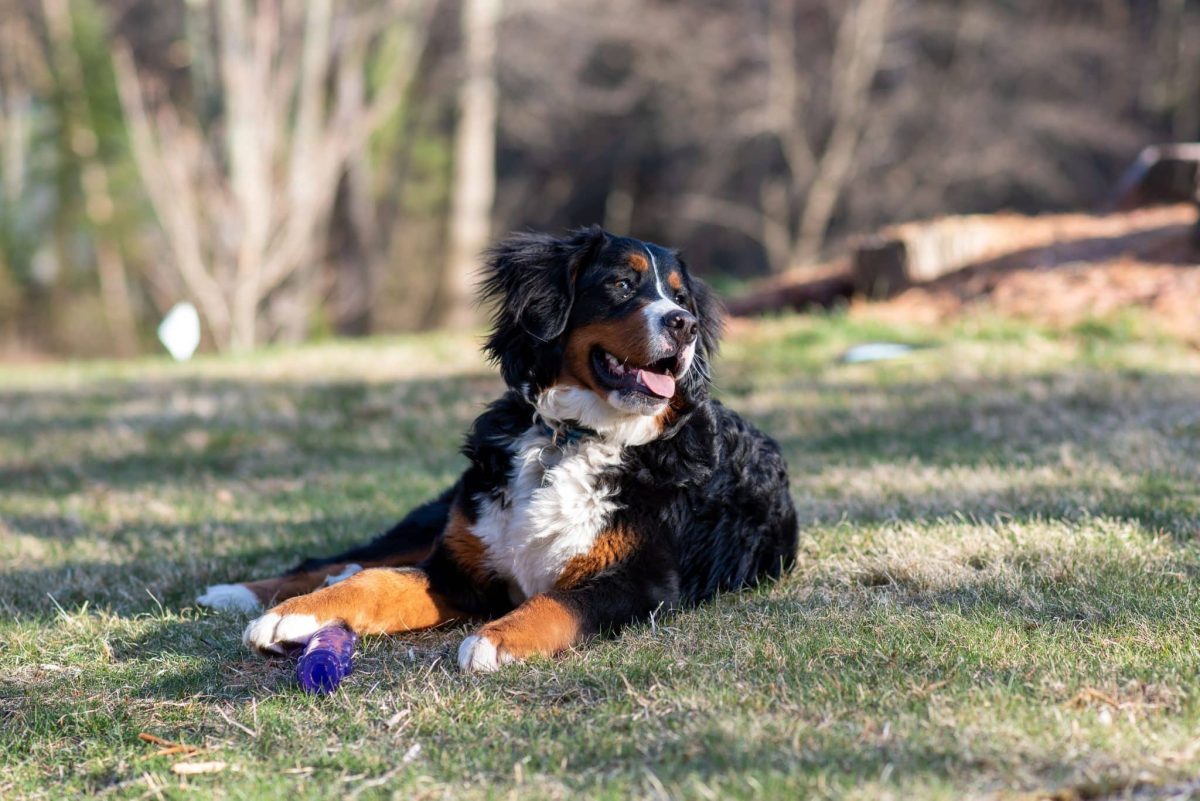
1. Bernese Mountain Dog (Switzerland)
Originating in the midlands and alpine regions surrounding Bern, the Bernese Mountain Dog was forged by the multi-use demands of Swiss dairy farming. The breed’s primary challenges were steep alpine pastures and the physical strain of draft work.
To haul heavy milk carts down treacherous mountain passes, the Bernese developed a low center of gravity, a broad, muscular chest, and highly dense bone structure to absorb the impact of downhill braking. Their thick, insulating double coat protected them from sudden, violent alpine storms, while their calm, steady temperament ensured they remained focused amidst livestock and challenging terrain.
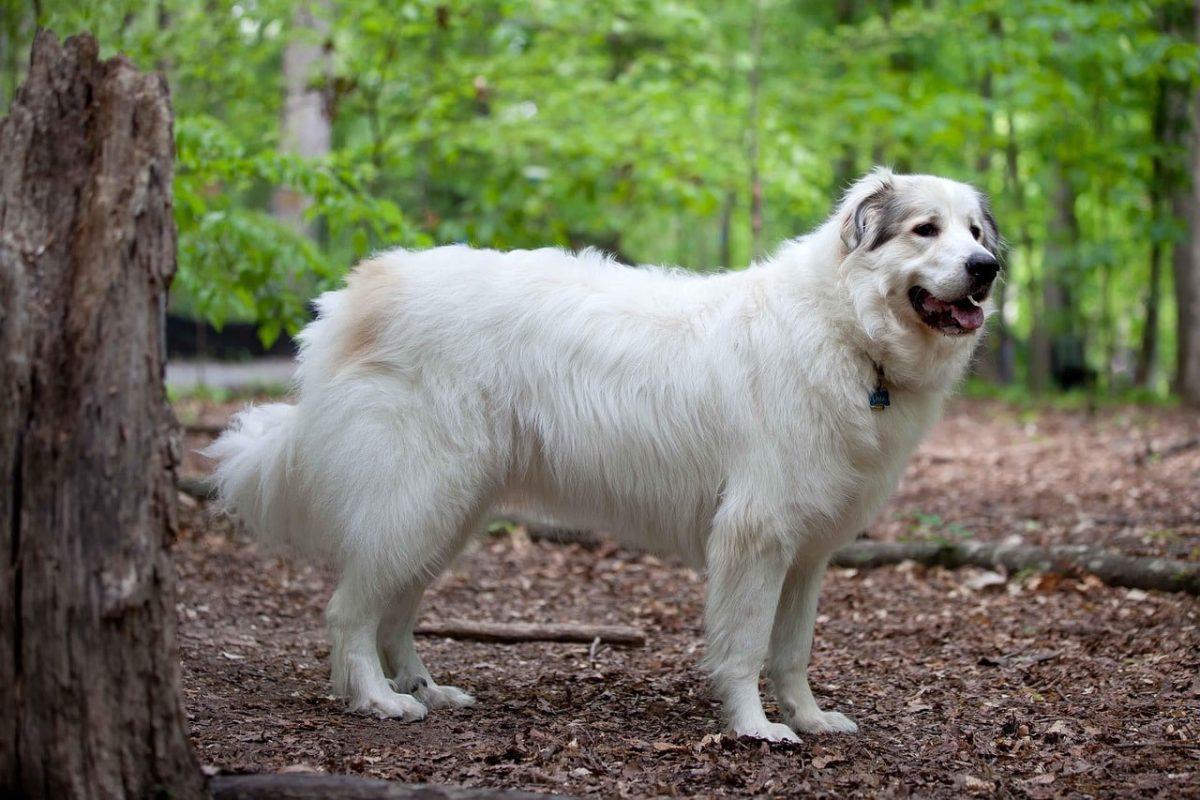
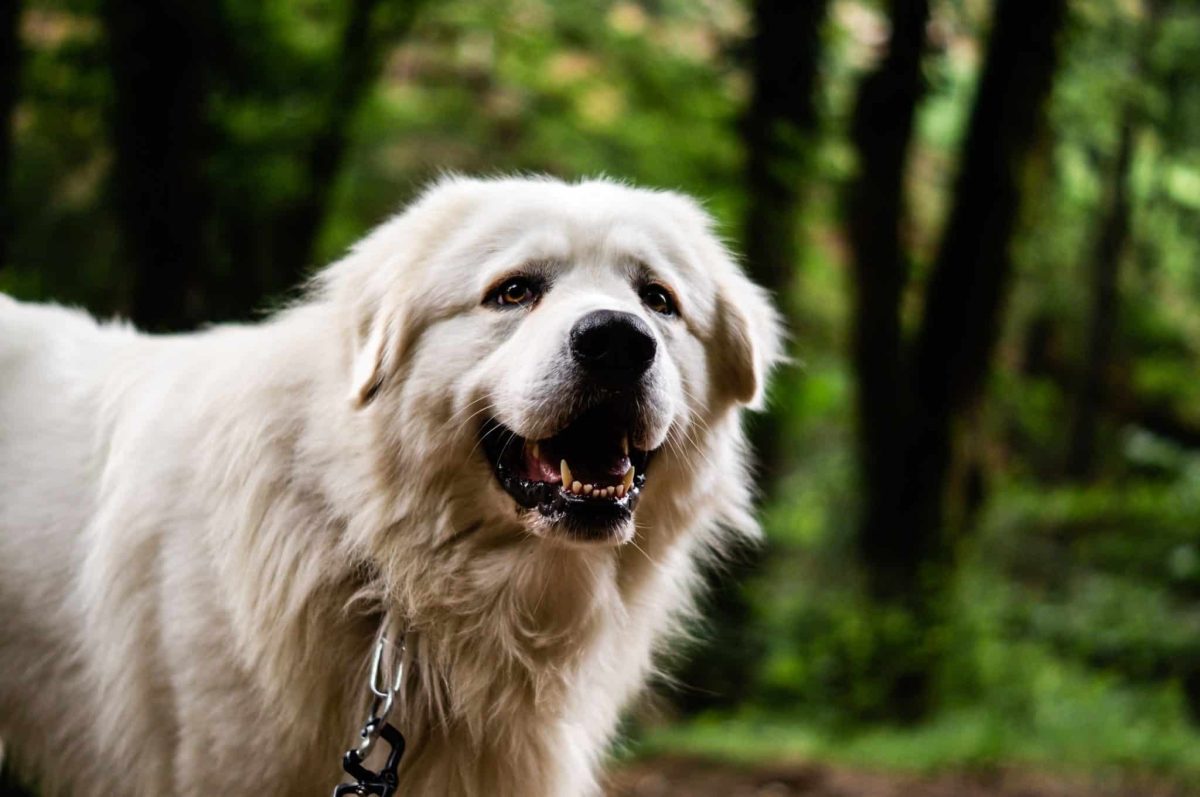
2. Great Pyrenees (France/Spain)
Tasked with protecting flocks from wolves and bears in the high elevations of the Pyrenees Mountains, this breed required physical resilience and extreme autonomy. The Pyrenees’ most notable physical adaptation is the presence of double dewclaws on the hind legs.

These extra digits, attached to the bone, function essentially as crampons, expanding the foot’s surface area to provide stability on loose shale and icy inclines. Their white, weather-resistant double coat not only insulated them against freezing temperatures but also allowed them to blend in with the flock, providing a tactical element of surprise against predators.
       GREAT PYRENEES HIND LIMB (DOUBLE DEWCLAWS)

             [ Tibia / Fibula ]
                    │
                    ▼
             [ Tarsal Bones ]
              /     │
             /      │
     [Metatarsals]  │   [Double Dewclaws] ◄─── Provides lateral
          │         │    (Digits I & II)       stability & traction
          ▼         ▼          ▼               on steep, icy slopes
     [Toe Pads] [Toe Pads] [Claw Extensions]
3. Anatolian Shepherd Dog (Türkiye)
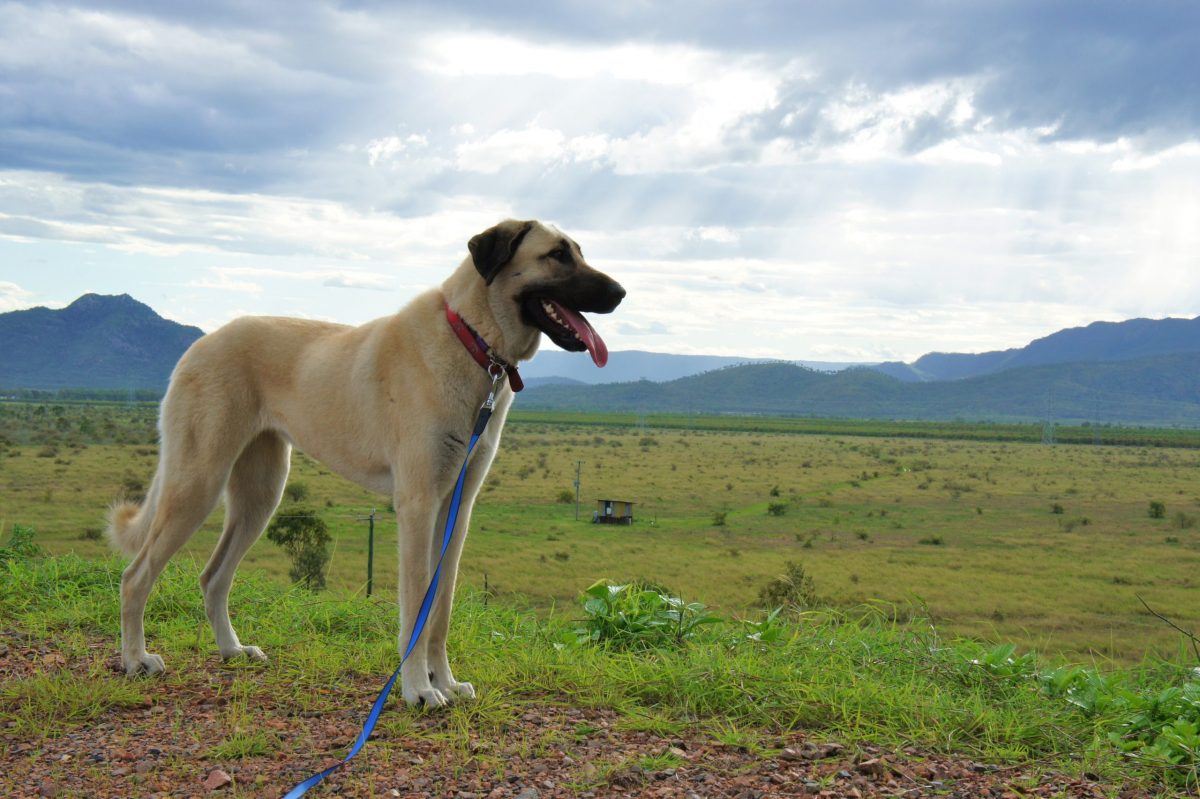
The Anatolian plateau is characterized by blistering summer heat, freezing winters, and vast, barren terrain. Unlike alpine guardians that rely on heavy mass, the Anatolian Shepherd evolved as a cursorial (running) guardian.
They possess an athletic, leggy build that allows them to cover immense distances at high speeds to intercept predators. Their tight, short-to-medium coat is highly adaptable, shedding out completely in the summer to prevent heat stroke while retaining an insulating undercoat in winter. Their deep-set eyes are protected by prominent brow ridges, shielding their vision from the relentless sun and dust of the Turkish steppes.
4. Saint Bernard (Switzerland)
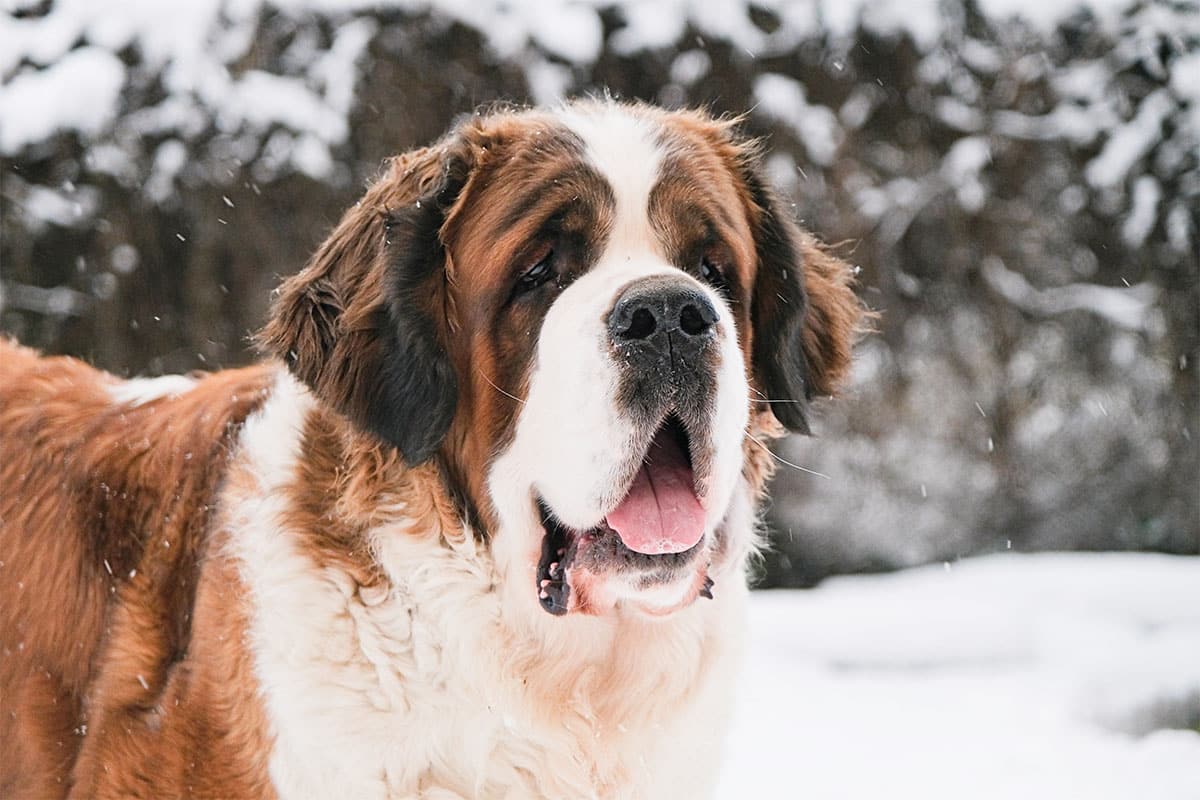
Deeply tied to the Great St. Bernard Pass in the Western Alps, these dogs were originally bred by monks for search-and-rescue operations in deep snow. The Saint Bernard’s immense physical power allowed them to plow through snowdrifts that would immobilize smaller animals.
Their broad, deep muzzles housed large nasal cavities, which warmed the freezing air before it reached their lungs—a vital adaptation for high-altitude cardiovascular endurance. While modern lines have diverged into heavier, companion-focused phenotypes, the historical Saint Bernard was a leaner, highly agile alpine traveler capable of detecting incoming avalanches through low-frequency auditory sensitivity.
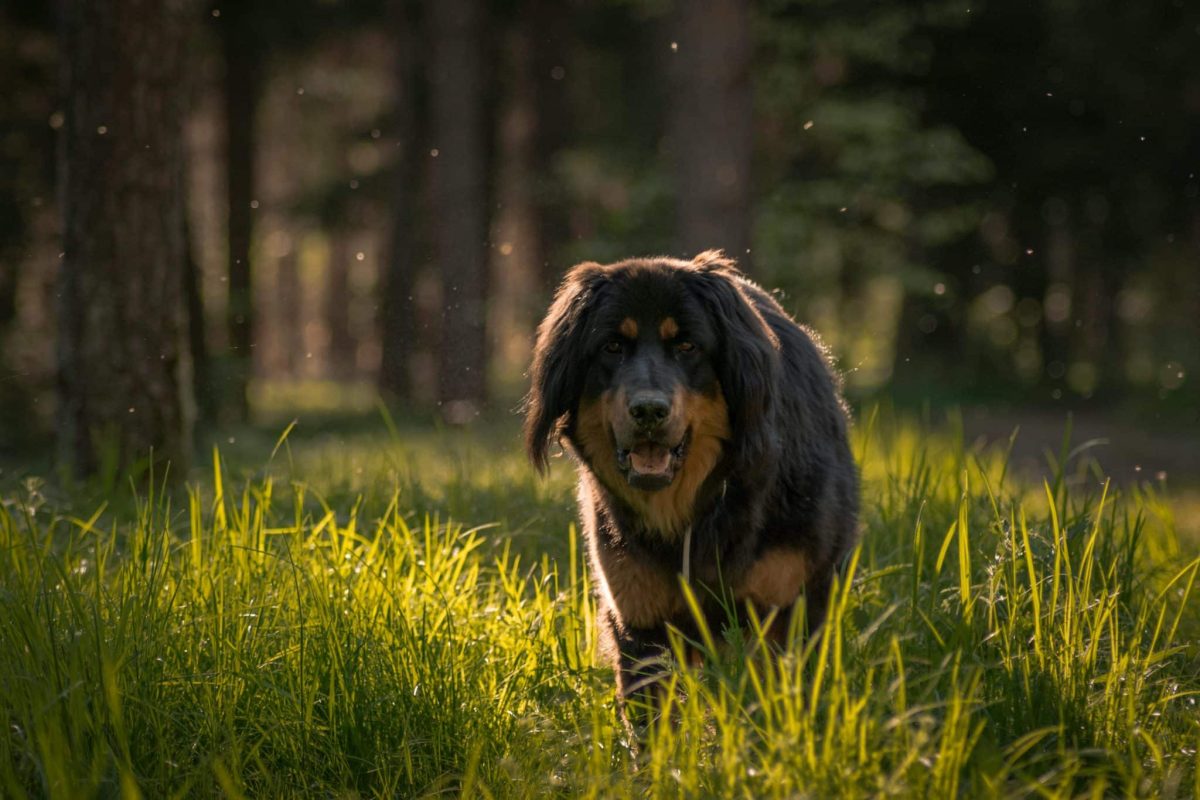
5. Tibetan Mastiff (Himalayas)
Operating at elevations exceeding 14,000 feet, the Tibetan Mastiff is a marvel of evolutionary biology. Research indicates that the breed acquired genetic adaptations for high-altitude survival—specifically regarding oxygen hemoglobin binding—through historical interbreeding with the Tibetan wolf (Canis lupus chanco).
Physically, their massive heads, heavy neck ruffs, and dense, woolly double coats protect their vital arteries from both the biting Himalayan winds and the teeth of apex predators. Their slow metabolism and tendency toward nocturnal alertness are direct adaptations to conserving energy during the harsh daytime heat of the high-altitude plateaus.
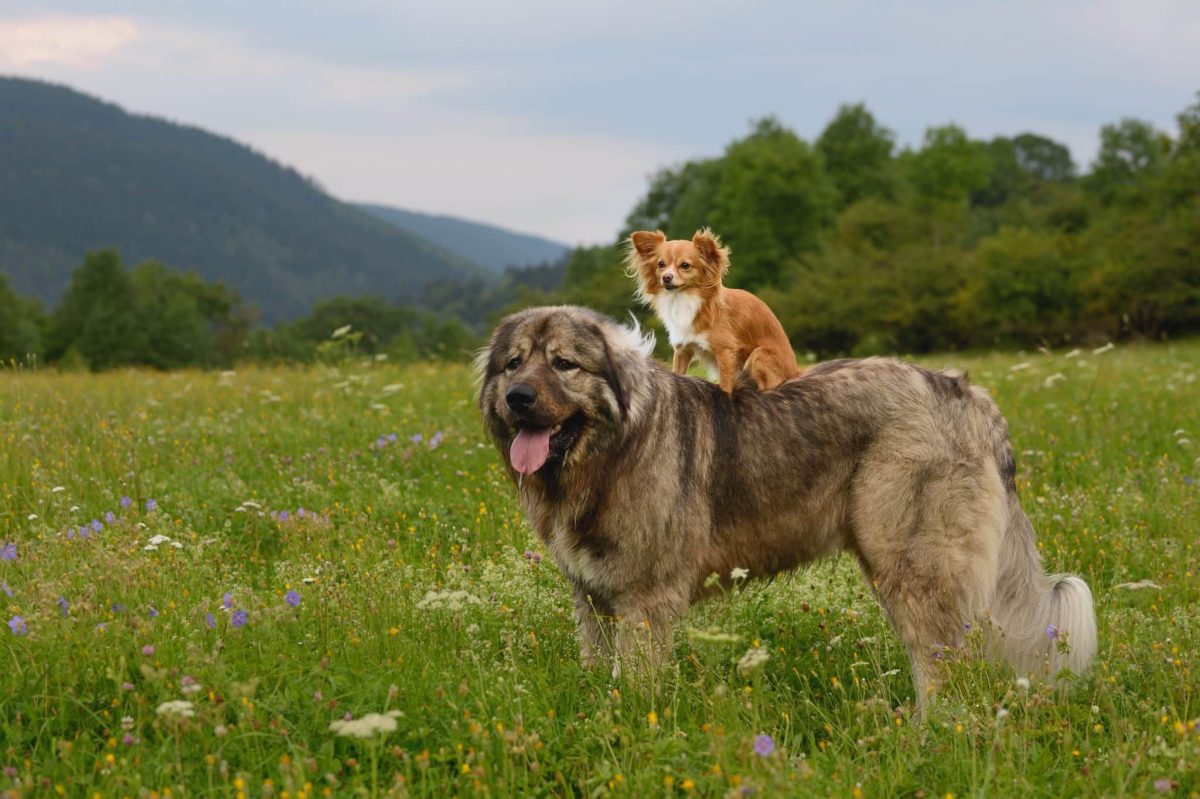
6. Caucasian Shepherd Dog (Caucasus Mountains)
The Caucasus mountain range, spanning from the Black Sea to the Caspian Sea, features some of the most rugged terrain on earth. The Caucasian Shepherd (Ovcharka) was engineered to protect properties and livestock from large predators, including wolves and bears.
Their skeletal structure is exceptionally robust, with massive muscle attachments designed for explosive power rather than sustained speed. Their thick, weather-resistant coat is virtually impenetrable to both teeth and briars, acting as natural armor. This physical formidable nature is matched by an intensely protective, self-reliant temperament forged by centuries of working in complete isolation.
High-Altitude and Severe Cold Specialists
               ARCTIC INSULATION PROFILES
┌──────────────────┬────────────────────────┬────────────────────────┐
│ Breed            │ Coat Characteristics   │ Specialized Footwear   │
├──────────────────┼────────────────────────┼────────────────────────┤
│ Siberian Husky   │ Medium-length, dense   │ Heavily furred toes,   │
│                  │ cashmere-like undercoat│ tight, oval shape      │
├──────────────────┼────────────────────────┼────────────────────────┤
│ Alaskan Malamute │ Coarse guard hairs,    │ Wide, snowshoe-like    │
│                  │ dense, oily undercoat  │ paw, thick webbing     │
└──────────────────┴────────────────────────┴────────────────────────┘
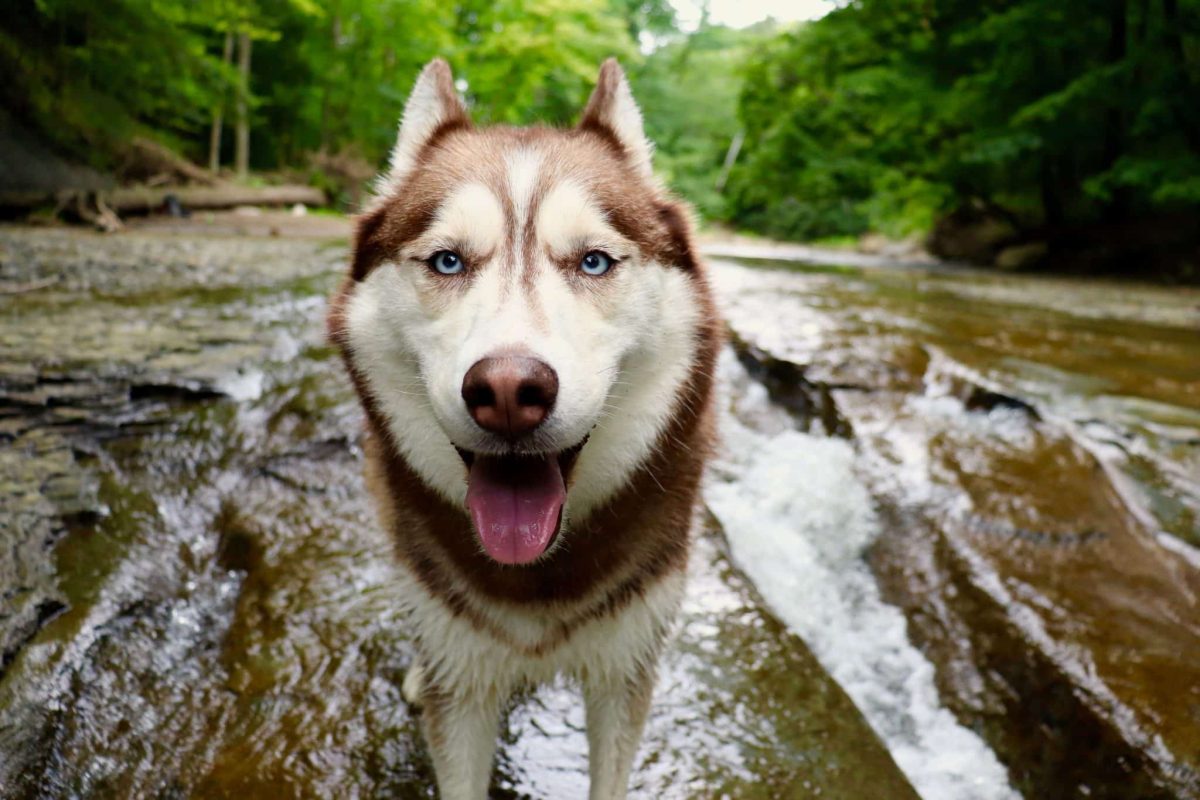
7. Siberian Husky (Northeastern Asia)
Developed by the nomadic Chukchi people of eastern Siberia, the Siberian Husky was engineered as an endurance sled dog. Their entire physiology is a study in thermal efficiency.
Their double coat consists of a dense, cashmere-like undercoat and straight guard hairs that lie flat against the body, trapping a layer of warm air. Their almond-shaped eyes are set obliquely to prevent windblown snow from accumulating in the corners. Furthermore, their metabolic efficiency is legendary; Huskies can alter their metabolism to burn fat directly without depleting their glycogen stores, allowing them to run hundreds of miles with minimal caloric intake.
8. Alaskan Malamute (Arctic)
While the Husky was built for speed over distance, the Alaskan Malamute was engineered by the Mahlemut tribe for heavy freighting across the frozen expanses of the Arctic. The Malamute is characterized by immense pulling power, supported by a broad chest, heavily muscled shoulders, and wide, thick-padded snowshoe feet.
Their ears are small, thick, and heavily furred inside to minimize heat loss and protect against frostbite. The Malamute’s tail is long and plumed; when the dog curls up to sleep in sub-zero temperatures, they place this highly insulated tail over their nose and face to warm their breath and protect their respiratory tract.
The High-Endurance Herders and Drovers
9. Australian Cattle Dog (Australia)
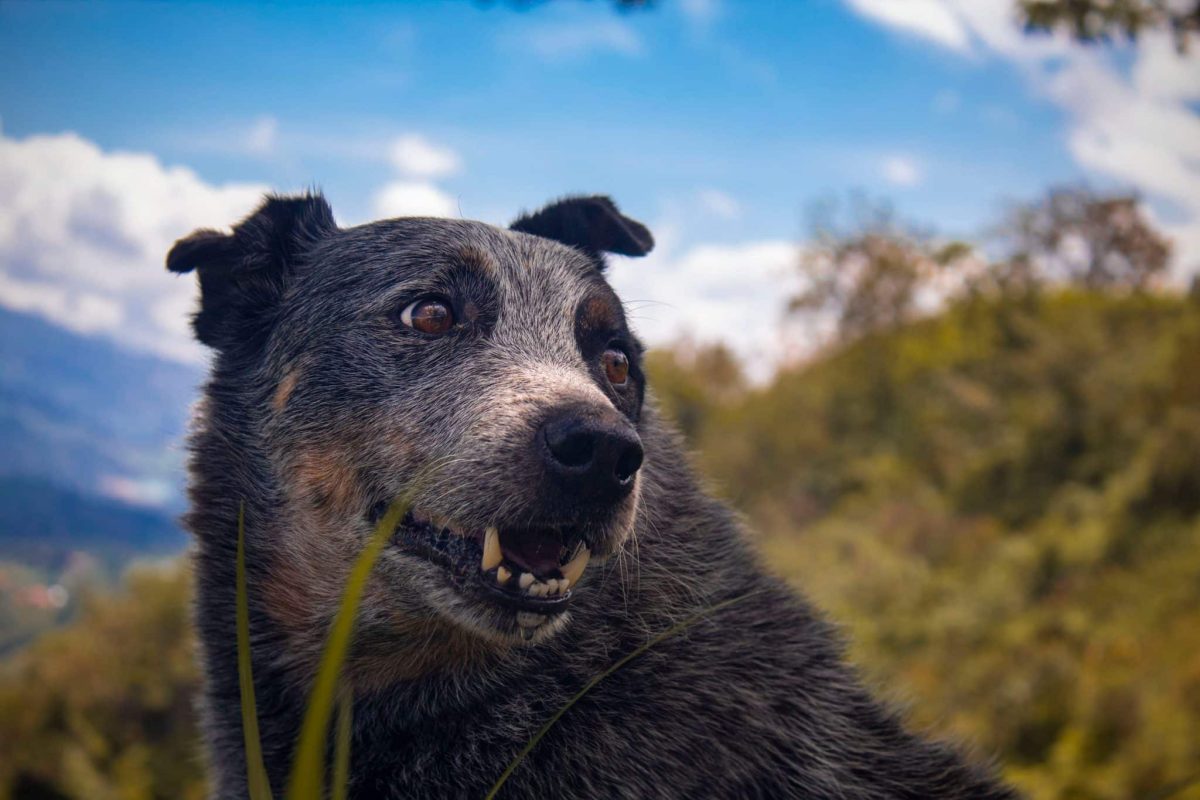
The colonization of the Australian outback demanded a dog that could drive wild cattle over vast, waterless distances under a scorching sun. To achieve this, breeders crossed traditional British herding dogs with the native Dingo.
The resulting Australian Cattle Dog inherited the Dingo’s silent working style, high-heat tolerance, and extreme physical endurance. Their coat is short and dense, featuring a rain-resistant outer layer that sheds dirt and water effortlessly. Their compact, muscular frame acts as a shock absorber, enabling them to leap and dodge the kicks of stubborn cattle in rough, uneven country.
10. Border Collie (Anglo-Scottish Border)
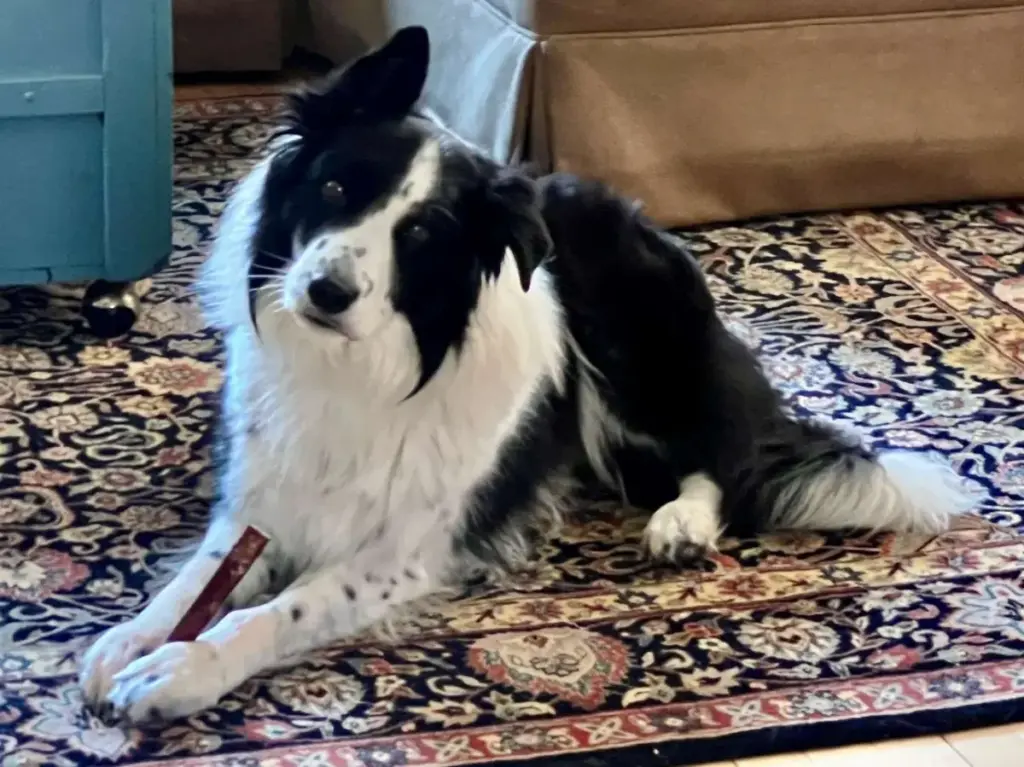
The craggy, wind-swept hills of the border country between Scotland and England demanded a herding dog of unmatched agility and cognitive focus. The Border Collie evolved to navigate these steep, slippery slopes at high speeds.
Their skeletal structure is highly flexible, with loose shoulders that allow them to drop into a low, crouching "stealth" posture while maintaining visual contact with the flock. Their cardiovascular system is exceptionally efficient, supporting sustained anaerobic exertion on uneven terrain where a single misstep could be fatal.
       BORDER COLLIE CROUCHING LOCOMOTION (LOW-STANCE AGILITY)

         [Head Lowered / Eye Focused]
                     │
         ┌───────────┴───────────┐
         ▼                       ▼
   [Scapula Rotated      [Pelvis Dropped /
     Outward]              Hindquarters Flexed]
         │                       │
         ▼                       ▼
   [Low Center of Gravity / Maximum Lateral Agility]
11. Icelandic Sheepdog (Iceland)
As Iceland’s only native breed, this spitz-type herding dog was shaped by volcanic terrain, glaciers, and unpredictable sub-polar weather. The Icelandic Sheepdog had to be agile enough to locate lost sheep in treacherous lava fields and loud enough to guide stock through thick mountain mists.
Their double coat is highly water-repellent, shedding rain and sleet with ease. Their bushy tail, carried curled over the back, helps retain core body temperature when resting on frozen ground.
Forest and Subterranean Specialists
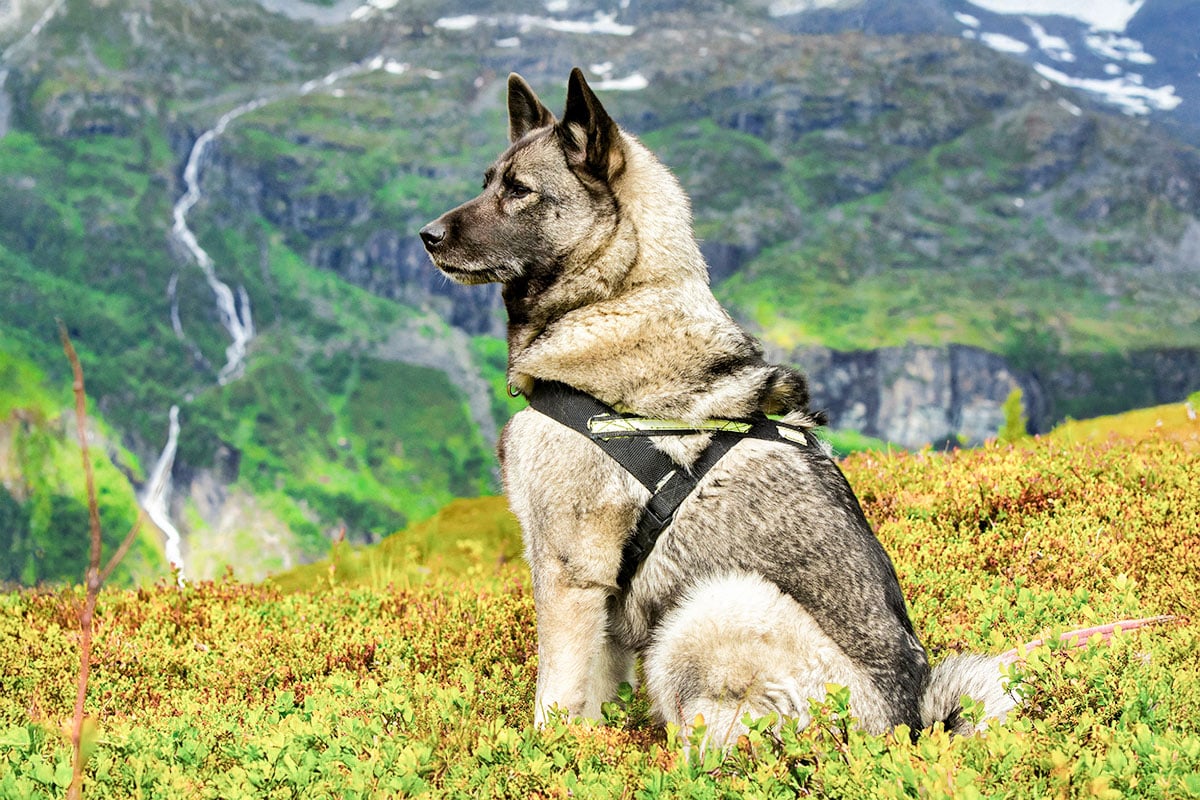
12. Norwegian Elkhound (Scandinavia)
For over a thousand years, the Norwegian Elkhound served as a hunting companion in the dense, snow-covered forests of Norway. Designed to track and hold giant moose (elkhound translates to elghund, meaning "moose dog"), this breed required immense stamina to trot over rough terrain for days on end.
Their short, compact body is built for endurance rather than explosive speed, and their square profile provides excellent balance on rocky slopes. Their weather-resistant double coat and tightly curled tail are classic adaptations to the cold, damp Scandinavian climate.
13. Jack Russell Terrier (England)
Though smaller than their working peers, the Jack Russell Terrier was engineered with a level of courage and physical resilience that rivals any mountain guardian. Developed in the rugged countryside of England for fox hunting, these terriers had to run with hounds and then go "to ground" into dark, narrow subterranean dens.
Their chest is highly flexible and "spanable" (meaning it can be compressed by human hands), allowing them to squeeze through tight underground rock formations. Their straight, strong legs and high bone density relative to their size provide the leverage needed to dig through packed clay and roots, while their fearless, tenacious spirit ensures they never back down in challenging environments.
Supporting Context & Metrics
The physical superiority of these breeds is not merely anecdotal; it is quantifiable through physiological, biomechanical, and thermal metrics. The table below illustrates how specific environmental demands dictated the evolutionary traits of these working dogs.

                        PHYSIOLOGICAL ADAPTATION MATRIX
┌───────────────────────┬───────────────────────────┬────────────────────────────────────────┐
│ Breed Category        │ Primary Stressor          │ Quantifiable Physiological Adaptation  │
├───────────────────────┼───────────────────────────┼────────────────────────────────────────┤
│ High-Altitude         │ Hypoxia (Low Oxygen)      │ Elevated hemoglobin oxygen affinity    │
│ Guardians             │                           │ & increased lung capacity.             │
├───────────────────────┼───────────────────────────┼────────────────────────────────────────┤
│ Arctic Sled Dogs      │ Extreme Cold (-50°F)      │ Counter-current heat exchange in paws; │
│                       │                           │ non-shivering thermogenesis.           │
├───────────────────────┼───────────────────────────┼────────────────────────────────────────┤
│ Outrun Herders        │ High Anaerobic Demand     │ Highly flexible scapula-humeral angle  │
│                       │                           │ (up to 30% more lateral flexion).      │
├───────────────────────┼───────────────────────────┼────────────────────────────────────────┤
│ Subterranean Terriers │ Constricted Spaces        │ Compressible ribcage; high thoracic    │
│                       │                           │ compliance.                            │
└───────────────────────┴───────────────────────────┴────────────────────────────────────────┘
The Physics of the Double Coat
The double coat is the primary thermal barrier for ten of the thirteen breeds listed. It operates on a dual-layer system:
- The Undercoat: Composed of short, dense, wavy hairs (down-hair) that trap pockets of non-moving air warmed by the dog’s body heat. This layer provides high-efficiency thermal resistance (R-value).
- The Guard Hairs: Longer, thicker, straight hairs coated in natural sebum (oils). This layer acts as a windbreak and a hydrophobic shield, shedding water and preventing moisture from reaching the insulating undercoat.
In breeds like the Siberian Husky and Alaskan Malamute, this system is so efficient that snow falling on their backs does not melt; the dog’s body heat is completely retained inside the coat, preventing any thermal transfer to the exterior.
Official Statements and Expert Perspectives
The transition of these highly specialized working animals into modern urban and suburban households has sparked intense debate among veterinary behaviorists, breed preservationists, and geneticists.
Dr. Evelyn Vance, PhD, Canine Evolutionary Biologist:
"We must recognize that these breeds are not blank slates. They are highly specialized biological machines. When you take an Anatolian Shepherd—a dog whose genetics dictate that it must monitor a three-mile perimeter in silence and make life-or-death decisions without human input—and place it in a suburban backyard with a five-foot fence, you create a profound evolutionary mismatch. The behavioral issues we see in these breeds are often not pathologies; they are simply the dog executing the software it was engineered with over a thousand years."
The International Association of Working Breed Clubs (IAWBC):
"The preservation of working traits is essential to the genetic health of these breeds. Breeding solely for the show ring or cosmetic appeal dilutes the structural integrity and cognitive sharpness that defined them. We advocate for performance testing—such as herding trials, draft work, and flock guardian evaluations—to ensure that the physical and mental capabilities of these magnificent animals are not lost to history."
Future Outlook: Preserving Heritage in a Modern World
As the physical landscapes that created these breeds continue to shift due to urbanization, climate change, and industrialized farming, the role of these dogs is changing. The future of these thirteen breeds relies on three key pillars:
1. The Preservation of Genetic Diversity
Many ancient guardian breeds, such as the Caucasian Shepherd and the Tibetan Mastiff, suffer from genetic bottlenecks caused by commercial breeding trends. Genetic preservation initiatives are now utilizing advanced genomic sequencing to identify and preserve the diverse founder lines that carry the original, robust health markers of these breeds.

                    WORKING GENOME PRESERVATION
                                 │
         ┌───────────────────────┴───────────────────────┐
         ▼                                               ▼
[Genomic Sequencing]                           [Working Performance Tests]
  • Map hypoxia-resistance genes                 • Evaluate drive, stamina, & load capacity
  • Identify cold-tolerance markers              • Maintain physical and structural soundness
         │                                               │
         └───────────────────────┬───────────────────────┘
                                 ▼
                     [Preserved Breed Heritage]
2. Behavioral Re-channeling
To keep these breeds healthy in modern homes, veterinary behaviorists are developing advanced canine sports that mimic their historic duties. Activities like Drafting/Carting (for Bernese Mountain Dogs and Saint Bernards), Fast CAT and Sledding (for Huskies and Malamutes), and Herding Trials (for Border Collies and Australian Cattle Dogs) serve as essential outlets for their deep-seated instincts.
3. Ethical and Informed Ownership
The survival of these breeds as companions depends on realistic ownership expectations. Prospective owners must look beyond a dog’s majestic appearance and understand the environmental legacy written in its DNA. Providing proper exercise, secure fencing, early socialization, and structured mental challenges is not just a training philosophy—it is an act of respect for the ancient landscapes that shaped these extraordinary animals.
Conclusion
The steep mountain paths, freezing tundra, and dry plains of our planet did more than just test these thirteen breeds; they carved them out of the canine genome. Whether it is the double dewclaw of the Great Pyrenees, the metabolic wizardry of the Siberian Husky, or the crouching stance of the Border Collie, these dogs are living monuments to our shared history with the natural world. By understanding, respecting, and preserving their rugged heritage, we ensure that these fearless companions can continue to navigate both the wild trails of the earth and the modern spaces they now call home.