Summer in the city transforms ordinary routines into a high-stakes balancing act for pet owners. While patio brunches, off-leash park excursions, and long golden-hour walks define the season for many dog lovers, the invisible threat of rising temperatures works quietly against our canine companions. When the mercury climbs, a dog’s natural thermoregulatory systems are pushed to their absolute limits. The immediate instinct of a overheated dog—skipping post-playtime cuddles to make a frantic beeline straight for the water bowl—signals more than just a passing thirst; it is a critical warning sign of physiological stress.
Maintaining adequate hydration is a daily necessity, but during the sweltering dog days of summer, it becomes the definitive line of defense between a vibrant pet and a life-threatening medical emergency. To navigate this seasonal challenge, pet parents must look beyond basic water bowl maintenance and adopt an authoritative, science-backed approach to canine hydration.
Drawing insights from leading veterinary experts like Dr. Sarah Manning, a clinical assistant professor at the Texas A&M University College of Veterinary Medicine and Biomedical Sciences, this report explores the mechanics of canine hydration, identifies subtle signs of distress before they compound into emergencies, and highlights expert-recommended gear and tactical strategies to keep your dog safe throughout the hottest months of the year.
Detailed Chronology & Physiological Mechanisms: The Anatomy of Canine Overheating
To understand why summer weather poses such a profound risk to dogs, one must examine how a canine body manages internal heat. Unlike humans, who possess an extensive network of sweat glands distributed across their entire skin surface to cool down via evaporation, dogs have a severely limited cooling apparatus. They rely primarily on panting to exchange warm internal air for cooler ambient air, alongside a minimal number of sweat glands located exclusively in the paw pads.
As ambient temperatures and humidity levels soar, the efficiency of panting plummets. When a dog exercises vigorously on a hot summer day, their internal metabolic heat production skyrockets. Without a sufficient volume of water coursing through their vascular system, the body cannot effectively transfer core heat to the periphery for dissipation.
The Cascade of Dehydration
When water intake fails to match fluid loss from panting, drooling, and exertion, a dangerous physiological sequence unfolds:
Initial Fluid Depletion: Blood volume decreases, forcing the cardiovascular system to work harder to maintain blood pressure and oxygen delivery to vital organs.
Compromised Thermoregulation: With reduced plasma volume, the body curtails blood flow to the skin, trapping core heat inside the body and causing internal temperatures to rise rapidly.
Cellular and Organ Stress: Without adequate water, cellular metabolism falters. The kidneys, responsible for filtering toxins, experience decreased blood flow, setting the stage for acute renal failure.
Critical Failure: Unchecked dehydration quickly bridges into heatstroke, triggering widespread systemic inflammation, neurological dysfunction, and hypovolemic shock—a catastrophic state where fluid volume drops so low that organs begin to shut down permanently.
Supporting Context & Metrics: Quantifying Your Pet’s Daily Water Needs
Water is not merely a thirst quencher; it is the fundamental engine that powers every physiological process in a pet’s body. From lubricating joints and facilitating smooth digestion to maintaining organ health and regulating internal temperature, hydration is the cornerstone of longevity. Yet, determining the exact volume of water a dog or cat requires is rarely a one-size-fits-all equation.
According to veterinary guidelines outlined by Dr. Manning, baseline fluid requirements vary drastically based on species, body mass, physical conformation, and activity levels:
Feline Baseline: An average cat requires approximately one cup of water per day to maintain baseline renal function and metabolic equilibrium.
Canine Under 50 Pounds: Smaller dogs generally require up to 5 cups of water per day under normal conditions.
Canine Over 50 Pounds: Larger breeds and heavy-set dogs need upwards of 10 cups of water per day simply to maintain baseline hydration.
The Exertion Factor: These baseline figures are minimums. When dogs engage in outdoor exercise, run in parks, or are exposed to elevated ambient heat, their requirements scale up exponentially.
Expert Insights: Official Statements from Dr. Sarah Manning
To bridge the gap between clinical veterinary science and everyday pet parenting, we consulted Dr. Sarah Manning regarding the practical realities of keeping pets hydrated during peak summer months. Her clinical expertise underscores the urgency of proactive monitoring.
"A cat should drink about a cup of water per day," Manning notes, emphasizing the specific baseline metrics required for multi-pet households. When addressing the wide variance in canine needs, she explains: "For dogs weighing less than 50 pounds, it is advised to intake up to 5 cups of water per day; dogs greater than 50 pounds need upwards of 10 cups per day. However, when they start to get hot and exercise, they will need more water."
Dr. Manning also warns against the dangers of erratic drinking habits, particularly the post-exercise "gulp-a-thon."
"Some dogs might try to drink a lot of water all at once when they are dealing with heat stress, and that can actually make them throw up, which makes them sicker," Manning cautions. "Encouraging steady hydration throughout the day and being proactive with hydration measures are what’s most important to prevent dehydration and further bodily harm."
Furthermore, pet owners must be vigilant in assessing physical warning signs. Dr. Manning highlights two rapid, non-invasive diagnostic checks every owner can perform at home:
The Gum Check: Inspect the mucous membranes—the pink tissue underneath the lips and over the teeth. "You would hope that their gums would be really slick with saliva, but if it’s dry and sticking to you, that’s going to be a problem," Manning explains. Sticky or tacky gums indicate early-stage fluid deficits.
The Skin Tent: Gently pinch the skin on the back of your dog’s neck and lift it into a tent shape. In a well-hydrated animal, the skin snaps back immediately. In a dehydrated dog, the skin remains elevated or slowly descends back into place.
However, Dr. Manning adds an important clinical caveat: if a dog suddenly avoids their water bowl, the issue may not stem from mere stubbornness. Dental disease, nausea, a dirty bowl, underlying arthritis making it painful to bend down, or systemic illness can all cause fluid aversion. When in doubt, a veterinary consultation is essential to rule out pathology.
Practical Strategies: How to Get a Picky Dog to Drink More Water
Many dogs treat their stationary water bowl like a permanent piece of living room furniture, ignoring it entirely until coaxed. For owners wrestling with finicky drinkers, Dr. Manning recommends several creative techniques to make hydration irresistible:
Water Baiting: Enhance plain water by mixing a tablespoon or two of wet food or savory broth into the bowl. This alters the flavor profile and naturally encourages consumption.
Incorporate Play: Utilize garden hoses or sprinklers during outdoor play. Dogs instinctively snap at and ingest water while chasing streams or playing in sprinkler arcs.
Moisture-Dense Meals: Upgrade dry kibble by adding warm water to create a soft mash, or transform canned wet food into a nutrient-rich "soup" consistency to smuggle extra hydration directly into mealtime. Always consult your veterinarian before making sweeping changes to your dog’s diet.
Must-Have Hydration Helpers & Travel Gear to Beat the Heat
To put expert advice into practical action, integrating the right tools into your daily routine can transform hydration from a chore into an engaging experience. Below is a curated selection of top-tier bowls, fountains, toppers, and travel bottles designed to keep your dog cool on the go.
5 Must-Have Hydration Helpers for Home
1. PetSafe Drinkwell Dog Water Fountain
Overview: Ideal for dogs who ignore stagnant bowls but chase garden hoses. This 128-ounce stainless steel fountain features adjustable, free-falling streams that entice pets to drink while circulating water to keep it fresh and oxygenated.
2. Zignature Turkey Limited Ingredient Wet Dog Food
Overview: A moisture-rich wet food option that sneaks hydration directly into mealtime. Featuring real turkey as the primary ingredient, it is a savory way to boost daily fluid intake.
3. PupSip Electrolyte & Hydration Water Flavor Enhancer
Overview: Single-serve powder sticks that dissolve easily into water bowls. Formulated without added sugars or artificial colors, they add flavor and essential electrolytes for warm summer days. (Consult your vet before adding supplements.)
Overview: A rugged, 4-cup capacity bowl constructed from double-wall 18/8 stainless steel that resists rust, punctures, and dents. Equipped with a BearFoot nonslip ring to prevent sliding and spills during enthusiastic drinking sessions.
Overview: A human-grade, grass-fed beef bone broth simmered in small batches and packaged in a resealable pouch. Pouring this over kibble adds savory flavor and vital moisture.
Overview: An all-in-one travel companion featuring a built-in drinking bowl with one-handed, push-button water control and a built-in compartment for dry treats.
Overview: A 26-ounce budget-friendly bottle equipped with a removable, foldable TPU water bowl that tucks away neatly when not in use. Features a steady push-button flow and wrist strap.
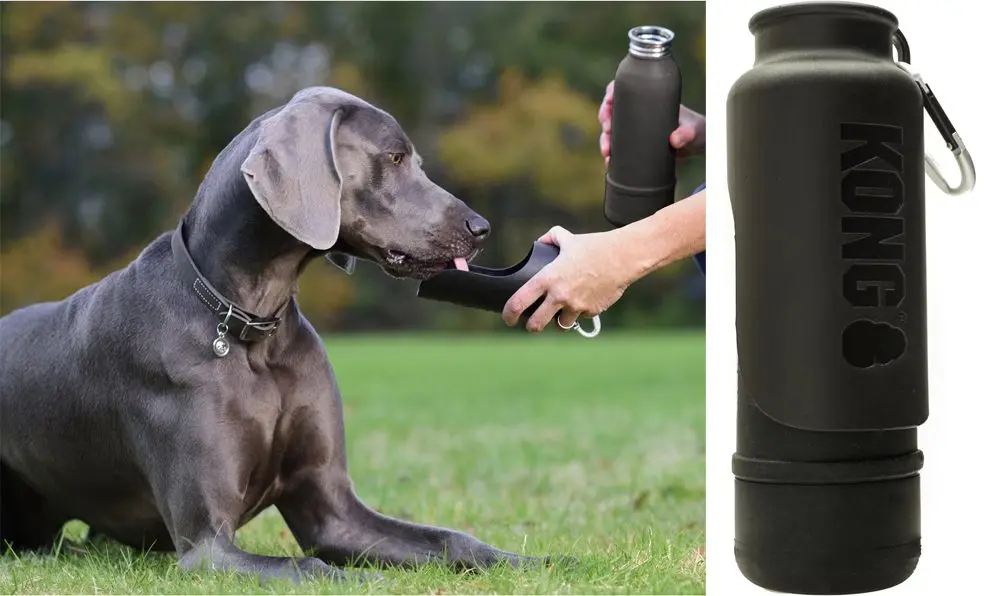
3. KONG H2O K9 UNIT Insulated Stainless Steel Dog Water Bottle
Overview: Built with legendary KONG durability, this 25-ounce insulated stainless steel bottle features a twist-off cap that doubles as a natural drinking bowl. Keeps water cool for hours.
Overview: A squeeze-to-drink design where releasing your grip drains unused water safely back inside the 22-ounce bottle, eliminating waste and messy spills. Includes a leakproof lock and carabiner.
Overview: A slim, lightweight travel dispenser combining a water reservoir and drinking cup in a leak-resistant design. Press the button to release water, and return unused portions back to the bottle.
As global climate patterns continue to shift toward longer, more intense heatwaves, urban pet ownership faces evolving challenges. Protecting our canine companions requires a cultural shift toward hyper-vigilance during the summer months. Pet parents must transition from reactive hydration—offering water only when a dog panting heavily collapses near a bowl—to proactive, scheduled hydration protocols.
Recognizing Heatstroke: A Medical Emergency
Even with rigorous hydration, extreme heat can trigger heatstroke. Warning signs include:
Heavy, unceasing panting and labored breathing
Bright red or pale gums and sticky mucous membranes
Thick, ropey drool
Lethargy, weakness, or stumbling (ataxia)
Vomiting or diarrhea
Immediate Action Protocol: If you suspect heatstroke, immediately move your pet to an air-conditioned environment or shade, wet their fur with cool (not freezing) water, and transport them to an emergency veterinary hospital without delay. Timely professional intervention is the single most critical factor in survival.
Expert source: Dr. Sarah Manning, DVM, clinical assistant professor, Texas A&M College of Veterinary Medicine and Biomedical Sciences. This article is for general informational purposes and does not substitute for professional veterinary care. If your dog exhibits signs of severe dehydration or heatstroke, contact a veterinarian immediately.
Affiliate disclaimer: CityDog participates in affiliate marketing programs, earning commissions on editorially curated product selections. All recommendations are independently evaluated to ensure quality, safety, and utility for pets and their owners.