
Gastrointestinal (GI) distress in toy dog breeds—particularly the Maltese—presents a complex clinical challenge for pet parents and veterinary professionals alike. Characterized by symptoms such as acute diarrhea, flatulence, abdominal distension, and emesis, gastroenteritis can rapidly compromise the health of these delicate companions. While occasional digestive upsets are common, the small physical stature and unique metabolic rates of Maltese dogs amplify the risks of dehydration, electrolyte imbalances, and hypoglycemia.
This investigative report provides an authoritative, evidence-based analysis of the causes, progression, and therapeutic management of gastrointestinal distress in the Maltese. It outlines systematic home-care protocols, explores the physiological mechanics of canine targeted supplementation, and establishes clear clinical thresholds for veterinary intervention.
Executive Overview
The Maltese is an ancient toy breed renowned for its elegant white coat and endearing companion qualities. However, beneath this refined exterior lies a highly sensitive physiological system. Toy breeds are statistically more prone to acute gastroenteritis, pancreatitis, and stress-induced colitis than their larger counterparts. Because of their minimal body mass, a Maltese experiencing prolonged vomiting or diarrhea can transition from mild discomfort to a life-threatening systemic crisis within a matter of hours.
+-----------------------------------------------------------------------------+
|                         THE MALTESE GI DISTRESS SPIRAL                      |
+-----------------------------------------------------------------------------+
|  Small Body Mass -> Rapid Fluid Loss -> Severe Dehydration -> Electrolyte   |
|  Imbalance -> Hypoglycemic Shock -> Systemic Organ Strain (Critical Stage)  |
+-----------------------------------------------------------------------------+
Managing these episodes requires a dual approach: immediate supportive care to rest the digestive tract, followed by targeted dietary reconstruction to restore the delicate mucosal barrier and gut microbiome. While many mild cases of dietary indiscretion can be successfully managed at home using natural remedies, prebiotics, probiotics, and digestive enzymes, owners must remain vigilant. Understanding the underlying pathophysiology of canine digestion is crucial to determining when a case can be managed at home and when it requires emergency clinical intervention.

Detailed Chronology: The 72-Hour GI Recovery Protocol
When a Maltese exhibits signs of gastrointestinal distress, time is of the essence. Implementing a structured, chronological recovery protocol allows the mucosal lining of the stomach and intestines to heal while preventing systemic dehydration.
+----------------------------------------------------------------------------------------+
|                                  72-HOUR RECOVERY TIMELINE                             |
+----------------------------------------------------------------------------------------+
|  [HOUR 0-12]             [HOUR 12-24]            [HOUR 24-48]            [HOUR 48-72+] |
|  Physiological Fasting   Controlled Hydration    Bland Diet Intro        Microbiome    |
|  & Active Monitoring     & Mucosal Support       (75% Bland / 25%)       Restoration   |
+----------------------------------------------------------------------------------------+
Phase 1: The Physiological Fast (Hours 0 to 12)
At the first onset of vomiting or acute diarrhea, withhold all solid food for a period of 12 to 24 hours.
- The Science of Fasting: Digesting complex proteins, fats, and carbohydrates requires significant metabolic energy and triggers the secretion of gastric acids and pancreatic enzymes. When the GI tract is inflamed (gastroenteritis), these digestive processes exacerbate mucosal irritation and trigger further hypermotility (diarrhea) and reverse peristalsis (vomiting). Fasting allows the enteric nervous system to quiet down and gives the mucosal epithelium an opportunity to begin cellular regeneration.
- Hydration Management: Complete fluid deprivation is highly dangerous. However, allowing an active, nauseated Maltese to lap up large quantities of water will trigger immediate gastric stretching, leading to further vomiting. Instead, offer clean, filtered water in small increments (one to two tablespoons every 30 to 60 minutes) or provide ice chips to lick.
- Special Consideration for Toy Puppies: Maltese puppies under six months of age, or exceptionally small adults, are highly susceptible to hypoglycemia (low blood sugar) during fasts. If fasting is necessary, consult a veterinarian immediately; they may recommend rubbing a small amount of maple syrup or commercial dextrose gel onto the dog’s gums to maintain glycemic stability.
Phase 2: The Controlled Reintroduction of Fluids (Hours 12 to 24)
If the dog has successfully transitioned through the initial fasting period without further emesis, the focus shifts to restoring fluid balance and soothing the upper digestive tract.
- Electrolyte Replacement: Plain water replaces lost volume but does not address depleted sodium, potassium, and chloride ions. Unflavored, low-sodium oral rehydration solutions (such as pediatric electrolyte formulations) or unseasoned, organic bone broth can be introduced in small, controlled doses. Bone broth is particularly beneficial as it is rich in glycine, an amino acid that supports mucosal lining repair.
Phase 3: The Bland Diet Transition (Hours 24 to 48)
Once the patient has remained stable and vomit-free for at least 12 to 18 hours, a highly digestible, low-fat bland diet may be introduced.

- The Optimal Formula: The classic veterinary bland diet consists of three parts boiled, skinless, unseasoned white meat chicken breast (shredded) to one part plain boiled white rice. The chicken provides a single, highly bioavailable protein source low in fat, while the white rice provides easily accessible carbohydrates that require minimal pancreatic enzyme activity to break down.
- Alternative for Grain-Free or Sensitive Canines: For dogs with known grain sensitivities, plain, unsweetened canned pumpkin puree or mashed, overripe bananas can be substituted for white rice. These alternatives provide easily digestible carbohydrates along with natural binders.
- Feeding Schedule: Feed small portions (one to two tablespoons) every three to four hours rather than offering large, single meals. This prevents gastric distension and minimizes the workload on the pancreas and gallbladder.
Phase 4: Systematic Re-Entry to Standard Kibble (Hours 48 to 72+)
Never abruptly switch a dog from a bland diet back to their standard commercial kibble, as this can trigger a secondary round of diarrhea due to osmotic shock in the gut. Instead, execute a gradual, four-day transition:
Day 1: 75% Bland Diet / 25% Regular Food
Day 2: 50% Bland Diet / 50% Regular Food
Day 3: 25% Bland Diet / 75% Regular Food
Day 4: 100% Regular Food
Supporting Context & Metrics: The Science of Canine Gastrointestinal Health
To understand why a Maltese experiences digestive failure, one must examine the delicate ecosystem of the canine gastrointestinal tract. The gut is not merely a digestive tube; it is a complex immunological organ housing trillions of microorganisms, collectively known as the microbiome.
+-----------------------------------------------------------------------+
|                      THE CANINE GUT TRIFECTA                          |
+-----------------------------------------------------------------------+
|  1. PROBIOTICS (Beneficial live bacteria: e.g., L. acidophilus)       |
|       ^                                                               |
|       |  (Feed on)                                                    |
|       v                                                               |
|  2. PREBIOTICS (Non-digestible fibers: e.g., Pumpkin, Slippery Elm)   |
|       =                                                               |
|       |  (Produces)                                                   |
|       v                                                               |
|  3. POSTBIOTICS (Bioactive byproducts: e.g., Short-chain fatty acids) |
+-----------------------------------------------------------------------+
The Microbiome: Probiotics, Prebiotics, and Postbiotics
A healthy gut relies on a state of eubiosis, where beneficial bacterial phyla (such as Firmicutes and Bacteroidetes) outnumber pathogenic species (such as Clostridium perfringens or Escherichia coli).
- Probiotics: These are live, beneficial microorganisms that, when administered in adequate amounts, confer a health benefit on the host. For a Maltese suffering from dysbiosis (microbial imbalance), introducing a multi-strain probiotic helps crowd out pathogens, strengthens the tight junctions of the intestinal barrier, and modulates the local immune response.
- Prebiotics: Prebiotics are non-digestible food ingredients—primarily soluble and insoluble fibers—that selectively stimulate the growth and activity of beneficial bacteria already residing in the colon. Essentially, prebiotics serve as the primary fuel source for probiotics.
- Postbiotics: The frontier of veterinary gastroenterology focuses on postbiotics—the bioactive compounds generated during the fermentation of prebiotics by probiotics. These include short-chain fatty acids (SCFAs) like butyrate, which directly nourish the colonocytes (cells lining the colon), reduce localized inflammation, and maintain the acidic pH necessary to inhibit pathogenic bacterial growth.
Natural Gastrointestinal Soothers
Integrating targeted functional foods can significantly accelerate the resolution of acute diarrhea and gas:
| Ingredient | Active Component / Mechanism of Action | Primary Clinical Benefit |
|---|---|---|
| Pureed Pumpkin | High soluble and insoluble fiber content; absorbs excess moisture in the colon. | Bulks up loose stools; regulates transit time. |
| Slippery Elm Bark | Mucilage (a soluble fiber that swells into a gel-like substance when wet). | Coats and soothes inflamed mucous membranes. |
| Chia Seeds | Hydrophilic properties; rich in omega-3 fatty acids. | Absorbs excess intestinal fluids; reduces mucosal inflammation. |
| Plantains | Natural antimicrobial compounds and dietary starches. | Inhibits pathogenic adherence; supports stool formation. |
The Role of Supplemental Digestive Enzymes
A primary, yet frequently overlooked, trigger for chronic flatulence, soft stools, and nutrient malabsorption in Maltese is a deficiency in endogenous digestive enzymes. The canine pancreas produces specific enzymes to process dietary intake:
- Protease: Catalyzes the hydrolysis of complex proteins into absorbable amino acids and peptides.
- Amylase: Breaks down starches and carbohydrates into simple sugars.
- Lipase: Emulsifies and splits dietary fats into fatty acids and glycerol.
- Cellulase: Unlike herbivores, dogs do not naturally synthesize cellulase. Supplementing this enzyme helps break down the plant-based cell walls found in commercial kibble, reducing fermentation in the hindgut that leads to excessive gas.
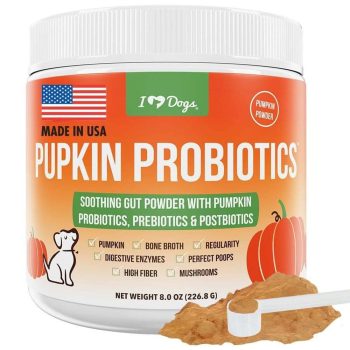
When these enzymes are insufficient, undigested food particles reach the colon, where they undergo rapid bacterial fermentation. This process produces excess gas, osmotic diarrhea, and systemic nutrient deficiencies. Providing an all-in-one dietary supplement containing prebiotics, probiotics, postbiotics, and these four critical digestive enzymes is a highly effective way to maintain gastrointestinal homeostasis.
Official Statements & Veterinary Guidelines
Veterinary gastroenterologists and regulatory bodies emphasize that while home care is highly effective for mild, uncomplicated cases of dietary indiscretion, owners must understand the physiological limits of self-treatment.
The Impact of Antibiotics on the Microbiome
The American Veterinary Medical Association (AVMA) and leading global veterinary internal medicine bodies have recently revised guidelines regarding the routine use of antibiotics (such as metronidazole) for uncomplicated acute diarrhea.
Historically, antibiotics were the first-line defense for loose stools. However, clinical trials have demonstrated that broad-spectrum antibiotics cause profound, sometimes irreversible damage to the canine microbiome, leading to chronic dysbiosis.
Modern veterinary consensus recommends prioritizing supportive care, targeted diet modification, and robust probiotic therapy over immediate antibiotic intervention, unless a bacterial infection (e.g., Salmonella or Campylobacter) is confirmed via fecal culture.
Emergency Red Flags: When to Seek Immediate Veterinary Care
The clinical threshold for transitioning from home-based supportive care to emergency veterinary intervention is clear. Maltese owners must monitor for the following "red flag" symptoms:
- Duration of Symptoms: Vomiting that persists for more than 12 to 24 hours, or watery diarrhea that does not improve after 48 hours of a bland diet.
- Presence of Blood: Hematemesis (vomiting blood, which may look like coffee grounds) or hematochezia/melena (bright red blood or dark, tarry stools). This indicates active mucosal ulceration or severe hemorrhagic gastroenteritis (HGE).
- Systemic Lethargy: A dog that is unresponsive, weak, or unable to stand. This points to severe dehydration, electrolyte depletion, or hypoglycemic shock.
- Signs of Extreme Pain: Vocalization, panting, trembling, or adopting the "play bow" position (chest on the floor, rear end in the air), which indicates severe abdominal pain, potentially linked to acute pancreatitis or an intestinal obstruction.
- Dehydration Assessment: Perform the skin turgor test (gently pinching the skin over the shoulders; if it remains tented rather than snapping back instantly, the dog is dehydrated) and check the mucous membranes (gums should be pink and moist; tacky, dry, pale, or blue gums represent a medical emergency).
+-----------------------------------------------------------------------------+
|                         VETERINARY INTERVENTION THRESHOLD                   |
+-----------------------------------------------------------------------------+
|  IF:                                                                        |
|    * Symptoms > 24 Hours      * Blood in Vomit/Stool     * Extreme Lethargy |
|    * Pale/Dry Gums            * Tented Skin (Dehydration)                   |
|                                                                             |
|  THEN:                                                                      |
|    ==> SUSPEND HOME REMEDIES AND SEEK IMMEDIATE VETERINARY CARE <==          |
+-----------------------------------------------------------------------------+
Future Outlook: The Evolution of Canine Gastroenterology
The landscape of canine digestive health is undergoing a major paradigm shift. As research into the canine microbiome accelerates, the veterinary industry is moving away from reactive treatments and toward proactive, individualized therapeutic strategies.

1. Advanced Microbiome Profiling
In the near future, standard veterinary diagnostics will include routine genomic sequencing of a dog’s fecal microbiome. Rather than prescribing broad-spectrum probiotics, veterinarians will be able to identify the exact strains of bacteria missing from an individual Maltese’s gut and prescribe custom-tailored synbiotic therapies to correct specific deficiencies.
2. The Rise of Postbiotic Therapeutics
While probiotics require survival through the highly acidic environment of the canine stomach to be effective, postbiotics bypass this barrier entirely. Future formulations will increasingly rely on standardized postbiotic liquids and powders. These deliver the beneficial metabolic byproducts directly to the lower GI tract, providing instant anti-inflammatory and mucosal-healing benefits without relying on live bacterial colonization.
3. Fecal Microbiota Transplantation (FMT)
Once reserved for severe, chronic inflammatory bowel disease (IBD) cases, FMT is becoming a mainstream therapy for restoring gut health in dogs suffering from severe dysbiosis. By introducing a filtered, liquefied solution of healthy donor feces into the colon of an affected dog, FMT can instantly re-establish a diverse, balanced microbial population, offering a rapid cure where traditional therapies have failed.
4. Proactive Functional Nutrition
The pet food industry is experiencing a revolution in functional nutrition. Standard kibbles are increasingly being replaced or augmented with freeze-dried, raw, or gently cooked diets formulated with built-in digestive enzymes, organic bone broths, and bioactive mushrooms. This shift toward clean, minimally processed, biologically appropriate diets will dramatically reduce the incidence of chronic gastroenteritis, allowing toy breeds like the Maltese to live longer, healthier, and more comfortable lives.