
Executive Overview
Late one evening, a routine rescue operation by the dedicated team at Happy Paws Cat Rescue transformed into an extraordinary undertaking. Rather than securing a single animal in need, a volunteer stepped out into the night to welcome an entire eight-member feline family: a remarkably resilient mother cat and her seven dependent newborns. This massive litter presented an immediate, multi-faceted challenge for the rescue organization. Feline maternal health specialists note that rearing a litter of seven places an immense physiological burden on a female cat—particularly one who has already endured multiple previous pregnancies.
Beyond the immediate crisis of maternal exhaustion and neonatal vulnerability, this rescue highlights the broader, systemic challenges animal welfare organizations face daily. Across the country, underfunded rescues routinely stretch their operational limits, financial reserves, and foster networks to accommodate unexpected influxes of animals. In this case, Happy Paws Cat Rescue quickly mobilized resources to provide specialized veterinary support, high-calorie nutritional rehabilitation for the mother, and a safe, controlled environment where the neonates could pass safely through their critical developmental milestones.
As these seven kittens transition from fragile, blind neonates into curious, mobile explorers, their daily antics have captivated staff and online supporters alike. However, beneath the viral-worthy cuteness of the "wobble stage" lies a disciplined, rigorous animal rescue protocol. This report details the comprehensive timeline of the family’s rescue, evaluates the physiological metrics of feline maternal depletion, examines official communications from rescue leadership, and outlines the strategic outlook for the litter’s eventual veterinary rehabilitation and adoption placement.
Detailed Chronology
The Midnight Rescue Operation
The sequence of events began well past normal operational hours when Happy Paws Cat Rescue received a high-priority dispatch regarding a stray mother cat and a massive litter. Operating under strict rescue protocols, a specialized foster coordinator was dispatched to secure the family before environmental hazards, nocturnal predators, or severe weather could threaten the newborns.
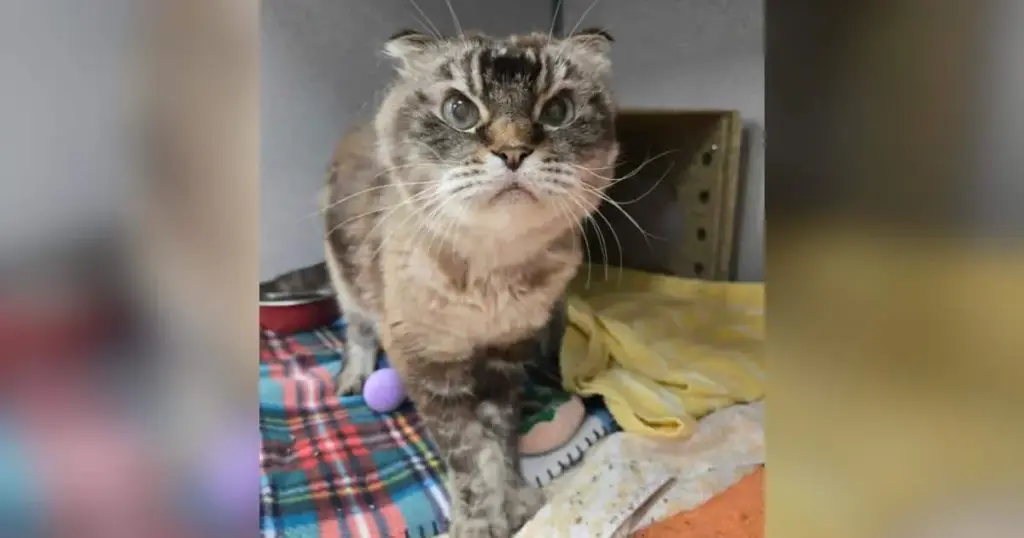
Upon arrival, the rescue worker discovered a scene defined by desperate maternal dedication. The mother cat—substantially underweight and physically depleted—was desperately trying to shelter seven tiny, squirming kittens. Without hesitation, the coordinator gathered the entire family, ensuring every single kitten was safely transferred into temperature-controlled carriers. The transition to a dedicated foster home was executed swiftly to minimize maternal stress, a critical factor during initial rescue intakes.
The Sanctuary and Nutritional Rehabilitation
Once settled into their temporary quarantine and nursery space, the immediate priority shifted to the mother cat, whose physical reserves were dangerously low. Veterinary advisors for Happy Paws Cat Rescue identified that the combined demands of successive pregnancies and nursing seven ravenous kittens had pushed the mother’s body to its limit.
To combat this severe depletion, the rescue established a specialized feeding schedule. The mother was placed on a premium, high-calorie veterinary diet designed to rapidly restore lost body fat and muscle mass while optimizing milk production. In the animal rescue community, this phase is often referred to as "reversing maternal depletion." Every ounce of energy the mother consumed was instantly converted into the vital nutrients required by her seven demanding offspring.
The Developmental Milestones: Opening Eyes and Wobbly Legs
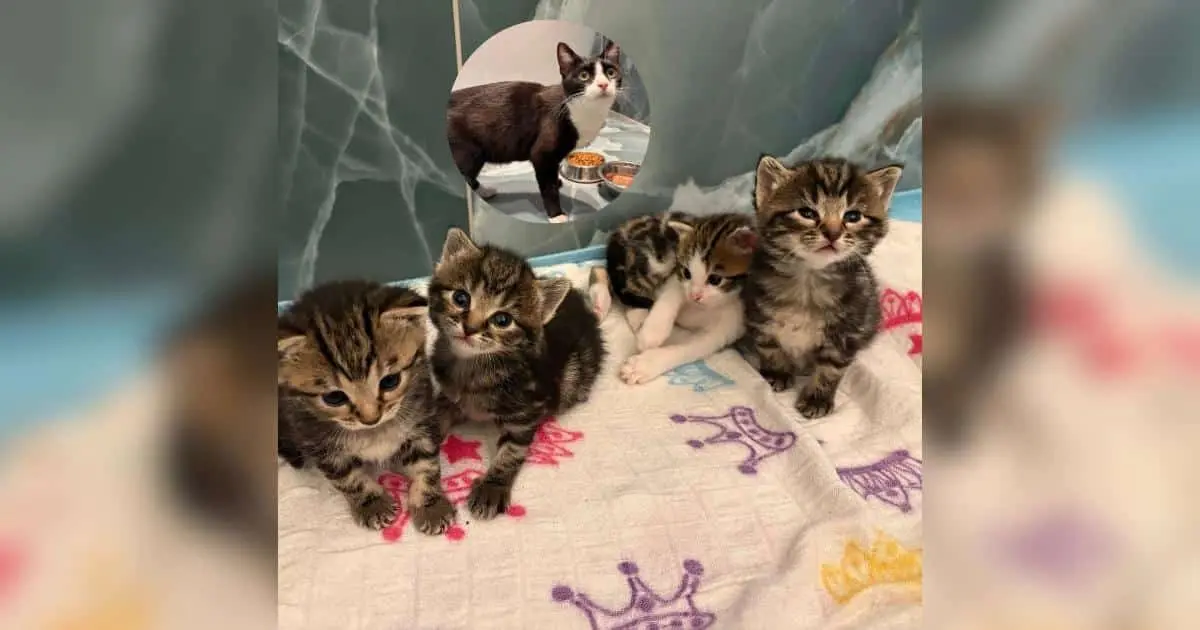
During the first ten days of life, the kittens existed primarily in a state of synchronized sleep and nursing, huddled together in a dense, purring pile. However, as the second week unfolded, the nursery experienced a dramatic shift in energy and activity.
- Sensory Awakening: By approximately ten to twelve days of age, the kittens’ eyes began to unseal, revealing hazy, wide gazes as they processed light, shadow, and the presence of their littermates for the very first time.
- Motor Function Initiation: Concurrently, their neurological pathways and muscular systems began communicating more effectively. The kittens attempted to push themselves up on four unsteady limbs, resulting in the characteristic "wobble stage."
- Social Interaction: Rather than simply sleeping side-by-side, the litter began initiating physical contact with one another—climbing over siblings, tumbling sideways, and testing the boundaries of their confined nursery zone.
Supporting Context & Metrics
The Physiology of Feline Maternal Depletion
To fully comprehend the significance of Happy Paws Cat Rescue’s intervention, one must examine the biological toll of excessive reproduction in domestic felines (Felis catus). A female cat can reach sexual maturity as early as four months of age and is seasonally polyestrous, meaning she can experience multiple heat cycles throughout the spring, summer, and fall.
When a cat undergoes successive pregnancies without adequate recovery time between litters, several physiological crises occur:
- Calcium and Mineral Depletion: Producing milk for a large litter leaches vital calcium and phosphorus from the mother’s skeletal structure, predisposing her to eclampsia (milk fever), muscle tremors, and systemic weakness.
- Protein Deficit: The synthesis of fetal tissue and high-volume lactation demands massive amounts of dietary protein. Without supplementation, the mother cat catabolizes her own muscle mass to feed her young.
- Immune Suppression: Chronic physical stress suppresses the immune system, making the mother highly susceptible to upper respiratory infections, parasitic loads, and secondary dermal pathologies.
| Metric / Parameter | Normal Adult Female Cat | Rescued Mother Cat (Intake) | Post-Rehabilitation Target |
|---|---|---|---|
| Body Condition Score (BCS) | 4–5 out of 9 | 2 out of 9 (Underweight) | 5 out of 9 (Optimal) |
| Litter Size | 4–6 kittens (average) | 7 kittens | N/A (Final Litter) |
| Daily Caloric Intake | ~250–300 kcal | Depleted / Inconsistent | 600+ kcal (Lactation Diet) |
| Surgical Status | Intact | Intact (Post-Weaning Spay) | Spayed / Sterilized |
The Mechanics of the "Wobble Stage"
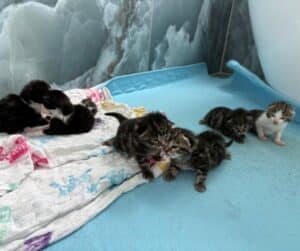
Animal behaviorists categorize the period between two and four weeks of age in kittens as the transitional motor phase. During this window, the cerebellum—the region of the brain responsible for balance and coordination—is developing rapidly. Because seven kittens were sharing this developmental timeline simultaneously, the foster home effectively became a chaotic obstacle course.
The physics of seven simultaneous wobbly kittens often resulted in cascading collisions. When one kitten attempted to traverse the nursery floor, it frequently relied on sleeping siblings as makeshift stepping stones, bridges, or speed bumps. This dense population dynamic provided crucial early socialization, teaching the kittens soft-bite inhibition and spatial awareness before they ever encountered a human hand or an adult cat outside their family unit.
Official Statements & Rescue Operations
Insights from Happy Paws Cat Rescue Leadership
In official operational updates released to staff, volunteers, and supporters, leadership at Happy Paws Cat Rescue emphasized the unique nature of this intake.
"When you pull a family of eight out of the field, you aren’t just saving one animal; you are stabilizing an entire micro-ecosystem of vulnerable lives," stated the rescue’s lead foster coordinator. "Our primary directive from minute one was clear: protect the mother so she can protect the babies. Her body has given everything it has to give over the course of multiple litters. This will be her final pregnancy, and our medical team is fully committed to ensuring her golden years are spent in luxury and peace."
Rescue representatives also addressed the logistical hurdles of managing seven rapidly growing kittens in a single foster environment. As the animals transition from milk to solid food—a milestone known as weaning—the volume of supplies required multiplies exponentially. From specialized kitten formula and wet food gruel to specialized litter boxes with low walls, the operational overhead scales directly with the size of the litter.
Managing Public Interest and Adoption Protocol
Despite the overwhelming public demand and immediate influx of inquiries from prospective adopters, Happy Paws Cat Rescue instituted a strict holding policy.
- No Immediate Adoption Applications: Leadership confirmed that adoption applications for the litter will remain closed until the kittens reach a minimum age of eight weeks and have successfully completed their primary veterinary evaluations.
- Medical Milestones Required: Before entering the adoption pool, each kitten must receive full physical examinations, initial feline core vaccinations (FVRCP), deworming protocols, and eventual spay/neuter surgeries.
- Quarantine Integrity: To prevent the introduction of pathogens into the foster environment, visitor access to the nursery remains restricted exclusively to authorized medical staff and designated primary fosterers.
Future Outlook
Transitioning to Independence and Solid Foods
As the kittens progress past their initial wobble stage, the immediate operational focus for Happy Paws Cat Rescue will pivot toward the weaning process. Within the coming weeks, the foster family will introduce the seven energetic youngsters to wet food slurries and shallow water dishes. This transition serves a dual purpose: it reduces the metabolic stress on the mother cat and initiates the crucial process of nutritional independence for the litter.
Concurrently, the mother cat will undergo a comprehensive veterinary assessment to schedule her spay surgery. By permanently ending her reproductive cycle, the rescue ensures that her health will stabilize, protecting her from the systemic wear-and-tear of continuous breeding and allowing her to transition into a traditional foster-to-adopt pipeline for a peaceful forever home.
Behavioral Assessment and the Search for Forever Homes
As individual personalities begin to crystallize among the seven siblings, foster volunteers are carefully documenting behavioral traits. Observers note that while all seven kittens currently display an air of profound innocence when caught in a tangled heap of fur and paws, the distinct traits of future "ringleaders" are beginning to emerge. Whether through adventurous climbs up the foster room’s barriers or assertive calls at mealtime, these emerging characteristics will guide the rescue in placing compatible kittens into appropriate adoptive environments—frequently encouraging paired adoptions to ensure lifelong social enrichment.
Ultimately, the story of this eight-member family underscores the vital importance of municipal and private rescue networks. Through targeted nutritional intervention, professional veterinary oversight, and compassionate foster care, what began as a precarious midnight rescue mission is steadily evolving into a shining success story of animal welfare in action.