The domestic feline coat is one of nature’s most magnificent canvases, displaying an astonishing array of geometric motifs ranging from delicate ticking to bold, dramatic rosettes and razor-sharp stripes. For centuries, these captivating patterns have captured the human imagination, bridging the gap between our cozy domestic companions and the untamed apex predators of the wild. However, beneath the surface of these eye-catching aesthetics lies a complex interplay of evolutionary history, genetic expression, and deliberate selective breeding.
To the casual observer, any cat adorned with dots, dashes, or bands is simply categorized as a "tabby" or a "spotted cat." In the realms of feline genetics and professional pedigree registries—such as The International Cat Association (TICA) and the Cat Fanciers’ Association (CFA)—the reality is far more nuanced. A spotted or striped coat can either be the manifestation of a universal ancestral trait governed by the agouti gene in ordinary house cats, or it can be a carefully preserved, genetically fixed hallmark of a specific, intentional breed.
This comprehensive investigative report explores the distinct categories of spotted and striped cats, dissecting the boundary lines between natural evolutionary mutations, complex hybrid lineages, and human-engineered masterworks. By examining ten prominent breeds—ranging from the naturally spotted Egyptian Mau to the meticulously sculpted Toyger—we reveal the science, history, and taxonomy behind nature’s most striking feline designs.
Detailed Chronology: The Evolution of Feline Patterns and Breed Development
To understand how our living rooms came to be shared with miniature leopards and tigers, we must look back through the dual lenses of evolutionary history and modern cat fancy development.
Pre-History to Antiquity: The foundational blueprint for all domestic cat coat patterns stems from the African wildcat (Felis lybica), the direct ancestor of modern house cats. The wild-type agouti gene evolved as a masterstroke of natural camouflage, blending dappled sunlight and shadow in arid and woodland environments. Ancient artifacts, notably from Egyptian civilization, depict revered cats adorned with distinct spotted and striped coats, suggesting that these markings have fascinated humanity for millennia.
The Mid-20th Century (The Birth of Modern Hybridization): The landscape of spotted cat breeds shifted dramatically in the 1950s and 1960s. Breeders began crossing domestic cats with wild felid species to capture exotic aesthetics while attempting to temper wild temperaments. Concurrently, pioneering breeders focused on developing wild-looking cats using exclusively domestic stock, laying the groundwork for breeds like the Ocicat.
1964 (The Accidental Ocicat): Breeder Virginia Daly crossed an Abyssinian with a Siamese, and later introduced an American Shorthair into the breeding program. An unexpected spotted kitten—resembling an ocelot—ignited a dedicated breeding program that ultimately established the Ocicat as a premier, entirely domestic spotted breed.
The Late 20th Century (The Rise of TICA and Specialized Selection): Registries like TICA began formally recognizing hybrid and selectively bred masterpieces. The Bengal breed gained official status, followed decades later by the development of the Toyger in the 1980s and 1990s by Judy Sugden, who sought to replicate the vertical striping of a tiger on a domestic frame to inspire wildlife conservation awareness.
Supporting Context & Metrics: The Genetics of Spots, Stripes, and Ticking
Feline coat patterns are governed by a sophisticated suite of genes that determine pigment distribution, hair-shaft banding, and structural layout. Understanding these mechanisms clarifies why some cats wear patterns by pure genetic chance, while others inherit them through strict pedigree standards.
The Agouti Gene and the Tabby Spectrum
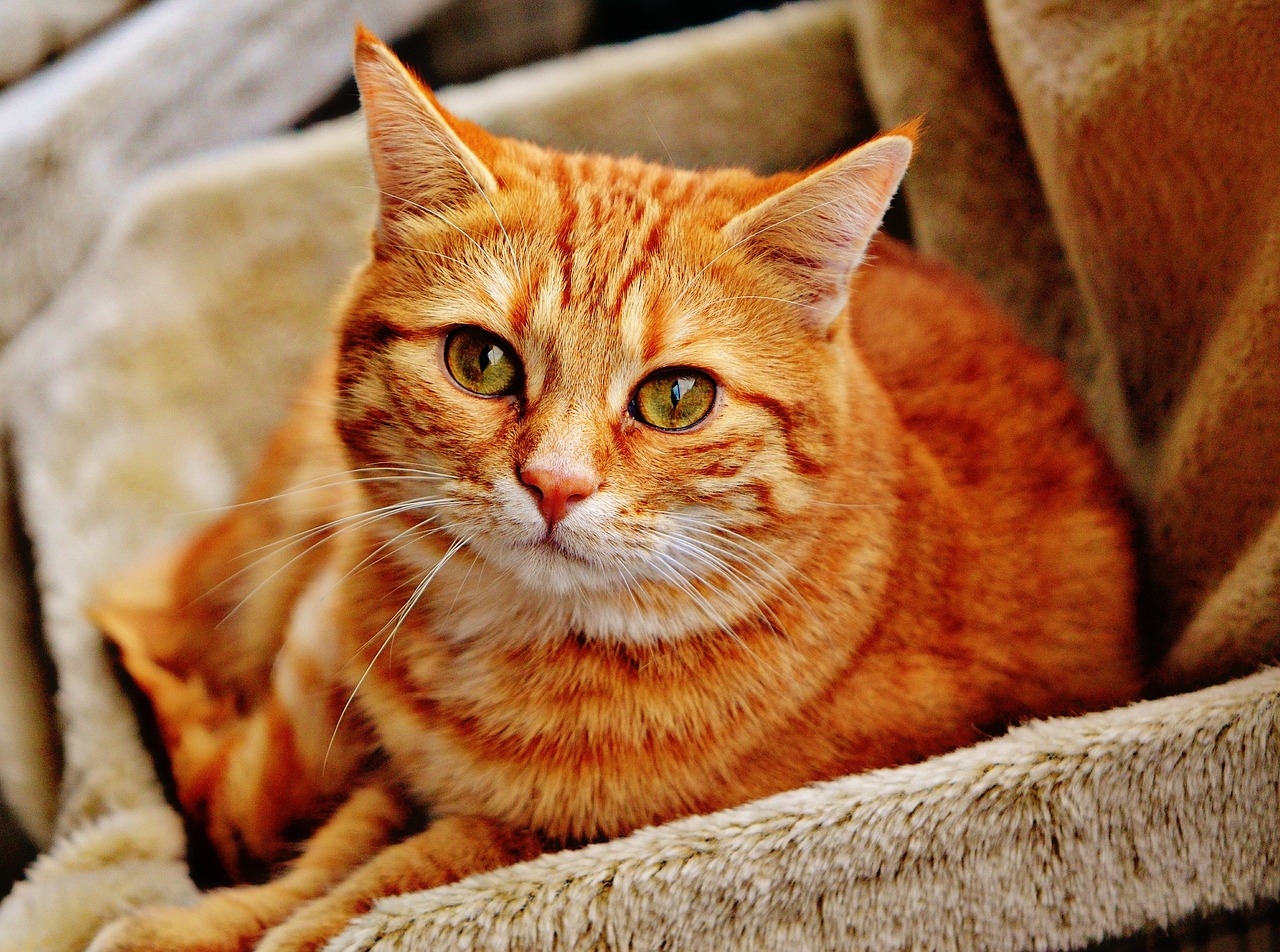
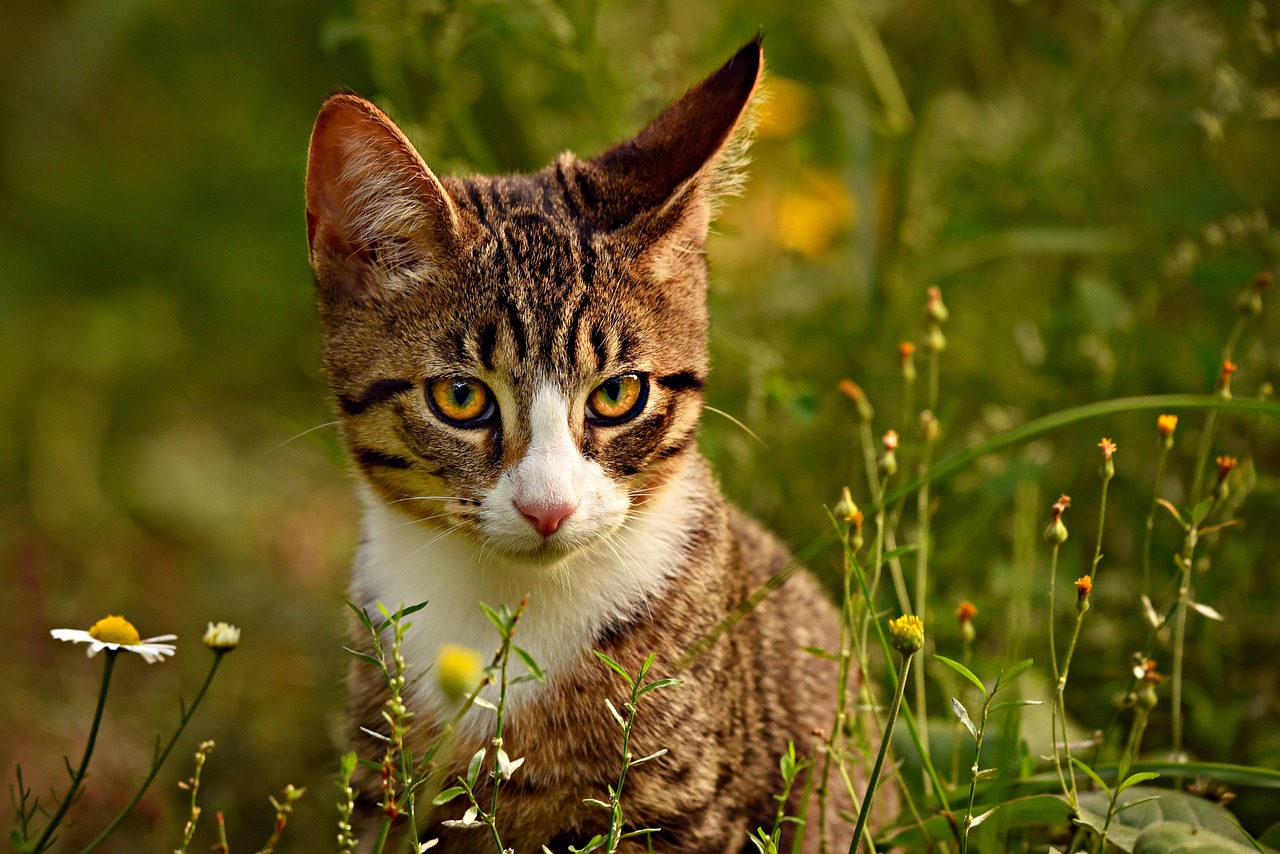
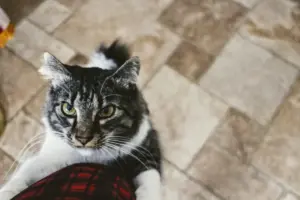
Contrary to popular belief, "tabby" is not a distinct breed; rather, it is a coat pattern determined primarily by the agouti gene. This gene causes individual hairs to have bands of light and dark pigmentation. According to the Cornell Feline Health Center, the foundational tabby pattern manifests in four distinct phenotypes:
Classic Tabby: Features sweeping, swirling patterns often resembling "bullseyes" or butterfly wings on the flanks.
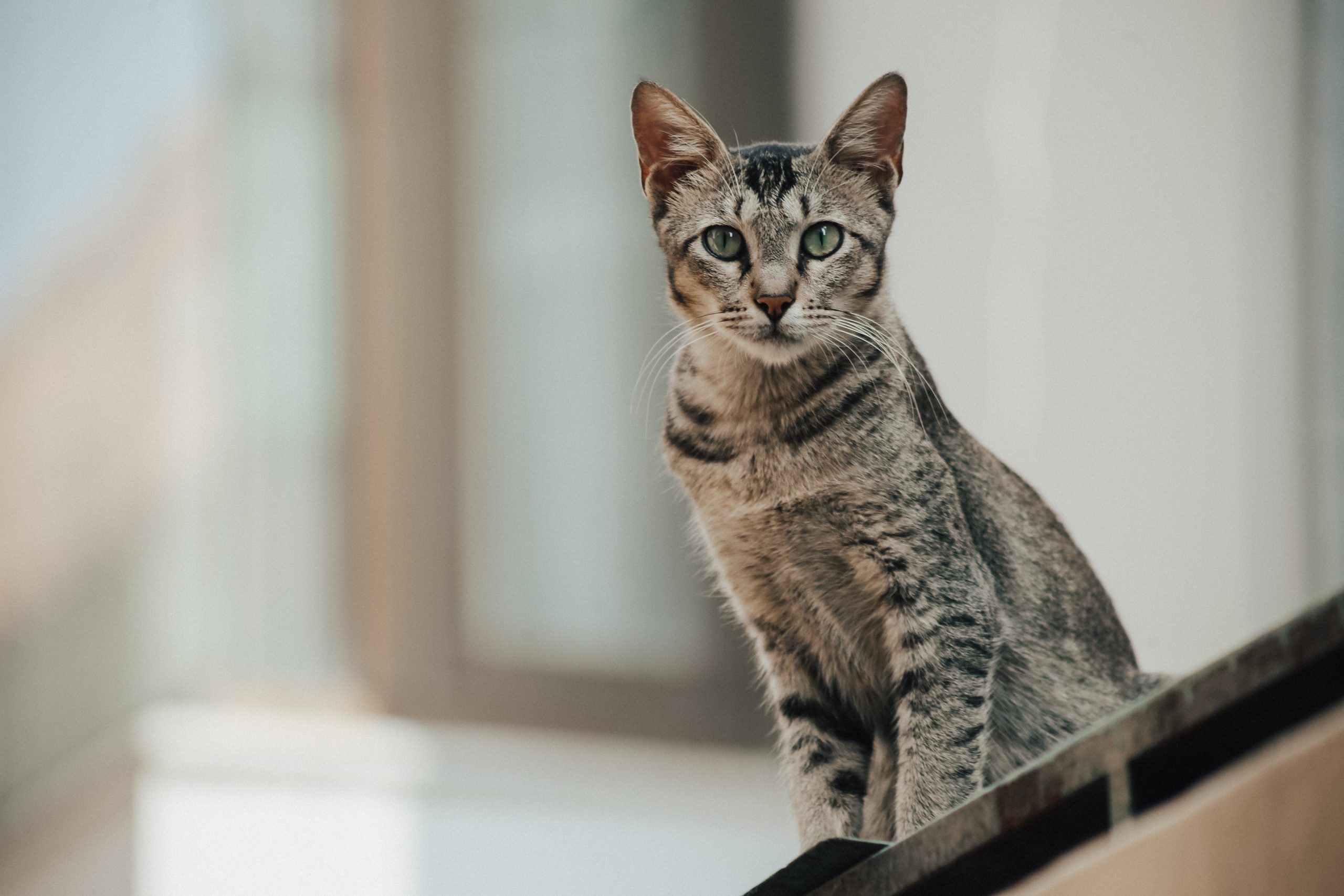
Mackerel Tabby: Named for its resemblance to a fish skeleton, featuring narrow, parallel vertical stripes running down the spine and sides.
Spotted Tabby: Characterized by broken stripes that form discrete spots across the body.
Ticked Tabby: Also known as the agouti or abyssinian pattern, where individual hairs feature multiple alternating bands of color without distinct stripes or spots on the body.
The universal giveaway of any tabby pattern is the distinctive "M" marking stamped onto the cat’s forehead—a feature present across mixed-breed domestic populations and select purebreds alike.
Distinguishing True Breeds from Coat Patterns
To classify whether a cat is a true "spotted or striped breed," experts look for genetic fixation. In ordinary domestics, a spotted coat is merely a variation of the spotted tabby pattern. In contrast, recognized breeds undergo generations of selective breeding to ensure that 100% of the offspring consistently express specific structural markings, sometimes reinforced by wild felid introgression.
The Ten Key Breeds: A Taxonomic Breakdown of Spotted and Striped Felines
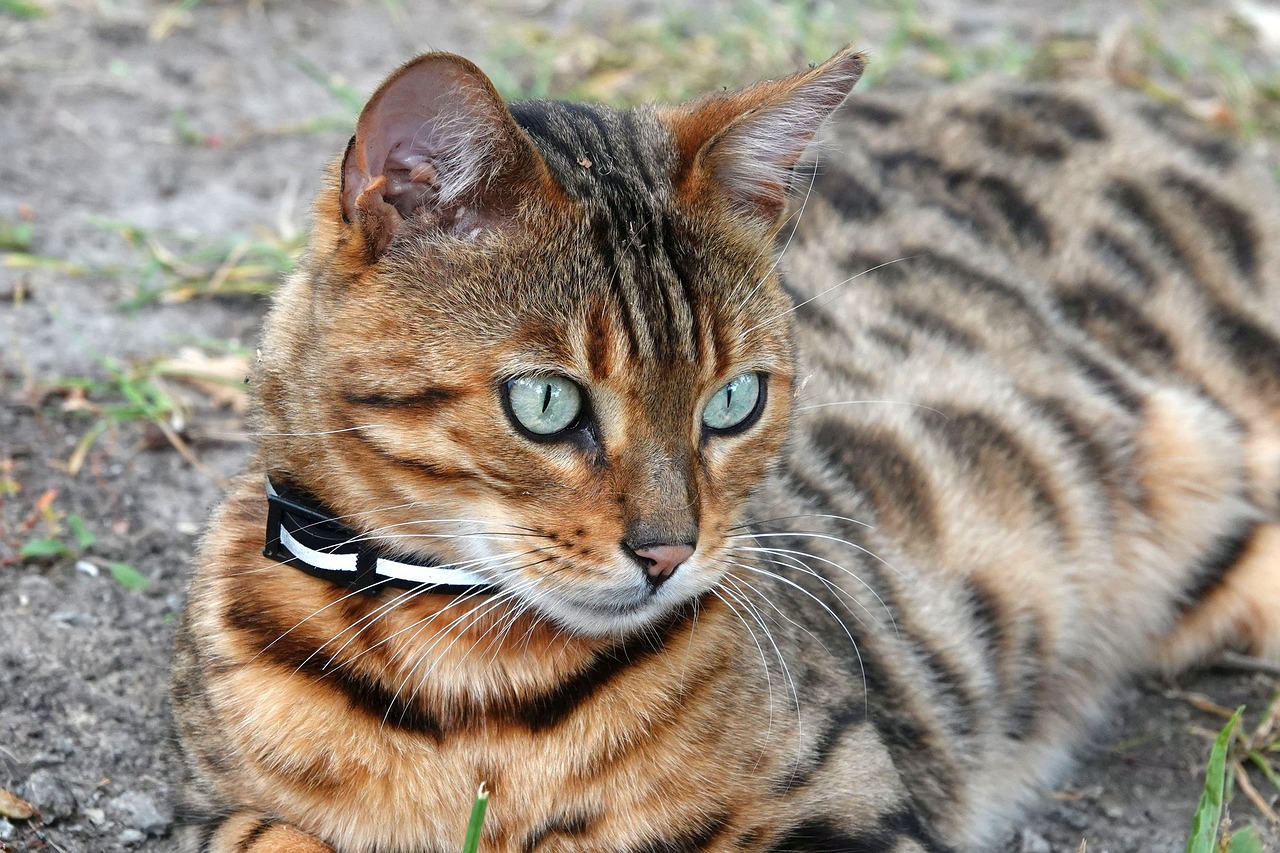
1. Bengal
Pattern Type: Bold spots, rosettes, and marbling.
Genetic Origin: Hybrid lineage (Domestic cat crossed with the Asian leopard cat, Prionailurus bengalensis).
Overview: Famed for their striking resemblance to wild leopards, Bengals possess a rugged, athletic build and an exotic coat featuring high-contrast rosettes (spots with lighter centers, reminiscent of jaguars or leopards). Documented thoroughly within the TICA Bengal breed standard, this hybrid origin imbues them with both breathtaking beauty and high-energy athleticism.
2. Ocicat
Pattern Type: Full-body thumbprint spots.
Genetic Origin: Strictly domestic (Abyssinian, Siamese, and American Shorthair cross).
Overview: Despite appearances, the Ocicat contains zero wild blood. Developed in the 1960s as detailed in the CFA Ocicat breed profile, breeders selectively combined domestic lines to create a cat with the distinct, athletic spotting of a wild ocelot. Their coat features distinct spots running from nose to tail, proving that wild aesthetics can be engineered entirely within the domestic gene pool.
3. Egyptian Mau
Pattern Type: Naturally occurring random spots.
Genetic Origin: True natural domestic breed.
Overview: The Egyptian Mau holds the distinction of being the only naturally spotted domestic cat breed recognized by the CFA. Unlike spotted tabbies whose patterns are governed by modified mackerel genes, the Mau’s spots are a fixed, ancient breed trait. Remarkably, their spots exist not only on their fur but also on the skin underneath. No two Egyptian Maus share an identical pattern.
4. Tabby Patterns Explained (The Universal Blueprint)
Pattern Type: Classic, Mackerel, Spotted, and Ticked.
Genetic Origin: Agouti gene expression across mixed and pure breeds.
Overview: The tabby pattern is the foundational coat design of the feline world. Driven by the agouti gene, it transcends individual breeds. The iconic "M" forehead marking serves as a universal signature. Whether examining a random-bred alley cat or a purebred, understanding tabby genetics is essential for differentiating between casual coat variations and true pedigree traits.
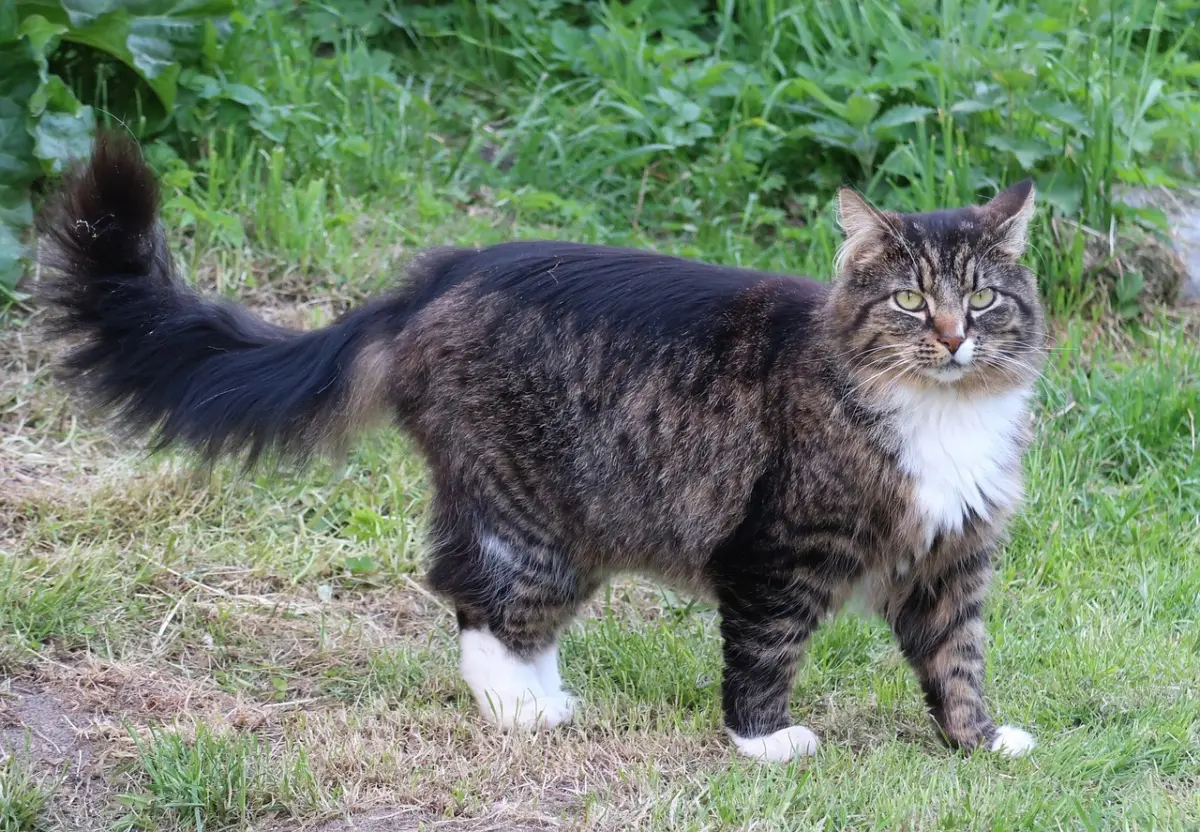
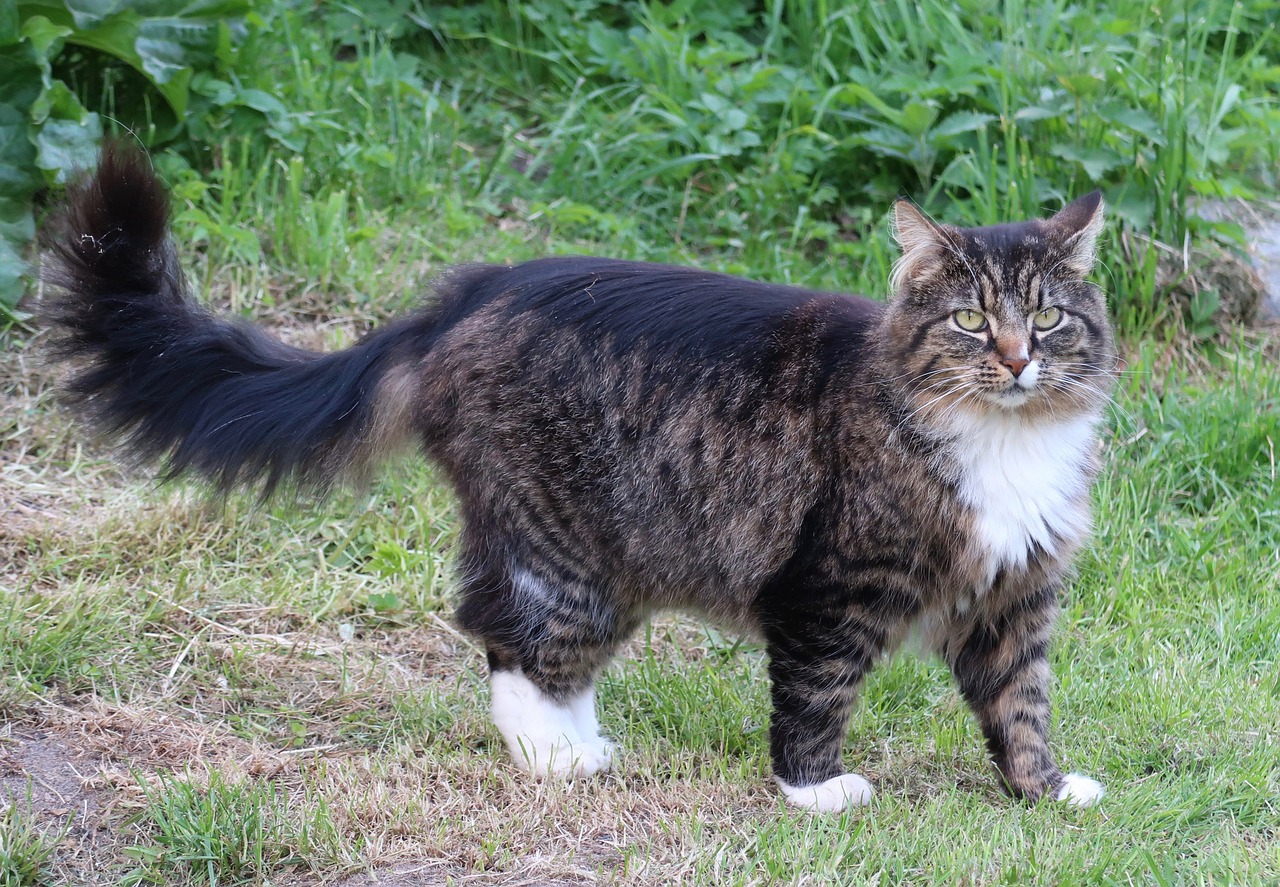
5. Norwegian Forest Cat
Pattern Type: Mackerel or spotted tabby within a heavy double coat.
Genetic Origin: Natural cold-climate breed.
Overview: While primarily celebrated for their rugged, hardy build and magnificent long fur, Norwegian Forest Cats frequently display mackerel or spotted tabby patterns. These natural camouflage markings complement their thick, water-resistant coats, enhancing their wild, forest-dwelling aesthetic.
6. Maine Coon
Pattern Type: Varied stripes and spots.
Genetic Origin: Natural American working cat breed.
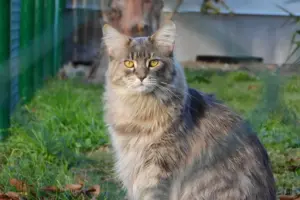
Overview: As one of the largest domesticated cat breeds, the Maine Coon carries a majestic, imposing presence. Their heavy shaggy coats frequently display classic, mackerel, or patched tabby patterns. These earthy tones and striping variations accentuate their rugged, farm-cat heritage and lynx-like ear tufts.
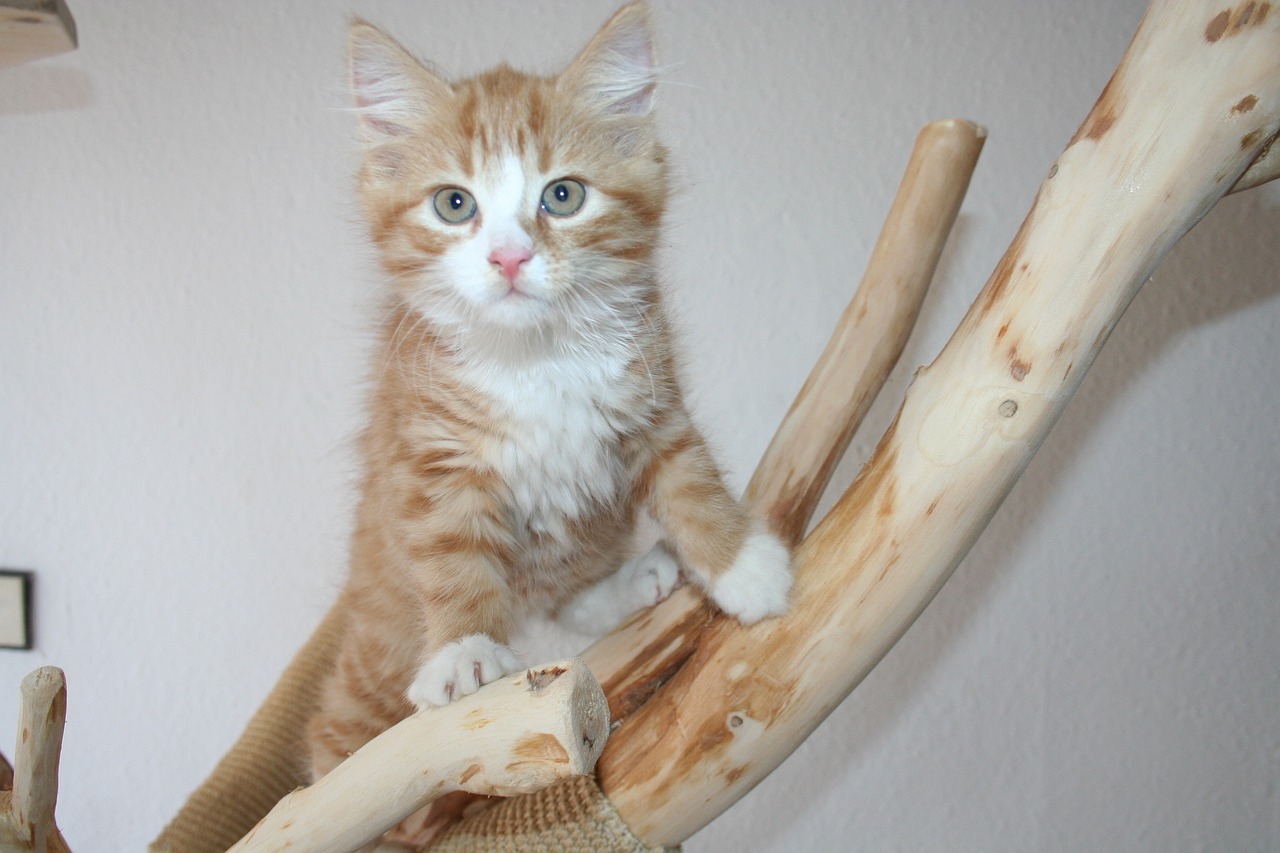
Overview: Developed specifically to resemble a miniature tiger, the Toyger features bold, vertical orange and black striping rather than traditional spots or rosettes. Documented in the TICA Toyger breed profile, this breed was meticulously sculpted from domestic cats exhibiting extreme stripe modifications, serving as a living tribute to tiger conservation.
8. Abyssinian
Pattern Type: Ticked/Agouti with occasional residual shading.
Genetic Origin: Ancient natural breed.
Overview: Primarily renowned for their warm, glowing ticked coats—where each individual hair shaft features multiple bands of color—some Abyssinians exhibit subtle residual spotted or striped patterns on their limbs or face. These muted accents add incredible depth and warmth to their lithe, puma-like frames.
9. Scottish Fold
Pattern Type: Versatile (Stripes, spots, solids, and patches).
Overview: Famed universally for their folded ears and owl-like facial expressions, Scottish Folds can appear in virtually any coat color or pattern. When combined with a spotted or striped tabby coat, their charming morphology makes them exceptionally distinctive companions.
10. Savannah
Pattern Type: High-contrast spots and rosettes.
Genetic Origin: Hybrid lineage (Domestic cat crossed with the Serval, Leptailurus serval).
Overview: Created by crossing domestic cats with the serval—a slender, long-legged wild African cat—Savannahs feature dramatic, well-defined black spots against golden or silver backgrounds. Classified by hybrid generations (F1 through F4) as outlined in TICA standards, their exotic proportions, elongated necks, and remarkable hunting prowess reflect their wild ancestry.
Official Statements and Expert Perspectives
Feline geneticists and registry authorities emphasize the importance of understanding the biological mechanisms behind coat patterns. Dr. Leslie Lyons, a leading feline geneticist, notes:
"Coat patterns in domestic cats are evolutionary blueprints preserved over thousands of years. While human selection has accelerated the refinement of specific extremes—such as the rosettes of a Bengal or the tiger stripes of a Toyger—the underlying genetic vocabulary remains deeply rooted in the survival mechanisms of small wild felids."
Furthermore, organizations like the Cat Fanciers’ Association (CFA) and The International Cat Association (TICA) maintain strict breed standards to preserve the integrity of true spotted and striped pedigrees, ensuring that public appreciation is matched by ethical breeding practices and genetic health monitoring.
Future Outlook: Genetics, Conservation, and Feline Diversity
As genetic sequencing technology continues to advance, our understanding of feline coat color inheritance is entering a new frontier. Researchers are mapping the precise loci responsible for stripe width, rosette formation, and pigment distribution. This scientific progress not only satisfies human curiosity but also aids in veterinary medicine and the preservation of rare heritage breeds.
Moreover, designer breeds like the Toyger and Bengal serve a vital cultural purpose: they foster a tangible connection between humanity and endangered wild felids. By bringing a "miniature tiger" or "leopard" into the home, these breeds inspire public interest in global wildlife conservation and habitat protection.
Ultimately, whether observing the simple, elegant "M" on a rescue tabby’s forehead or admiring the complex rosettes of an F1 Savannah, humanity’s fascination with spotted and striped cats remains a testament to the enduring bond between people and the natural world. These living works of art will continue to enchant cat enthusiasts for generations to come.