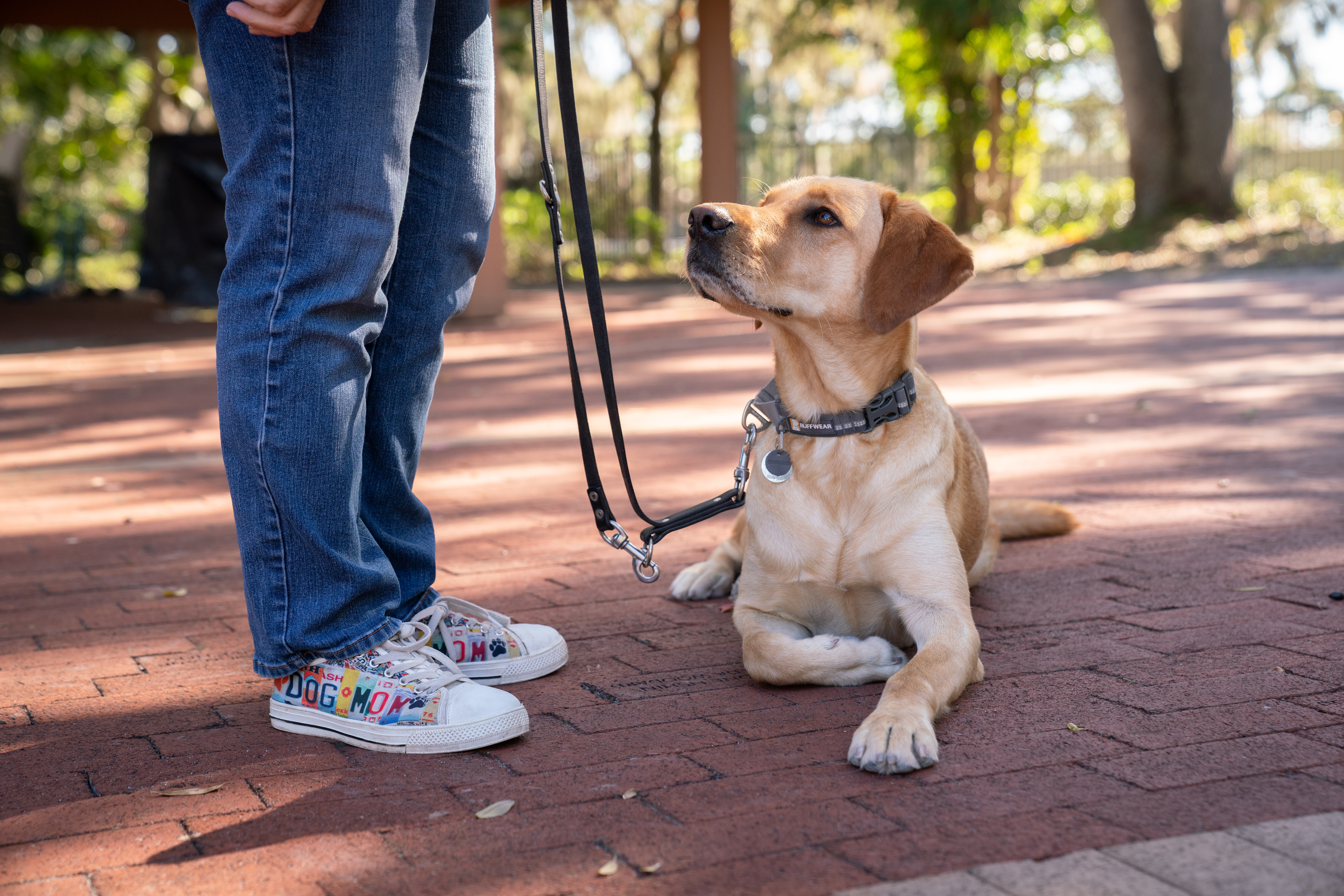
When the public observes a service dog confidently guiding a visually impaired handler through a bustling airport terminal, alerting a diabetic individual to a dangerous blood sugar drop, or providing a grounding physical barrier during a panic attack, they are witnessing years of meticulous preparation in action.
What remains unseen is the complex, highly strategic foundation that made that partnership possible. Long before a dog ever dons a specialized working harness, a rigorous selection and evaluation process is underway.
Organizations like Dogs Inc understand that transforming an energetic puppy into a reliable, life-changing canine partner is not a matter of chance. It is a science built on behavioral tracking, emotional resilience testing, and deep physiological and psychological assessments. Not every dog is naturally wired for public access work. The journey to becoming a service dog requires a rare intersection of genetics, temperament, environmental adaptability, and specialized training.
Executive Overview: The Anatomy of a Service Partnership
At its core, the selection of a service dog candidate is not about finding the "best" dog in a vacuum, but rather identifying the right dog whose innate personality aligns with the unpredictable demands of public service.
Service dogs navigate environments that can induce sensory overload even for humans: crowded elevators, flashing lights, sudden loud noises, unpredictable crowds, and narrow aisles. To function safely, these dogs must possess an extraordinary degree of emotional regulation. They cannot be overly fearful, nor can they harbor aggressive tendencies. They must exhibit calm independence coupled with a deep, intrinsic motivation to work alongside a human partner.
This exhaustive vetting process protects two crucial interests: the safety and well-being of the future handler—who will rely on the animal for independence or medical safety—and the welfare of the dog itself. Forcing an incompatible dog into service work is detrimental to the animal’s mental health. Consequently, elite training organizations utilize multi-stage evaluation frameworks, spanning from early puppyhood socialization to formal behavioral metrics around the 18-month mark, ensuring that every placement is built on a foundation of mutual success and sustainability.
Detailed Chronology: From Puppyhood to Public Access
The evolution of a service dog is a carefully sequenced timeline that transitions from casual domestic socialization to highly focused professional execution.
Phase 1: Early Socialization and Domestic Observation (Months 0–6)
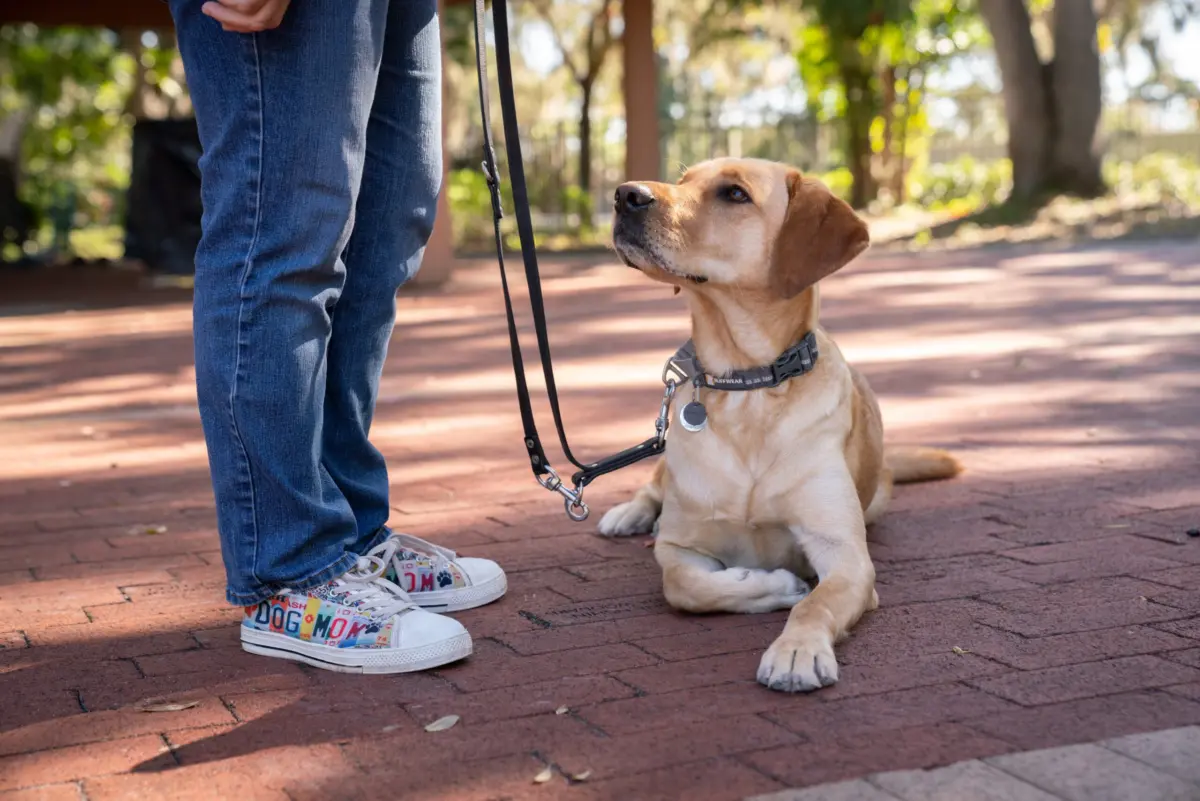
The developmental timeline begins the moment a puppy is born. Long before formal obedience or task training starts, volunteer puppy raisers introduce young dogs to the sights, sounds, and textures of everyday life. Trips to grocery store parking lots, neighborhood walks, and community gatherings serve as initial behavioral testing grounds.
During this phase, instructors and raisers look closely at baseline reactions. How does a puppy respond to a dropped pan? How do they react to an unfamiliar person approaching them? These early observations provide foundational data regarding a dog’s natural curiosity, startle recovery rates, and baseline energy levels.
Phase 2: Structured Assessment and Behavioral Categorization (Months 6–12)
As puppies mature into adolescence, observations become more systematic. Organizations employ standardized testing protocols—such as the CARAT (Clothier Animal Response Assessment Tool)—to categorize specific behavioral traits, rule out undesirable reactions, and track how puppies manage mild stressors.
During this window, trainers assess whether a dog possesses the necessary "brakes" in their temperament. Can an energetic puppy settle down after a period of high stimulation? Do they exhibit a low prey drive? While breeds like Labrador Retrievers and Golden Retrievers are frequently favored for their cooperative nature and forgiving temperaments, individual assessment remains paramount regardless of lineage. High-drive working breeds, such as Border Collies or Australian Shepherds, often possess intense trainability but can struggle with the prolonged resting and low-stimulation environments required of standard service work.
By the 18-month mark, a dog’s temperament solidifies significantly. This period represents a critical juncture in the evaluation pipeline. Instructors conduct rigorous formal temperament tests to measure consistency, impulse control, and emotional stability under simulated public conditions.
It is during this stage that final decisions regarding career paths are made. Dogs displaying unwavering focus, rapid stress recovery, and reliable public decorum advance to specialized task training.
Phase 4: Specialized Task Training and Public Access Certification (Months 18–24+)
Once a candidate’s psychological stability is confirmed, technical training accelerates. Service dogs are categorized by their specific operational roles:
Guide Dogs: Taught to navigate obstacles safely and utilize "intelligent disobedience"—the ability to refuse an unsafe cue given by a handler.
Hearing Dogs: Trained to alert handlers to environmental sounds like fire alarms, doorbells, or crying infants.
Mobility Assistance Dogs: Taught to retrieve dropped items, open doors, and provide physical counterbalance support.
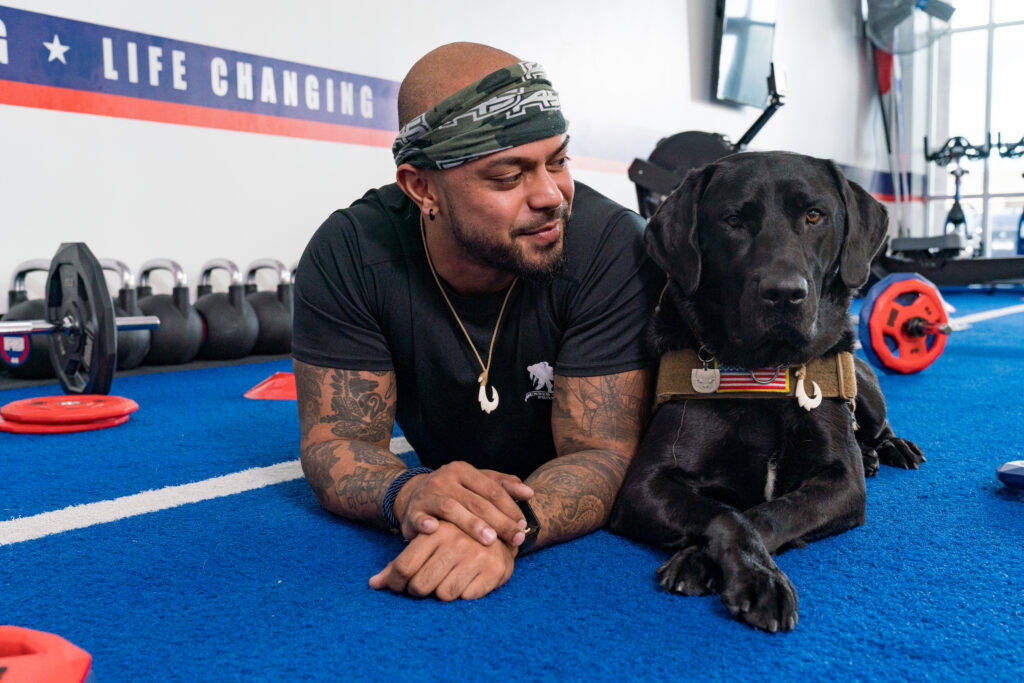
Medical Alert and Psychiatric Service Dogs: Trained to detect physiological shifts (such as diabetic fluctuations or allergen traces) or create a physical buffer in crowded spaces to mitigate anxiety and PTSD symptoms.
In the world of service dog development, flashy obedience tricks are secondary to quiet, uncelebrated behavioral metrics.
The Metrics of Resilience
When evaluating candidates, professional instructors look for specific markers of emotional stability:
Startle Recovery Latency: The speed at which a dog returns to a baseline state of calm after encountering an unexpected acoustic or visual shock.
Distraction Re-focusing: How quickly a dog redirects its attention back to the handler after being exposed to environmental interruptions (e.g., a dropped shopping basket or a passing vehicle).
Patience and Long-Duration Settling: The ability of a dog to remain completely quiescent and focused under a table or beside a seat for hours at a time during medical appointments or flights.
The Reality of Career Changes
A vital metric within ethical service dog organizations is the attrition or career-change rate. Approximately 30% to 50% of dogs entered into elite breeding and puppy-raising programs ultimately transition to alternative paths.
Industry leaders emphasize that a "career change" is never a failure. A dog that finds busy public environments overstimulating, or prefers a more active, independent lifestyle, is simply unsuited for the specific constraints of service work. These dogs frequently transition into loving pet homes, therapy work, or facility-dog roles where their unique personalities can shine without the intense pressures of public access duty. This meticulous filtering process saves operational resources while safeguarding the mental health of the animal.
Official Statements and Industry Insights
Top-tier breeding and training facilities maintain strict adherence to animal welfare and operational transparency. Canine behaviorists and program directors frequently stress that the integrity of a service partnership relies entirely on the quality of the initial behavioral filter.
"The service dog selection process is not about trying to mold a dog into something it isn’t," notes an administrative spokesperson for Dogs Inc. "It is about uncovering who the dog already is at a fundamental level. When you match a dog’s natural inclinations with the exact job they are built to do, the work becomes joyful for the animal and reliable for the human."
Experts also point out that modern evaluation tools have minimized guesswork. By integrating behavioral tracking from puppy raisers with empirical assessment models like the CARAT system, organizations can forecast long-term success with high statistical reliability by the time a dog reaches young adulthood.
Furthermore, industry leaders stress the legal and safety implications of proper public access screening. A service dog operating in a crowded public space is an ambassador for the entire community of handlers with disabilities. Ensuring that every working dog possesses unshakeable emotional stability is a matter of public safety, ensuring that even under extreme duress, the animal remains a calm, rational, and protective partner.
Future Outlook: The Evolution of Canine Selection
As the demand for service animals continues to grow across various demographics—including veterans with PTSD, children with autism, and individuals with complex medical conditions—the science of canine evaluation is evolving.
Future advancements point toward the integration of more sophisticated behavioral genomics, allowing organizations to better understand the genetic underpinnings of traits like stress resilience and focus. However, technology will never entirely replace the intuitive, day-to-day observations provided by dedicated puppy raisers and experienced instructors.
Organizations are also expanding educational outreach to help the public understand the vast differences between authentic service dogs, emotional support animals (ESAs), and therapy dogs. Clear distinctions ensure that properly trained service dogs maintain the legal access and social respect required to perform their life-saving duties.
Ultimately, the future of service dog development remains anchored in the quiet moments: a steady look of focus amid chaos, a calm recovery after a sudden noise, and a seamless partnership built on mutual trust. Through rigorous selection, compassionate training, and unwavering standards, elite organizations will continue to bridge the gap between human need and canine capability, changing lives one partnership at a time.