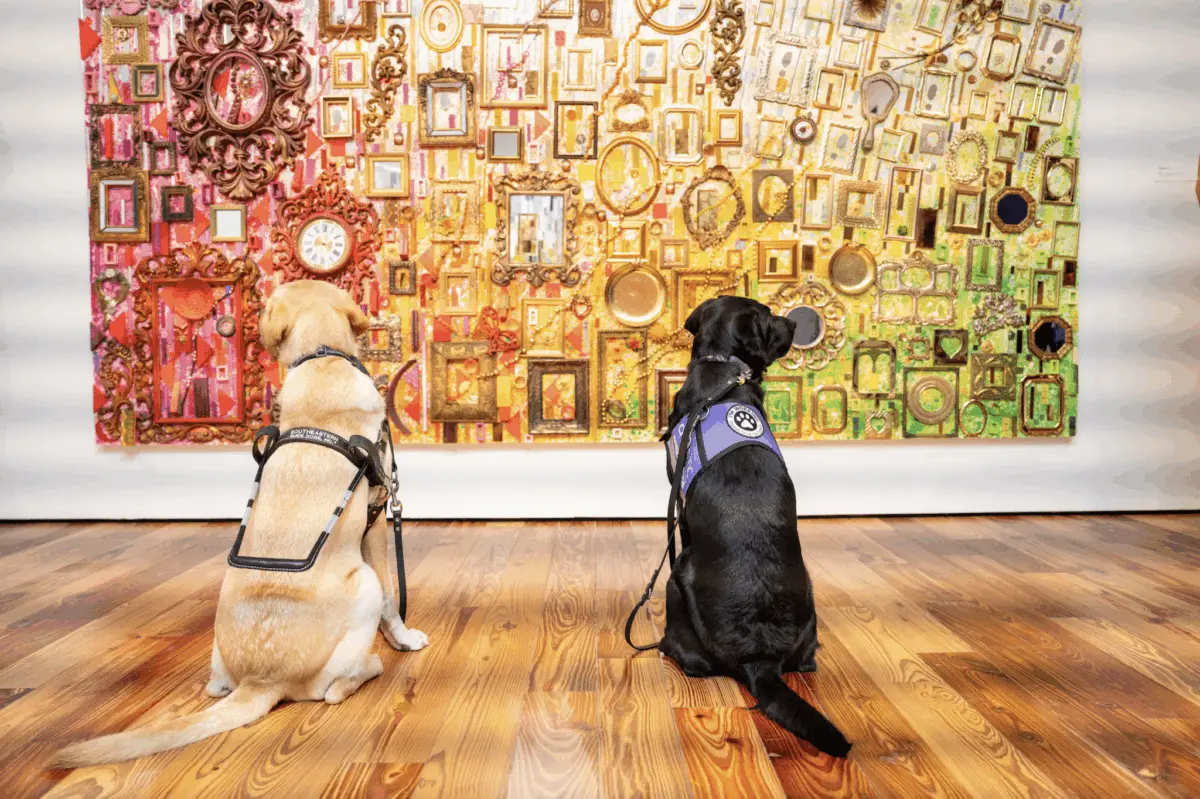
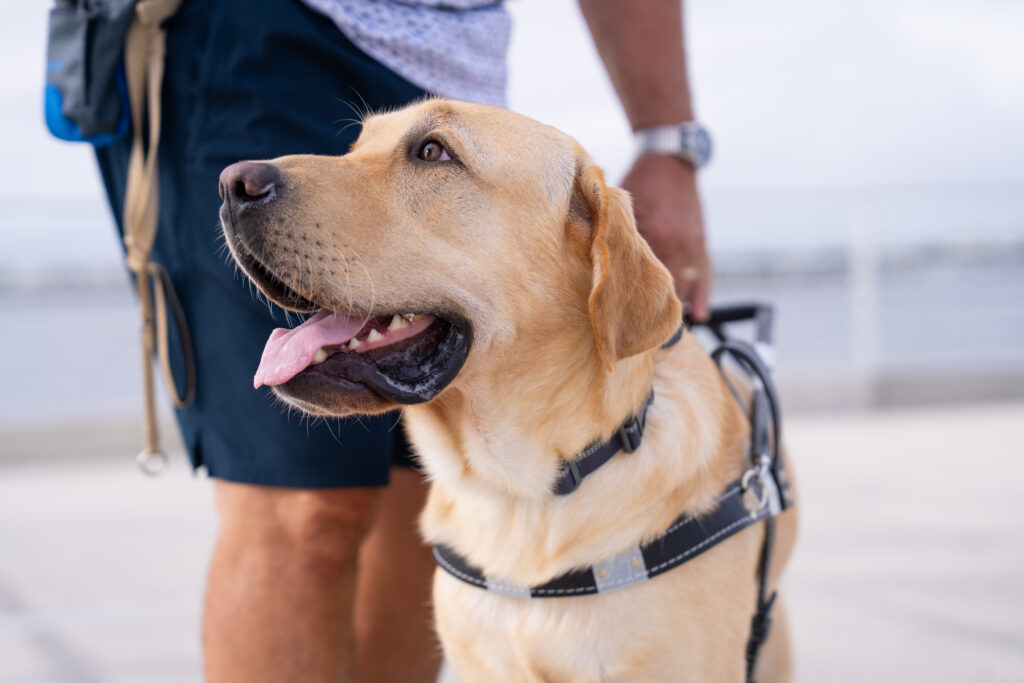
When the mind conjures an image of an assistance dog—whether navigating a bustling metropolitan crosswalk or retrieving a dropped item for a wheelchair user—that silhouette almost universally belongs to the Labrador Retriever. This is far from accidental. For decades, the Labrador Retriever has served as the undisputed cornerstone of guide and service dog organizations across the globe, including premier institutions like Dogs Inc.
The dominance of the breed in professional working roles is not merely a product of aesthetic preference or popular culture. Rather, it represents the intersection of decades of selective breeding, robust genetic health, a uniquely balanced emotional temperament, and a profound, innate desire to partner with human handlers. However, behind every successful Labrador working dog lies a rigorous, highly selective pipeline. While breed characteristics provide an advantageous genetic foundation, organizations emphasize that individual assessment reigns supreme. Not every Lab possesses the psychological fortitude required for public access work, and the journey from a rambunctious puppy to a life-changing service partner is an intricate trial of socialization, advanced training, and medical scrutiny. This report explores the multifaceted traits, training methodologies, and institutional evaluations that solidify the Labrador Retriever’s preeminent position in the realm of canine assistance.
Detailed Chronology: From Working Ancestry to Modern Service Excellence
To understand how the Labrador Retriever evolved into the quintessential service and guide dog, one must examine the chronological arc of the breed, tracing its transformation from rugged coastal assistant to elite urban companion.
[18th-19th Century]
Origin of Lesser Newfoundland & St. John's Water Dog (Cooperative fishing partner)
        │
        ▼
[Late 19th Century]
Importation to Great Britain; Refinement of the Modern Standard by Aristocratic Breeders
        │
        ▼
[Mid 20th Century]
Emergence of Organized Guide Dog Movements (Integration of Labs into formal assistance programs)
        │
        ▼
[Modern Era]
Advanced Behavioral Evaluation, Specialized Public Access Training, and Lifelong Partnerships (Dogs Inc & Global Programs)
The Roots of Cooperation
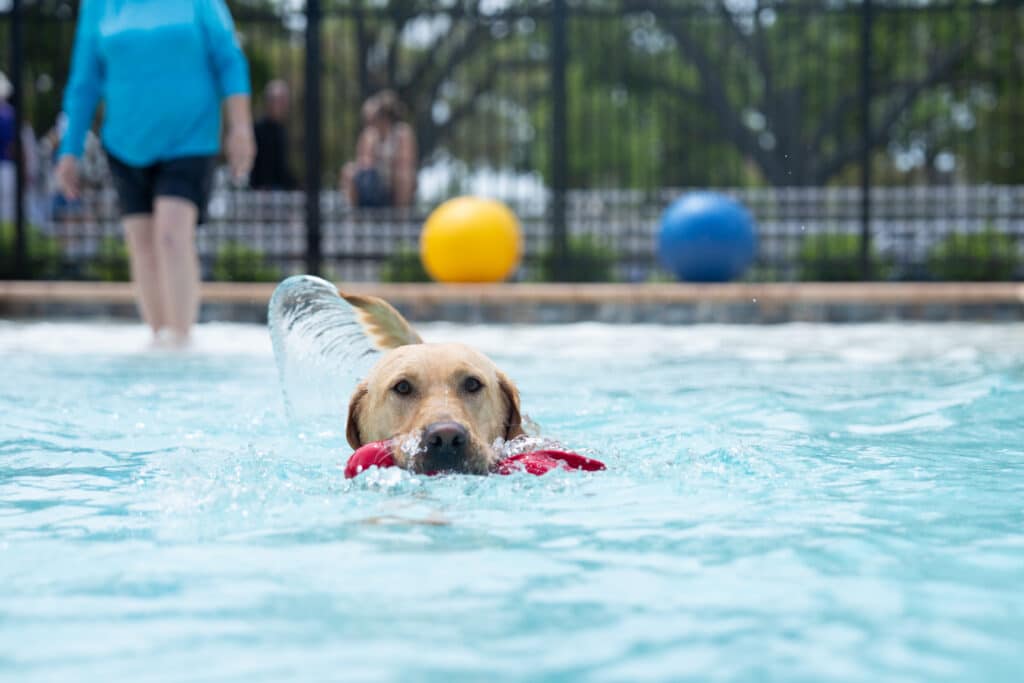
The historical foundation of the Labrador Retriever is deeply rooted in cooperative labor. Tracing their lineage back to the Lesser Newfoundland and the historic St. John’s water dogs of Newfoundland, these early canines were bred to assist fishermen by retrieving escaped fish, hauling nets through icy Atlantic waters, and navigating difficult coastal terrain. This heritage instilled two vital traits: an exceptional work ethic and an intrinsic drive to return items to their handlers. These attributes laid the physiological and psychological groundwork for what would eventually become modern retrieval- and guidance-based assistance work.
Importation and Breed Standardization
By the late 19th and early 20th centuries, British sportsmen and aristocrats recognized the extraordinary utility and amiable nature of these dogs, importing them to the United Kingdom. Through selective breeding programs, the modern Labrador Retriever standard was established. While initially prized as hunting and gun dogs—owing to their "soft mouth," which allows them to carry game without damaging it—their intelligence and steady nerves quickly caught the attention of early visionaries establishing organized guide dog schools.
The Modern Service Era
As the civil rights movement for individuals with disabilities gained momentum in the latter half of the 20th century, the demand for specialized assistance dogs skyrocketed. Organizations recognized that the Labrador Retriever’s adaptability made it uniquely suited for expansion beyond guide work into mobility assistance, medical alert, and facility support roles. Today, the modern trajectory of a service Labrador involves a meticulously managed lifecycle: from early puppyhood socialization programs (often supported by volunteer "Puppy Parents") through structured campus training, final client matching, and ultimately, a dignified working retirement.
Supporting Context & Metrics: Defining the Ideal Service Dog Temperament
What separates a standard family pet from a high-functioning service dog? The answer lies in a complex psychological and physiological profile often termed "service dog temperament."
Operating in public spaces requires an assistance dog to process and filter an overwhelming array of sensory stimuli. A guide dog must safely lead a handler around construction zones, judge clearance heights, locate pedestrian push-buttons, and halt safely at curbs regardless of ambient noise or unexpected disruptions. Similarly, a mobility or medical-alert service dog must maintain absolute composure in crowded airports, medical facilities, corporate boardrooms, and academic institutions.
Key Behavioral Metrics
Emotional Stability and Resilience: Working dogs must possess the psychological resilience to recover quickly from startle events, such as a backfiring car, a dropped metal tray, or a sudden siren. A resilient dog assesses the anomaly, resets its emotional baseline within seconds, and resumes working without hesitation.
Focus and Distraction Resistance: The ability to ignore food drops, unfamiliar animals, and intrusive public attention is critical. The dog must prioritize the handler’s safety and instructions above all environmental temptations.
Task-Oriented Adaptability: No two days are identical. A working dog might ride an elevator in the morning, navigate a noisy grocery store aisle at noon, and sit quietly through a theatrical performance in the evening.
The Anatomical and Physiological Profile
Beyond temperament, physical traits matter immensely. Adult Labrador Retrievers typically weigh between 55 and 80 pounds, depending on sex—an ideal mass that provides enough physical presence to stabilize a handler or pull a wheelchair, yet remains compact enough to travel comfortably under airline seats, in public transit, and within tight indoor spaces. Their short, weather-resistant coats require minimal maintenance compared to long-haired breeds, allowing them to remain clean and professional in diverse climates.
Official Statements and Institutional Insights: The Role of Organizations Like Dogs Inc
Organizations dedicated to breeding, raising, and training elite assistance dogs operate under stringent methodologies. Rather than relying on sweeping generalizations about breeds, leading institutions evaluate each animal as an individual while acknowledging the strong baseline advantages certain breeds offer.
Industry experts and training directors emphasize that while Golden Retrievers, German Shepherds, and Labradors all excel in various capacities, the Labrador Retriever frequently emerges as a preferred candidate due to its predictable behavioral genetics.
"While every assistance dog candidate is evaluated strictly on their individual merits, emotional stability, and health clearances, Labrador Retrievers consistently demonstrate a remarkable equilibrium. Their eagerness to engage with human partners, combined with a resilient nervous system, provides an extraordinary foundation for the complex demands of public access work."
— Insight from Canine Training and Evaluation Specialists
Comprehensive Evaluation Protocols
To safeguard the integrity of working programs, dogs undergo continuous assessment from neonatal development through adulthood. Evaluators look for:
Pessimism vs. Optimism: Assessing how a puppy approaches novel objects. A balanced candidate investigates with cautious curiosity rather than paralyzing fear.
Bite Inhibition and Softness: Ensuring the dog naturally handles objects with extreme care, a vital trait inherited from generations of waterfowl retrieval.
Social Recovery: Measuring how quickly a dog settles down after being startled or over-excited during play sessions.
Through these rigorous checkpoints, organizations ensure that only the most structurally and psychologically sound dogs advance to final placement.
Future Outlook: Health, Breeding, and the Evolution of Assistance Canines
As the science of canine genetics and training evolves, the future of Labrador Retrievers in assistance work faces both exciting opportunities and modern challenges.
Health Monitoring and Longevity
Labrador Retrievers are generally robust animals with a typical life expectancy of 10 to 14 years. However, popular status has historically exposed the gene pool to certain inherited conditions. Responsible breeding programs and specialized health protocols now heavily utilize genetic screening and orthopedic evaluations to mitigate hereditary risks. Key focal points include:
Orthopedic Health: Comprehensive screening for hip and elbow dysplasia via organizations like the Orthopedic Foundation for Animals (OFA).
Ophthalmologic Testing: Routine evaluations to prevent conditions such as Progressive Retinal Atrophy (PRA).
Myopathy Screening: Testing for hereditary myopathy to ensure working dogs maintain peak muscular function throughout their careers.
The Future Training Landscape
Looking ahead, the integration of positive reinforcement methodologies, advanced behavioral tracking data, and early neurological stimulation (ENS) protocols is yielding even more adaptable assistance dogs. Furthermore, ongoing research into canine cognition is helping trainers better understand how labs process stress, enabling more tailored interventions for handlers with complex psychological or physical disabilities.
Ultimately, while the future will undoubtedly see continued innovations in training technology and breeding science, the core of the enterprise will remain unchanged. The enduring partnership between humans and Labrador Retrievers is built on a foundation of mutual trust, shared purpose, and unconditional loyalty—a bond that ensures the Labrador will remain a steadfast guide for generations to come.