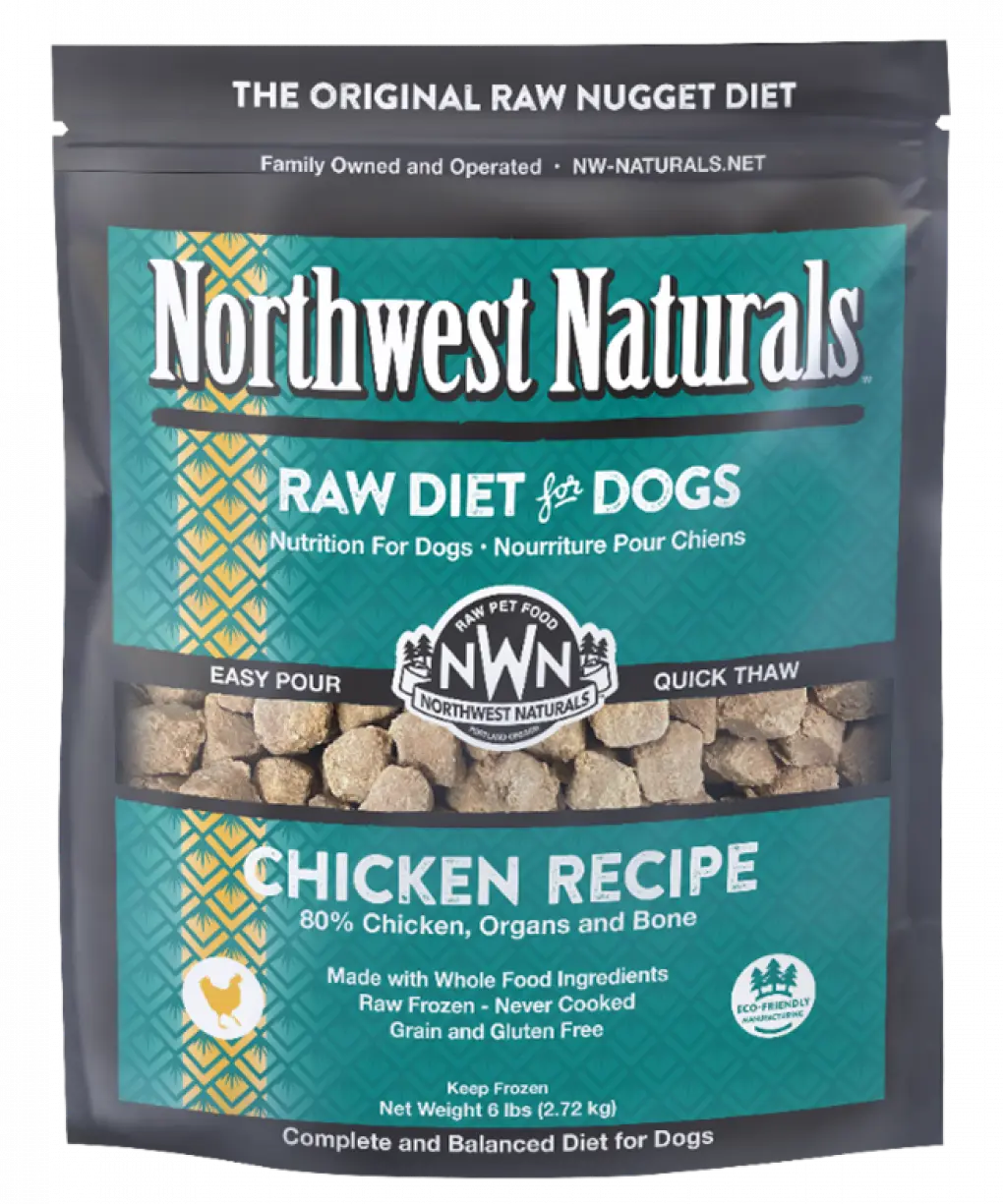
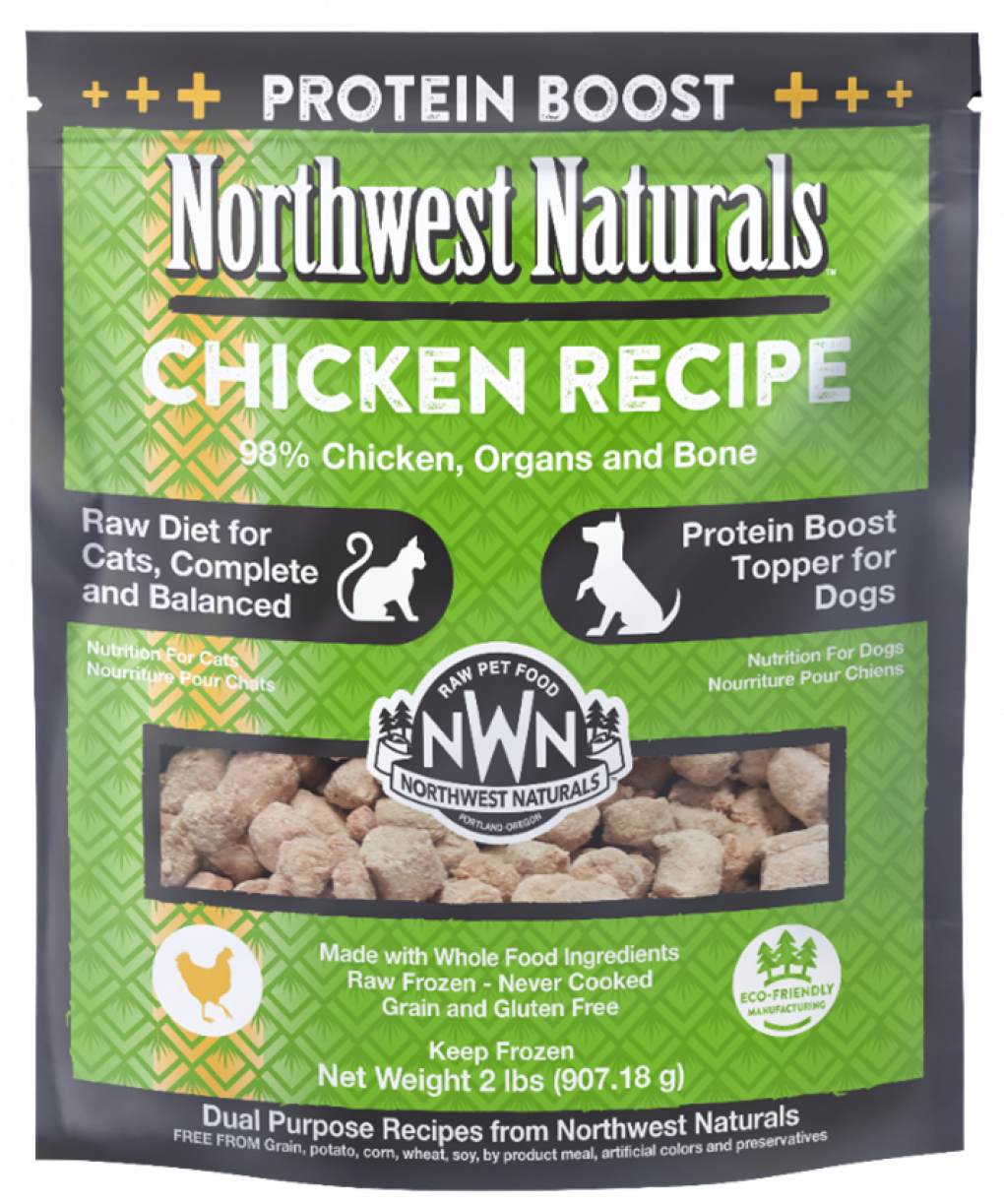
Portland-based pet food manufacturer Northwest Naturals has launched a nationwide voluntary recall covering specific lots of its frozen raw cat and dog food products following the detection of high-consequence bacterial pathogens by federal regulatory inspectors. The action impacts 53 cases (1,272 pounds) of Northwest Naturals Frozen Chicken Recipe for cats and 19 cases (684 pounds) of Northwest Naturals Frozen Raw Diet for Dogs Chicken Recipe.
Routine testing conducted by the U.S. Food and Drug Administration (FDA) uncovered Salmonella contamination in the feline recipe, while the canine product tested positive for both Salmonella and Listeria monocytogenes. While no human or animal illnesses have been reported to date, public health officials emphasize that these pathogens present severe, dual-threat health risks. They threaten not only the animals consuming the raw diets but also human handlers who may contract infections through cross-contamination or secondary contact with infected domestic animals.
Northwest Naturals has initiated immediate retrieval protocols across its retail distribution network, which spans independent pet stores and specialized retailers nationwide. Pet owners holding affected products are instructed to cease feeding them immediately, handle the packaging with heightened biosecurity precautions, and seek full refunds through retail points of purchase.
Detailed Chronology
The timeline of the recall highlights federal surveillance mechanisms designed to detect foodborne pathogens within the commercial pet food supply chain:
Routine FDA Surveillance and Testing: As part of its continuous monitoring program targeting raw pet food manufacturers, FDA field investigators collected samples from production lots of Northwest Naturals frozen raw recipes.
Laboratory Microbiological Testing: Federal laboratories processed the samples, isolating viable cultures of Salmonella in the cat food formulation and concurrent strains of Salmonella and Listeria monocytogenes in the dog food formulation.
Regulatory Notification and Risk Assessment: Upon receiving confirmed microbiological findings, the FDA formally alerted Northwest Naturals management regarding the presence of adulterants in commercially distributed products.
Voluntary Recall Initiation: Northwest Naturals, operating out of its Portland, Oregon headquarters, initiated a voluntary recall of the specific affected production lots, notifying distributor networks and retail partners nationwide to pull inventory from shelves.
Public Health Alert Issuance: The FDA and Northwest Naturals published formal safety alerts outlining product identification criteria, biological risk profiles, consumer safe-handling procedures, and financial reimbursement guidelines.
Supporting Context & Metrics
Product Breakdown and Volumetric Impact
The recall targets two specific chicken-based raw formulations distributed across national retail channels. The physical metrics and case distributions of the recalled products are summarized below:
Product Name
Target Species
Packaging Size
Cases Recalled
Total Weight
Pathogen(s) Detected
Northwest Naturals Frozen Chicken Recipe
Feline
2 lbs. Bag
53 Cases
1,272 lbs.
Salmonella
Northwest Naturals Frozen Raw Diet for Dogs Chicken Recipe
Canine
6 lbs. Bag
19 Cases
684 lbs.
Salmonella & Listeria monocytogenes
Total Combined Volumetric Footprint
—
—
72 Cases
1,956 lbs.
—
Both recalled items were distributed to retail pet stores nationwide. The products were packaged in frozen bags designed for home refrigeration or freezer storage prior to thawing and feeding.
Pathogen Profiles: Salmonella and Listeria monocytogenes
The presence of Salmonella and Listeria monocytogenes in commercial raw pet food presents significant public health concerns due to the high pathogenicity and environmental persistence of both organisms.
Salmonella species are Gram-negative, facultatively anaerobic bacilli capable of surviving extended periods in dry or frozen environments.
Impact on Human Health: Ingestion or indirect transfer of Salmonella can induce salmonellosis. Classic symptoms include acute diarrhea (occasionally bloody), nausea, vomiting, abdominal cramp-like pains, and fever. While immunocompetent adults typically resolve infections within four to seven days without antibiotic intervention, severe cases require hospitalization. In vulnerable populations, bacteria can breach the intestinal mucosal barrier, entering the bloodstream (bacteremia) and disseminating to distant anatomical sites. This can cause severe sequelae, including arterial endocarditis, septic arthritis, endophthalmitis, and persistent urinary tract infections.
Impact on Animal Health: Infected companion animals may present with lethargy, high fever, vomiting, and severe diarrhea. Some infected pets experience subclinical symptoms, displaying only mild abdominal distress or reduced appetite, yet remain active biological vectors.
Listeria monocytogenes
Listeria monocytogenes is a Gram-positive, facultatively anaerobic bacterium noted for its psychrotrophic nature—meaning it can multiply at refrigeration temperatures between 0°C and 7°C (32°F to 45°F).
Impact on Human Health: Listeriosis is a serious, invasive infection with high hospitalization and mortality rates among high-risk demographics. While healthy individuals may experience mild gastroenteritis or transient flu-like symptoms, vulnerable populations—including pregnant women, neonates, adults aged 65 and older, and immunocompromised individuals—face severe outcomes. Invasive listeriosis can manifest as sepsis, meningitis, encephalitis, loss of balance, convulsions, and altered mental status. In pregnant women, infection can cross the placental barrier, leading to miscarriage, stillbirth, premature labor, or systemic neonatal sepsis.
Impact on Animal Health: Pets consuming Listeria-contaminated food exhibit symptoms similar to salmonellosis, including severe lethargy, fever, diarrhea, and emesis. Like Salmonella, animals can become asymptomatic shedding vectors.
Zoonotic Transmission and Domestic Cross-Contamination
Raw meat-based pet diets pose unique biosecurity challenges within domestic settings. Pathogens contained in frozen raw matrices can spread through multiple transmission pathways:
[ Contaminated Raw Pet Food ]
             │
             ├──► Direct Human Contact (Unwashed hands during handling)
             │
             ├──► Environmental Fomites (Countertops, feeding bowls, utensils)
             │
             └──► Animal Ingestion ──► Asymptomatic Shedding ──► Saliva/Feces Exposure
Direct Contact: Direct handling of contaminated frozen or thawed raw meat without immediate hand hygiene allows pathogens to transfer to human oral mucosa or food preparation surfaces.
Environmental Fomites: Storage containers, feeding bowls, kitchen counters, and cleaning sponges exposed to raw meat act as reservoirs where bacteria persist and proliferate.
Animal Intermediaries: Companion animals consuming contaminated raw food often shed high concentrations of Salmonella and Listeria in their feces and saliva, even when showing no overt clinical signs. Interacting with pets through licking, petting, or cleaning waste creates secondary transmission routes for human household members.
Official Statements
Corporate Mitigation and Refund Mechanisms
Northwest Naturals has instructed consumers who purchased the recalled lots to immediately discontinue feeding the products to their animals. The manufacturer emphasizes that unused portions should be secured and returned to the original point of purchase to receive a full financial refund.
To address consumer inquiries regarding lot identification, safety protocols, and reimbursement procedures, Northwest Naturals established a direct customer service hotline:
Toll-Free Consumer Line: 1-866-637-1872
Operating Hours: Monday through Thursday, 8:00 a.m. to 4:00 p.m. Pacific Time
The company reiterated that safe handling procedures are mandatory when managing raw pet foods:
"As with all raw pet food, safe handling is essential to protecting both pets and the people in the household. Anyone handling raw pet food should wash their hands thoroughly with soap and water after contact; clean and sanitize any surfaces, bowls, utensils, and storage areas the product touches; keep raw pet food separate from human food; and store it frozen or refrigerated until use."
FDA Oversight and Regulatory Framing
The FDA maintains a strict regulatory stance regarding raw pet food products. Under the Food Safety Modernization Act (FSMA) and the Federal Food, Drug, and Cosmetic Act (FD&C Act), commercially distributed pet food must be free of pathogenic bacteria that pose public health hazards.
The FDA enforces a zero-tolerance policy for Salmonella and Listeria monocytogenes in raw pet foods due to the direct handling required by consumers and the elevated risk of indoor household contamination. Regulatory alerts from the agency urge pet owners experiencing illness—or whose pets display clinical signs of infection—to report incidents through local FDA Consumer Complaint Coordinators or the online Safety Reporting Portal.
Future Outlook
The Evolving Landscape of Raw Pet Food Safety
The Northwest Naturals recall highlights an ongoing debate within veterinary medicine and public health policy regarding commercial raw meat-based diets (RMBDs). While proponents argue that raw diets offer nutritional benefits, veterinary organizations—including the American Veterinary Medical Association (AVMA), the American Animal Hospital Association (AAHA), and the Centers for Disease Control and Prevention (CDC)—advise against feeding raw or undercooked animal proteins due to inherent microbiological risks.
                      ┌────────────────────────────────────────┐
                      │    Raw Pet Food Market Dynamics        │
                      └───────────────────┬────────────────────┘
                                          │
            ┌─────────────────────────────┴─────────────────────────────┐
            ▼                                                           ▼
┌──────────────────────────────────────┐    ┌──────────────────────────────────────┐
│       Consumer Demand Drivers        │    │     Regulatory & Safety Realities    │
├──────────────────────────────────────┤    ├──────────────────────────────────────┤
│ • Desire for minimally processed food │    │ • FDA Zero-Tolerance Pathogen Mandate │
│ • Focus on ancestral canine/feline   │    │ • High risk of cross-contamination   │
│   nutrition                          │    │ • Frequent regulatory sampling &     │
│ • Perceived coat/digestive health    │    │   recalls                            │
└──────────────────────────────────────┘    └──────────────────────────────────────┘
In response to frequent pathogen detections, manufacturers of raw pet products are increasingly adopting advanced processing technologies to reduce biological hazards without heat degradation. These methods include:
High-Pressure Processing (HPP): Utilizing non-thermal ultra-high pressure pasteurization to disrupt microbial cell membranes while preserving raw food textures and nutrients.
Bacteriophage Interventions: Applying targeted natural viruses that selectively eliminate specific bacterial pathogens such as Listeria or Salmonella.
Enhanced Environmental Testing: Implementing expanded environmental monitoring programs within production facilities to detect pathogen persistence before final packaging.
Best Practices for Consumer Mitigation
To minimize public health risks associated with raw pet diets, public health agencies recommend strict biosecurity protocols for households that feed raw meat diets:
  ┌────────────────────────────────────────────────────────────────────────┐
  │                   DOMESTIC BIOSECURITY CHECKLIST                       │
  ├────────────────────────────────────────────────────────────────────────┤
  │ [ ] Storage: Keep raw pet items strictly segregated in dedicated       │
  │     freezer compartments away from human food.                         │
  │                                                                        │
  │ [ ] Preparation: Dedicate specific cutting boards, bowls, and utensils │
  │     exclusively for pet food preparation.                              │
  │                                                                        │
  │ [ ] Sanitation: Wash hands with hot, soapy water for at least 20      │
  │     seconds immediately after handling raw pet products.               │
  │                                                                        │
  │ [ ] Disinfection: Clean and sanitize all feeding dishes, counter-      │
  │     tops, and sink basins using dilute bleach or EPA-registered        │
  │     sanitizers after every feeding cycle.                              │
  │                                                                        │
  │ [ ] Waste Management: Securely dispose of unused or thawed food that    │
  │     has remained at room temperature for more than two hours.          │
  └────────────────────────────────────────────────────────────────────────┘
As regulatory agencies maintain high surveillance over raw pet food supply chains, nationwide recalls remain a critical tool for preventing foodborne illness outbreaks in both human and animal populations. Consumers are urged to stay informed about product notices and prioritize biosecurity practices when handling raw animal feed in the home.