
Executive Overview
For decades, the domestic cat has occupied a unique place in the human household—at once a domesticated companion and an apex predator trapped in a miniature body. However, as urbanization and modern lifestyle shifts have pushed the vast majority of felines indoors, a hidden health crisis has quietly unfolded in the kitchen. Millions of indoor cats live on a continuous diet of dry kibble. While this format offers undeniable convenience and cost-efficiency for human pet owners, it fundamentally conflicts with the biological reality of the feline species.
Cats evolved as desert-dwelling hunters, biologically programmed to extract the vast majority of their daily hydration from fresh, high-protein prey rather than a stagnant water bowl. When confined to indoor environments with low activity levels and an exclusively dry diet, felines face a cascade of chronic health risks. These range from subclinical dehydration and lifelong low-grade kidney stress to feline lower urinary tract diseases (FLUTD) and severe obesity.
To combat these systemic issues, veterinary nutritionists and feline health centers increasingly advocate for the inclusion of wet cat food. By combining high moisture content (ranging from 75% to 85%), elevated animal protein profiles, and low carbohydrate loads, wet cat food closely mirrors a natural ancestral diet. This comprehensive review examines the structural shift in feline nutrition, analyzes the physiological imperatives that make wet food a necessity rather than a luxury, and evaluates the eleven standout wet food formulas across every price tier and texture for the year 2026.
Detailed Chronology: The Evolution of Feline Domestic Diets
Understanding why today’s indoor cat requires a specialized diet necessitates looking back at how feline nutrition has evolved over the last century.
The Pre-Industrial Feline Diet
For millennia, Felis catus subsisted almost entirely on small prey items such as rodents, birds, and insects. These prey animals naturally consisted of approximately 70% to 75% water, alongside dense, unrefined animal proteins, essential amino acids like taurine, micronutrients, and negligible amounts of carbohydrates. Because their evolutionary origins trace back to arid desert climates, wild cats developed an extremely low natural thirst drive. They rarely felt the physiological compulsion to seek out standing water, relying instead on the fluid content of their kills to maintain systemic hydration.
The Rise of Commercial Kibble (Mid-20th Century)
The mid-20th century revolutionized the pet industry with the introduction of mass-produced dry extruded kibble. Driven by post-war manufacturing techniques and the demand for convenient, shelf-stable, and affordable pet feeding options, dry food quickly became the market standard. While kibble successfully delivered macro-nutrients and solved logistical challenges for pet owners, it fundamentally altered the moisture equation. Standard dry kibble contains a mere 10% moisture content—a stark contrast to the 75%+ hydration levels found in natural prey.
The Modern Indoor Transition and Veterinary Awakening
As the twentieth transitioned into the twenty-first century, veterinary medicine began documenting a disturbing rise in chronic conditions among indoor cats. Nephrologists and feline internal medicine specialists noticed skyrocketing rates of chronic kidney disease (CKD), urolithiasis (urinary stones and crystals), and metabolic syndrome linked to sedentary indoor lifestyles and high-carbohydrate kibble diets.
By the 2010s and 2020s, veterinary consensus shifted decisively. Research emerging from institutions such as the Cornell Feline Health Center underscored that indoor cats fed exclusively dry diets exist in a state of chronic, low-level dehydration. This revelation triggered a modern renaissance in feline nutrition, giving rise to premium human-grade wet foods, specialized broth gravies, and an industry-wide reassessment of how modern felines should be fed.

Supporting Context & Metrics: The Biological Imperatives of Wet Food
To fully grasp the necessity of wet cat food, one must examine the hard metrics and physiological science governing feline health in indoor environments.
The Moisture Deficit and Urinary Health
The primary differentiator between wet and dry cat food is hydration. While dry kibble hovers near 10% moisture, canned and pouched wet foods maintain a moisture profile between 75% and 85%.
[Moisture Content Comparison]
Dry Kibble:        ██ (10%)
Natural Prey:      ████████████████ (70-75%)
Wet Cat Food:      ██████████████████ (75-85%)
For an indoor cat that ignores traditional water bowls or automated fountains, this deficit compounds over time. According to guidelines established by veterinary health organizations, concentrated urine in chronically dehydrated cats significantly increases the precipitation of minerals, leading to struvite and calcium oxalate crystals. These crystals can aggregate into painful blockages or feline lower urinary tract disease (FLUTD). Incorporating at least one daily wet meal ensures a continuous flow of fluid through the kidneys, diluting urine and flushing the urinary tract naturally.
Metabolic Demands: Protein vs. Carbohydrates
Unlike dogs, which are omnivores capable of utilizing a broad range of plant-based nutrients, cats are obligate carnivores. Their metabolism is hardwired to run on protein and fat, requiring specific nutrients found exclusively in animal tissue—such as taurine, arachidonic acid, vitamin A, and niacin.

Dry kibble manufacturers must incorporate starches, corn, wheat, or soy to bind the ingredients together during the high-heat extrusion process. Consequently, dry diets often feature high carbohydrate loads (frequently exceeding 30-40% dry matter). Indoor cats, which naturally burn fewer calories due to a sedentary lifestyle of sleeping and lounging, struggle to process excess carbohydrates. This surplus easily converts to adipose tissue, driving the modern feline obesity epidemic.
Conversely, high-quality wet cat food formulas are naturally low in carbohydrates and rich in bioavailable animal proteins. This helps indoor cats maintain lean muscle mass while keeping their body condition score within healthy parameters.
Official Statements & Veterinary Guidance
Prominent veterinary bodies have established clear benchmarks regarding the nutritional management of indoor felines.
- The Cornell Feline Health Center: In its guiding literature on feline nutrition, the center emphasizes that because cats lack a strong thirst response, owners must actively engineer hydration into their pets’ daily routines. The center highlights wet food as an effective, primary mechanism for preventing subclinical dehydration and mitigating lower urinary tract pathologies.
- WSAVA Global Nutrition Guidelines: The World Small Animal Veterinary Association stresses that adult indoor cats require carefully calibrated caloric intakes—typically ranging between 200 and 250 calories per day depending on size and activity levels. WSAVA guidelines urge owners to meticulously audit pet food labels, noting that standard 5.5-ounce cans of wet food vary widely in caloric density (ranging from 80 to 120 calories per can), making portion tracking essential.
- Clinical Consensus on Preventative Medicine: Veterinary clinicians frequently point out that managing an indoor cat’s diet is far more cost-effective and humane than treating advanced renal failure or diabetes down the line. A proactive transition to wet food acts as an early line of defense for aging metabolic systems.
The 11 Best Wet Cat Foods for Indoor Cats
Navigating the crowded marketplace requires understanding the balance between ingredients, price tiers, and textural preferences. Below are the 11 standout wet cat food formulas categorized for indoor feline health.

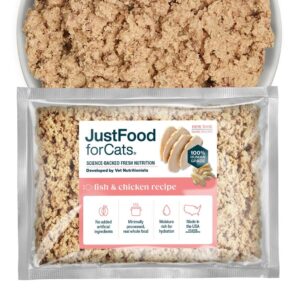
1. JustFoodforCats Fish & Chicken Fresh Food
- Tier Level: Premium
- Best For: Fresh, human-grade nutrition
- Overview: Representing the pinnacle of feline nutrition, JustFoodforCats utilizes real, human-grade fish, chicken, and vegetables formulated by board-certified veterinary nutritionists. The fresh preparation method preserves critical micronutrients and delivers exceptional moisture content, making it an ideal choice for indoor cats requiring intensive hydration support and maximum palatability.
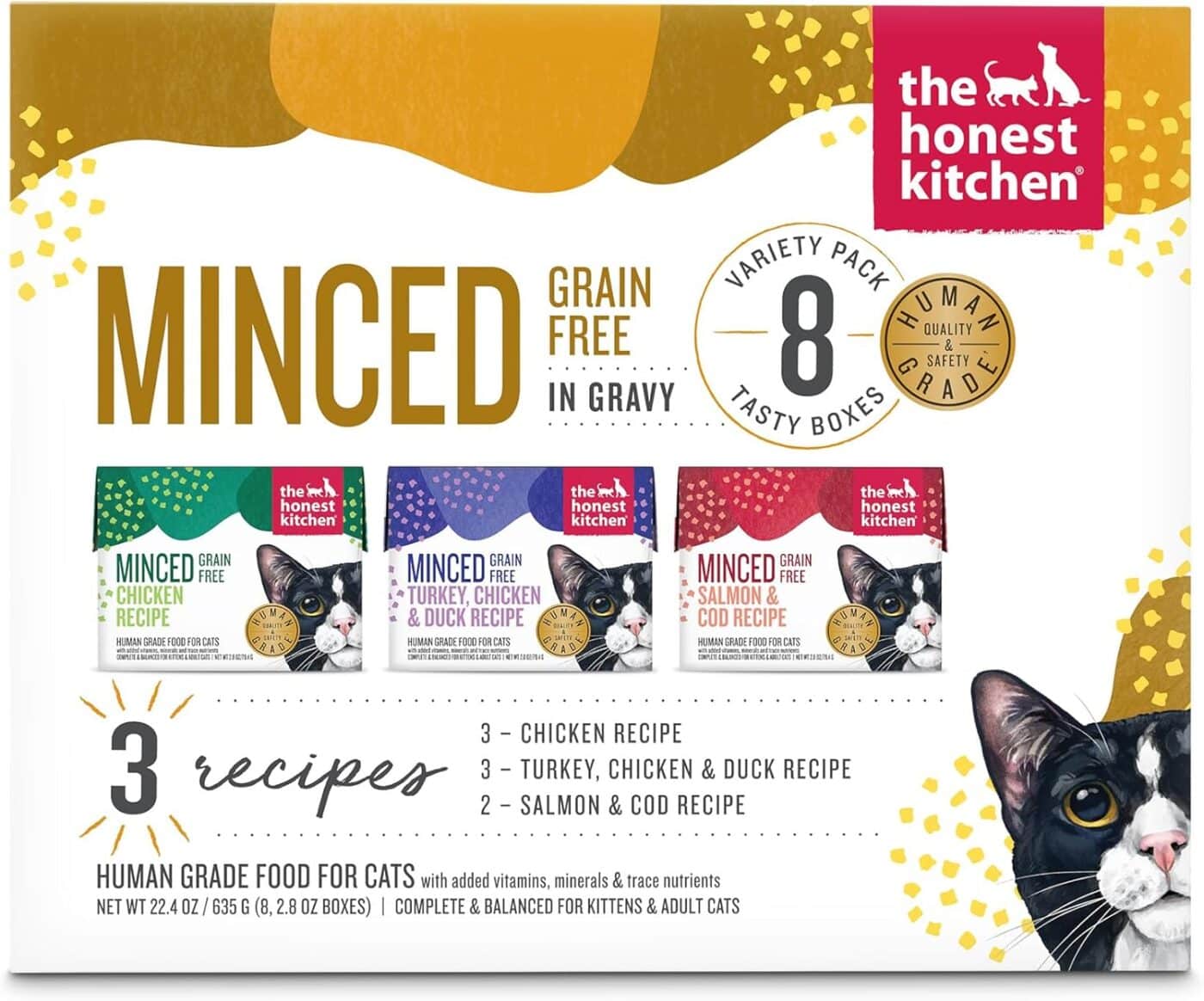
2. The Honest Kitchen Human Grade Minced Grain Free Wet Cat Food
- Tier Level: Premium
- Best For: Minimally processed nutrition with bone broth gravy
- Overview: Crafted with cage-free chicken and rich bone broth gravy, this formulation elevates everyday feeding to restaurant-quality standards. The grain-free recipe incorporates functional ingredients like pumpkin for digestive health and salmon oil for skin and coat support—a vital addition for indoor cats prone to hairballs and dry winter skin.
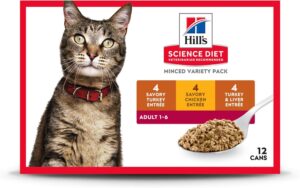
3. Hill’s Science Diet Adult Wet Cat Food
- Tier Level: Mid-to-Premium
- Best For: Balanced everyday nutrition backed by veterinary science
- Overview: Widely stocked and recommended in clinical settings, Hill’s Science Diet offers precise nutritional balancing for long-term maintenance. Its smooth texture appeals to cats with sensitive digestive tracts, while its tightly controlled calorie profile helps prevent weight gain in sedentary indoor environments.
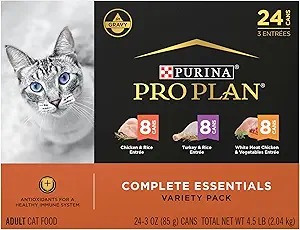
4. Purina Pro Plan Complete Essentials Wet Cat Food
- Tier Level: Mid-Range
- Best For: High-protein daily meals with added taurine
- Overview: Bridging the gap between scientific formulation and affordability, Purina Pro Plan provides protein-dense recipes fortified with essential taurine for optimal cardiac and visual health. The high protein-to-calorie ratio supports muscle retention in indoor cats that log more hours napping than hunting.
5. Royal Canin Adult Wet Cat Food
- Tier Level: Premium
- Best For: Extreme picky eaters who refuse standard diets
- Overview: When all else fails, Royal Canin’s texture engineering usually succeeds. Developed using extensive research into feline sensory preferences, the thin slices in savory gravy format entice even the most stubborn culinary snobs. It is an invaluable option for multi-cat households dealing with finacious eaters.
6. Tiki Cat Luau Wet Cat Food
- Tier Level: Premium
- Best For: High-protein, ultra-low-carb weight management
- Overview: Tiki Cat commands a loyal following among guardians prioritizing pure animal protein. By suspending shredded meats in simple consommé broth rather than starchy gravies, these recipes keep carbohydrate levels near zero. This makes it an exceptional choice for keeping indoor cats lean, while fish-based omega fatty acids reduce shedding and maintain coat sheen.
7. Fancy Feast Classic Pate
- Tier Level: Budget-Friendly
- Best For: Cost-effective feeding without sacrificing protein integrity
- Overview: Despite occasional skepticism from pet food purists, veterinary clinics frequently recommend the Fancy Feast Classic Pate line. These grain-free recipes feature surprisingly high protein and low carbohydrate percentages relative to their modest price point, offering a reliable, highly palatable daily feeding option for budget-conscious owners.
8. Weruva Cats in the Kitchen
- Tier Level: Premium
- Best For: Extra hydration and broth-loving cats
- Overview: Weruva’s pouched recipes are visually distinct, showcasing real cuts of shredded meat submerged in rich, hydrating broths. For indoor cats that refuse to touch standing water, these moisture-heavy formulations provide an effortless hydration boost while satisfying cats that prefer textured, "real-looking" meals.
9. Wellness Complete Health Wet Cat Food
- Tier Level: Mid-to-Premium
- Best For: Natural ingredients free from artificial additives
- Overview: Wellness eliminates artificial flavors, colors, and chemical preservatives from its formulas. Blending quality animal proteins with functional additions like cranberries for urinary tract support and flaxseed for skin health, this pate offers a balanced middle ground between premium specialty brands and commercial budget lines.
10. Blue Buffalo Tastefuls Wet Cat Food
- Tier Level: Mid-Range
- Best For: Flavor rotation and natural ingredient integrity
- Overview: Blue Buffalo Tastefuls facilitates smooth flavor rotation, preventing the food aversions that indoor cats often develop when stuck on a single recipe. Free from corn, wheat, and soy, and featuring a real meat primary ingredient, it provides both flaked and pate options to accommodate specific textural preferences.
11. Sheba Perfect Portions Wet Cat Food
- Tier Level: Budget-to-Mid-Range
- Best For: Built-in portion control and zero-waste feeding
- Overview: Sheba’s innovative twin-pack trays solve a common domestic nuisance: the leftover canned food crusting over in the refrigerator. Each snap-off tray delivers a single, perfectly measured serving. For owners monitoring an indoor cat’s caloric intake to combat obesity, this eliminates portion guesswork entirely.
Future Outlook: The Trajectory of Feline Nutrition
As we look toward the remainder of the decade, the landscape of pet care is shifting rapidly toward personalization and preventative wellness. Several trends are poised to shape the future of wet cat food for indoor environments:
- Functional Supplements and Targeted Formulations: Manufacturers are moving beyond basic macro-nutrients, increasingly infusing wet foods with probiotics, joint-support compounds (glucosamine and chondroitin), and calming agents like L-theanine tailored specifically to indoor cats experiencing environmental stress.
- Sustainability and Alternative Proteins: With environmental concerns mounting around traditional livestock farming, the pet food industry is exploring sustainable alternative proteins, including insect-based proteins and lab-cultured meats, which may soon appear in premium cat food lines without compromising nutritional completeness.
- Smart Feeding Integration: The integration of smart home technology with automated wet food dispensers is on the horizon. These devices will soon coordinate with microchipped feeders and smart litter boxes to track exact moisture intake, caloric consumption, and metabolic output, allowing owners to fine-tune their indoor cat’s wet food diet with unprecedented precision.
Conclusion
Transitioning an indoor cat to a wet food diet—whether implemented as an exclusive feeding strategy or integrated alongside high-quality kibble—remains one of the single most impactful choices an owner can make. By bridging the evolutionary gap between desert predator and modern house pet, wet food delivers essential hydration, supports renal and urinary health, prevents chronic metabolic obesity, and preserves lean muscle mass.
Pet owners do not need to break the bank to achieve these benefits; budget-friendly options like Fancy Feast Classic Pate and Sheba Perfect Portions offer solid nutritional foundations, while premium formulas like JustFoodforCats and The Honest Kitchen deliver gold-standard, human-grade excellence. Ultimately, observing a cat eagerly clean their bowl is more than just a satisfying daily routine—it is visual confirmation of a biological need properly met.