
Executive Overview
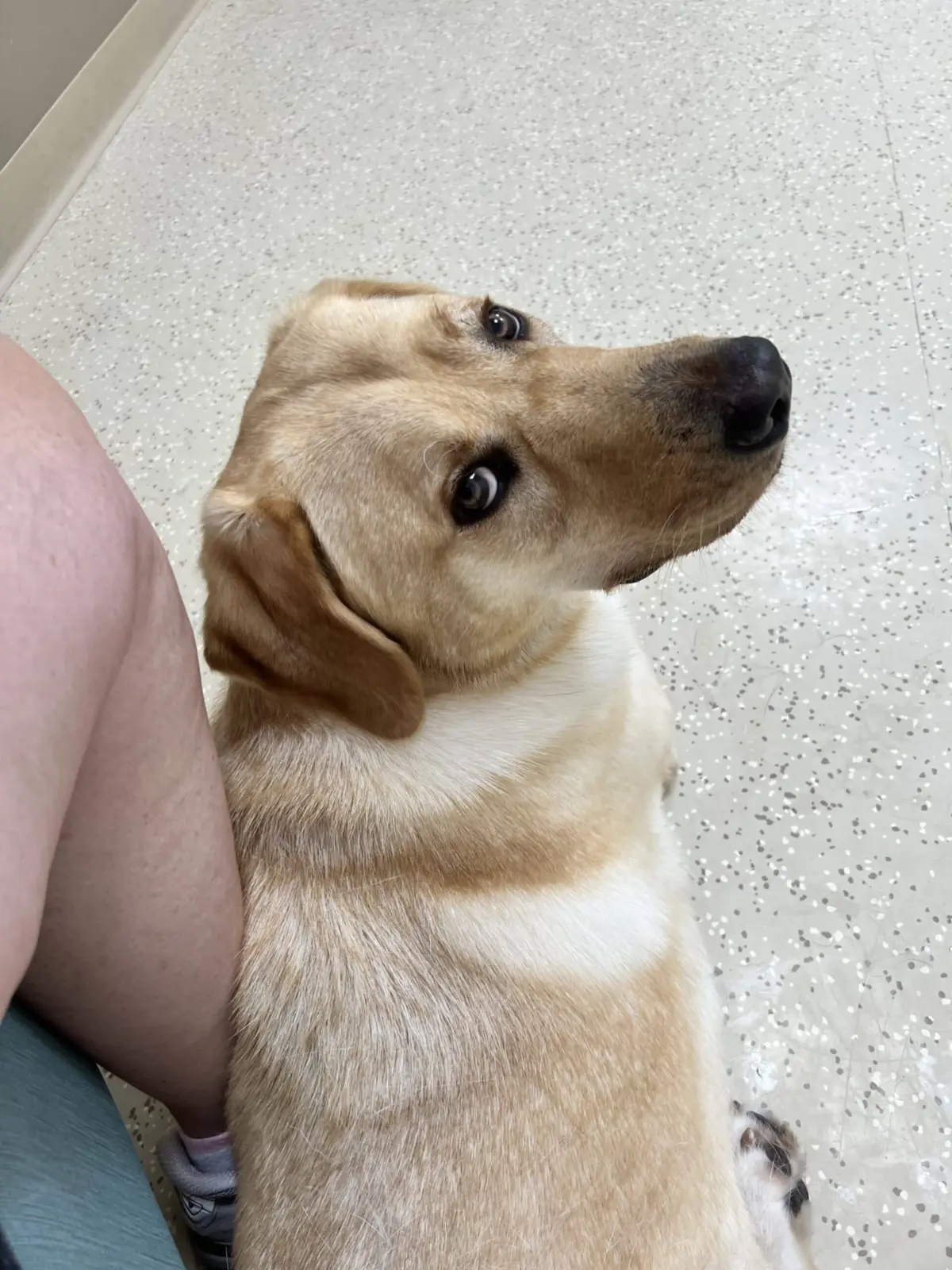
When an exceptionally calm, focused, and beautifully behaved dog walks past you in the aisle of a grocery store, a crowded airport terminal, or a bustling restaurant, the impulse to smile, reach out a hand, and offer a friendly “Who’s a good boy?” is almost universal. Dogs occupy a profound place in human culture, representing loyalty, companionship, and unconditional warmth. However, when that dog is wearing a vest, harness, or cape signifying its status as a working service animal, the rules of engagement shift dramatically.
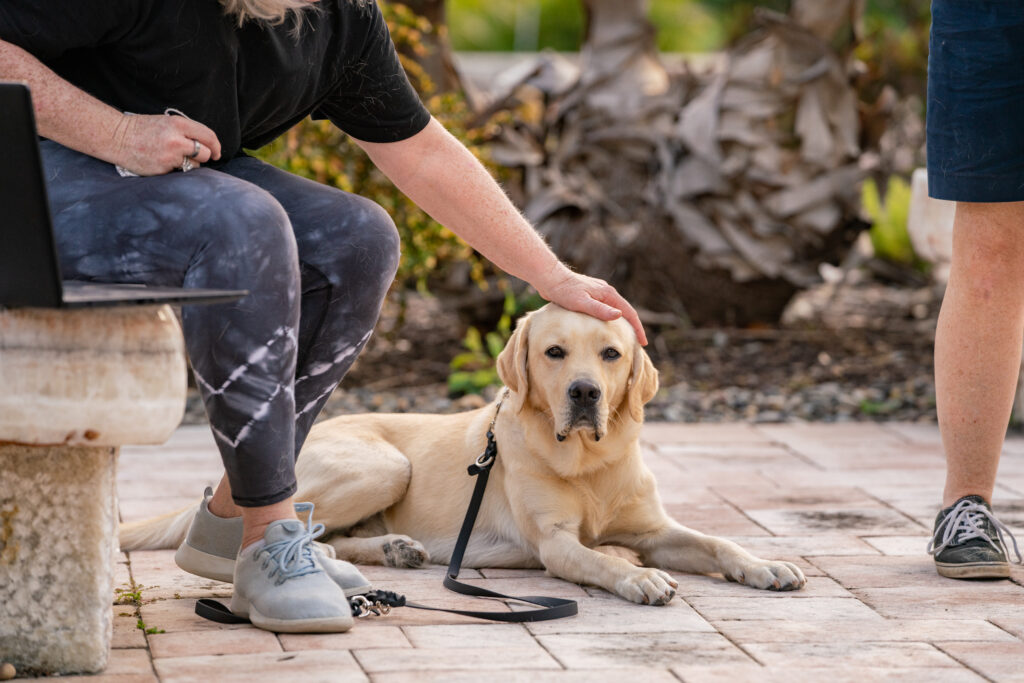
While the public’s intentions are almost always rooted in kindness and affection, approaching, petting, or otherwise distracting a working service dog can inadvertently compromise safety, undermine months or years of rigorous professional training, and put the handler’s independence and well-being at risk. Understanding and practicing proper service dog etiquette is not merely a matter of polite social behavior—it is a vital public safety necessity.
This comprehensive report examines the complex world of working service dogs, the legal and operational definitions that separate them from pets or emotional support animals, the hidden dangers of public distraction, and the gold standard for how everyday citizens, children, and business owners should interact when sharing space with a service dog team.
Detailed Chronology & Evolution of Assistance Animals
To truly appreciate the necessity of modern service dog etiquette, one must understand how assistance animals evolved from specialized working tools into recognized, legally protected partners in modern civil society.
Early Beginnings and the Guide Dog Movement
The utilization of dogs to assist individuals with specific physical limitations dates back centuries, with artistic and historical records pointing to canine assistance as early as Roman times. However, the modern service dog movement was formally catalyzed in the aftermath of World War I. In Germany, Dr. Gerhard Stalling pioneered the systematic training of German Shepherds to guide blinded veterans returning from the front lines.
In 1929, American dog trainer Morris Frank traveled to Switzerland to train with Dorothy Harrison Eustis, who was running a pioneering guide dog school. Upon returning to the United States with his German Shepherd guide, Buddy, Frank embarked on a nationwide public relations campaign to demonstrate that blind individuals could travel independently. This pivotal moment led to the establishment of The Seeing Eye, the first formal guide dog training organization in North America, permanently altering the trajectory of independence for individuals with visual impairments.
Expanding Roles Beyond Vision Support
For decades, the term "service dog" was almost exclusively synonymous with guide dogs for the blind. However, as veterinary medicine, animal behavior science, and assistive technology progressed throughout the latter half of the 20th century, trainers recognized that the cognitive and physical capabilities of dogs could be harnessed to aid individuals with a vast array of other disabilities.
- The 1970s and 1980s: Training programs began emerging to provide mobility-assistance dogs for individuals with physical disabilities, such as spinal cord injuries, cerebral palsy, or muscular dystrophy. These dogs were taught to retrieve dropped objects, pull wheelchairs, flip light switches, and open heavy doors.
- The 1990s: The scope expanded further into medical alert capacities. Dogs were successfully trained to detect physiological changes associated with conditions such as hypoglycemia (for diabetics) and impending cardiac events or epileptic seizures. Concurrently, psychiatric service dogs began emerging to assist individuals with post-traumatic stress disorder (PTSD), severe anxiety, and panic disorders.
The Legal Milestone: The Americans with Disabilities Act (ADA)
A critical turning point in the public integration of service dogs occurred with the passage of the landmark Americans with Disabilities Act (ADA) of 1990. Under Title III of the ADA, individuals with disabilities are legally permitted to be accompanied by their service animals in all areas where the general public is allowed to go.
Crucially, the ADA established legal definitions that separated legitimate service animals—which are individually trained to do work or perform tasks for the benefit of an individual with a disability—from pet dogs, therapy animals, and emotional support animals (ESAs). While ESAs provide comfort through their mere presence, they do not possess specialized task-training rights under public access laws. This legal distinction underpins why public interference with a true service dog is not just an inconvenience, but a direct disruption of a legally protected medical accommodation.
Defining the Working Partnership: What is a Service Dog?
To understand why public interaction must be carefully managed, one must first understand the staggering scale of commitment, breeding, socialization, and training required to produce a qualified service dog.
Rigorous Selection and Training Pipelines
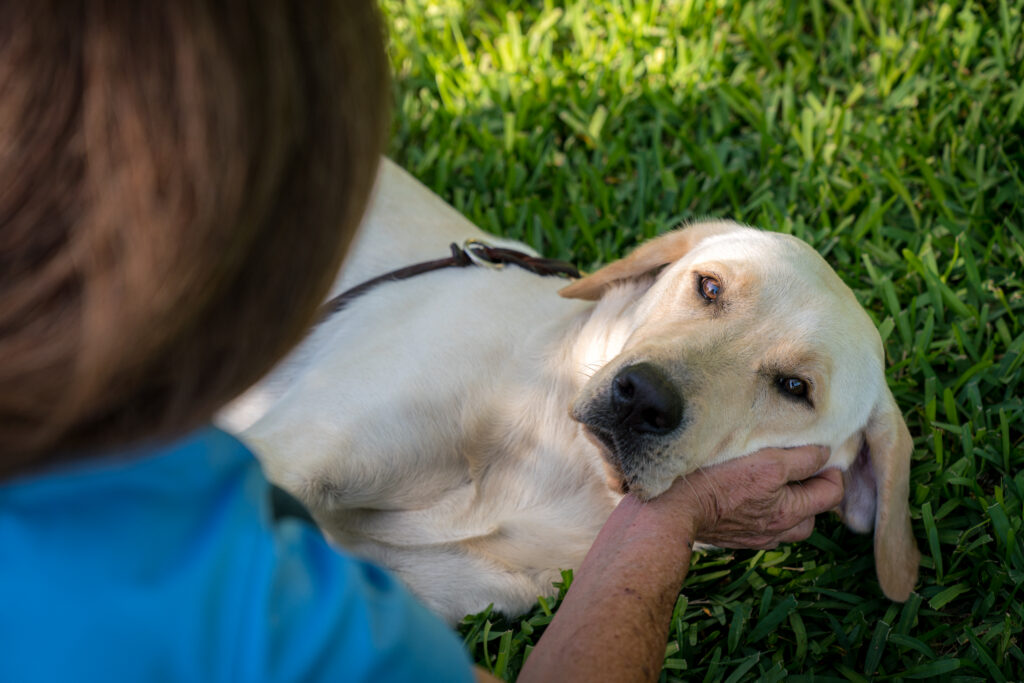
Only a fraction of dogs evaluated for service work successfully complete the program. Organizations like Dogs Inc select breeding stock based on health, temperament, intelligence, and a low reactivity threshold to environmental stimuli. Puppies spend their foundational months with volunteer puppy raisers who socialize them extensively in public settings, exposing them to crowds, moving vehicles, elevators, loud noises, and diverse human populations.
Following basic socialization, these dogs enter advanced professional training facilities where they spend upwards of six to eighteen months mastering specific task repertoires tailored to the unique physical or medical requirements of their future handlers. The cost of breeding, raising, training, and placing a single fully trained service dog often exceeds tens of thousands of dollars, all of which underscores the immense value and precision of the animal.
Categories of Service Dogs
Service dogs perform an extraordinary array of tasks that mitigate the impact of various disabilities:
- Guide Dogs: Assist individuals who are blind or visually impaired by safely navigating them around obstacles, stopping at curbs and stairs, and locating doors or seating.
- Hearing Dogs: Alert deaf or hard-of-hearing individuals to specific sounds, such as alarms, doorbells, timers, or a crying baby, by physical contact and leading the person to the source of the sound.
- Mobility Support Dogs: Retrieve items, pull manual wheelchairs, provide balance support for individuals with unsteady gaits, and open or close doors and drawers.
- Medical Alert Dogs: Detect oncoming physiological episodes—such as blood sugar fluctuations in diabetics, cardiac syncopes, or neurological seizures—giving the handler critical time to take medication or find a safe position.
- Psychiatric Service Dogs: Assist individuals with mental health disabilities by performing tasks such as interrupting panic attacks, deep pressure therapy (DPT) during flashbacks, performing room searches for individuals with severe hyper-vigilance, and retrieving emergency medication.
+-----------------------------------------------------------------+
#             THE SPECTRUM OF ASSISTANCE ANIMALS                  #
+-----------------------------------------------------------------+
|                                                                 |
|  [ PET DOGS ]                                                   |
|   - Companion animals                                           |
|   - No public access rights under ADA                           |
|                                                                 |
|  [ EMOTIONAL SUPPORT ANIMALS (ESAs) ]                           |
|   - Provide therapeutic comfort through presence                |
|   - Do not perform specific task training                       |
|   - Limited housing rights; no general public access            |
|                                                                 |
|  [ WORKING SERVICE DOGS ]                                       |
|   - Individually trained to perform specific tasks              |
|   - Directly mitigates a recognized disability                  |
|   - Full public access rights under the ADA                     |
|                                                                 |
+-----------------------------------------------------------------+
The Hidden Dangers of Distracting a Working Dog
When an onlooker pets, coos at, whistles to, or offers food to a working service dog, they are committing a dangerous error in judgment. Even though the dog appears relaxed, calm, and friendly, its brain is continuously engaged in a high-stakes operational loop with its handler.
The Cognitive Toll of Interruption
A working service dog team relies on a continuous channel of communication, focus, and environmental monitoring. When a stranger breaks that focus by approaching or making noises, the dog is forced to make a split-second decision: Do I heed my environmental training, or do I respond to this social invitation?
Even if the dog does not break its heel or leave the handler’s side, the mere act of distraction forces the animal to expend cognitive energy managing the interruption. In critical scenarios, this divided attention can have severe consequences:
- Missed Medical Alerts: A medical alert dog that is distracted by a passerby may fail to notice the subtle scent or behavioral changes indicating an impending seizure or blood sugar drop.
- Navigation Hazards: A guide dog whose attention is drawn away by someone calling out "What a cute dog!" might miss an unexpected obstacle, curb drop, or moving vehicle, putting a visually impaired handler in immediate physical danger.
- Loss of Mobility Stability: A mobility support dog bracing for a handler with balance issues could be caught off balance if it shifts its weight to look at an approaching admirer.
The Analogy of Human Professional Focus
To put this in perspective, consider human professionals engaged in critical labor. Imagine an air traffic controller managing a busy airspace, a surgeon performing a delicate operation, or a paramedic treating a trauma patient. If a well-meaning stranger were to tap them on the shoulder to say, "You’re doing a great job! Can I shake your hand?", the distraction would be viewed as reckless and dangerous. A working service dog is an active biological lifeline; treating it like a public petting zoo animal undermines the gravity of its mission.
Supporting Context & Behavioral Metrics
Public education campaigns consistently reveal that a significant percentage of the general population remains unaware of basic service dog protocols. According to disability advocacy groups:
- Over 70% of service dog handlers report experiencing regular, unwanted public distractions while running errands.
- Nearly 40% of handlers report instances where an untrained pet dog—sometimes illegally passed off as a service animal—has lunged at or distracted their working dog in public spaces.
- Education initiatives targeting children and businesses have been shown to reduce public interference incidents by up to 55% in communities with active awareness programs.
Common Behavioral Pitfalls to Avoid
When encountering a service dog team, members of the public should strictly avoid the following actions:
- Making Eye Contact or Cooing: Directing baby talk, high-pitched noises, or exaggerated expressions at the dog.
- Whistling or Making Clicking Sounds: Trying to catch the dog’s attention to make it look at you.
- Offering Food or Treats: Never feed a service dog. Handlers maintain strict dietary regimens, and some dogs have severe food allergies or are trained to ignore dropped food.
- Reaching Out to Touch: Never pet, pat, or touch the dog’s head, back, or vest without explicit, verbal permission from the handler.
- Asking Intrusive Medical Questions: Under the ADA, businesses are legally restricted to asking only two questions (Is the dog a service animal required because of a disability? and What work or task has the dog been trained to perform?). Members of the public should never interrogate a handler about their private medical history.
Official Guidelines: How to Properly Interact with a Service Dog Team
Proper etiquette is simple, respectful, and centers entirely on the human being rather than the animal.
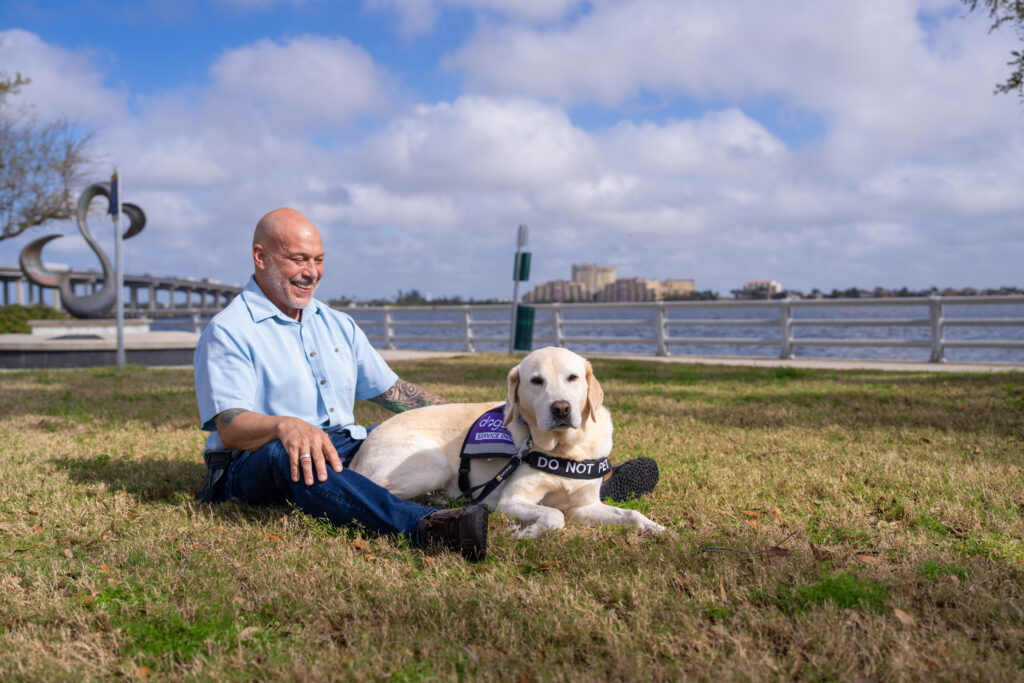
The Golden Rule: "Talk to the Person, Not the Dog"
When you see a service dog team, direct all communication to the handler. If you wish to ask a question, greet them, or offer a compliment, address the person directly. Do not look down, talk to, or gesture at the dog.
The Protocol for Petting: Always Ask First
Can you ever pet a service dog? The definitive answer is only if you ask permission and receive an explicit invitation from the handler.
Even then, understand that many handlers will politely decline because their dog is on duty, in training, or working in a high-stimulus environment. If a handler says no, accept the response graciously and without complaint or judgment. Occasionally, a handler may take the dog out of harness to give it a break, during which socialization might be permitted—but this determination rests entirely with the handler.
Guiding Principles for Specific Groups
- For Children: Children are naturally drawn to dogs, making service dog encounters an ideal teaching moment for empathy, patience, and respect. Parents should instruct children to admire the dog from a distance, explaining simply: "That dog has an important job to do right now, and we need to give them space so they can help their person."
- For Businesses and Public Venues: Store owners, hotel staff, restaurant workers, and healthcare providers must treat service dog teams with standard hospitality. Welcome the human guest as you would any other patron. Do not demand medical documentation, do not ask the handler to prove their disability, and do not direct undue attention toward the animal.
Future Outlook: Building a More Inclusive and Aware Society
As public awareness surrounding disability rights and assistance animal training continues to expand, the cultural perception of service dogs is steadily shifting. Organizations like Dogs Inc are leading the charge through educational outreach, community workshops, and public service announcements designed to demystify the role of working dogs.
The future of service dog integration relies on several key pillars:

- Enhanced Public Education: Integrating service dog etiquette into school curricula and corporate training modules to foster lifelong respect for accessibility aids.
- Stricter Regulation of Fraudulent Animals: Pushing for legislative clarity and enforcement against individuals who falsely misrepresent pet dogs as service animals, thereby protecting legitimate teams from aggressive encounters and public skepticism.
- Technological and Institutional Support: Encouraging public venues—such as airports, transit hubs, and entertainment complexes—to provide designated relief areas and clear signage that reinforces working dog boundaries.
Ultimately, a society that respects service dog etiquette is one that honors the dignity, autonomy, and independence of individuals with disabilities. The next time you encounter a service dog gracefully navigating a crowded room, remember that a little respect, a wide berth, and a quiet acknowledgment of the human partner goes a long way. By stepping back and allowing the team to work uninterrupted, you become an active participant in supporting safety, freedom, and the extraordinary partnership shared between a human and their canine lifeline.