
Executive Overview
Ensuring our pets stay properly hydrated is one of the most fundamental responsibilities of pet ownership, yet it is often taken for granted. While standard water bowls have served households for generations, modern pet care science emphasizes that many dogs and cats fail to consume adequate amounts of water daily. This realization has sparked a massive boom in the pet technology market, specifically centered around pet water fountains. Designed to mimic natural springs, running faucets, and bubbling streams, these devices aim to entice reluctant drinkers and improve overall pet health.
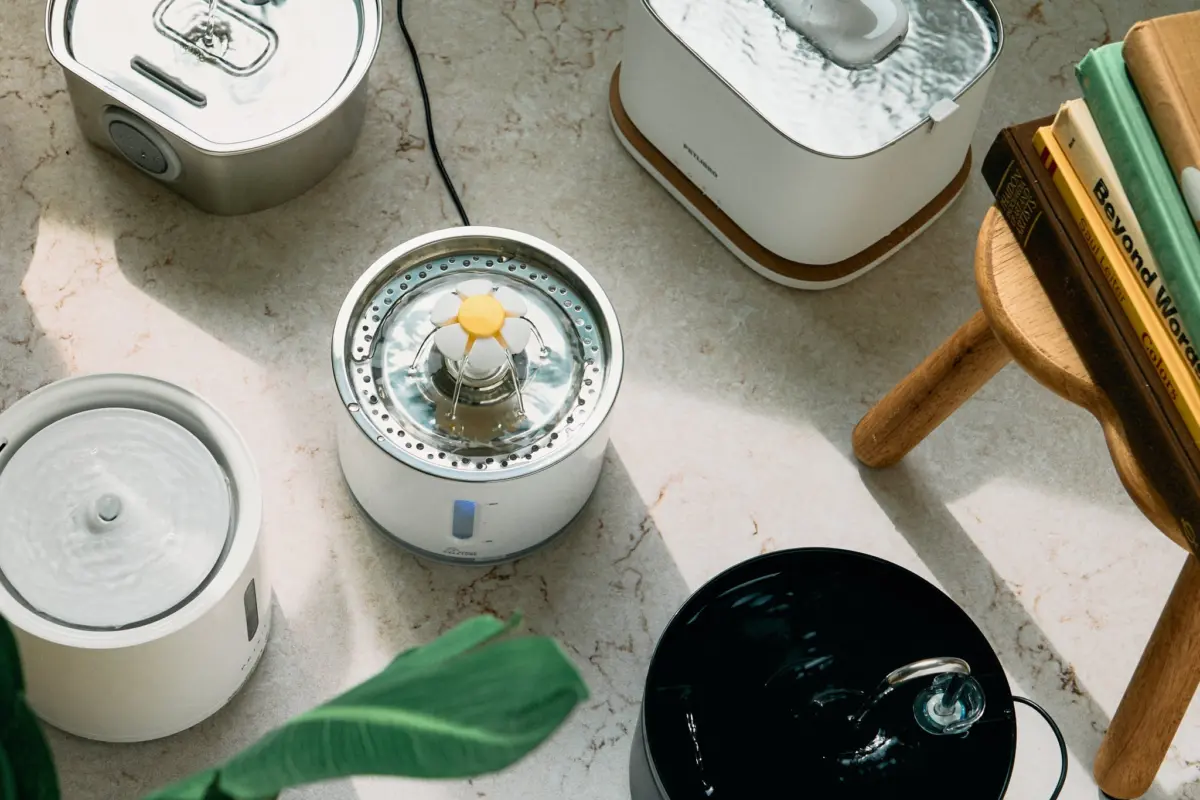
However, choosing the right water fountain is far from straightforward. With hundreds of models available online—ranging from ultra-quiet wireless units to massive multi-gallon stations for large dogs—consumers face a bewildering array of choices. To cut through the marketing noise, Wirecutter’s pet care testing team evaluated 39 different models, ultimately putting 21 top contenders through rigorous, real-world testing.
By balancing pet appeal with human usability—focusing heavily on cleaning ease, noise levels, motor reliability, and filter performance—experts have identified the absolute best pet water fountains on the market. Whether you need an ultra-silent bubbler for a discerning cat, a high-capacity station for large dogs, or a smart, app-enabled cordless fountain, this guide breaks down everything you need to know to make an informed investment.
Detailed Chronology: How the Testing and Evaluation Process Unfolded
To arrive at the definitive list of recommended pet fountains, the testing process spanned multiple weeks of continuous operation, laboratory-grade measurements, and expert consultations. The roadmap of evaluation followed a strict chronological and methodological framework:
- Initial Market Screening and Selection: Out of 39 researched models, 21 were selected based on capacity (favoring the sweet spot of 2 to 4 liters), material quality (plastic, ceramic, and stainless steel), and innovative features like wireless pumps and low-water indicators.
- The Two-Week Continuous Run Test: All 21 fountains were set up and operated continuously for 14 days. Testers topped them off with fresh water daily and conducted rigorous mid-test cleaning sessions after week one to monitor the accumulation of slime, scale, and gunk.
- Disassembly and Maintenance Audits: Testers repeatedly assembled and disassembled each unit, timing the process and looking for hidden nooks, complex corners, or frustrating parts that make weekly scrubbing a chore.
- Acoustic and Motor Stress Testing: Using decibel meters and quiet-room listening tests, the team measured sound output across various water levels. Motors were deliberately subjected to low-water stress conditions to evaluate auto-shut-off safety features and long-term durability.
- Long-Term Performance and App Verification: For smart models, testers evaluated app connectivity, data tracking accuracy, and maintenance notification systems over extended periods, ruling out units prone to leaks, pump failures, or erratic software behavior.
Supporting Context & Metrics: What Veterinary Science Says About Pet Hydration
One of the most persistent myths in the pet care community is that cats universally prefer moving water to still water. According to veterinary nutritionists, this is not a hard-and-fast rule.
Dr. Martha Cline, a veterinary nutritionist at Purina PetCare, co-authored a pivotal 2018 study investigating feline water bowl preferences. The research revealed no statistically significant difference in overall water intake or urinary parameters among cats drinking from still, circulating, or free-falling water bowls. However, Dr. Cline notes that individual preferences do exist, often shaped by early life experiences. For instance, a cat raised exclusively on still water in a standard bowl may look at a bubbling fountain at age five with complete confusion, whereas a chronically dehydrated cat might find a novel stream irresistible.
The Whisker Stress Factor
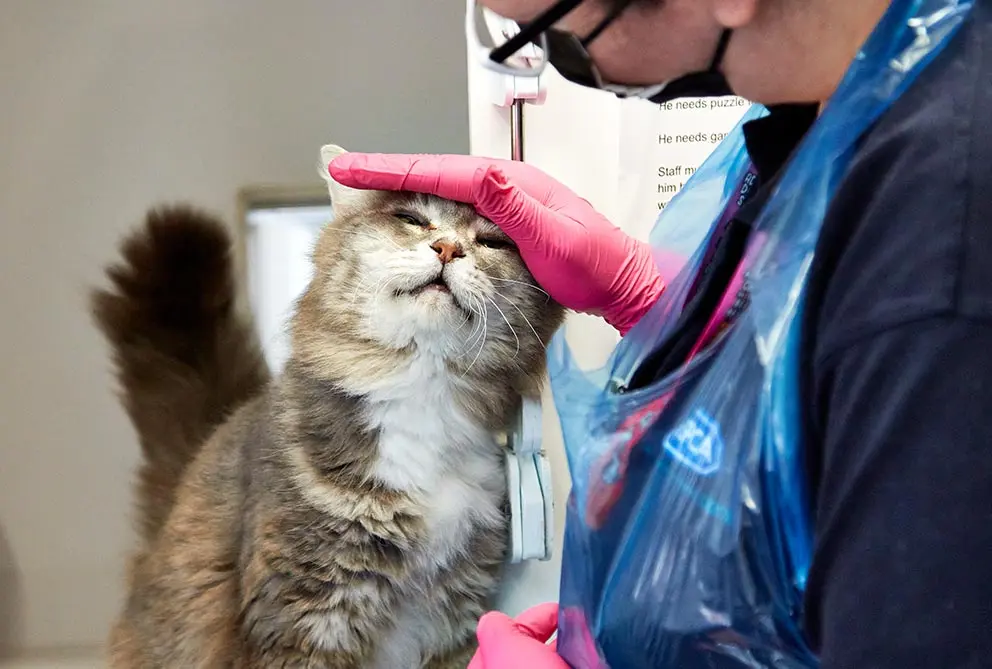
Another critical consideration for cats is ergonomics. Vets frequently warn against deep, narrow bowls that press against a cat’s sensitive facial hairs, inducing what is clinically known as whisker fatigue or whisker stress. The best fountains incorporate wide, shallow drinking dishes that protect sensitive felines from sensory overload during hydration.
Dogs and Hydration Needs
Dogs, by contrast, are notoriously less discriminating—frequently opting to drink from muddy puddles or stagnant garden bowls when desperate. However, Oklahoma State University veterinary professor Dr. Leticia Fanucchi points out that a lack of fussiness does not equal adequate hydration. High-energy pups and large breeds often require substantial water flow and large-capacity reservoirs that standard bowls simply cannot support.
Official Statements & Product Breakdowns: The Top Picks
Following exhaustive testing, the evaluation team categorized the top-performing fountains to suit specific household needs, budgets, and pet behaviors.
Top Pick: Petkit EverSweet Solo 2
- Best For: Most cats and small-to-medium dogs.
- Key Features: Wireless pump, magnetic induction charging base, 2-liter capacity, and companion app.
- Performance Insights: The EverSweet Solo 2 stands out primarily because it solves the most annoying aspect of pet fountains: dangling cords and wet electrical prongs. By placing the tank on a magnetic charging base, users can simply lift the water reservoir away to carry it to the sink. It tied for the quietest unit tested, operating at near-silence even as water levels fluctuated.
- Minor Drawbacks: It does not ship with a USB wall adapter (requiring an old phone charger), its app data collection is somewhat aggressive, and it relies strictly on a bubbler style rather than a falling spout.
Upgrade Pick: Petlibro Dockstream 2 Smart Cordless Fountain
- Best For: Owners wanting total placement flexibility and detailed health tracking.
- Key Features: Battery-operated cordless operation, dual water-flow modes (faucet or bubbler), stainless steel dish, and smart app integration.
- Performance Insights: Freeing users from the tyranny of wall outlets, the Dockstream 2 can be placed anywhere in the home without creating a chew or trip hazard. Its magnetic-rotor design makes cleaning remarkably easy, and its app provides real-time logs tracking how often and how much your pet drinks.
- Minor Drawbacks: Premium pricing makes it a significant investment. Furthermore, battery mode relies on proximity sensors that cannot distinguish between human family members and pets, draining battery life faster in high-traffic zones.
Best for Heavy Drinkers: Petlibro Capsule Dog Fountain
- Best For: Multi-pet households and large dog breeds.
- Key Features: Massive 2.1-gallon capacity, constant swirling vortex, and raised anti-splash rim.
- Performance Insights: Holding over two gallons of water, this unit drastically reduces the frequency of refills. Its elevated height is ideal for medium-to-large dogs, and the surrounding rim successfully captures splashes to keep surrounding kitchen or utility room floors dry.
- Minor Drawbacks: The immense capacity means the unit is quite heavy when full, and it lacks integrated carrying handles, making transport to the sink a two-handed chore.
Budget Picks: Value and Simplicity
For budget-conscious shoppers, several standout models deliver exceptional performance without breaking the bank:
- Giotohun Cat Water Fountain: Features a faucet-like curved metal spout and a quiet motor, though its dark plastic interior can make monitoring water cleanliness slightly more challenging.
- Casfuy PWS-154 Quiet Stainless Steel Fountain: Combines a budget-friendly price point with hygienic stainless steel drinking surfaces and a clear water-level window.
- Wonder Creature Cat Water Fountain: Offers three distinct flow modes and a dishwasher-safe stainless steel top plate, outperforming older legacy budget models like the Catit Flower Fountain in both noise suppression and ease of maintenance.
Future Outlook: The Evolution of Pet Hydration Tech
As the pet tech market matures, consumer expectations are shifting rapidly. The integration of UVC sterilization lamps, advanced filtration media, and predictive IoT health monitoring—such as smart fountains that alert owners to sudden changes in drinking frequency that might signal early-stage kidney disease or diabetes—represent the next frontier.
However, industry experts continually stress that technology cannot replace basic husbandry. No matter how advanced or expensive a pet water fountain is, weekly manual scrubbing, regular filter replacements, and daily water refreshes remain mandatory to prevent bacterial bio-films and keep pets healthy, happy, and thoroughly hydrated.