
Executive Overview
For millions of cat owners around the world, filling the food bowl is a routine act of care—a daily expression of love built upon absolute trust in the commercial pet food industry. We read ingredient labels carefully, seeking high-protein formulas, grain-free options, or veterinary-recommended recipes, assuming that what we purchase is pure, safe, and wholesome. However, a sweeping new investigation by the nonprofit Clean Label Project has cast a troubling light on what might be hiding quietly alongside those carefully chosen ingredients.
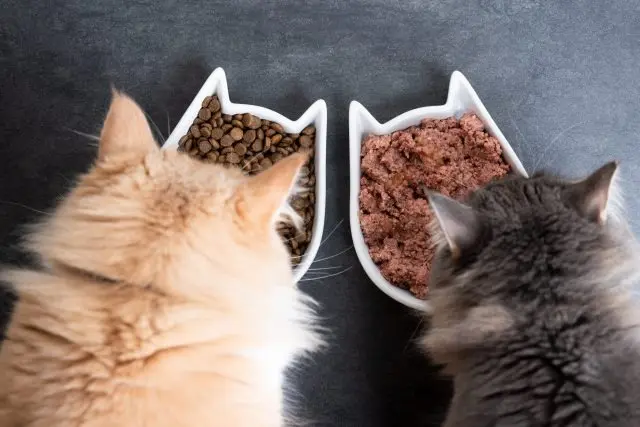
Testing 100 top-selling commercial cat foods spanning 62 distinct brands, researchers screened for more than 122 individual contaminants. The results revealed the widespread presence of heavy metals, plastic-related chemicals, and agricultural herbicides across all major food formats—including wet, dry, air-dried, and freeze-dried products. While the investigation did not establish that any individual product will cause immediate illness or acute poisoning, the findings have reignited critical conversations regarding the cumulative impact of lifelong, repeated exposure.
Unlike humans, who typically enjoy diverse diets containing various ingredients sourced from around the globe, many domestic cats eat the exact same food, day in and day out, for years or even a lifetime. This dietary monotony transforms trace contaminants from occasional anomalies into a recurring, cumulative source of exposure. As pet advocates, veterinarians, and manufacturers grapple with the implications of these findings, pet parents are left questioning the safety protocols governing the food bowl and demanding greater transparency from an industry built on trust.
Detailed Chronology of the Investigation
The path to uncovering these findings began with a systematic, large-scale market analysis designed to evaluate the purity of commercial pet nutrition. The Clean Label Project, an organization dedicated to bringing truth and transparency to consumer product labeling, initiated the testing regimen to look beyond standard guaranteed analysis metrics—such as crude protein, fat, and fiber—and examine the unseen chemical profile of everyday cat food.
Phase One: Sample Acquisition and Laboratory Screening
During the initial phase of the investigation, researchers procured 100 of the top-selling cat food products from 62 popular brands. These products were chosen to represent an accurate cross-section of what American consumers purchase, encompassing a wide array of formats (canned wet food, kibble, pouches, air-dried nuggets, and freeze-dried raw meals) and primary protein sources (poultry, beef, fish, and novel proteins).
The samples were sent to accredited analytical laboratories to be screened for more than 122 unique contaminants. The testing panel was exceptionally broad, targeting:
- Heavy Metals: Lead, arsenic, cadmium, and mercury.
- Agricultural Chemicals: Pesticides and herbicides, most notably glyphosate.
- Industrial Compounds: Phthalates, including DEHP, and other plastic-related polymers commonly found in manufacturing environments and food contact materials.
Phase Two: Data Analysis and Pattern Recognition
Once the laboratory data was compiled, researchers analyzed the concentration levels across different food categories. The goal was not merely to flag individual brands, but to identify broader systemic patterns related to how cat food is manufactured, packaged, and sourced.
The analysis revealed that contamination was not isolated to a few fringe products; rather, it was ubiquitous across the industry. For instance, lead was detected in 99 percent of the tested samples, cadmium in 96 percent, and arsenic in 94 percent.
However, the researchers quickly emphasized a vital scientific distinction: detecting a substance in parts per billion (ppb) or parts per million (ppm) does not automatically equate to a toxic threshold or immediate clinical danger. Heavy metals, for example, are naturally occurring elements found in the earth’s crust, meaning trace amounts can enter the food chain simply via the soil, air, and water used to grow crops and raise livestock.
Phase Three: Industry Notification and Public Release
Following the completion of the laboratory analysis, the findings were compiled into a comprehensive report and shared with media outlets, highlighting the complex realities of pet food supply chains. Rather than triggering a mass recall—which is legally reserved for products that present an immediate, acute health hazard—the investigation served as a wake-up call for consumers and a catalyst for broader industry discourse regarding manufacturing hygiene, ingredient sourcing, and lifetime exposure thresholds.
Supporting Context & Metrics: Unpacking the Data
To truly understand the implications of the Clean Label Project’s investigation, one must look closely at the specific metrics and patterns discovered during laboratory testing. The data illustrates that contamination levels are heavily influenced by two primary factors: the physical format of the food and the choice of protein or plant ingredients.
Food Format and Contamination Patterns
The physical structure and processing methods of cat food play a substantial role in its chemical profile. For example, dry kibble exhibited distinct characteristics compared to wet or dehydrated alternatives. According to the investigation, dry cat food contained roughly three times as much lead on average as wet, air-dried, or freeze-dried products.
Conversely, wet foods packaged in cans and pouches presented different vulnerabilities. Researchers detected DEHP—a phthalate frequently used to make plastics more flexible and commonly associated with food contact materials and industrial processing equipment—in about half of all tested products, with the highest concentrations appearing squarely in canned and pouch varieties. Ryan Babadi, science director at the nonprofit Toxic Free Future (who was independent of the study), noted that such contamination often occurs during manufacturing through direct contact with PVC tubing, conveyor belts, or other industrial processing machinery.
The Seafood Dilemma: Mercury and Cadmium
Perhaps the most pronounced statistical variance appeared in fish- and seafood-based cat foods. These products stood out dramatically in terms of heavy metal accumulation:
- Mercury Levels: Fish- and seafood-based foods contained approximately 18 times higher mercury levels overall compared to products utilizing other proteins. Among wet foods specifically, seafood varieties contained nearly 28 times as much mercury as poultry-based wet foods.
- Cadmium Levels: Seafood formulas also averaged about 2.5 times higher cadmium levels than non-seafood recipes.
This disparity is largely attributed to bioaccumulation within aquatic ecosystems. As predatory fish consume smaller organisms over time, heavy metals like mercury concentrate in their tissues. However, the Clean Label Project’s executive director, Molly Hamilton, was careful to note that not all fish-based foods are created equal. Contamination varied widely among manufacturers, and several fish-based recipes successfully met the organization’s stringent purity certification standards.
The Poultry Paradox
Poultry-based cat foods presented a more encouraging picture in some areas, but introduced complexities of their own. Nearly 85 percent of poultry-based foods met the Clean Label Project’s purity standards, compared to just 25.7 percent of fish and seafood products.
Yet, poultry products occasionally showed elevated levels of lead and agricultural herbicides. This demonstrates that simply swapping one animal protein for another does not completely eliminate the risk of chemical exposure, as agricultural inputs permeate the entire agricultural feed supply.
Plant Ingredients and Glyphosate
Many modern cat foods—particularly grain-free, indoor, or specialized weight-management formulas—incorporate fruits, vegetables, lentils, peas, and grains to provide fiber, antioxidants, and structural integrity to kibble. Unfortunately, these plant-based ingredients introduce new vectors for chemical contamination.
Glyphosate, one of the most widely used herbicides in global agriculture, was detected in 37 percent of all tested products. The presence of glyphosate correlated directly with the density of plant ingredients in the recipe:
- Foods containing two plant ingredients among their top 10 listed ingredients contained about 40 percent more glyphosate on average than comparable foods with only one plant ingredient.
- Products featuring five or more plant ingredients among their top 10 ingredients contained nearly four times as much glyphosate.
The International Agency for Research on Cancer (IARC) has classified glyphosate as "probably carcinogenic to humans," though regulatory bodies like the U.S. Environmental Protection Agency (EPA) have maintained different conclusions regarding its specific cancer risk profile at low exposure levels. Nevertheless, its presence in feline diets highlights the unintended consequences of modern industrial farming practices making their way into the pet food aisle.
Official Statements and Industry Perspectives
The release of the Clean Label Project’s findings has prompted robust dialogue across the pet care sector, drawing formal responses from manufacturing coalitions, independent scientists, and consumer advocates alike.
The Pet Food Institute’s Position
Representing the major commercial pet food manufacturers in the United States, the Pet Food Institute (PFI) issued a strong defense of existing industry standards. In a statement to media outlets, the organization emphasized that commercial pet food producers already operate under rigorous food safety management systems designed to ensure nutritional adequacy and safety.
According to the PFI, these established protocols include:
- Strict ingredient specifications and comprehensive supplier verification programs.
- Advanced analytical testing protocols deployed at various stages of production.
- Robust traceability systems that track ingredients from farm to finished package.
- Preventive controls mandated by regulatory frameworks to maintain consistent, safe, and nutritious products.
The PFI urged cat owners to maintain confidence in commercial diets, noting that they are produced in accordance with established regulatory guidelines established by organizations such as the Association of American Feed Control Officials (AAFCO) and the U.S. Food and Drug Administration (FDA).
Consumer Advocacy and Independent Scientific Viewpoints
While trade associations emphasize regulatory compliance, independent public health and safety advocates argue that existing standards do not go far enough to account for the unique physiology and lifelong habits of domestic cats.
Public health experts point out that regulatory thresholds for heavy metals and chemical residues are frequently calculated based on acute toxicity in larger animals or generalized livestock feeding trials, rather than the chronic, low-dose, lifelong exposure experienced by a house cat eating the exact same brand of processed kibble every single day for fifteen years.
Furthermore, toxicologists stress that while individual contaminants may fall well below legally permitted maximum limits, the cocktail effect—the simultaneous, chronic exposure to multiple heavy metals, phthalates, and herbicides interacting within a small feline body—remains an under-researched area of veterinary medicine.
Future Outlook: Navigating Pet Nutrition Responsibly
The Clean Label Project’s investigation is neither a reason for panic nor something to be casually dismissed. Instead, it serves as a valuable catalyst for a mature conversation about pet food transparency, quality control, and feline health management.
Understanding the Limitations of the Data
To maintain proper perspective, pet owners must acknowledge the inherent limitations of the study:
- Single-Batch Testing: Researchers tested only one single production batch for each of the 100 products. Consequently, the study cannot determine whether these contamination levels remain consistent across different production runs, seasonal crop harvests, or manufacturing facilities.
- Absence of Clinical Correlation: The investigation measured the presence of contaminants; it did not establish a causal link proving that any specific product causes clinical disease or toxicity in cats.
- Labels Fall Short: More than one-third of the tested foods demonstrated that the primary listed ingredient did not reliably predict which contaminant would appear at the highest level. Furthermore, ingredient descriptions (e.g., "salmon") rarely disclose which specific tissues or anatomical parts of the animal were used, despite different tissues accumulating environmental toxins at vastly different rates.
Actionable Guidance for Cat Owners
Armed with this new perspective, cat owners can take proactive, sensible steps to minimize potential risks without compromising their cat’s vital nutritional needs:
- Embrace Dietary Variety (With Veterinary Guidance): Because lifelong monotony increases cumulative exposure to any single contaminant source, consider rotating protein sources or blending complementary, high-quality brands over time. Always consult your veterinarian before making sudden dietary shifts, especially if your cat has specialized health needs or gastrointestinal sensitivities.
- Prioritize Manufacturing Transparency: Reach out directly to pet food manufacturers. Ask hard questions about their quality assurance practices: Do they routinely test finished products for heavy metals, pesticides, and plastic-related chemicals? Are third-party purity certificates available for public review?
- Focus on Overall Health: Maintain routine wellness exams, routine bloodwork, and dental check-ups with your veterinarian. A cat thriving on a commercially balanced diet should not be abruptly switched to unverified or unbalanced homemade diets out of fear, as nutritional deficiencies pose immediate, severe health threats far more dangerous than trace chemical exposures.
The Path Forward for the Pet Food Industry
Ultimately, the findings underscore an urgent need for heightened accountability, modernized regulatory oversight, and greater supply-chain transparency throughout the multi-billion-dollar pet food industry. Cats depend entirely upon their human caregivers to curate what enters their bowls. By demanding cleaner ingredient sourcing, minimizing industrial packaging contamination, and embracing rigorous third-party testing, the pet food industry can restore complete peace of mind to the millions of dedicated owners who simply want the very best, safest lives for their feline companions.