
Executive Overview
Long before a service dog puts on a harness, learns advanced directional commands, or guides a handler through a bustling city intersection, an invisible foundation is being laid. In the canine world, the adage "it starts from day one" is not just a poetic sentiment—it is a neurobiological reality. The formative first 90 days of a puppy’s life represent a critical developmental window that dictates emotional resilience, cognitive adaptability, and the capacity to trust.
For organizations dedicated to breeding and training assistance dogs, such as Dogs Inc, these initial three months are treated with scientific precision and profound emotional investment. Volunteer puppy raisers, sitters, and area coordinators act as the architects of a puppy’s future, intentionally exposing young dogs to novel environments, sounds, textures, and social structures.
This comprehensive report examines the developmental milestones of the first 90 days, the specialized protocols used to raise future guide and service dogs, the indispensable role of community volunteers, and the lasting lessons these early interventions offer to all dog owners.
Detailed Chronology: The First 90 Days of Canine Development
The trajectory of a service dog’s life is marked by distinct developmental phases. Understanding these stages illuminates why early interventions yield such profound long-term results.
Days 1 to 30: The Neonatal and Transitional Periods
In the earliest weeks of life, a puppy’s world is dominated by warmth, sleep, and nourishment. Born blind and deaf, neonates rely entirely on tactile and olfactory cues to navigate their immediate surroundings. However, brain development is already occurring at an astonishing rate.
- Neuro-Sensory Stimulation: Even in these initial weeks, gentle handling and early neurological stimulation exercises help prime the puppy’s cardiovascular and immune systems.
- Littermate Dynamics: As eyes and ears open around the second and third weeks, puppies begin interacting with their littermates. This initial socialization teaches bite inhibition, canine communication signals, and basic social boundaries.
- Maternal Influence: The mother dog provides emotional stability and security, modeling calm behavior and establishing the earliest parameters of structured daily life.
Days 31 to 60: The Dawn of Curiosity and Socialization
Around the fourth and fifth weeks, puppies enter a period of rapid sensory awakening. Their curiosity explodes, and they begin actively exploring their environment rather than simply reacting to it.
- Weaning and Independence: Puppies transition from mother’s milk to solid food, a process that introduces structural routines around feeding times.
- Environmental Exploration: Safe exposure to varying floor textures (carpet, tile, grass, metal grates) and novel household noises (vacuum cleaners, kitchen appliances, dropping utensils) prevents the development of noise phobias later in life.
- Human Imprinting: Intentional, positive interactions with human handlers build an innate trust and a desire for human cooperation—a non-negotiable trait for future service animals.
Days 61 to 90: The Critical Socialization Window
Widely recognized by animal behaviorists as the primary socialization window, days 61 through 90 represent the most impressionable phase of a dog’s life. During this period, the brain is uniquely wired to absorb information and categorize experiences as either safe or threatening.
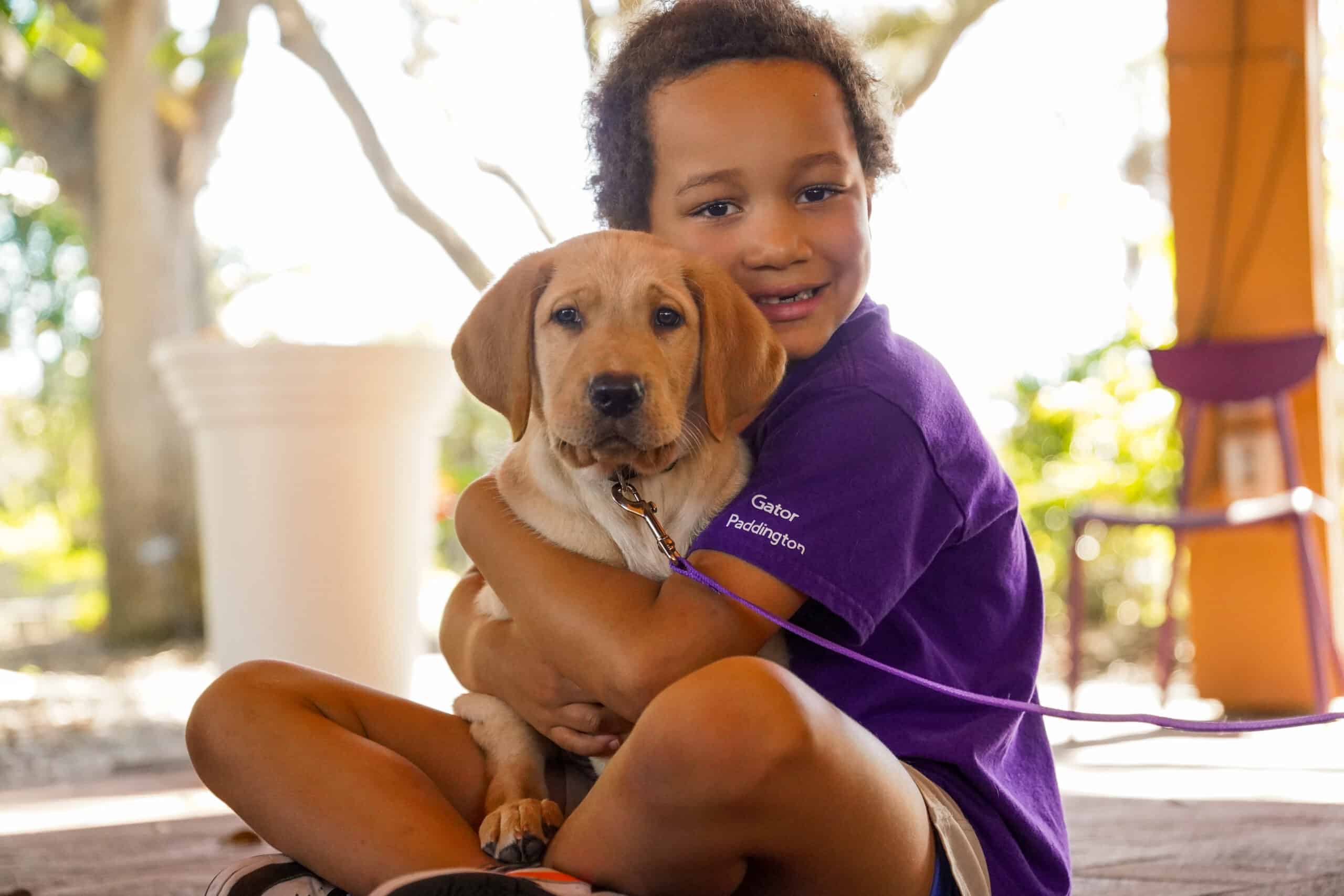
- Expanding Horizons: This is when puppies are traditionally placed with their volunteer puppy raisers. Their world broadens from the whelpening pen to family living rooms, sidewalks, parks, and veterinary clinics.
- Novelty Management: Every new face, strange outfit, passing bicycle, and urban soundscape acts as a building block for emotional resilience. The objective is not to overwhelm the puppy, but to curate controlled, positive exposures that teach the dog how to recover quickly from surprise.
- Foundational Structure: Introduction to crate training, basic house manners, leash walking, and predictable daily routines establishes the scaffolding for advanced obedience training down the road.
Supporting Context & Metrics: The Science of Canine Resilience
The emphasis on the first 90 days is rooted in decades of behavioral science. Canines that experience structured, positive socialization during their early weeks demonstrate quantifiable advantages over those raised in isolation or impoverished environments.

The Neurobiology of Early Learning
During the critical socialization period, neuroplasticity is at its peak. The brain forms synapses at a staggering rate in response to environmental stimuli.
- The Amygdala and Stress Response: Controlled exposure to stressors—followed by immediate comfort and positive reinforcement—trains the amygdala (the brain’s emotional processing center) to regulate fear responses more effectively.
- Problem-Solving Capabilities: Puppies that frequently encounter novel puzzles, obstacles, and environmental shifts develop superior problem-solving skills and higher emotional stability as adult dogs.
Service Dog Criteria vs. Pet Expectations
While a domestic pet benefits immensely from early socialization, a future guide or service dog is held to a vastly different standard.
- Distraction-Proofing: A service dog must remain calm and task-oriented amidst chaotic environments—crowded shopping malls, sirens, dropping objects, and dense foot traffic.
- Task Focus Over Impulse: The early months are designed to temper a puppy’s natural impulsivity. Through consistent routines involving food, exercise, rest, and structured play, puppies learn to self-regulate.
- Emotional Equilibrium: Rather than aiming for premature perfection, organizations like Dogs Inc focus on fostering emotional balance. A resilient puppy can process an unexpected startle, shake it off, and return to a neutral, focused state within seconds.
Official Statements and Community Perspectives
The success of early puppy development programs relies heavily on a robust ecosystem of volunteers, coordinators, and professional trainers.
The Volunteer Experience: Hard Work Meets Deep Rewards
Raising a future service dog is a monumental commitment. Volunteer puppy raisers invite disruption into their daily lives, balancing endless socialization outings, house-training mishaps, and obedience practice with their personal schedules. Yet, the community narrative surrounding the role is overwhelmingly positive.
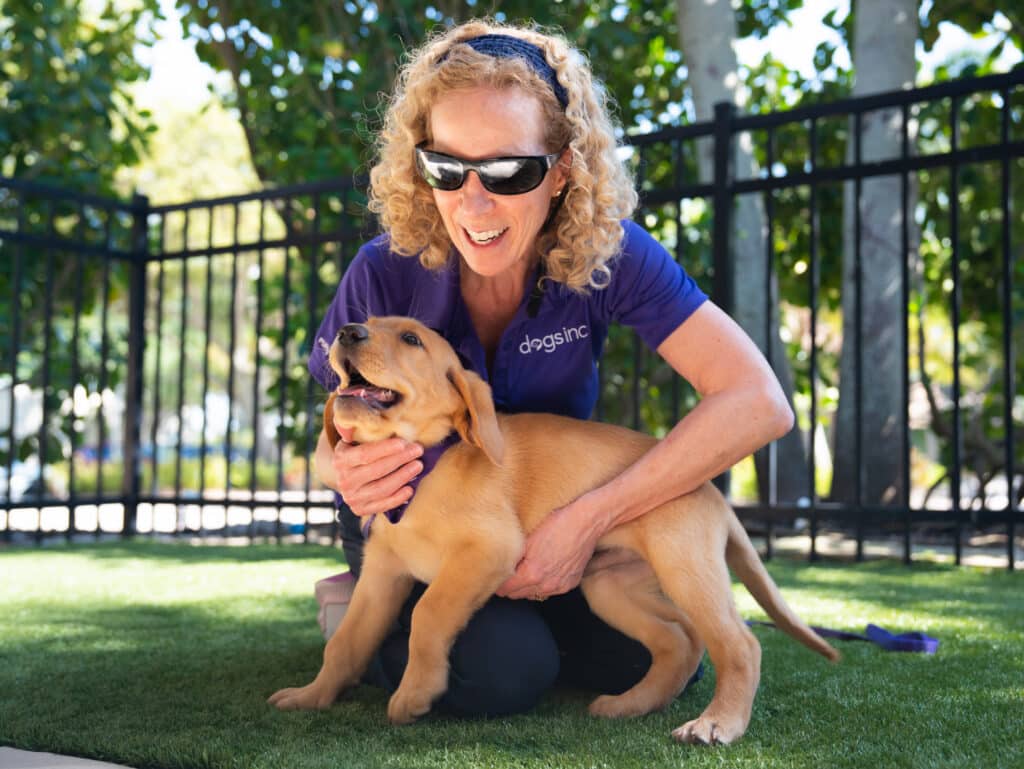
"Puppy raising is a masterclass in patience, presence, and perspective," notes a veteran volunteer coordinator. "You are not just teaching a dog how to sit or walk nicely on a leash; you are teaching them that the world is a fascinating, safe place where they can navigate any challenge alongside their human partner."
A Collaborative Ecosystem
The journey of a Dogs Inc puppy is never a solo endeavor. It relies on a tightly knit community framework:
- Puppy Raisers: Provide the daily home environment, baseline manners, and initial public access socialization.
- Puppy Sitters: Step in to care for the puppies when raisers travel or need temporary relief, ensuring consistency in training is maintained without interruption.
- Area Coordinators and Professional Staff: Offer ongoing guidance, evaluate developmental milestones, and provide troubleshooting support for behavioral questions.
This collaborative network ensures that every puppy receives multi-faceted exposure to different home layouts, diverse family dynamics, and varying community paces, preventing the dog from becoming overly reliant on a single handler too early in life.
Future Outlook: Lessons for Every Dog Owner and the Path Ahead
As the field of assistance dog training continues to evolve, the insights gleaned from early puppy development programs offer invaluable takeaways for the broader pet-owning public.
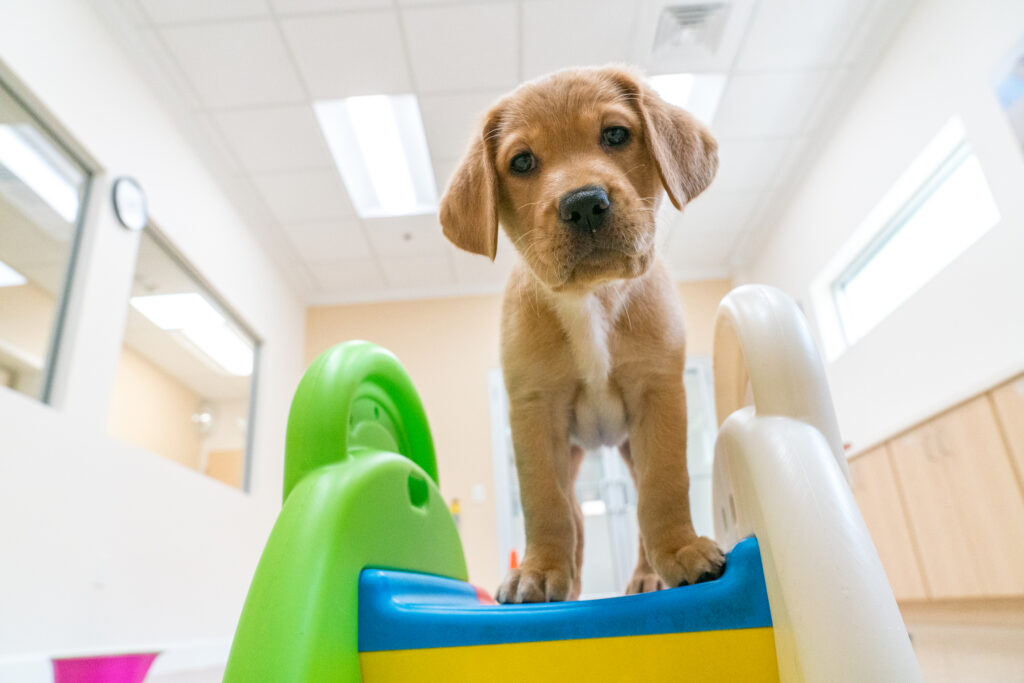
What Future Owners Can Learn from Service Dog Raisers
- Patience Over Punitive Measures: Service dog puppy raising proves that lasting behavioral change is achieved through positive reinforcement, consistency, and structural predictability, not harsh corrections.
- The Power of Proactive Socialization: Waiting until a dog is six months old to introduce them to the world is a missed opportunity. Early, gentle introductions to diverse people, sounds, and surfaces inoculate dogs against lifelong anxieties.
- The Value of Routine: Dogs thrive in environments where expectations are clear. Predictable transitions between active play, mental stimulation, and enforced rest (such as crate training) create balanced, calm companions.
Looking Ahead: Transforming Lives One Experience at a Time
The first 90 days are merely the opening chapter of a much larger story. The emotional foundation built by volunteer raisers and community supporters during this window ultimately empowers these dogs to become life-changing partners for individuals with visual impairments or mobility disabilities.
For those inspired by the journey of these remarkable animals, opportunities abound. Whether by becoming a volunteer puppy raiser, supporting a specialized breeding and training program, or simply following the progress of the next generation of pups, the public plays an active role in this mission.
To learn more about how Dogs Inc transforms curious puppies into confident heroes—or to discover how you can get involved in their life-changing puppy raising programs—visit their official channels to explore the journey firsthand.