
Executive Overview: The Disconnect Between Package Art and Product Content
Walk down the pet food aisle of any supermarket or specialty retailer, and you will be met with imagery designed to mirror a gourmet human dining experience. Packaging displays succulent, flame-grilled chicken breasts, marble-cut beef steaks, wild-caught salmon fillets, and farm-fresh whole vegetables. To the average consumer, these visual representations serve as a direct proxy for product quality, promising that the contents inside the bag or can match the premium ingredients depicted on the outside.
However, an investigation into the intersection of pet food manufacturing practices and state commercial feed laws reveals a stark divergence between marketing imagery and actual composition. In many instances, the primary protein sources inside these packages consist not of prime cuts of meat, but of mechanically separated tissue, rendered by-product meals, or secondary offal.
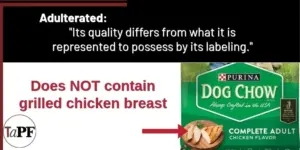
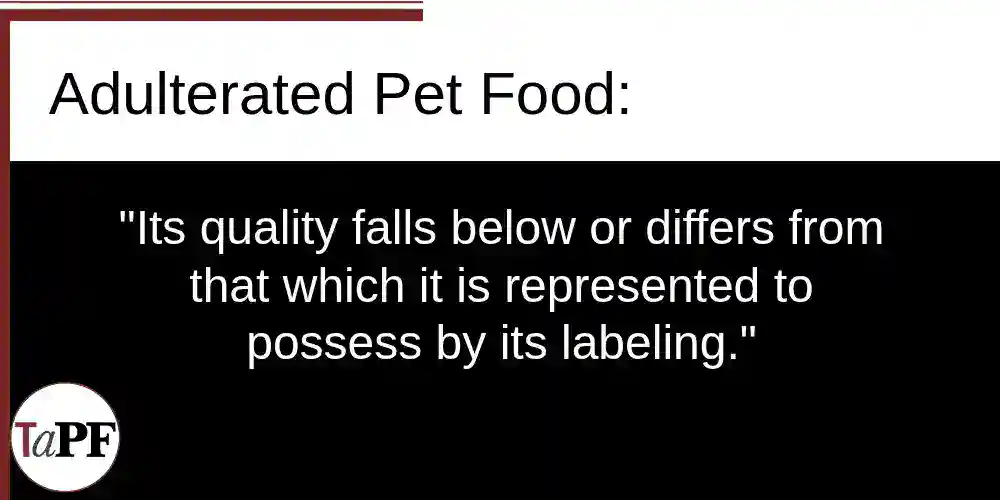
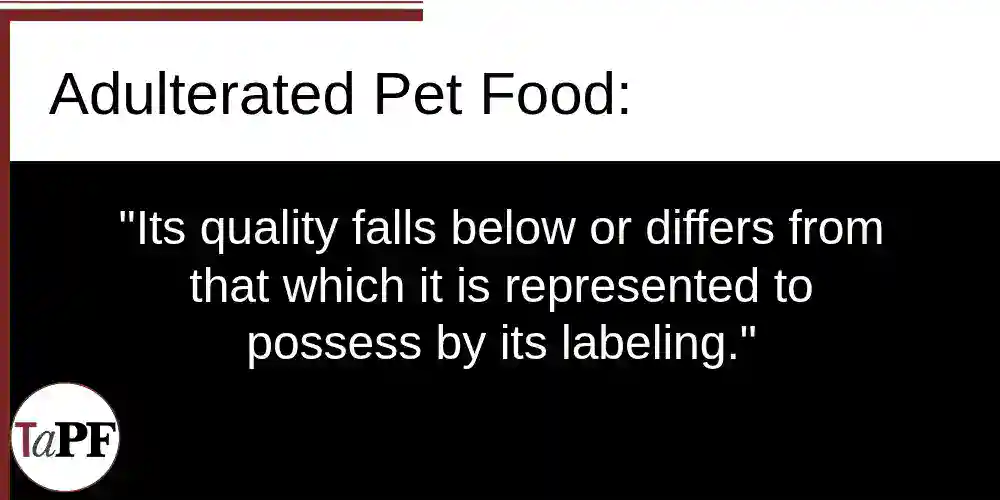
While manufacturers routinely dismiss these discrepancies as standard marketing or "puffery," existing state statutes across the United States explicitly prohibit such practices. Under commercial feed codes enacted in states ranging from California to Florida, pet food is legally classified as a commercial feed. Under these laws, substituting a lower-quality substance for a "valuable constituent" depicted on product labeling or associated marketing materials constitutes statutory adulteration.
The fundamental issue facing the pet food industry is not a lack of protective legislation, but rather a profound enforcement vacuum. Because regulatory bodies rarely initiate administrative actions against visual misrepresentation without formal public grievances, pet food brands continue to operate with near-total impunity. Consumer advocates argue that closing this regulatory gap requires a coordinated, grassroots campaign: pet owners taking five minutes to challenge manufacturers, document evasive responses, and report statutory violations directly to State Departments of Agriculture and elected representatives.
Detailed Chronology: The Evolution of Commercial Feed Oversight and Enforcement Laxity
To understand how the current oversight breakdown occurred, one must trace the historical development of pet food regulation in the United States, which evolved out of agricultural livestock management rather than human food safety frameworks.
+-----------------------------------------------------------------------------------+
| HISTORICAL TIMELINE OF PET FOOD REGULATION & ENFORCEMENT GAP                      |
+-----------------------------------------------------------------------------------+
| 1909: Formation of AAFCO                                                          |
|       State feed control officials organize to standardize livestock feed laws.    |
|       Pet food is categorized under generic "commercial feed."                    |
+-----------------------------------------------------------------------------------+
| 1950s–1970s: Industrial Expansion & Post-War Processing                           |
|       Extrusion technology popularized; pet food transitions from canned meats    |
|       to ultra-processed kibble utilizing agricultural rendered by-products.      |
+-----------------------------------------------------------------------------------+
| 2007: The Melamine Contamination Crisis                                           |
|       Widespread pet deaths from adulterated foreign proteins trigger pass-       |
|       age of the FDA Food Safety Modernization Act (FSMA) in 2011.                |
+-----------------------------------------------------------------------------------+
| 2010s–Present: Premiumization vs. Regulatory Inaction                             |
|       Brands adopt "human-grade" packaging art. State regulators focus on path-  |
|       ogens (Salmonella) while failing to enforce mislabeling statutes.           |
+-----------------------------------------------------------------------------------+
The Early Framework (1909–1950s)
State commercial feed laws were originally established at the turn of the 20th century to protect farmers from purchasing adulterated livestock feed. The Association of American Feed Control Officials (AAFCO) was formed in 1909 to promote uniform standards. When commercial pet food exploded in popularity following World War II, state legislatures simply subsumed pet food under pre-existing commercial feed statutes rather than drafting dedicated consumer protection regimes for domestic companion animals.
The Modern Industrial Era (1970s–2006)
As multi-national food conglomerates acquired pet food brands, manufacturing processes relied heavily on industrial extrusion and rendering. Prime cuts were diverted to human food supply chains, while high-temperature, high-pressure processed meal, bone broth, and mechanically separated meats became standard pet food components. To maintain high sales margins, marketing budgets pivoted toward visual storytelling, utilizing human-grade culinary imagery to bridge the gap between actual ingredient quality and consumer expectations.
The Post-2007 Crisis and Structural Enforcement Shift
The catastrophic 2007 pet food recalls—wherein industrial chemical melamine was added to wheat gluten to artificially boost protein readings—highlighted severe structural vulnerabilities in supply chains. Congress responded with the Food Safety Modernization Act (FSMA) of 2011, shifting federal focus toward microbial contamination and preventive controls.
However, this shift inadvertently created a secondary oversight vacuum. While federal authorities concentrated on broad safety threats like Salmonella, individual state feed control officials neglected statutory provisions governing product misrepresentation and economic adulteration. As a result, commercial feed laws intended to punish false labeling fell into disuse.
Supporting Context & Metrics: The Statutory Mechanics of Adulteration
While federal guidance regarding pet food imagery remains vague, state-level commercial feed statutes contain clear language regarding economic adulteration and false representation. In state administrative law, a pet food’s "label" extends beyond the physical container to encompass official websites, digital advertising, and promotional collateral.
Analysis of State Commercial Feed Statutes
A cross-jurisdictional examination reveals remarkable statutory consistency across state lines regarding product misrepresentation:
+-----------------------------------------------------------------------------------+
| JURISDICTIONAL MATRIX OF STATE ADULTERATION LAWS                                  |
+-----------------------------------------------------------------------------------+
| State        | Governing Code        | Key Statutory Language                     |
+--------------+-----------------------+--------------------------------------------+
| Arizona      | A.R.S. § 3-2611       | Deemed adulterated if "any valuable       |
|              |                       | constituent has been in whole or part      |
|              |                       | omitted... or less valuable substance      |
|              |                       | substituted."                              |
+--------------+-----------------------+--------------------------------------------+
| California   | FAC § 15041           | Deemed adulterated if composition          |
|              |                       | "differs from, or quality falls below,     |
|              |                       | that which it is purported or represented."|
+--------------+-----------------------+--------------------------------------------+
| Pennsylvania | 3 Pa.C.S. § 5106      | Deemed adulterated if quality "falls below |
|              |                       | or differs from that which it is           |
|              |                       | represented to possess."                   |
+--------------+-----------------------+--------------------------------------------+
| Florida      | F.S. § 580.071        | Prohibits distribution if "any less        |
|              |                       | valuable substance has been substituted."  |
+--------------+-----------------------+--------------------------------------------+
1. Arizona Revised Statutes (A.R.S. § 3-2611)
Arizona law clearly defines the parameters of commercial feed adulteration. Under A.R.S. § 3-2611, a product is legally adulterated if:
"6. Any valuable constituent has been in whole or in part omitted or abstracted or any less valuable substance substituted."
"7. Its composition or quality falls below or differs from that which it is purported or is represented to possess by its labeling."
2. California Food and Agricultural Code (FAC § 15041)
California enforces identical statutory standards under Section 15041 of its Food and Agricultural Code, stating that feed is adulterated:
"(b) If any valuable constituent has been in whole or in part omitted or abstracted therefrom or any less valuable substance substituted therefor."
"(c) Its composition differs from, or quality falls below, that which it is purported or is represented to possess by its labeling."
3. Pennsylvania Commercial Feed Act (3 Pa.C.S. § 5106)
Pennsylvania’s statute explicitly bars market distribution of mislabeled agricultural feeds, ruling under Section 5106(7–8) that adulteration occurs whenever a less valuable constituent replaces a superior ingredient represented in promotional text or graphics.

4. Florida Statutes (F.S. § 580.071)
Florida echoes these restrictions, dictating that no commercial distributor may sell feed whose internal composition falls below or materially differs from the claims, illustrations, or guarantees presented on its exterior packaging.
Deconstructing "Valuable Constituents" vs. Rendered Substitutes
To appreciate the legal gravity of these statutes, one must examine how terms like "valuable constituent" and "less valuable substance" apply in practice:
                  VISUAL & MARKETING REPRESENTATION
      [ Packaging Image: Grilled Whole Chicken Breast / T-Bone Steak ]
                                  │
                                  ▼
                     STATUTORY LEGAL THRESHOLD
         (Must contain the specific constituent depicted)
                                  │
                 ┌────────────────┴────────────────┐
                 ▼                                 ▼
      ACTUAL INGREDIENT IN BAG          LEGAL ADJUDICATION
  [ Mechanically Separated Meat / ] ──► [ STATUTORY ADULTERATION ]
[ Rendered By-Product Meal ] (Violation of State Feed Laws)- The Visual Representation: A package features a high-definition photograph of a grilled whole chicken breast or thick T-bone steak. Under statutory interpretation, the visual image constitutes an explicit representation that prime, muscle-meat chicken breast or cut steak is a constituent of the product.
- The Formulation Reality: The actual formulation utilizes mechanically separated chicken paste, rendered poultry by-product meal, or chemically recovered animal fractions.
- The Legal Implication: Because mechanically separated paste or rendered meal is economically and nutritionally lower in market value than intact muscle meat, replacing the depicted muscle meat with recovered fractions meets the statutory definition of substituting a "less valuable substance." Consequently, the product is legally adulterated under state law.
Official Statements & Industry Positions
The conflict between state regulatory mandates and actual retail enforcement has drawn distinct line items between consumer advocacy groups, state regulatory agencies, and pet food manufacturing representatives.
The Consumer Advocacy Stance
Susan Thixton, a prominent pet food consumer advocate and founder of TruthaboutPetFood.com and the Association for Truth in Pet Food (ATPF), argues that regulatory inaction is the root cause of widespread consumer deception.
"Pet food laws in most states directly require pet food manufacturers to have truthful labels—laws designed to prevent misleading words and images on the package," says Thixton. "Why haven’t these laws been enforced? In part because pet owners have not complained to state regulatory authorities or their elected officials. If pet food consumers work together and report law violations to state regulatory authorities, agencies will have no choice but to enforce the statutes as written."
Thixton highlights that consumer non-action reinforces corporate non-compliance. When regulatory bodies receive zero formal complaints regarding ingredient substitution, they allocate operational resources toward other programs, effectively treating label misrepresentation as an unpunished offense.
+-----------------------------------------------------------------------------------+
| STAKEHOLDER PERSPECTIVE SUMMARY                                                   |
+-----------------------------------------------------------------------------------+
| Stakeholder Group           | Primary Position / Core Argument                    |
+-----------------------------+-----------------------------------------------------+
| Consumer Advocates (ATPF)   | State laws strictly prohibit visual misrepresenta-  |
|                             | tion. Regulators must enforce adulteration clauses.  |
+-----------------------------+-----------------------------------------------------+
| Pet Food Manufacturers      | Imagery represents flavor profiles or general source|
|                             | categories; protected under commercial "puffery."   |
+-----------------------------+-----------------------------------------------------+
| State Feed Officials        | Limited resources force prioritization of pathogen  |
| (Departments of Agric.)     | control over visual/labeling compliance issues.     |
+-----------------------------+-----------------------------------------------------+
The Industry Counter-Argument
While commercial pet food manufacturers rarely issue formal public statements defending specific ingredient discrepancies, legal representatives for the industry typically maintain that packaging graphics represent "flavor categories" or "serving suggestions" rather than exact ingredient formulations. Industry legal teams argue that:
- Product imagery qualifies as non-actionable commercial "puffery"—artistic exaggeration that reasonable consumers should not take literally.
- The ingredient deck printed on the back panel (e.g., "chicken meal," "poultry by-products") provides the legally required disclosure, neutralizing any potential confusion generated by front-of-pack visuals.
Advocates counter this defense by pointing out that statutory language in states like California, Florida, Arizona, and Pennsylvania contains no exemptions for "puffery." The statutes focus entirely on whether the overall labeling and associated marketing represent a quality level that the actual contents fail to deliver.

Future Outlook: A Five-Minute Blueprint for Grassroots Enforcement
Resolving systemic mislabeling in the pet food industry requires transitioning from passive consumer frustration to direct, documented administrative intervention. Advocates outline a structured process that individual consumers can execute in under five minutes to force regulatory oversight.
+-----------------------------------------------------------------------------------+
| FIVE-MINUTE CONSUMER ACTION PROTOCOL                                              |
+-----------------------------------------------------------------------------------+
| STEP 1: AUDIT & DOCUMENTATION                                                     |
| Identify pet food packaging/website featuring prime ingredient imagery            |
| (e.g., grilled steak, intact chicken breast). Save high-res photos.              |
+-----------------------------------------------------------------------------------+
| STEP 2: FORMAL MANUFACTURER INQUIRY                                               |
| Email manufacturer: "Does this product contain the exact cut/quality of meat      |
| displayed on the label imagery?" Record response or failure to respond.           |
+-----------------------------------------------------------------------------------+
| STEP 3: SUBMIT STATE ADULTERATION COMPLAINT                                       |
| File formal complaint with State Dept. of Agriculture (Feed Control Division).    |
| Cite state code (e.g., A.R.S. § 3-2611 / FAC § 15041) for economic adulteration.   |
+-----------------------------------------------------------------------------------+
| STEP 4: LEGISLATIVE ESCALATION                                                    |
| If state feed officials decline to act, forward case log to state representatives |
| highlighting administrative failure to enforce existing feed statutes.            |
+-----------------------------------------------------------------------------------+
Step 1: Documenting Packaging Discrepancies
Select any commercial pet food product that features explicit imagery of premium ingredients on its physical packaging or official website. Take clear photographs of both the front marketing display and the rear ingredient deck.
Step 2: Demanding Direct Manufacturer Clarification
Contact the manufacturer’s customer service portal via written email with a direct query:
"Your package display shows grilled chicken breast [or choice steak]. Does this product contain actual grilled chicken breast meat, or does it utilize lower-value substitutes such as mechanically separated meat, rendered meals, or by-products?"
Whether the manufacturer admits to using lower-grade substitutes or declines to answer entirely, the interaction yields actionable documentation. A non-answer or affirmative admission of substitution serves as evidence of misrepresentation.
Step 3: Filing a State Adulteration Complaint
Submit a formal complaint to the Feed Control Program within your State Department of Agriculture.
- Attach the product imagery and the manufacturer’s written response.
- Explicitly reference your state’s commercial feed adulteration statute (e.g., California FAC § 15041, Arizona A.R.S. § 3-2611, Florida F.S. § 580.071, or Pennsylvania 3 Pa.C.S. § 5106).
- Demand an administrative inspection on the grounds that the product substitutes a less valuable substance than depicted, rendering it legally adulterated.
Step 4: Legislative Escalation
If the state regulatory agency refuses to investigate or dismisses the complaint without cause, forward the entire paper trail to your state senators and representatives. Request a legislative inquiry into why state commercial feed agencies are actively ignoring statutory adulteration mandates and permitting deceptive marketing practices to continue unchecked.
Systemic Impact of Consumer Mobilization
The long-term strategy relies on regulatory economics. While state agricultural departments can easily dismiss isolated inquiries, a steady volume of documented consumer complaints forces state feed control officials to take action. When state agencies begin issuing warnings or administrative holds against mislabeled pet foods, manufacturers will face a clear operational choice: either upgrade the actual ingredients to match their packaging graphics, or remove misleading imagery from their products altogether. Achieving this shift requires only five minutes of effort per consumer—a small investment that could reshape transparency standards across the entire pet food industry.