
By the Editorial Desk
Special Report based on clinical insights by Chelsea McGivney, DVM, MBA
Executive Overview
Anxiety remains one of the most chronically underdiagnosed conditions in everyday companion animal practice, despite being among the most consequential. Behind closed examination room doors, a quiet crisis is unfolding. While pet owners increasingly recognize when their animals are distressed, a significant gulf persists between the prevalence of behavioral disorders and active medical intervention.
Recent data reveals a staggering shift in veterinary caseloads. A comprehensive study analyzing more than 32 million canine medical records across primary care hospitals in the United States found that behavior problem labels increased tenfold between 2010 and 2020, skyrocketing from one percent to more than 10 percent of all recorded cases. Yet, despite this massive surge in documented behavioral issues, psychoactive medications were prescribed in only a small fraction of those encounters.
This disconnect highlights a deep-seated clinical challenge: many general practitioners feel underprepared to navigate the nuances of behavioral pharmacology, while countless clients remain unaware that safe, effective pharmacological and nutraceutical help is readily available. The stakes, however, stretch far beyond basic comfort or temperament. Unmanaged anxiety compromises patient safety, complicates routine clinical examinations, and elevates diagnostic error rates. Left unchecked, chronic anxiety can escalate into destructive behaviors, house-soiling, severe self-trauma, and ultimately, preventable relinquishment or euthanasia.
For modern veterinary teams, acquiring a working familiarity with anti-androgenic and anti-anxiety medications, targeted supplements, and multimodal treatment strategies is no longer an optional luxury—it is an essential clinical competency.

Detailed Chronology: A Decade of Behavioral Shifts in Veterinary Medicine
To understand how companion animal behavioral medicine reached its current crossroads, it is helpful to trace the evolution of the field over the past two decades.
- The Pre-2010 Era (The Era of "Bad Behavior"): Historically, behavioral issues in dogs and cats were viewed primarily through a moral or training lens. Animals that soiled homes, destroyed furniture, or showed aggression during veterinary visits were frequently labeled as "stubborn," "dominant," or simply "badly trained." Pharmacotherapy was largely restricted to severe, specialized psychiatric cases managed by board-certified veterinary behaviorists. General practitioners rarely intervened with medication, viewing behavioral complaints as management problems rather than medical pathologies.
- 2010–2020 (The Tenfold Data Spike): As veterinary medicine embraced Fear Free principles, low-stress handling, and a more sophisticated understanding of neurobiology, the nomenclature within primary care medical records shifted dramatically. Between 2010 and 2020, primary care canine medical records logged a ten-fold increase in behavior problem labels. Veterinarians and technicians began identifying fear, anxiety, and stress (FAS) as legitimate medical entities. However, clinical pharmacology lagged behind recognition; prescription rates for psychoactive agents failed to scale proportionally with the diagnostic labels.
- The Post-2020 Convergence (The Multimodal Awakening): Spurred by pandemic-related disruptions in pet socialization and a cultural shift toward holistic pet parenthood, the demand for behavioral interventions surged. The market for targeted anxiolytics, nutraceuticals, and situational sedatives expanded rapidly. Today, general practice is tasked with bridging the gap between high diagnosis rates and proactive, evidence-based medical management.
Supporting Context & Metrics: Unpacking the Clinical and Welfare Stakes
The clinical consequences of untreated anxiety manifest across multiple operational and medical domains within the veterinary hospital.
Examination Safety and Diagnostic Accuracy
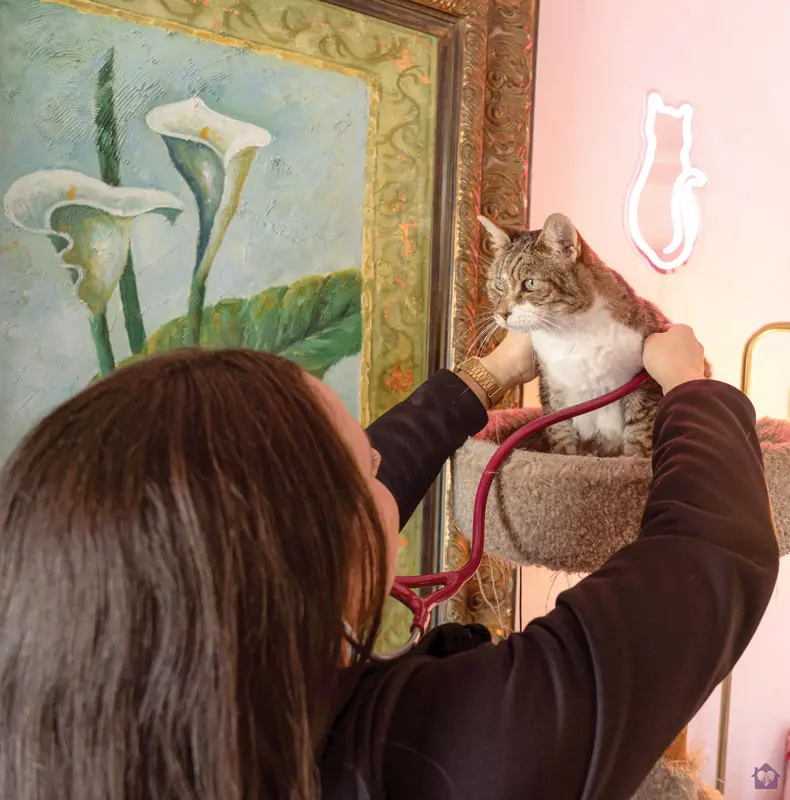
Anxious patients present immediate physical challenges in clinical settings. Elevated heart rates, tachypnea, defensive posturing, and panic responses make accurate physical examinations exceptionally difficult. Auscultation of cardiac murmurs can be obscured by panting or muscle tremors; abdominal palpation can be compromised by tense, guarded abdominal walls. Furthermore, managing fractious, terrified animals increases the risk of workplace injuries for veterinary staff while degrading the overall client experience.
The Slippery Slope to Surrender
Behavioral issues remain the leading cause of behavioral euthanasia and relinquishment in companion animals. Conditions such as severe separation anxiety, generalized noise phobias, and fear-based aggression erode the human-animal bond. When owners feel helpless, the ultimate outcome is frequently tragic. Intervening early with a structured pharmacological and behavioral plan can preserve these relationships and keep pets in their loving homes.
Categorizing the Pathology
Effective treatment begins with precise diagnostic categorization. Broadly speaking, companion animal anxiety manifests in two distinct clinical presentations:

- Situational Anxiety: Predictable, acute stressors triggered by specific events. Examples include thunderstorms, fireworks, veterinary visits, grooming appointments, nail trims, and short-term separation or boarding. The therapeutic goal here is fast onset, reliable anxiolysis, and manageable sedation.
- Chronic Anxiety: Persistent, generalized worry or distress that lingers independent of a single acute trigger. Examples include generalized anxiety disorder, chronic separation distress, and compulsive disorders. These patients require sustained, long-term neurochemical modulation.
Therapeutic Categories: Medications and Supplements in Action
Navigating the pharmacopoeia of companion animal anxiety requires matching the right drug class and delivery mechanism to the patient’s specific presentation.
Daily Medications for Chronic Anxiety
For patients battling persistent anxiety, separation distress, or deep-seated behavioral disorders, first-line medical therapy centers on Selective Serotonin Reuptake Inhibitors (SSRIs) and Tricyclic Antidepressants (TCAs).
- Mechanism and Timeline: These agents work by modulating neurotransmitter availability in the central nervous system. Crucially, they require several weeks—typically four to six—to reach full steady-state efficacy. They are not "quick fixes" and yield optimal results only when paired with a structured behavior modification plan.
- Clinical Application: SSRIs and TCAs elevate the patient’s baseline emotional threshold, reducing reactivity and allowing learning to take place during counterconditioning and desensitization exercises.
As-Needed Medications for Situational Anxiety
When managing predictable, short-duration stressors, the clinical objective shifts toward rapid onset, predictable duration, and moderate anxiolysis. Four primary drug classes dominate this arena:
- Trazodone: A serotonin antagonist and reuptake inhibitor (SARI) widely utilized for situational stressors like vet visits and thunderstorms. It is also frequently prescribed to facilitate strict post-operative confinement in orthopedic surgical patients and as a component of pre-anesthetic protocols. Common side effects include mild sedation, occasional vomiting, and paradoxical excitement, with geriatric patients demonstrating heightened sensitivity.
- Gabapentin and Pregabalin: Structural analogues of gamma-aminobutyric acid (GABA). A double-blind, randomized, placebo-controlled crossover trial demonstrated that gabapentin significantly improved compliance in cats with fear-based aggression during veterinary examinations. Furthermore, a 2024 retrospective study revealed that 72 percent of dog owners reported moderate to high effectiveness, with sedation noted as the most common side effect.
- Synergistic Combinations: Clinical experience shows that combining trazodone and gabapentin produces more profound sedation and anxiolysis than either agent administered alone in both cats and dogs. This synergistic combination is an invaluable tool for exceptionally high-stress patients.
- Benzodiazepines and Alpha-2 Agonists: Used selectively for acute panic states or intensely anxiogenic events, these agents require careful patient selection and dose titration to avoid adverse behavioral disinhibition or excessive ataxia.
The Role of Nutraceuticals and Supplements
The commercial market for pet anxiety supplements has exploded, and clients frequently inquire about these products long before discussing prescription pharmaceuticals. Pet food manufacturers now incorporate anxiolytic ingredients into therapeutic veterinary diets, while standalone calming supplements continue to proliferate.
- Evidence-Based Guidance: A working knowledge of clinical trials helps practitioners guide client conversations with scientific integrity. For instance, controlled studies evaluating specific milk protein hydrolysates and alpha-casozepine have demonstrated measurable reductions in stress-related biomarkers (such as cortisol levels) in cats and dogs facing environmental stressors.
- Implementation: Daily calming supplements, such as powders mixed into food, typically require up to six weeks to manifest full clinical effects. Practitioners must counsel clients that nutraceuticals work best as part of a multimodal lifestyle and environmental modification plan rather than as standalone silver bullets.
Making Multimodal Work in Practice
The most critical message veterinary teams can communicate to clients—and the single factor that most heavily dictates long-term success—is that medications and supplements are tools, not cures.
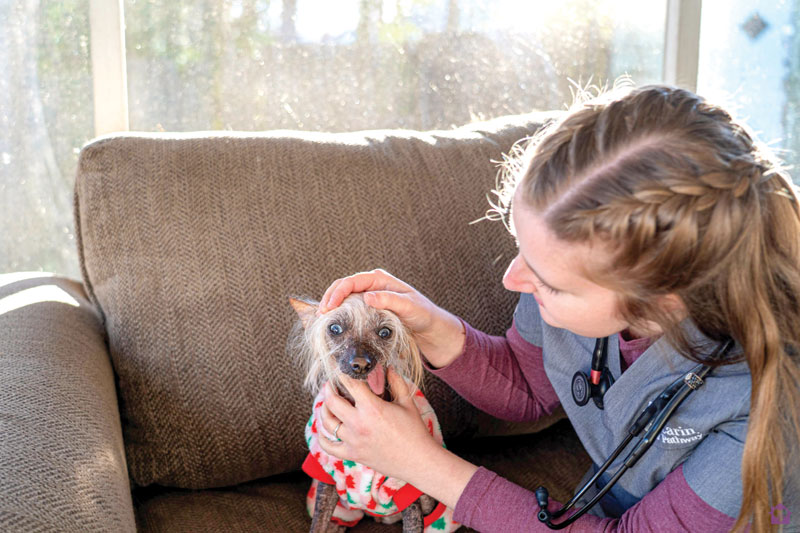
No pharmaceutical agent performs as effectively on its own as it does when paired with rigorous environmental management and customized behavior modification. For separation anxiety, desensitization and counterconditioning are non-negotiable components of the treatment protocol. For noise phobias, structural management strategies—such as designated safe spaces, white noise machines, and desensitization audio tracks—amplify and protect pharmacological efficacy.
Practical Tips for Client Communication
- Reframe the Narrative: Explain to clients that psychoactive medications do not "change their pet’s personality." Instead, they lower the static noise of anxiety, allowing the animal’s true personality to emerge from beneath a cloud of chronic fear.
- Manage Timeline Expectations: Emphasize that daily medications require weeks to build up in the system, while situational medications require precise timing prior to the onset of the stressor.
- Establish Safety Monitoring: Reassure clients that mild initial sedation is normal, but provide clear parameters for reporting paradoxical reactions, severe lethargy, or gastrointestinal upset.
Future Outlook
The tenfold expansion of behavioral problem diagnoses over a single decade demonstrates an undeniable cultural shift in how society views animal emotional health. The persistent gap between high diagnosis rates and conservative prescribing habits is not an insurmountable knowledge deficit; rather, it represents an opportunity to evolve practice culture. General practitioners, occupying the front lines of companion animal care, are uniquely positioned to close this gap.
As veterinary behavioral science continues to intersect with cutting-edge research in gut-microbiome dynamics and neurophysiology, novel therapeutic targets are rapidly emerging. These innovations promise to reshape clinical approaches to anxiety management in the coming decade. By building a strong clinical foundation today through thoughtful medication selection, transparent client communication, and a steadfast commitment to multimodal care, general practitioners can ensure they remain active leaders in the future of patient welfare.
References
- Primary Care Canine Behavioral Records Analysis (2010–2020). Internal epidemiological data sets, companion animal hospital networks.
- Additional clinical citations regarding gabapentin efficacy in feline examinations and canine anxiolytic trials (archived via Veterinary Practice News clinical archives).