
Executive Overview
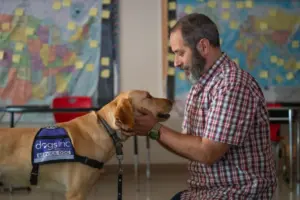
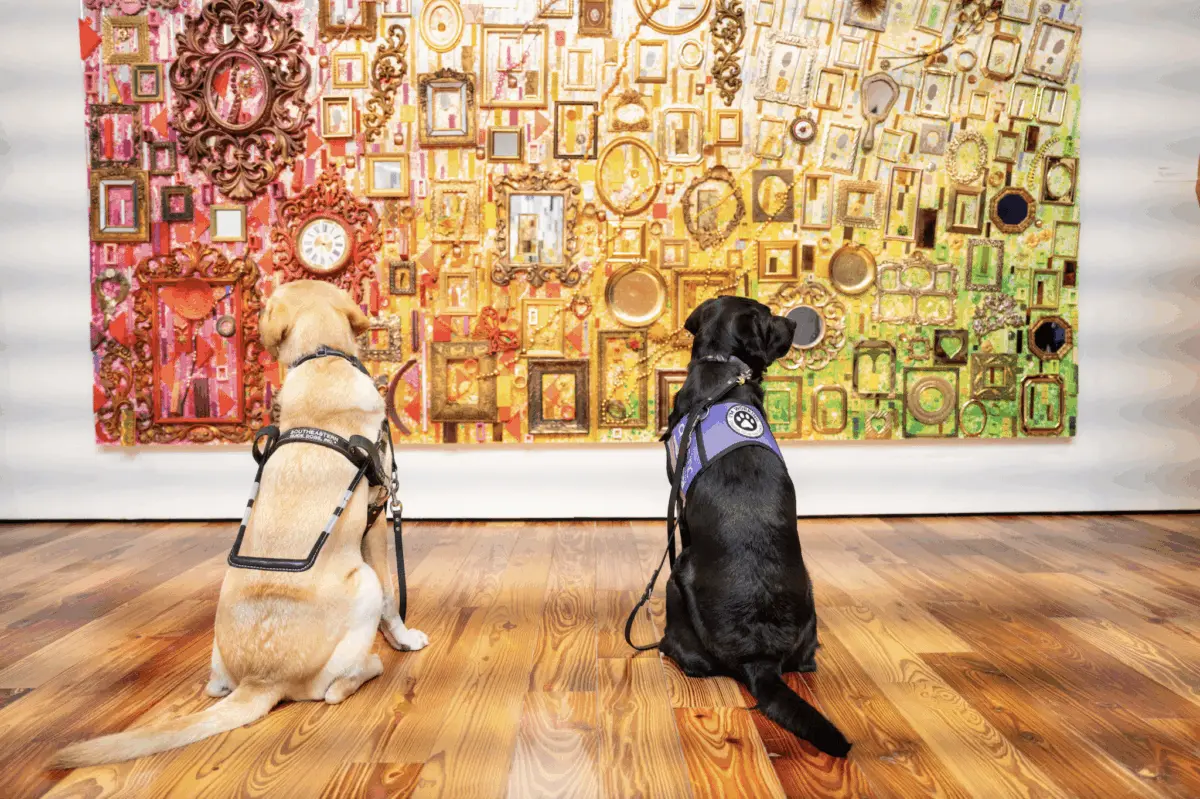
When the mind conjures an image of a service dog or a guide dog leading a handler through a bustling terminal or a busy downtown crosswalk, the silhouette that almost universally emerges is that of the Labrador Retriever. This is far from accidental. For decades, organizations specializing in assistance animals—such as Dogs Inc—have relied on Labrador Retrievers as a primary cornerstone of their breeding, evaluation, and training programs.
The widespread prominence of the Labrador Retriever in assistance work is rooted in a rare, harmonious convergence of traits: high emotional stability, extraordinary trainability, innate adaptability, and a deep-seated, genetically reinforced desire to partner with human handlers. However, behind this operational preference lies a rigorous selection and development pipeline. While the breed provides an exceptional foundation, organizations emphasize that success is never guaranteed by pedigree alone. Every dog must be evaluated as an individual, possessing the precise psychological and physical resilience required to navigate complex public environments safely and effectively.
This comprehensive report examines the multifaceted qualities that define elite guide and service dogs, the specialized training methodologies utilized to transform high-potential puppies into lifesaving partners, the critical health metrics monitored by breeders, and the rigorous evaluation processes that ultimately determine whether a Labrador Retriever takes up the mantle of a working assistance dog.

Detailed Chronology: From Working Ancestry to Modern Assistance Icon
The journey of the Labrador Retriever from coastal working dog to elite assistance animal spans more than two centuries of selective breeding, functional evolution, and institutional refinement. Understanding how the breed arrived at its current status requires tracing its historical milestones.
1. The Pre-Modern Era: Maritime Origins (19th Century)
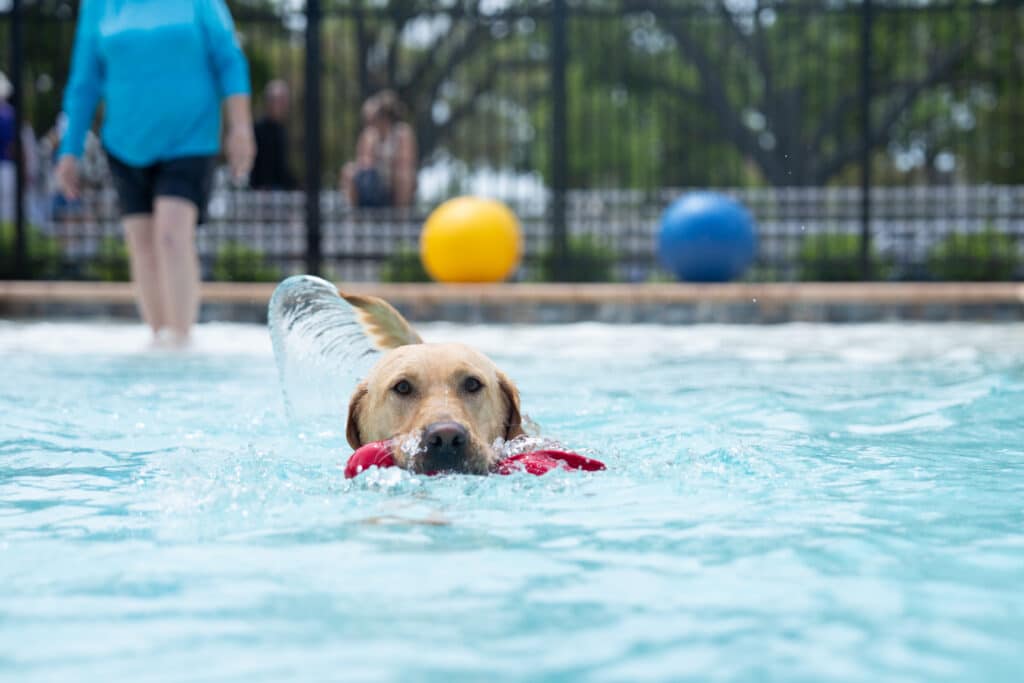
Long before they wore specialized harnesses or guided individuals with visual impairments, the ancestors of the modern Labrador Retriever worked alongside fishermen in the harsh, icy waters of Newfoundland. Descended in part from the Lesser Newfoundland dog, these sturdy canines were bred to leap into freezing seas, retrieve escaped fish, haul heavy nets, and bring lines ashore. This early history instilled two critical characteristics that remain foundational to the breed today: an extraordinary affinity for water and a relentless work ethic centered entirely on human collaboration.
2. Standardization and Recognition (Late 19th to Mid-20th Century)
As the dogs were imported to Great Britain, sportsmen and breeders refined the strain, solidifying the name "Labrador Retriever." By the mid-20th century, the American Kennel Club (AKC) officially recognized the breed, cementing its status as a premier sporting and retrieving dog. During this period, breeders selected heavily for an "easy-going" temperament, a soft mouth, and high intelligence—traits designed to make the dog responsive to a hunter’s commands even in high-stress, dynamic environments.
3. The Birth of Modern Guide and Service Dog Programs (Mid-20th Century)
As society’s approach to disability accessibility evolved following major global conflicts, the formalized training of guide dogs for veterans and civilians accelerated. Organizations recognized that the same attributes that made Labs exceptional hunting companions—focus, eagerness to please, and resilience—made them uniquely suited for navigating complex urban environments. Organizations like Dogs Inc began institutionalizing breeding pools specifically optimized for assistance work, moving beyond general pet-stock lines to target psychological traits tailored for public access and disability mitigation.
4. Contemporary Advanced Training and Evaluation Pipelines (Present Day)
Today, the trajectory of a Labrador Retriever candidate follows a meticulously charted multi-year timeline:
- Months 0–2 (Neonatal and Early Imprinting): Puppies are whelped in controlled environments, where breeders introduce early neurological stimulation and foundational handling.
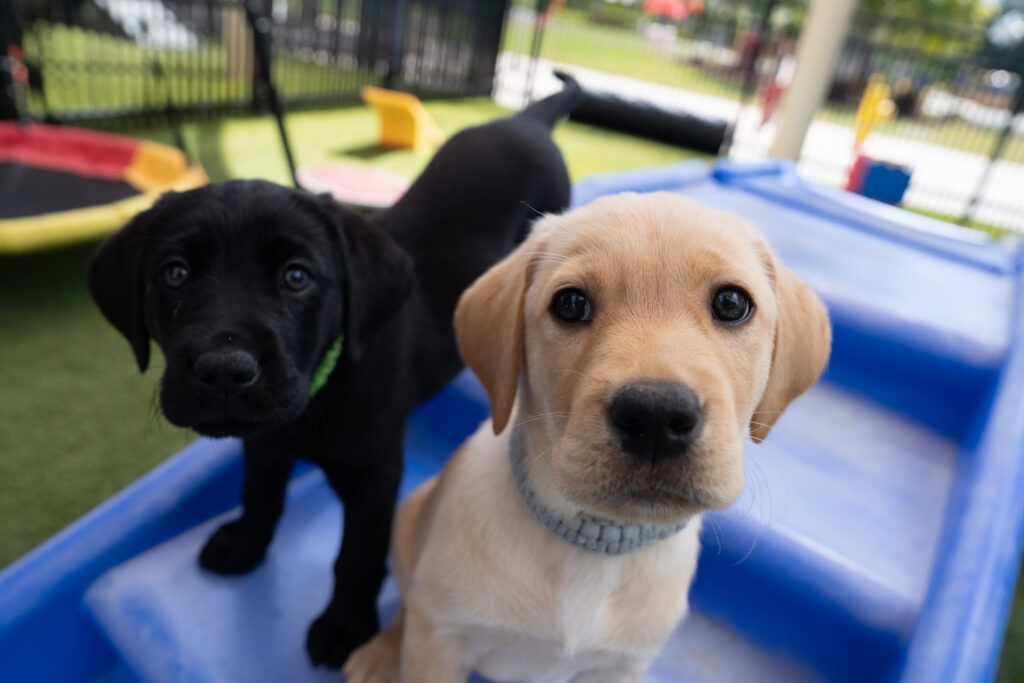
- Months 2–12 (Puppy Raising and Socialization): Placed with volunteer Puppy Parents, young Labs are systematically exposed to diverse stimuli—public transit, crowded malls, screaming children, unpredictable noises, and varied floor surfaces.
- Months 12–18 (Formal Advanced Training): Dogs enter specialized facilities like Dogs Inc for intensive, professional instruction in obstacle negotiation, directional control, task execution, and public access manners.
- Adulthood (Matching and Team Integration): Fully trained dogs are matched with handlers, undergoing weeks of transition training to solidify the human-animal bond before embarking on working careers that typically span 7 to 10 years.
Supporting Context & Metrics: The Anatomy of a Working Dog’s Mind and Body
What transforms a domestic dog into a reliable assistance animal? The answer lies in a precise matrix of psychological traits, physical standards, and health considerations.
Defining the "Service Dog Temperament"
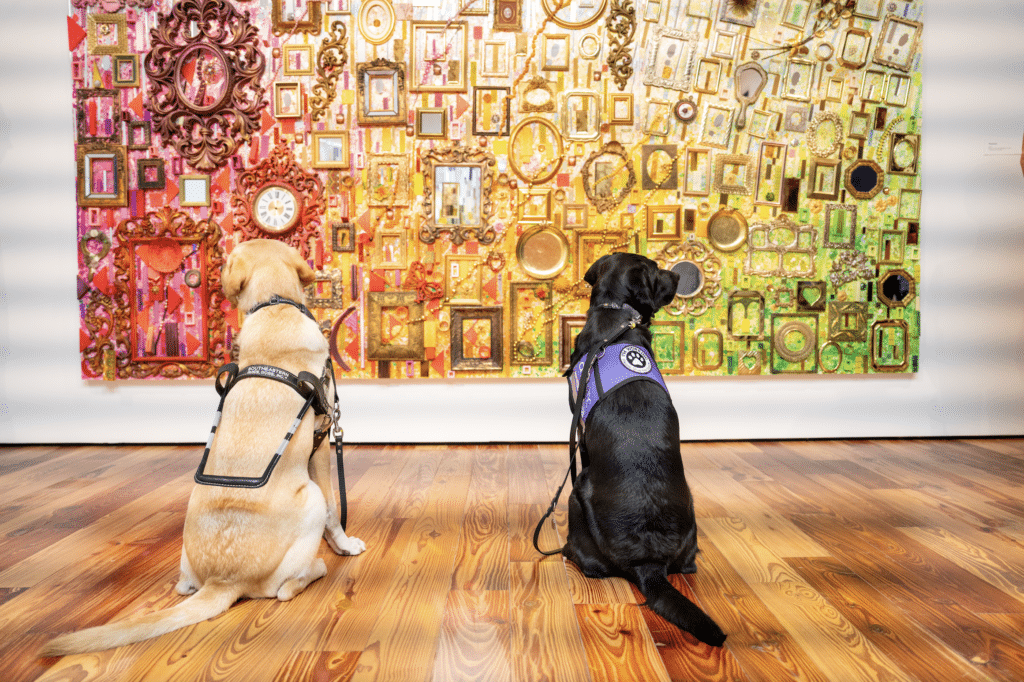
A successful guide or service dog must operate seamlessly across starkly contrasting environments. In a single day, an assistance dog may need to maintain absolute composure in a silent medical office, execute precise directional commands while navigating a congested airport terminal, and remain completely unfazed by sudden, unexpected disturbances like backfiring vehicles or dropped items in a restaurant.
This operational reliability depends on several core psychological pillars:
- Emotional Stability: The capacity to remain calm under pressure without exhibiting panic, excessive reactivity, or unprovoked aggression.
- Resilience and Recovery: The ability to experience an unfamiliar or startling stimulus, briefly process it, and rapidly return to a focused working state.
- Focus and Impulse Control: The discipline to ignore high-value distractions—such as dropped food, wildlife, or unfamiliar pets—while maintaining absolute attention on the handler’s cues.
- Task-Oriented Adaptability: The flexibility to transition between high-alert physical tasks and prolonged periods of passive resting (such as under a desk or airplane seat) without exhibiting frustration.
Breed-Specific Advantages of the Labrador Retriever
While organizations evaluate every candidate on an individual basis, Labrador Retrievers consistently exhibit physiological and temperamental traits that give them a head start in assistance programs:

| Trait Category | Behavioral Expression | Operational Benefit |
|---|---|---|
| People-Oriented Nature | Eager to engage, affectionate, high desire for human interaction. | Fosters a deep, cooperative working relationship essential for daily teamwork. |
| Cognitive Intelligence | Fast learning curve, high problem-solving capacity. | Accelerates the acquisition of complex, multi-step assistance tasks. |
| Physical Sturdiness | Moderate-to-large build (55–80 lbs), balanced bone density. | Provides sufficient physical strength for guide work and bracing tasks without being unwieldy in tight indoor spaces. |
| Coat and Maintenance | Short, weather-resistant double coat. | Minimizes grooming overhead for handlers with limited mobility while adapting well to varying climates. |
Health and Longevity Metrics
Physical soundness is just as critical as psychological aptitude. Labrador Retrievers are generally robust animals with a typical life expectancy ranging between 10 and 14 years. However, because of their popularity and working demands, responsible breeding organizations enforce stringent health screening protocols to mitigate hereditary conditions.
Key medical metrics and screenings monitored by professional training programs include:
- Orthopedic Evaluations: Routine screening for hip and elbow dysplasia via radiographic analysis (OFA or PennHIP) to ensure structural integrity capable of supporting years of rigorous mobility work.
- Ophthalmological Assessments: Annual clearance by veterinary ophthalmologists to detect progressive retinal atrophy (PRA) and other inherited eye disorders.
- Myopathy Screening: Genetic testing for hereditary myopathy, a muscle-weakening condition that would disqualify a dog from demanding physical labor.
- Weight and Nutritional Management: Maintaining an adult working weight between 55 and 80 pounds (depending on sex and structural frame) to prevent joint strain and maximize career longevity.
Official Statements & Institutional Perspectives
Organizations at the forefront of assistance dog breeding and training emphasize that creating a world-class working dog requires a delicate balance of science, compassionate stewardship, and rigorous quality control.
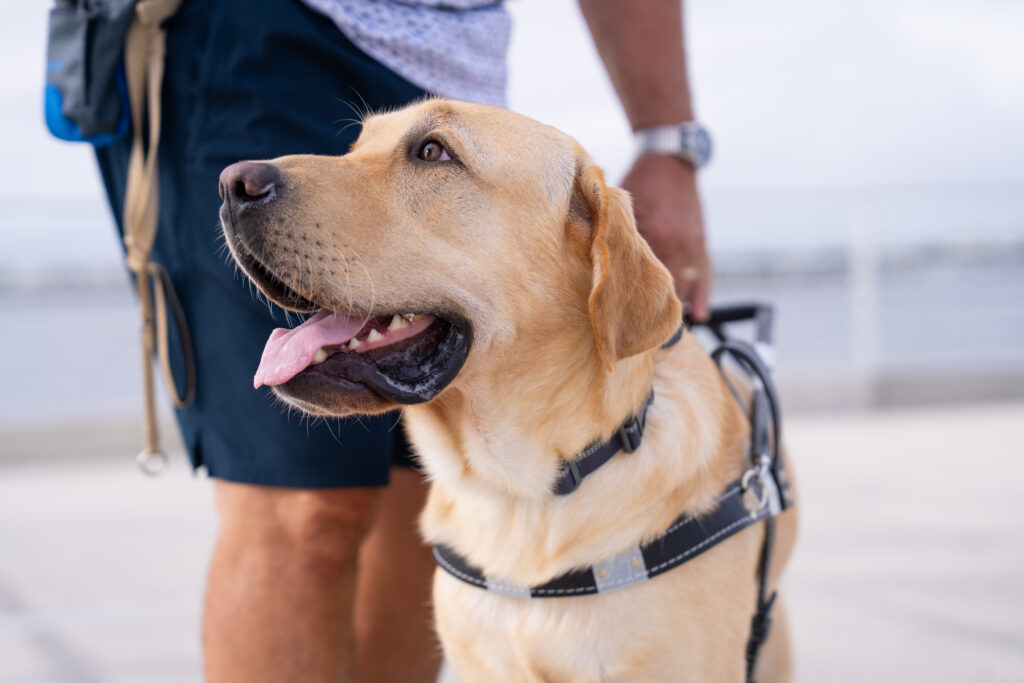
Industry experts note that while popular culture often views the Labrador Retriever as an effortless choice, breeding an elite assistance dog is a high-stakes scientific endeavor. Representatives from organizations like Dogs Inc frequently stress that pedigree is merely a blueprint, not a guarantee:
"When we look at a litter of Labrador puppies, we see incredible potential rooted in generations of carefully selected genetics. But breed is only the starting point. The true magic happens through our comprehensive evaluation protocols. Every single candidate must prove they possess the emotional resilience, unshakeable confidence, and genuine love for partnership required to change a person’s life. If a dog doesn’t have the temperament for public access work, we don’t force it—we ensure they find the right environment where they can thrive, whether that is in an alternative career or as a beloved family pet."
Furthermore, canine behavioral specialists underscore that the human-animal bond acts as the engine driving the entire system. A guide dog is not an automated appliance; it is an intelligent, sentient partner capable of "intelligent disobedience"—the vital ability to refuse a handler’s command if obeying it would put the team in physical danger (such as stepping off a curb into oncoming traffic). The Labrador’s innate desire to please, combined with independent problem-solving capabilities, makes them uniquely receptive to mastering this life-saving nuance.
Future Outlook: The Evolution of Assistance Breeding and Training
As the fields of assistance dog breeding and canine behavioral science continue to advance, the methodology behind preparing Labrador Retrievers for working roles is undergoing continuous refinement.
Data-Driven Selection and Predictive Analytics
Modern breeding programs are increasingly adopting data-driven approaches to puppy evaluation. By tracking behavioral metrics, developmental milestones, and physiological markers from birth through young adulthood, organizations can predict with greater accuracy which dogs are most likely to graduate successfully as guide or service dogs. This reduces training attrition, optimizes resource allocation, and ensures that handlers are paired with dogs ideally matched to their specific lifestyles and mobility needs.
Expanding Roles and Specialized Tasks
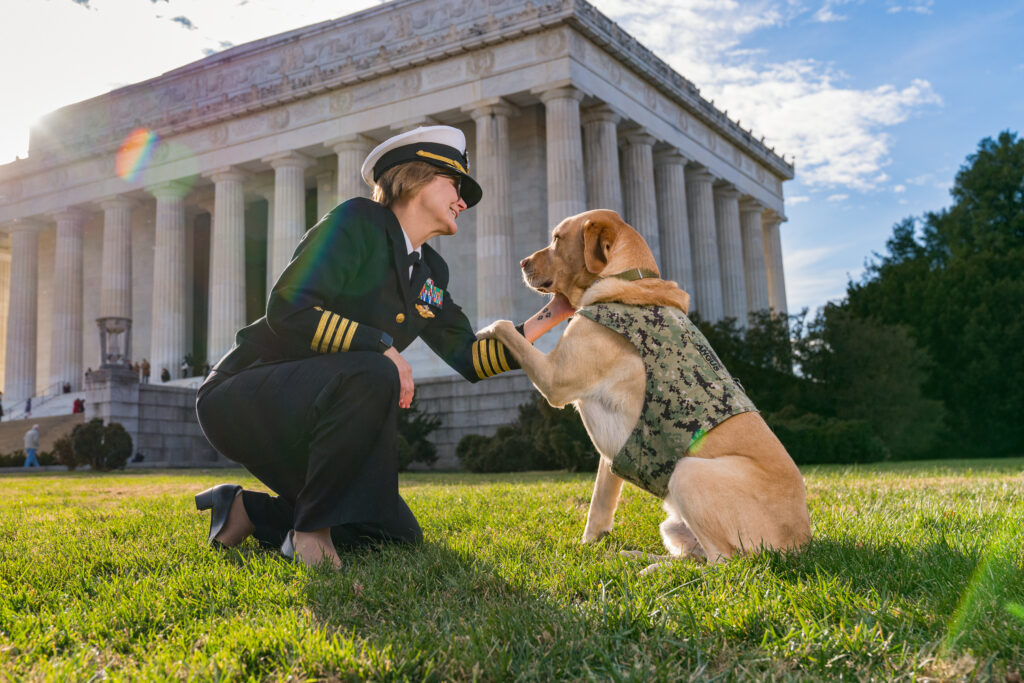
The scope of what an assistance dog can accomplish is expanding rapidly. Beyond traditional guide work for individuals with visual impairments, Labrador Retrievers are increasingly trained for complex psychiatric service work, medical alert duties (such as detecting glycemic fluctuations or cardiac episodes), autism support, and mobility assistance for veterans with physical and neurological challenges. The inherent versatility of the Labrador Retriever ensures that the breed will remain adaptable to these emerging fields.
The Holistic View of Animal Welfare
Looking ahead, the assistance dog community places an ever-greater emphasis on the holistic well-being of the working dog. Modern training paradigms rely exclusively on positive reinforcement, building confidence through clear communication rather than coercion. Additionally, retirement planning for aging assistance dogs has become a sophisticated process, ensuring that animals who have dedicated their lives to human partnership transition smoothly into comfortable, well-deserved retirement homes.
Conclusion
The Labrador Retriever’s status as the quintessential guide and service dog is neither an accident of history nor a passing marketing trend. It is the result of centuries of purposeful breeding, refined by modern institutions like Dogs Inc into a sophisticated science of temperament evaluation and advanced training.
By combining unmatched cognitive intelligence, emotional resilience, physical sturdiness, and an authentic, joy-filled desire to partner with human beings, the Labrador Retriever continues to set the gold standard for assistance work. Yet, behind every successful working team lies a rigorous journey of selection, early socialization, specialized instruction, and mutual trust. As breeding science and training methodologies continue to evolve, the Labrador Retriever remains a steadfast symbol of independence, safety, and unwavering companionship for individuals navigating the world with disabilities.