
Executive Overview
In the rapidly expanding, multi-billion-dollar global pet food market, the line separating daily nutrition from medical therapy has grown increasingly blurred. Consumers browsing retail pet food aisles are routinely greeted by bold, clinical-sounding terms printed prominently across product packaging: Digestive Health, Vibrant Maturity, Life Protection, and Perfect Digestion. To the average pet owner, these phrases imply a clear therapeutic benefit—promising to soothe sensitive stomachs, protect aging organs, or extend a companion animal’s lifespan.
However, behind these enticing labels lies a sophisticated regulatory maneuver. Under the Federal Food, Drug, and Cosmetic Act (FD&C Act), when a pet food manufacturer explicitly claims that a product can diagnose, cure, mitigate, treat, or prevent a disease, the law reclassifies that food as a drug. True therapeutic diets—often designated as "prescription" or "veterinary" diets—are subjected to rigorous scientific oversight, require substantiated clinical evidence, and must generally be dispensed under the direct supervision of a licensed veterinarian.
To circumvent these strict legal standards while still capturing the lucrative market for "wellness" and functional nutrition, major manufacturers have pioneered a clever branding strategy: embedding health claims directly into the statutory name of the product.
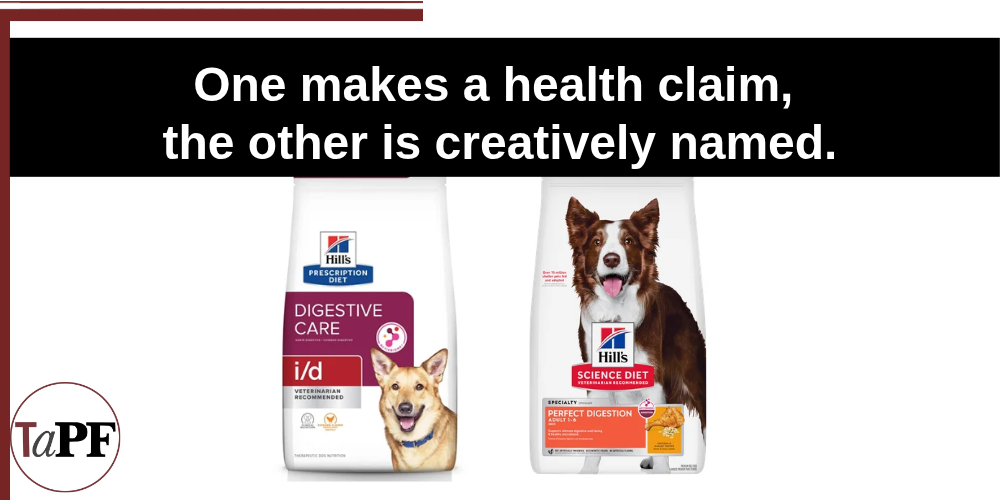
By legally defining phrases such as "Digestive Support" or "Perfect Digestion" as the product’s title rather than an explicit functional structure-function claim, conglomerates like Hill’s Pet Nutrition, Nestlé Purina, Blue Buffalo, and Freshpet can print therapeutic language in massive typography across retail packaging without triggering drug classification or presenting validated scientific evidence to the U.S. Food and Drug Administration (FDA). This investigative report examines the regulatory framework, comparative case studies, market mechanics, and consumer protection concerns driving this industry-wide phenomenon.
Detailed Chronology: The Evolution of Therapeutic Claims and Regulatory Oversight
To understand how product naming became a regulatory shield, one must examine the half-century history of therapeutic pet diets and the FDA’s evolving enforcement policies.
┌─────────────────────────────────────────────────────────────────────────┐
│                 EVOLUTION OF PET FOOD HEALTH CLAIM REGULATION           │
└─────────────────────────────────────────────────────────────────────────┘
                                     │
                                     ▼
 1970s–1980s: Emergence of Specialized Diets
 ─── Manufacturers develop therapeutic formulations for specific diseases.
 ─── FDA applies Section 201(g)(1)(B) of the FD&C Act, classifying products
     making medical claims as "drugs."
                                     │
                                     ▼
 2000s–2010s: FDA Compliance Policy Guidance & Veterinary Exemption
 ─── FDA issues formal enforcement discretion (Compliance Policy Guide).
 ─── Allows therapeutic health claims ONLY IF products are backed by
     scientific substantiation and sold exclusively through veterinarians.
                                     │
                                     ▼
 2010s–Present: The "Humanization" Trend & The Naming Strategy Shift
 ─── Demand for functional retail pet food skyrockets.
 ─── Manufacturers shift strategies: Instead of making explicit claims on OTC
     packaging, they turn health claims into official Product Names, dodging
     FDA drug classification while maintaining medical-style branding.
The Historical Baseline: FD&C Act Section 201(g)(1)(B)
For more than fifty years, pet food manufacturers have formulated specialized diets intended to assist in managing various canine and feline health conditions. Under United States federal law, the boundary between a food and a drug is absolute. Section 201(g)(1)(B) of the FD&C Act defines a drug, in part, as any article "intended for use in the diagnosis, cure, mitigation, treatment, or prevention of disease in man or other animals."
Historically, whenever a manufacturer stated on a label that a kibble could "treat renal failure" or "prevent urinary tract stones," the FDA viewed the statement as a drug claim. Technically, this rendered the pet food an unapproved new animal drug, making it contraband unless subject to a formal New Animal Drug Application (NADA)—a prohibitive, multi-million-dollar process.
The Enforcement Discretion Compromise
Recognizing the legitimate nutritional value of specialized veterinary diets, the FDA established an enforcement discretion framework. Codified in regulatory guidance documents, the agency permitted pet food companies to market products intended to treat or prevent disease under strict conditions:
- Scientific Substantiation: The therapeutic claim must be supported by sound, peer-reviewed clinical science.
- Professional Supervision: The product must be distributed and sold exclusively through or under the direction of a licensed veterinarian.
- Responsible Marketing: Communications must not be false or misleading.
This system created two distinct categories: Over-the-Counter (OTC) Maintenance Diets sold in supermarkets and big-box stores, and Veterinary Diets restricted to clinic settings.
The Shift to Semantic Branding
As the pet care industry exploded over the past two decades—driven by the consumer trend of "pet humanization"—demand for health-supportive retail diets reached unprecedented heights. Manufacturers faced a dilemma: how could they appeal to health-conscious pet owners in retail aisles without triggering the FDA’s "drug" classification or incurring the requirement to sell exclusively through veterinary channels?
The solution was a semantic shift. Rather than placing a regulatory "health claim" in the fine print or descriptive copy on the back of the bag, companies began integrating high-value medical keyphrases into the front-of-package product titles.
Supporting Context & Comparative Analysis: The Anatomy of a Loophole
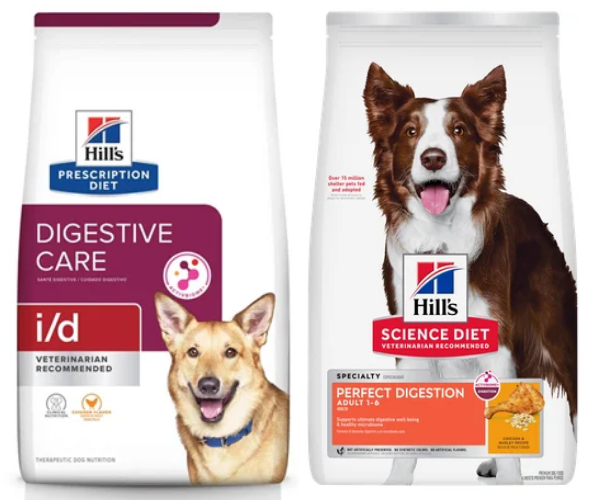
By examining side-by-side product offerings from industry leaders, the structural divergence between genuine therapeutic health claims and strategic product titles becomes clear.
┌─────────────────────────────────────────────────────────────────────────────┐
│                       REGULATORY COMPARATIVE BREAKDOWN                      │
├──────────────────────────────┬──────────────────────────────────────────────┤
│ VETERINARY / PRESCRIPTION    │ OVER-THE-COUNTER (OTC)                       │
│ (e.g., Hill's i/d)           │ (e.g., Hill's Perfect Digestion)             │
├──────────────────────────────┼──────────────────────────────────────────────┤
│ • Sales Channel:             │ • Sales Channel:                             │
│   Veterinary Clinics Only    │   General Retail / Supermarkets              │
│                              │                                              │
│ • Statutory Status:          │ • Statutory Status:                          │
│   Health/Disease Claim       │   Standard Animal Feed                       │
│                              │                                              │
│ • Legal Burden:              │ • Legal Burden:                              │
│   Requires rigorous scientific│   Subject only to standard feed safety;      │
│   substantiation under FDA   │   product title exempt from drug claims     │
│   CPG guidelines             │   regulation                                 │
│                              │                                              │
│ • Labeling Terminology:      │ • Labeling Terminology:                      │
│   "Digestive Care"           │   "Perfect Digestion"                        │
│   (Regulated Disease Claim)  │   (Legally defined as the Product Title)     │
└──────────────────────────────┴──────────────────────────────────────────────┘
Case Study 1: Hill’s Pet Nutrition – "Digestive Care" vs. "Perfect Digestion"
Hill’s Pet Nutrition, a subsidiary of Colgate-Palmolive, provides a textbook illustration of this dual strategy.
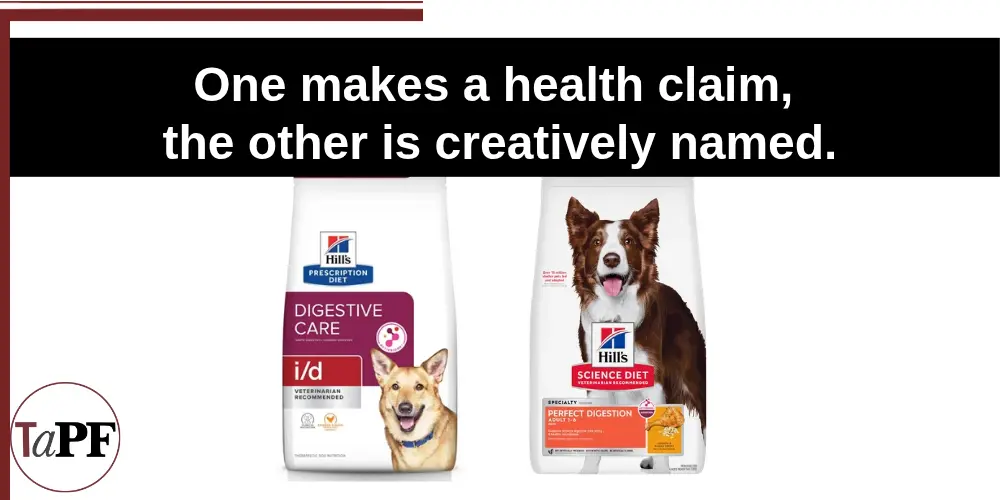
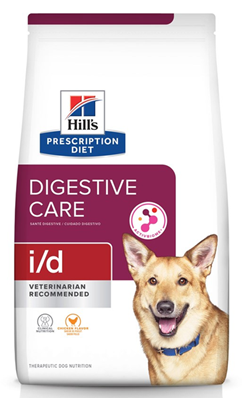
- The Prescription Standard: Hill’s produces Hill’s Prescription Diet i/d Chicken Flavor Dog Food. The packaging prominently features the sub-brand phrase "Digestive Care" and bears the web copy: "Therapeutic adult dog food to help manage digestive upsets." Because this diet makes explicit therapeutic management claims, the FDA regulates it under its therapeutic diet policy. It cannot be bought off the shelf at a grocery store; it requires authorization from a veterinarian, and Hill’s must maintain robust clinical data to validate its efficacy.
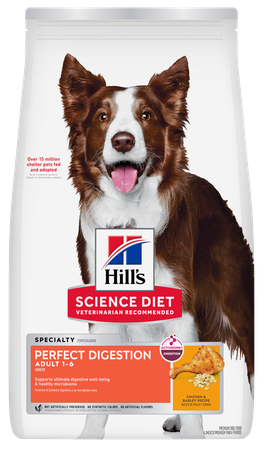
- The Retail Counterpart: Conversely, Hill’s markets an over-the-counter retail product titled "Hill’s Science Diet Adult Perfect Digestion Chicken & Barley Recipe Dog Food."
To a consumer, "Digestive Care" and "Perfect Digestion" convey virtually identical health benefits. Yet, legally, they occupy completely different regulatory spaces. "Perfect Digestion" is not evaluated by the FDA as a disease treatment or functional claim; it is simply the registered name of the stock-keeping unit (SKU). Because it is classified as a title, Hill’s is permitted to display the words in giant, bold font across retail bags sold in conventional pet stores without undergoing drug review or restricting sales to veterinary clinics.
                       ┌──────────────────────────────┐
                       │   THE PRODUCT NAME LOOPHOLE  │
                       └──────────────┬───────────────┘
                                      │
           ┌──────────────────────────┴──────────────────────────┐
           ▼                                                     ▼
┌─────────────────────────────────────┐   ┌─────────────────────────────────────┐
│    Explicit Health Claim            │   │      Strategic Product Title        │
│   "Formulated to treat colitis"     │   │      "Digestive Support Formula"     │
├─────────────────────────────────────┤   ├─────────────────────────────────────┤
│ • Triggered Status: DRUG            │   │ • Triggered Status: REGULAR FOOD    │
│ • Requires FDA Clinical Evidence    │   │ • Exclude from Drug Review          │
│ • Requires Veterinary Prescription  │   │ • Sold freely in Supermarkets       │
└─────────────────────────────────────┘   └─────────────────────────────────────┘
Case Study 2: Nestlé Purina – "Digestive Support" and "Vibrant Maturity"
Nestlé Purina PetCare, another dominant force in the global pet food market, employs similar strategies across multiple product lines:
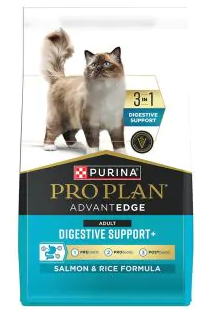
- Purina Pro Plan AdvantEDGE: The company manufactures a retail dry cat food named AdvantEDGE Adult Digestive Support+ Salmon & Rice Formula. The words Digestive Support are printed in massive text across the center of the bag. While a buyer interprets this as a guarantee that the food treats GI distress, regulators view "Digestive Support" merely as part of the formal product name.
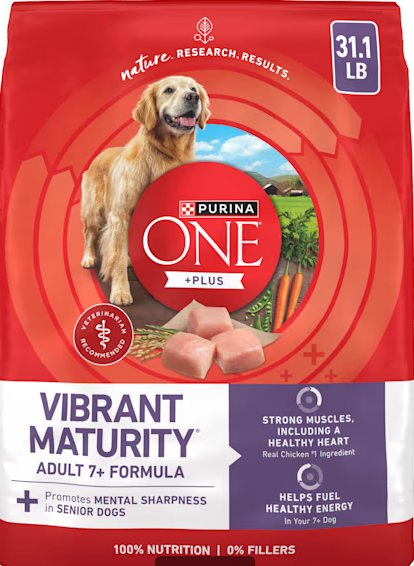
- Purina ONE SmartBlend: Another retail offering, Vibrant Maturity Adult 7+ Formula, uses "Vibrant Maturity" as its product title. The phrase invokes physiological anti-aging benefits, yet bypasses the legal evidentiary standards required for anti-aging or cognitive-decline medical claims.
Case Study 3: Freshpet and Blue Buffalo – "Digestive Health" and "Life Protection"
The strategy extends well beyond traditional dry kibble leaders into fresh food and natural sub-segments:
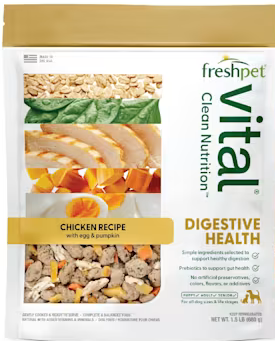
- Freshpet: Freshpet markets a refrigerated canine product officially named Freshpet Vital Benefits Digestive Health Chicken Recipe Dog Food. The title Digestive Health allows the brand to project medical utility directly from grocery store coolers.
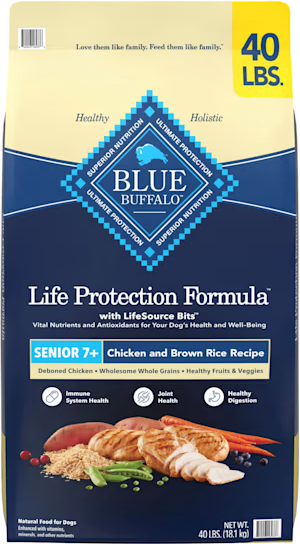
- Blue Buffalo: Blue Buffalo’s flagship product line is titled Life Protection Formula. The term "Life Protection" suggests systemic disease prevention and longevity enhancement—core elements of the FD&C Act’s drug definition—yet functions unhindered as a brand trademark.
Regulatory Framework & Statutory Standards
The tension surrounding pet food health claims stems from gaps between statutory definitions, regulatory enforcement priorities, and state-level feed control standards.
┌─────────────────────────────────────────────────────────────────────────┐
│                     REGULATORY OVERSIGHT STRUCTURE                      │
└─────────────────────────────────────────────────────────────────────────┘
                                     │
         ┌───────────────────────────┴───────────────────────────┐
         ▼                                                       ▼
┌─────────────────────────────────┐             ┌─────────────────────────────────┐
│  U.S. Food & Drug Admin (FDA)   │             │   AAFCO & State Feed Officials  │
│  Center for Veterinary Medicine │             │   (Model Regulations & Inspection)│
├─────────────────────────────────┤             ├─────────────────────────────────┤
│ • Enforces FD&C Act Sec 201/502 │             │ • Sets uniform labeling standards│
│ • Monitors disease claims       │             │ • Reviews product names for     │
│ • Focuses on explicit drug      │             │   misleading ingredient terms   │
│   claims over product titles    │             │ • Lacks authority to reclassify │
│                                 │             │   titles as systemic drugs      │
└─────────────────────────────────┘             └─────────────────────────────────┘
Federal Food, Drug, and Cosmetic Act Standards
The legal backbone of pet food regulation rests within the CVM (Center for Veterinary Medicine), a branch of the FDA. The statutory framework relies on two key sections:
- Section 201(g)(1)(B) [Drug Definition]: Focuses on "intended use." Intend can be demonstrated through labeling, advertising, website claims, or product nomenclature.
- Section 403(a)(1) & Section 502(a) [Misbranding]: A food or drug is deemed misbranded if its labeling is "false or misleading in any particular."
Under FDA policy, if a company claims a product can mitigate a disease without submitting scientific proof, the agency considers the claim unsubstantiated, rendering the product misbranded. However, the agency has historically focused its limited enforcement resources on explicit, direct therapeutic claims made in marketing text rather than challenging implied claims embedded within product titles.
The Role of AAFCO and State Regulators
While the FDA sets federal policy, individual state departments of agriculture enforce pet food labeling rules based on guidelines developed by the Association of American Feed Control Officials (AAFCO).
AAFCO’s Model Pet Food Regulations explicitly govern product names to prevent ingredient deception (e.g., the "100% Rule," the "95% Rule," the "25% Dinner Rule," and the "3% With Rule"). However, AAFCO rules contain an institutional blind spot regarding general wellness terminology in product titles. So long as a product name does not violate specific ingredient-percentage rules, words like Support, Protection, Health, or Vibrant are routinely accepted during state registration processes.
Critical Analysis & Consumer Impact
Pet food consumer advocates, including Susan Thixton of TruthaboutPetFood.com and the Association for Truth in Pet Food (ATPF), argue that using health claims as product names creates a system of regulatory evasion that directly harms consumers and their pets.
┌─────────────────────────────────────────────────────────────────────────┐
│                       THE CONSUMER RISK CASCADE                         │
└─────────────────────────────────────────────────────────────────────────┘
                                     │
                                     ▼
 1. Consumer Observes Medical Symptoms in Pet (e.g., Chronic Diarrhea/Vomiting)
                                     │
                                     ▼
 2. Consumer Purchases OTC Product with Medical-Sounding Title
    (e.g., "Perfect Digestion" or "Digestive Support")
                                     │
                                     ▼
 3. Consumer Assumes Product Has Clinical Efficacy Equal to Prescription Diets
                                     │
                                     ▼
 4. Veterinary Care is Delayed for Serious Underlying Pathologies
    (e.g., Inflammatory Bowel Disease, Renal Failure, Pancreatitis)
                                     │
                                     ▼
 5. Pet Experience Adverse Health Outcomes Due to Unmanaged Disease
The Illusory Distinction
From a linguistic and cognitive perspective, the average pet owner does not distinguish between a structural health claim and a product title. When a consumer sees a bag displaying the words "Perfect Digestion" in four-inch block lettering, they process that text as a performance guarantee or therapeutic solution.
This creates several distinct issues:
- Economic Asymmetry: Consumers pay premium prices for retail "wellness" diets under the belief that they are purchasing scientifically proven therapeutic interventions, when they are often buying standard maintenance feeds packaged in clever branding.
- Diagnostic Delay and Veterinary Risk: If a dog suffers from chronic gastrointestinal pathologies—such as inflammatory bowel disease (IBD), exocrine pancreatic insufficiency (EPI), or severe dysbiosis—an owner may attempt to self-treat the animal using an OTC bag labeled "Digestive Support." Because this retail food lacks the specialized formulation and clinical backing of a true prescription diet, the pet’s underlying disease may progress unmanaged, postponing essential veterinary care.
- Erosion of Regulatory Science: Companies that spend millions of dollars conducting controlled clinical trials to develop genuine veterinary diets face market dilution from competitors who simply trademark clinical-sounding names without performing equivalent research.
Future Outlook & Industry Trajectory
As scrutiny over pet food labeling intensifies, regulatory agencies and industry stakeholders are facing mounting pressure to address the product name loophole.
Potential Regulatory Interventions
To close this gap, consumer protection groups are pushing the FDA and AAFCO to adopt a more holistic interpretation of "intended use." Potential policy adjustments under discussion among regulatory bodies include:
- Title Scrutiny Rules: Amending CVM guidelines so that words implying structure, function, or disease mitigation within a product name trigger the same scientific substantiation standards as traditional label claims.
- Front-of-Package Disclaimer Requirements: Mandating clear disclosures on OTC products featuring functional titles (e.g., "Notice: Product name does not indicate clinical treatment or disease prevention capability").
- Harmonized AAFCO Guidelines: Updating AAFCO’s Model Regulations to restrict functional health nouns and adjectives from being used as primary brand titles unless accompanied by an approved structure-function claim statement.
The Role of Consumer Advocacy
Organizations like the Association for Truth in Pet Food continue to voice these concerns at semi-annual AAFCO meetings and directly with FDA CVM representatives. By documenting examples across major brands, advocates seek to force regulatory authorities to evaluate packaging from the perspective of an ordinary consumer rather than through legal technicalities.

Guidance for Pet Owners
Until regulatory bodies resolve the structural ambiguity surrounding product titles, veterinary professionals and consumer advocates advise pet owners to follow three simple rules when evaluating pet food:
- Ignore Front-of-Package Titles: Treat words like Digestive Health, Life Protection, and Vibrant Maturity as brand names rather than clinical facts.
- Review the Ingredient Panel and Guaranteed Analysis: Evaluate the diet based on its baseline nutritional breakdown, ingredient quality, and suitability for the animal’s specific life stage.
- Consult a Veterinarian for Medical Conditions: Never attempt to treat chronic medical symptoms—such as persistent vomiting, urinary issues, joint pain, or skin allergies—with over-the-counter retail diets, regardless of how clinical the product’s title may sound.