
Executive Overview
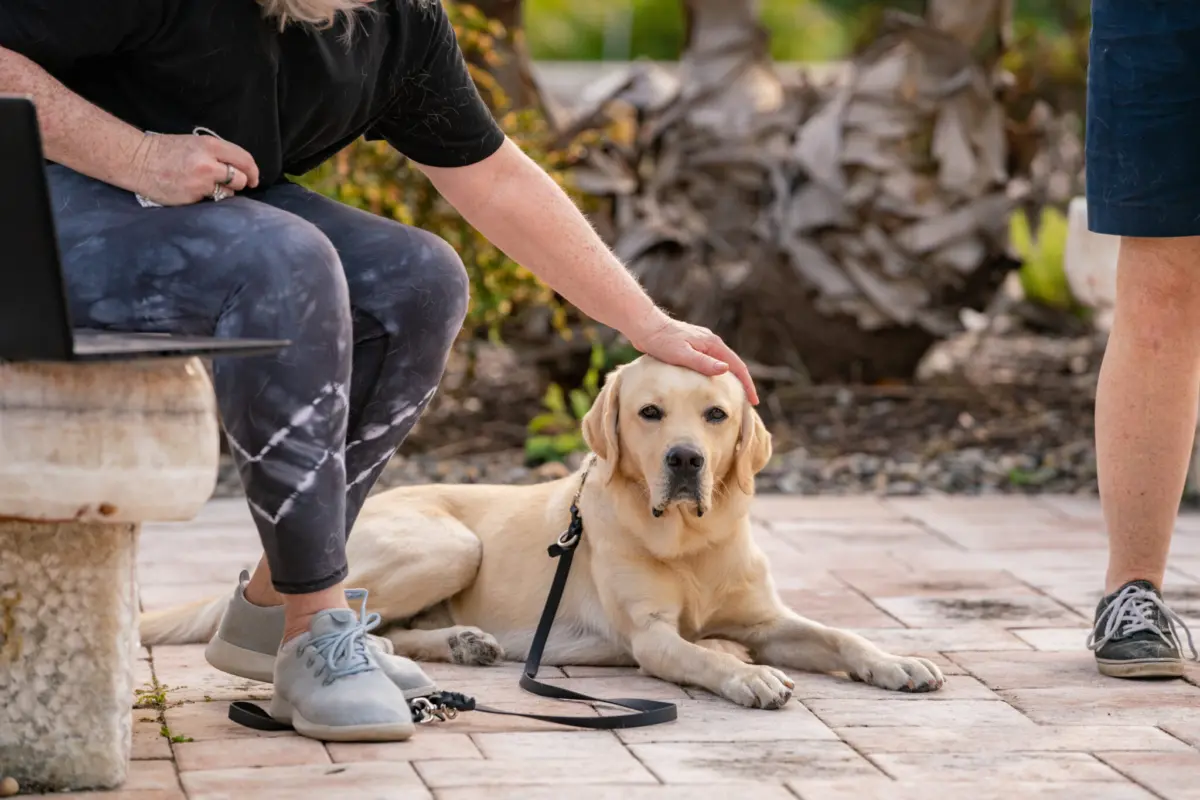
When encountering a service dog in a public setting—whether navigating the bustling aisles of a grocery store, boarding an airplane, or sharing a quiet moment in a hospital waiting room—the immediate instinct for many is to smile, wave, or reach out to offer a friendly pat. These exceptionally well-trained animals exude a calm, focused, and approachable demeanor that naturally invites human connection. Yet, beneath their serene outward appearance lies a vital truth: a service dog is not merely a pet accompanying an owner on an outing; they are highly skilled working partners executing life-sustaining duties.
The intersection of public curiosity and disability assistance creates an ongoing need for widespread education regarding proper service dog etiquette. While public intent is almost universally kind, interacting with a working dog without permission can introduce dangerous distractions, compromising both the safety of the handler and the efficacy of the animal. Understanding the rigorous training, legal definitions, and behavioral boundaries governing service dogs ensures that communities remain accessible, safe, and respectful environments for individuals living with disabilities.
Detailed Chronology: The Evolution of Public Accessibility and Service Dog Standards
To understand the modern dynamics of service dog interactions, it is essential to examine how these working partnerships have evolved within public spaces over the past several decades.
Mid-20th Century: The Rise of Formally Trained Assistance Animals
The formal integration of service dogs into public life gained momentum following World War II, initially established to aid blinded veterans. During this period, the primary public perception of assistance animals was strictly limited to guide dogs for the blind. These early teams operated under rigid social contracts; the general public was largely taught to ignore guide dogs entirely to prevent catastrophic navigation errors. However, public awareness remained low, and handlers frequently faced barriers entering restaurants, hotels, and public transport.
1990: The Landmark Americans with Disabilities Act (ADA)
A monumental shift occurred with the passage of the Americans with Disabilities Act of 1990. For the first time, federal legislation explicitly defined the rights of individuals with disabilities to be accompanied by service animals across nearly all public accommodations. Crucially, the legal scope expanded beyond visual impairments to include dogs trained to assist individuals with mobility limitations, hearing loss, medical alert needs (such as for diabetes or epilepsy), and psychiatric conditions like post-traumatic stress disorder (PTSD).
As the variety of tasks performed by service dogs diversified, public confusion grew. No longer could the public rely on visual cues like a traditional white harness; service dogs began appearing in various harnesses, vests, or even working unburdened by bulky gear depending on the specific tasks required.

The 21st Century: Modern Challenges and the Epidemic of Distractions
In contemporary society, the proliferation of online misinformation, fake certification sites, and a general cultural shift toward universal pet friendliness has complicated the landscape for legitimate service dog teams. While public affection for dogs has never been higher, modern handlers report an increasing frequency of well-meaning interruptions. Today, public education campaigns spearheaded by organizations like Dogs Inc focus heavily on mitigating these daily disruptions through proactive etiquette training, emphasizing that modern accessibility requires not just legal permission, but active public cooperation.
Supporting Context & Metrics: Defining the Working Partnership
To fully appreciate why distractions carry such high stakes, one must understand what separates a service dog from an emotional support animal, a therapy animal, or an ordinary household pet.
Legal Definition and Task Training
Under federal guidelines, a service dog is defined strictly as a dog that has been individually trained to do work or perform tasks for the benefit of an individual with a disability, including a physical, sensory, intellectual, or mental health disability.
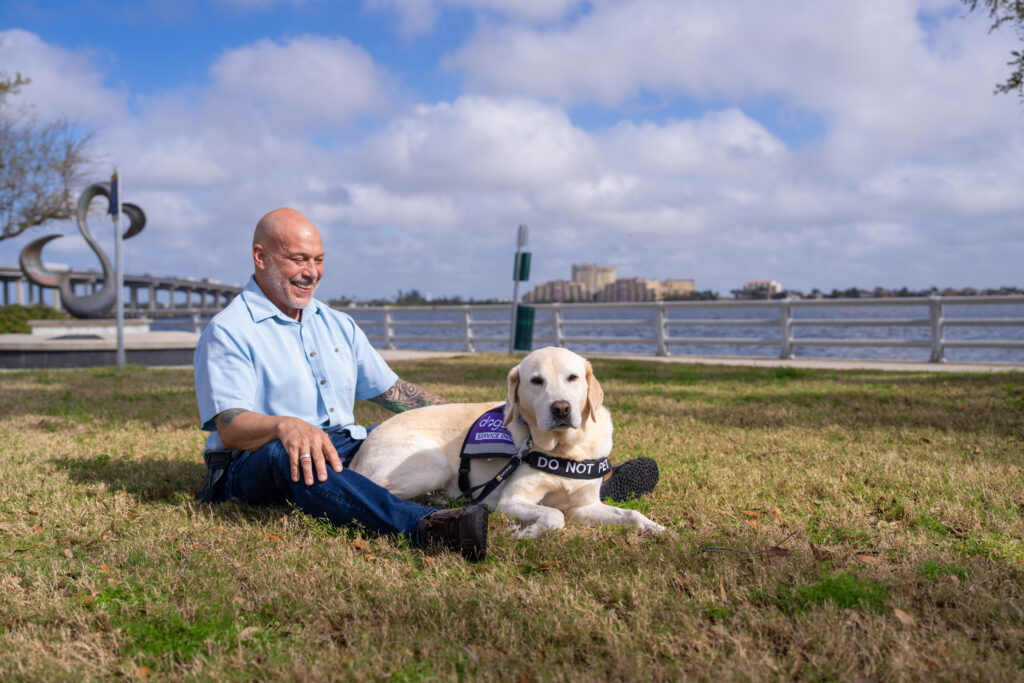
- Task vs. Comfort: Unlike emotional support animals (ESAs), which provide therapeutic presence simply through companionship, service dogs must execute active, trained behaviors.
- Examples of Critical Tasks:
- Guide Work: Navigating complex architectural environments and avoiding physical obstacles for the visually impaired.
- Mobility Support: Retrieving dropped medical equipment, opening heavy automated doors, or bracing to assist with balance.
- Medical Alerts: Sensing physiological changes related to blood sugar spikes, impending seizures, or cardiac episodes and alerting the handler before an emergency occurs.
- Psychiatric Mitigation: Interrupting panic attacks, performing deep pressure therapy during flashbacks, or conducting "room searches" for individuals with severe PTSD.
The Hidden Workload
Many service dogs perform critical tasks that remain entirely invisible to casual observers. A dog resting quietly under a table in a restaurant is rarely "just relaxing"—they are actively monitoring their handler’s breathing, scent changes, or autonomic nervous system responses. Because these dogs are conditioned to maintain absolute composure in chaotic environments—such as crowded subway stations or noisy retail floors—they mask stress exceptionally well. This natural stoicism makes it easy for the public to mistakenly assume the animal welcomes socialization.
Official Statements & Expert Perspectives on Public Etiquette
Organizations dedicated to breeding, training, and placing assistance animals emphasize that public awareness is the single most effective tool for protecting service dog partnerships.
The Core Rule: Always Ask First
Animal behaviorists and advocacy groups maintain a unified stance on public interaction: always ask permission before attempting to interact with a service dog.

"When a stranger approaches a working dog with unsolicited baby talk, whistling, or outstretched hands, they are severing an invisible tether of focus," explains an accessibility coordinator at Dogs Inc. "The handler relies on absolute reliability. Even a two-second lapse in attention can mean the difference between a successful medical alert and a catastrophic health event."
Common Public Missteps to Avoid
Advocacy frameworks highlight several persistent behaviors that undermine working teams:
- Making Direct Eye Contact or Talking to the Dog: Whistling, cooing, or calling out "Who’s a good boy?" draws the dog’s attention away from its primary duty.
- Offering Food or Treats: Unsolicited food rewards not only distract the animal but can violate strict dietary regimens or accidentally reinforce dangerous behaviors like scavenging.
- Allowing Pet Dogs to Approach: Unrestrained pet dogs in non-pet-friendly or even pet-friendly environments frequently rush service dog teams, causing behavioral regression or physical injury to the working animal.
- Hovering or Demanding Explanations: Asking invasive medical questions of the handler or crowding their personal space creates psychological distress.
Correct Etiquette for Specific Audiences
- For the General Public: Adhere to the golden rule: Talk to the person, not the dog. If an interaction is desired, approach the handler respectfully, ask permission, and graciously accept any refusal without pressuring the team.
- For Children: Children are naturally drawn to dogs. Parents and educators are encouraged to use service dog sightings as teachable moments. Explaining simply, "That dog is wearing a uniform because it is at work helping its human," teaches empathy, patience, and situational awareness from an early age.
- For Businesses and Service Providers: Employees in retail, hospitality, and healthcare must treat service dog teams with standard professional courtesy. Refrain from drawing undue attention to the animal, and never demand medical documentation or invasive proof of disability beyond the legally permitted inquiries (what tasks the dog is trained to perform).
Future Outlook: Building a Culture of Accessibility and Respect
As society continues to evolve toward greater inclusivity, the relationship between the public and service dog handlers will remain a critical barometer of community empathy. Ensuring the longevity and effectiveness of these life-changing partnerships requires a collective commitment to ongoing education.
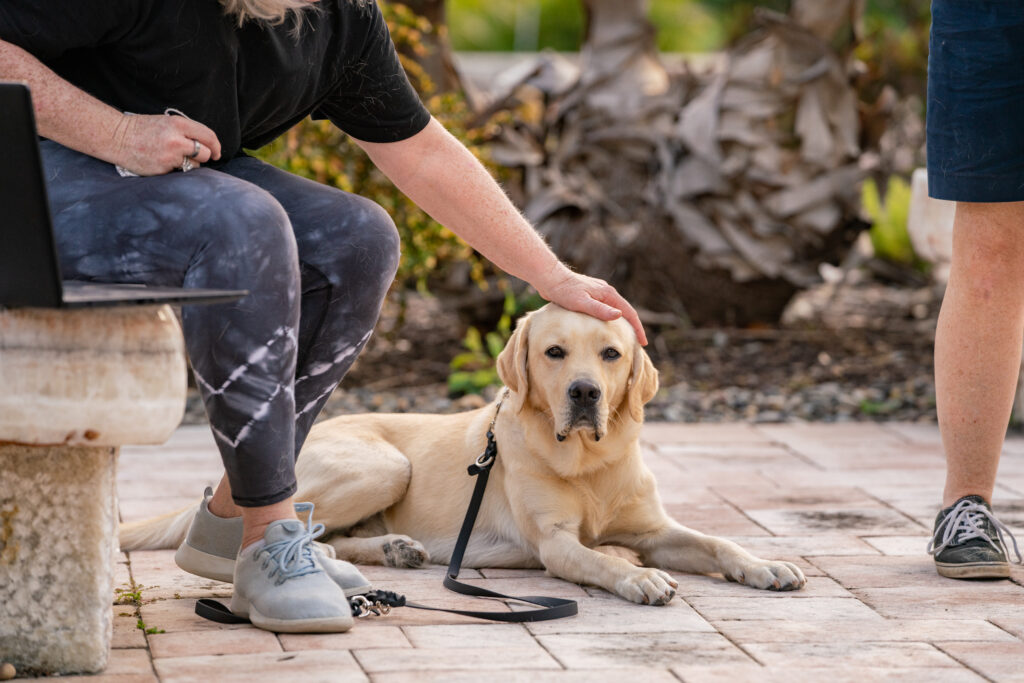
Looking ahead, advocacy organizations are shifting toward proactive digital outreach, school-based curriculum integrations, and corporate accessibility training to normalize service dog boundaries. By transforming public spaces into educated environments where working dogs are instinctively given the physical and mental space they require, communities can empower handlers to navigate the world with maximum independence, security, and dignity.
Ultimately, respecting a service dog’s workspace is an act of profound respect for the human being at the other end of the leash. The next time a calm, focused canine partner crosses your path, remember that the most supportive action you can take is simple: admire from a distance, respect the boundary, and let them do their life-saving work.