Across the United States, municipal and non-profit animal shelters face an unprecedented operational crisis characterized by severe space constraints, reduced live-release rates, and high intakes of stray and surrendered animals. This systemic pressure is felt acutely across the American South, where warm climates, limited low-cost spay and neuter infrastructure, and higher rates of unsterilized pets lead to continuous shelter overcrowding. Without immediate interventions, municipal facilities in these regions face difficult decisions regarding population management, often placing adoptable, healthy animals at risk of euthanasia due solely to a lack of physical kennel space.
To address these regional imbalances, coordinated relocation networks leverage air and ground transport to move animals from overburdened Southern facilities to receiving shelters in the Mid-Atlantic and Northeastern corridors, where adoption demand outstrips local intake.
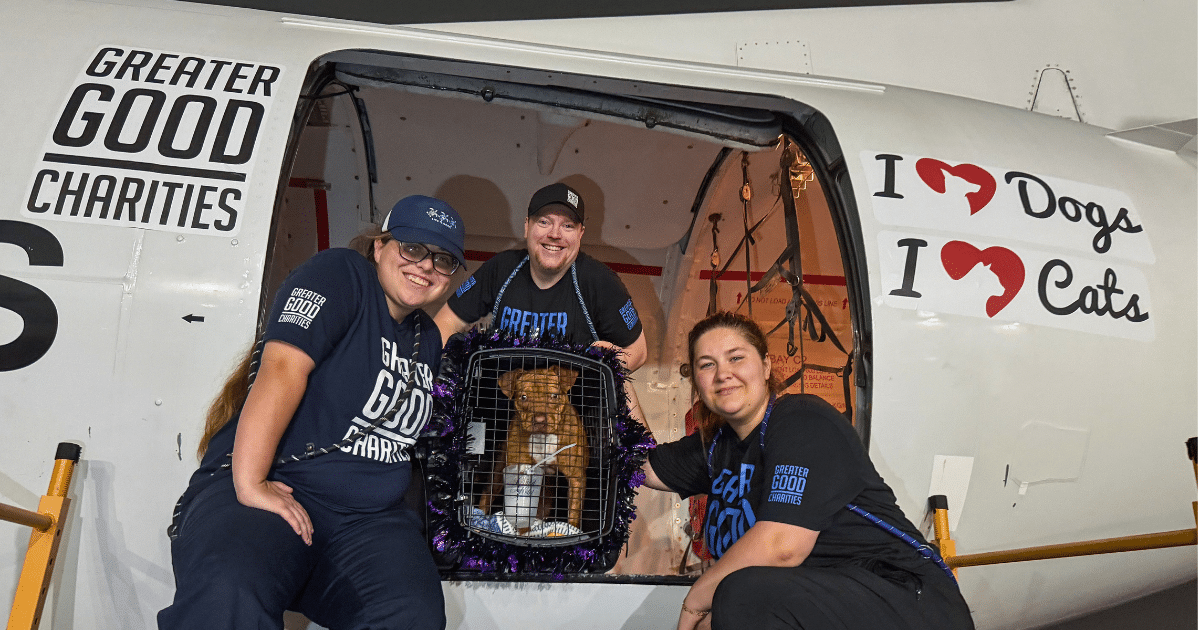
On October 13, a strategic aviation mission designated as the "Escape on the 13th Rescue Flight" transferred dozens of vulnerable shelter pets—including a featured cohort of five dogs—from municipal and non-profit facilities across Louisiana to St. Hubert’s Animal Welfare Center in New Jersey. Orchestrated through a logistical partnership between Greater Good Charities and iHeartDogs, and underwritten in part by contributions from the iHeartDogs Hero VIP Club, the operation provided immediate lifesaving intervention for the animals aboard while creating critical intake capacity for the Southern municipal shelters left behind.
Chronology and Logistical Execution of the Operation
The execution of long-range animal transports requires rigorous pre-flight planning, comprehensive veterinary health screenings, and strict adherence to interstate animal movement regulations set by state departments of agriculture.
+-----------------------------------------------------------------------------------+
|                            MISSION CHRONOLOGY                                     |
+-----------------------------------------------------------------------------------+
| PHASE 1: Intake & Health Vetting                                                  |
| - Medical assessments, vaccinations, & microchipping at LA partner facilities     |
| - Issuance of Interstate Certificates of Veterinary Inspection (ICVI)             |
+-----------------------------------------------------------------------------------+
                                          |
                                          v
+-----------------------------------------------------------------------------------+
| PHASE 2: Ground Logistics & Loading (Oct 12 - Morning Oct 13)                     |
| - St. Charles Parish, Iberville Parish, & Save a Pet transport animals to airfield |
| - Temperature-controlled staging and flight-crate securing                      |
+-----------------------------------------------------------------------------------+
                                          |
                                          v
+-----------------------------------------------------------------------------------+
| PHASE 3: Airborne Transport (October 13)                                          |
| - Departure from Louisiana airport; mid-altitude flight to minimize stress        |
| - In-flight veterinary monitoring and climate management                          |
+-----------------------------------------------------------------------------------+
                                          |
                                          v
+-----------------------------------------------------------------------------------+
| PHASE 4: Reception & Quarantine (Afternoon Oct 13)                                |
| - Arrival in New Jersey; transfer to St. Hubert's Animal Welfare Center           |
| - Intake physicals, behavioral staging, and placement into adoption pipeline      |
+-----------------------------------------------------------------------------------+
Phase 1: Pre-Flight Vetting and Staging
Days prior to departure, shelter staff and veterinary technicians across three partner organizations in Louisiana—St. Charles Parish Animal Shelter, Iberville Parish Animal Shelter, and Save a Pet—conducted comprehensive health evaluations on all candidate animals. Core requirements included:
Up-to-date core vaccinations (Rabies, DHPP)
Heartworm screening and preventative treatment
Flea and tick prophylaxis
Issuance of official Interstate Certificates of Veterinary Inspection (ICVI) proving fitness for flight
Phase 2: Flight Boarding and Transport Operations
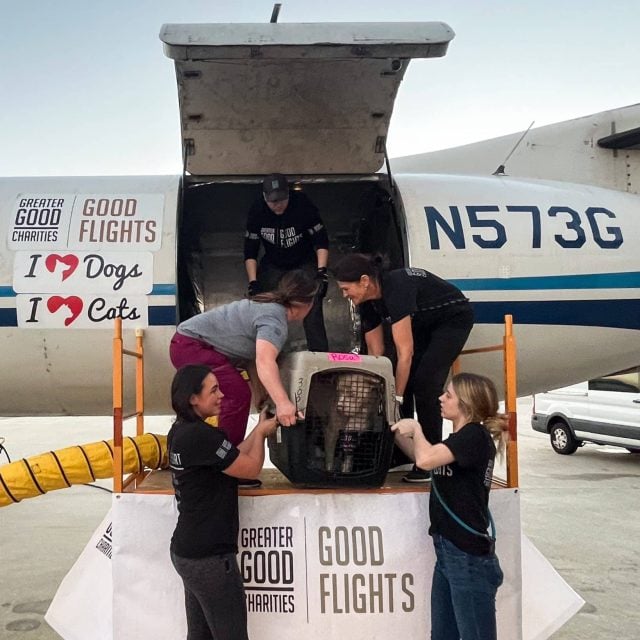
In the early morning hours of October 13, ground transport units transferred the animals to the departure airfield in Louisiana. Cargo compartments on the dedicated rescue aircraft were configured with climate control systems maintained at safe operational temperatures. Animals were secured in individual, well-ventilated travel crates tailored to their body mass and height to prevent injury during turbulence.
Phase 3: Ingress and Intake in New Jersey
Upon touchdown in New Jersey, ground teams from St. Hubert’s Animal Welfare Center accepted the animals directly on the tarmac. St. Hubert’s serves as a primary regional hub within the WayStation network—a national infrastructure dedicated to the equitable distribution of shelter animals. The incoming passengers were transported to St. Hubert’s facility for intake examinations, behavioral assessments, and short-term acclimatization prior to public adoption listing.
Profiles in Resilience: Case Studies of Transferred Canines
The logistics of pet airlifts are best understood through the individual cases of the animals rescued. Among the manifest of the "Escape on the 13th Rescue Flight" were five dogs whose backgrounds highlight the diverse challenges facing Southern shelter populations.
T-Bone: Managing High-Energy Breeds in Municipal Facilities
Breed: Pit Bull Mix
Age: 7 Months
Origin Facility: St. Charles Parish Animal Shelter
Intake Category: Stray / Unclaimed
+-----------------------------------------------------------------------+
| PROFILE: T-BONE                                                       |
+-----------------------------------------------------------------------+
| Age: 7 Months        | Breed: Pit Bull Mix    | Status: Adoptable     |
| Origin: St. Charles  | Target: St. Hubert's   | Trait: Highly Social  |
+-----------------------------------------------------------------------+
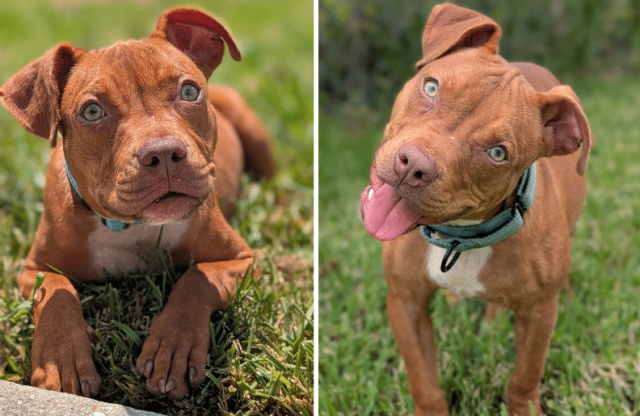
T-Bone arrived at St. Charles Parish Animal Shelter as an stray. When no owner stepped forward during the legally mandated holding period, he entered the facility’s adoption pool. In high-intake municipal environments, bully-breed mixes face statistical headwinds due to breed-specific legislation, housing restrictions, and sheer volume.
Despite his environment, behavioral evaluations revealed strong social traits:
Peer Socialization: Successfully integrated into large shelter playgroups consisting of eight or more dogs, demonstrating advanced canine body language interpretation and submissive play dynamics.
Obedience Foundation: Exhibited high learning comprehension, mastering foundational commands (sit, down, stay) during short, positive-reinforcement training sessions.
Placement Strategy: Relocating T-Bone to New Jersey placed him in a market with higher adoption rates for young, energetic bully mixes, freeing up long-term kennel space in St. Charles Parish.
Rosa: Rehabilitation of Undersocialized Strays
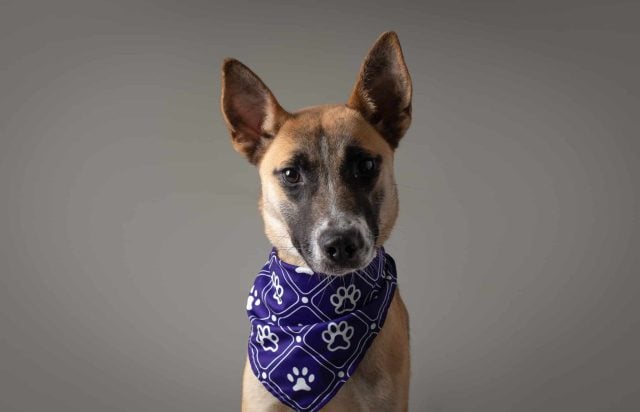
Breed: Shepherd Mix
Age: 1.5 Years
Origin Facility: Iberville Parish Animal Shelter
Intake Category: Stray / Fear-Based Behaviors
+-----------------------------------------------------------------------+
| PROFILE: ROSA                                                         |
+-----------------------------------------------------------------------+
| Age: 1.5 Years       | Breed: Shepherd Mix    | Status: Adoptable     |
| Origin: Iberville    | Target: St. Hubert's   | Trait: Gentle/Timid   |
+-----------------------------------------------------------------------+
Rosa’s profile illustrates the operational challenges of managing fearful, undersocialized animals within busy municipal systems. Upon intake at Iberville Parish Animal Shelter, she displayed non-aggressive, fear-based inhibition, requiring careful handling to prevent behavioral deterioration in a high-stress kennel room.
Shelter staff implemented a structured rehabilitation plan focusing on:
Desensitization to Leash Pressure: Incremental positive reinforcement to build leash-walking confidence.
Human Interaction Protocols: Gradual exposure to unfamiliar handlers to expand her comfort threshold.
Conspecific Socialization: Leveraging the presence of balanced, confident dogs to alleviate anxiety.
By the time of the flight, Rosa showed marked behavioral progress. Her transfer to St. Hubert’s allowed her to transition into an environment equipped with specialized behavior-modification resources, removing her from a shelter operating at critical capacity.
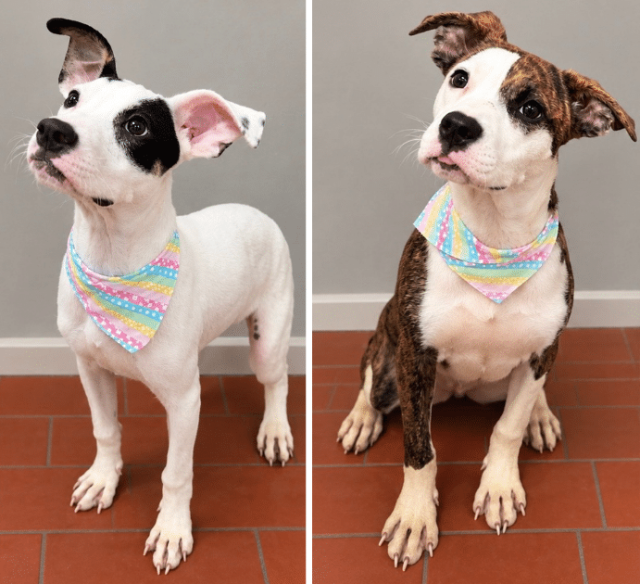
Millie and Moxie: Rural Abandonment and Littermate Dynamics
Breed: Terrier Mixes
Age: 7 Months
Origin Facility: Save a Pet (via private rescue)
Intake Category: Rural Roadside Abandonment
+-----------------------------------------------------------------------+
| PROFILE: MILLIE & MOXIE                                               |
+-----------------------------------------------------------------------+
| Age: 7 Months        | Breed: Terrier Mixes   | Status: Adoptable     |
| Origin: Save a Pet   | Target: St. Hubert's   | Trait: Affectionate   |
+-----------------------------------------------------------------------+
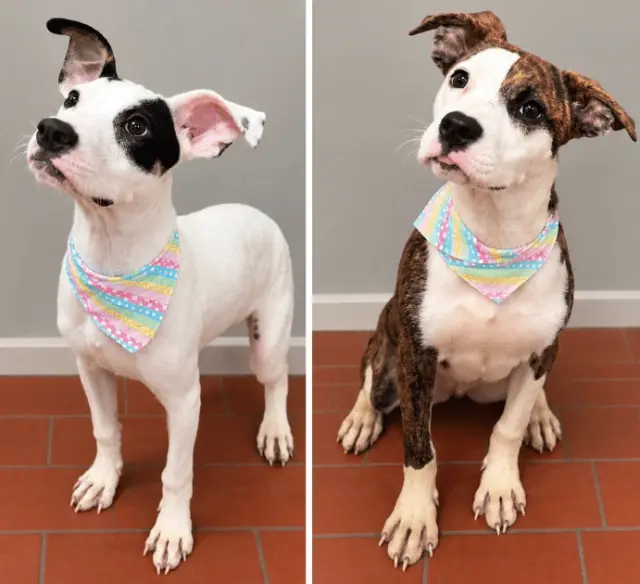
Millie and Moxie were discovered roaming unattended along a rural Louisiana roadway by staff from a local veterinary clinic. Rural areas frequently suffer from high rates of pet abandonment combined with limited animal control enforcement and sparse rescue infrastructure.
Following emergency intake and health stabilization by Save a Pet, evaluators assessed their behavioral bond:
Sociability Metrics: High human-directed sociability, displaying zero fear responses toward novel human handlers despite past trauma.
Independence Assessment: While cooperative as a pair, behavioral testing determined that neither puppy exhibited severe separation anxiety when separated from the other.
This assessment was critical for placement logistics: it allowed St. Hubert’s the operational flexibility to adopt them out either together or to separate, individual homes without causing psychological distress.
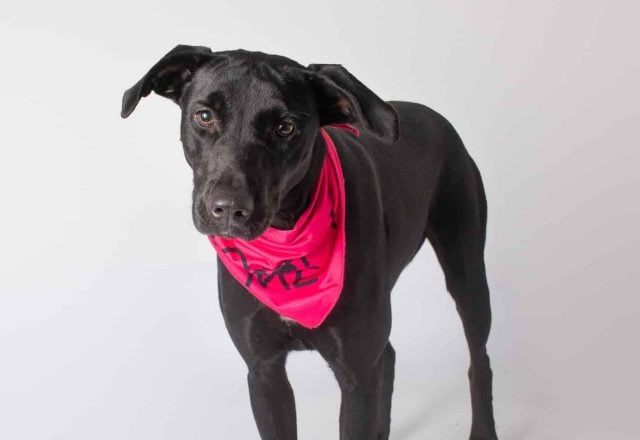
Angel: Owner-Surrender Mitigations and Adult Dog Turnover
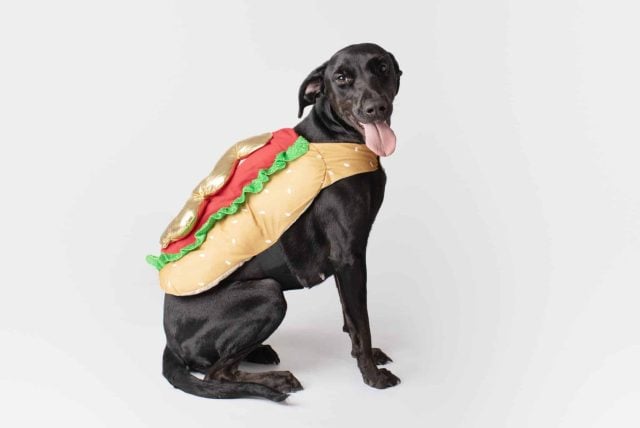
Angel entered the Iberville Parish facility when her previous owners experienced life-altering household changes, leaving them unable to keep her. Owner surrenders of adult dogs present distinct operational challenges; adult medium-to-large dogs generally experience longer lengths of stay in Southern municipal shelters compared to puppies.
Angel’s profile highlighted several key adoptability traits:
House-Trained Status: Fully crate and house-trained prior to surrender, significantly shortening her potential transition period in a new home.
Temperament Stability: High emotional resilience, maintaining stable behavior and an affectionate demeanor throughout the stress of surrender and shelter intake.
By moving Angel to the Northeast, where adoption demand for mature, house-trained Labrador mixes remains high, the transport network significantly reduced her expected "Length of Stay" (LOS), optimizing kennel space in both origin and destination regions.
Supporting Context and Macro-Metrics: The Transport Model
To fully understand the necessity of operations like the "Escape on the 13th Rescue Flight," one must examine the broader metrics governing national animal welfare logistics.
+-----------------------------------------------------------------------------------+
|                        REGIONAL SHELTER SUPPLY & DEMAND                           |
+-----------------------------------------------------------------------------------+
| SOUTHERN REGIONS (Origin)                   NORTHEASTERN REGIONS (Destination)    |
| - High intake rates (strays/surrenders)     - Lower stray intake rates            |
| - Year-round breeding season                - High spay/neuter compliance rates   |
| - Limited shelter capacity                  - High public adoption demand         |
| - Risk: High euthanasia rates for space     - Need: Adoptable animal intake       |
+-----------------------------------------------------------------------------------+
                                         |
                                         v
+-----------------------------------------------------------------------------------+
|                       LOGISTICAL INTERVENTION: AIR TRANSPORT                      |
|  - Rapid long-distance relocation via Greater Good Charities & iHeartDogs         |
|  - Instantly alleviates Southern shelter capacity limits                          |
|  - Fulfills Northeastern adoption supply gaps                                     |
+-----------------------------------------------------------------------------------+
The Spatial Crisis in Southern Shelters
Animal shelters operate under a metric known as Capacity for Care (C4C). C4C represents the maximum number of animals a facility can humanely house while maintaining physical health, mental well-being, and proper medical and care standards.
When intake numbers exceed a facility’s C4C:
Disease Transmission Rates Rise: High density increases the spread of upper respiratory infections (URI) and parvo.
Behavioral Deterioration Accelerates: Prolonged exposure to high noise levels and tight quarters induces chronic stress, leading to kennel reactivity, depression, and fearfulness.
Euthanasia for Space Increases: Municipal shelters with open-intake mandates are legally obligated to accept incoming animals, forcing them to euthanize adoptable animals simply to free up physical space.
The Dynamics of Interstate Relocation
The relocation model leverages a clear geographic disparity in pet populations across the United States:
Region
Intake Drivers
Spay/Neuter Rates
Public Adoption Demand
Spatial Pressure
Deep South (e.g., LA)
High stray volume, year-round breeding climate
Lower due to limited low-cost clinic access
Low to Moderate (Outpaced by intake)
Extreme Overcrowding
Northeast (e.g., NJ)
Moderate stray volume, seasonal breeding cycles
High due to widespread legislative & clinic support
High (Exceeds local shelter intake)
Stable / High Capacity
By airlifting dogs from Louisiana to New Jersey, transport operations balance this equation. The transfer delivers immediate relief to Southern shelters, allowing them to remain within their Capacity for Care thresholds without resorting to euthanasia for space.
The Downstream Lifesaving Effect
The impact of transporting five dogs extends well beyond those individual animals:
[ 5 Dogs Transported Out of LA ]
              │
              ▼
[ 5 Kennels Instantly Vacated in LA ]
              │
              ▼
[ 5 Incoming Stray/Surrender Animals Housed ]
              │
              ▼
[ Euthanasia Avoided for Secondary Animals ]
Each vacated kennel in an overcrowded shelter buys precious time for the next animal entering the system. Consequently, airlifting five animals effectively saves ten lives: the five on the plane, and the five local animals that can now be housed in the vacated kennels.
Official Statements and Stakeholder Perspectives
Representatives from participating organizations underscored the strategic importance of sustained rescue flight operations and non-profit funding models.
"For dogs living in overcrowded shelters, the primary threat is not an abstract concept—it is the stark reality of an uncertain tomorrow," stated a spokesperson for iHeartDogs. "When shelters reach critical capacity, adoptable animals face tragic outcomes simply because there is no room left. Through our partnership with Greater Good Charities and the dedicated support of our Hero VIP Club members, these flights transform that uncertainty into immediate, actionable hope."
Coordinates within the transport ecosystem emphasized the critical role of destination hubs like St. Hubert’s Animal Welfare Center:
"Relocation operations are not merely about moving animals from Point A to Point B," noted an animal welfare logistics specialist familiar with the mission. "They represent a coordinated infrastructure network. Facilities like St. Hubert’s possess the community adoption rates and medical infrastructure necessary to quickly transition these dogs into loving homes, ensuring that the work done by shelter staff in Louisiana reaches a successful conclusion."
Addressing the funding mechanisms behind pet airlifts, an iHeartDogs Hero VIP Club program manager highlighted the community-supported model:
"Every flight requires significant capital, covering everything from aviation fuel and crates to interstate health certificates and ground logistics. The monthly commitments of our VIP members directly fund these operational costs. The ‘Escape on the 13th’ flight stands as concrete proof of what community-driven philanthropy can accomplish."
Future Outlook and Strategic Imperatives
While airlifts provide immediate relief to overwhelmed shelters, long-term stability in regional animal welfare requires a dual approach combining emergency relocation with systemic policy interventions.
+-----------------------------------------------------------------------------------+
|                        STRATEGIC ANIMAL WELFARE ROADMAP                           |
+-----------------------------------------------------------------------------------+
| SHORT-TERM TACTICS (Immediate Relief)                                             |
| ──► Interstate Air & Ground Transports (e.g., Escape on the 13th Flight)          |
| ──► Emergency Capacity Mitigation & Kennel Space Creation                         |
+-----------------------------------------------------------------------------------+
                                         │
                                         ▼
+-----------------------------------------------------------------------------------+
| MID-TERM STRATEGIES (Regional Stabilization)                                      |
| ──► Expansion of Regional Transfer Hubs (WayStation Networks)                      |
| ──► Underwriting Micro-Grants for High-Intake Municipal Shelters                  |
+-----------------------------------------------------------------------------------+
                                         │
                                         ▼
+-----------------------------------------------------------------------------------+
| LONG-TERM IMPERATIVES (Systemic Resolution)                                       |
| ──► High-Volume Spay/Neuter (HVSN) Infrastructure Expansion in the South          |
| ──► Targeted Microchipping & Targeted Community Pet Retention Initiatives         |
+-----------------------------------------------------------------------------------+
1. Scaling Transport Infrastructure
To keep pace with intake demands, non-profit coalitions are working to expand the frequency of dedicated transport flights. By establishing routine, scheduled flight corridors between the South and Northern receiving hubs, rescue organizations can establish predictable intake cycles, allowing Southern facilities to manage their populations more effectively.
2. Expanding Spay/Neuter Infrastructure in Origin Communities
Relocation operations address the symptoms of pet overpopulation; resolving the root cause requires scaling up High-Volume Spay/Neuter (HVSN) programs in origin states like Louisiana. Organizations involved in transport logistics increasingly reinvest program proceeds into targeted spay/neuter clinics, mobile veterinary units, and community trap-neuter-return (TNR) initiatives.
3. Sustainable Funding via Consumer Engagement
The financial viability of rescue flights depends heavily on public support and monthly donor programs. Organizations like iHeartDogs continue to expand initiatives like the Hero VIP Club and the Second Chance Movement Collection, leveraging merchandise sales and subscription funding models to finance logistics without drawing from local municipal shelter budgets.
Conclusion
The "Escape on the 13th Rescue Flight" highlights the power of targeted, collaborative animal welfare interventions. By lifting T-Bone, Rosa, Millie, Moxie, Angel, and their fellow passengers out of overcrowded facilities and delivering them to dynamic adoption markets in the Northeast, the coalition of iHeartDogs, Greater Good Charities, and regional shelters transformed a crisis into an extraordinary story of survival. As long as regional pet overpopulation imbalances persist, these airborne lifelines remain a vital tool in the ongoing effort to ensure that every adoptable animal finds a safe, loving home.