
Date: October 30, 2026
Source: Alley Cat Allies Advocacy Desk & Reporting
Executive Overview
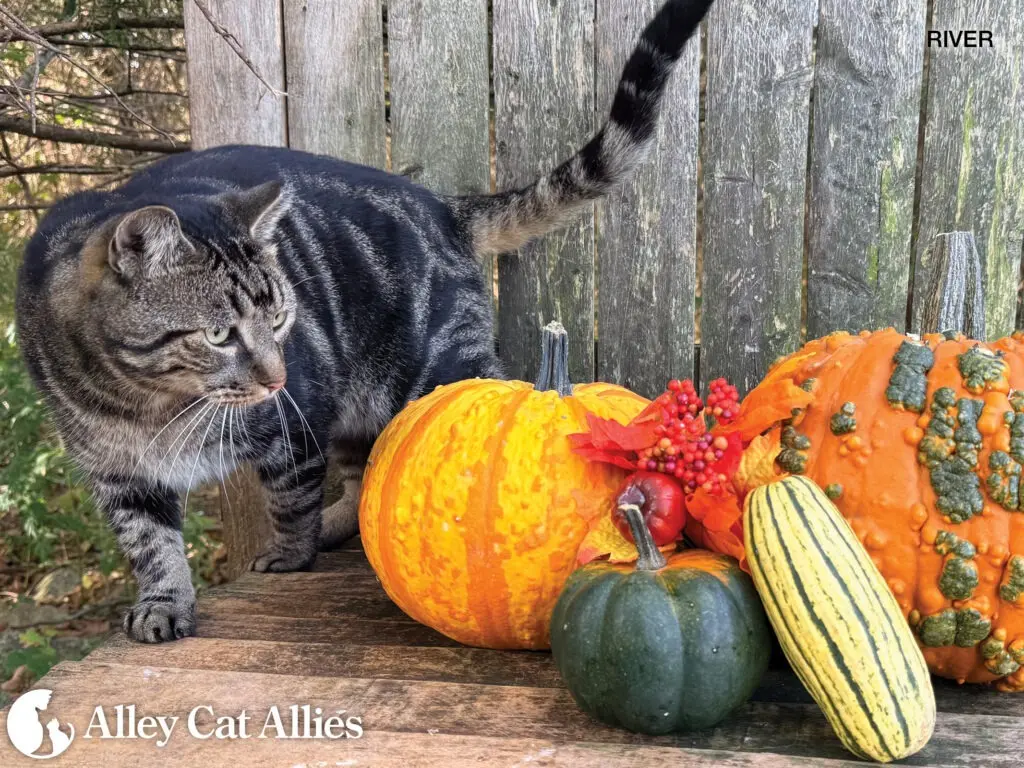
As neighborhoods transform into haunted spectacles of flickering jack-o’-lanterns, artificial cobwebs, and bustling trick-or-treaters, the annual celebration of Halloween brings excitement to millions. However, beneath the festive surface of costumes and candy lurks a series of hidden hazards for our feline companions. From toxic holiday treats and strangulation risks posed by decorative wiring to the sheer panic induced by a constant stream of strangers at the door, October 31 presents distinct challenges for household pets and outdoor community cats alike.
In response to these seasonal risks, leading feline advocacy and protection organizations, notably Alley Cat Allies, have released comprehensive guidelines designed to safeguard cats during the festivities. Beyond the immediate seasonal concerns, animal advocates are utilizing this high-visibility period to draw attention to year-round systemic threats facing cats. These include dangerous municipal policies, misinformation campaigns, and the critical need for humane, non-lethal population management frameworks like Trap-Neuter-Return (TNR). This report explores the intersection of seasonal pet safety, community cat tracking, and the broader, ongoing movement to secure legal protections for cats in every neighborhood.
Detailed Chronology: Managing the Halloween Surge
To understand how to protect cats effectively during Halloween, experts recommend breaking down the evening into distinct operational phases. Managing the environment proactively can mean the difference between a peaceful night and a veterinary emergency.
Phase 1: Pre-Evening Setup and Decoration Audit (Late Afternoon)
Hours before the first trick-or-treaters arrive at the doorstep, households must conduct a thorough safety audit of their indoor and outdoor environments.
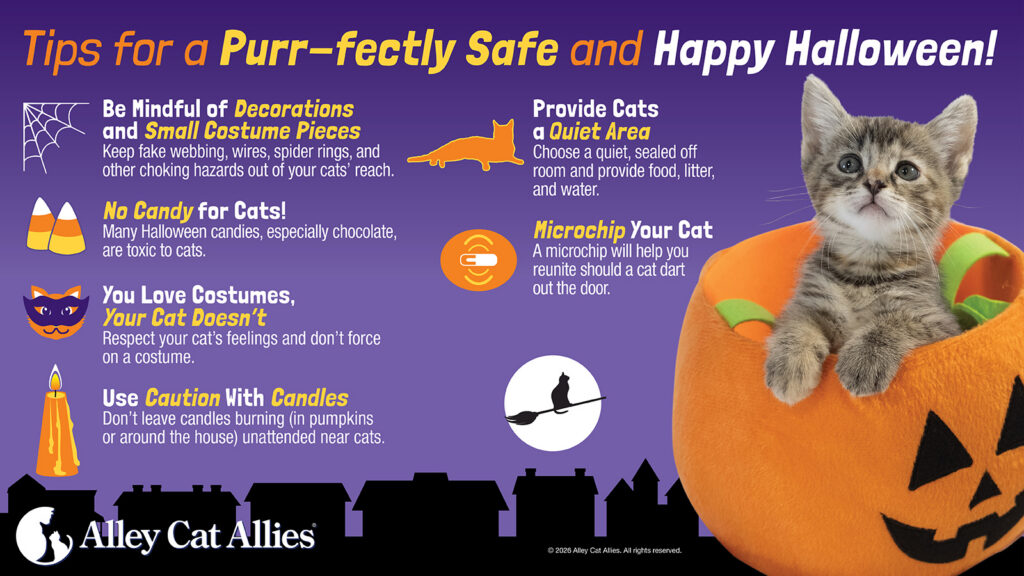
- Tackling Choking and Blockage Hazards: Artificial cobwebs, fake plastic leaves, moss, and small decorative items like plastic spider rings pose severe gastrointestinal obstruction risks if ingested by curious cats. These items must be placed entirely out of reach or eliminated from areas accessible to pets.
- Securing Electrical Infrastructure: Illumination is central to Halloween décor, but trailing extension cords and glowing string lights present chew hazards. Cats drawn to dangling wires can suffer severe electrical burns or electrocution. Securing cords with heavy-duty tape or running them through protective channels is essential.
- Open-Door Protocols: The constant opening of front doors to greet costumed visitors creates prime escape opportunities. Families should establish a secure perimeter or move pets away from entryways well before peak trick-or-treating hours begin.
Phase 2: Peak Festivities and Sensory Management (Evening Hours)
As the neighborhood fills with noise, shouting, and costumed foot traffic, indoor cats experience heightened stress levels.
- Establishing Safe Sanctuaries: Experts advise setting up a designated "safe room" away from the front door. This room should be fully equipped with food, water, a clean litter box, familiar bedding, and favorite toys.
- Acoustic and Olfactory Masking: To buffer against the startling sounds of doorbells, knocking, and boisterous crowds, caregivers can turn on a television or radio at a low, consistent volume. Additionally, plugging in synthetic feline facial pheromone diffusers (such as Feliway) helps create a calming atmospheric buffer.
- Banning Costumes for Cats: While dressing up pets may seem like harmless fun, forcing cats into restrictive clothing causes significant psychological distress. Costumes can restrict a cat’s natural movement, impair respiration, and hinder their ability to communicate through body language.
Phase 3: Post-Halloween Assessment and Community Cat Check (November 1 and Beyond)
The responsibilities of cat protection do not end when the last candy wrapper is thrown away.
- Reassessing Indoor Spaces: Caregivers should inspect living areas for dropped candy, stray wrappers, or knocked-over jack-o’-lantern candles that may have shifted during the night.
- Checking on Outdoor Colonies: For community cat caregivers, the days immediately following Halloween require diligent monitoring. While outdoor cats instinctively seek shelter during periods of high neighborhood activity, straying or post-holiday debris can pose unexpected dangers. Utilizing colony tracking systems ensures every animal is accounted for and safe.
Supporting Context & Metrics: Hazards, Poison Control, and Community Tracking
Navigating holiday safety requires an understanding of the specific physiological and behavioral vulnerabilities cats face. Veterinary science highlights several critical danger zones that every pet owner and community advocate should recognize.
Toxic Treats and Culinary Hazards
The association between Halloween and confectionery is well-established, but human sweets are frequently poisonous to domestic animals.
- Chocolate Toxicity: Dark chocolate and baking cocoa contain high levels of theobromine and caffeine, both of which are metabolized very slowly by cats and dogs, leading to cardiac arrhythmias, tremors, and seizures.
- The Artificial Sweetener Danger: Xylitol, a common sugar substitute found in sugar-free candies, gums, and baked goods, induces a rapid and catastrophic release of insulin in animals, resulting in severe hypoglycemia (low blood sugar), liver failure, and potential fatality.
- Foreign Body Ingestion: Beyond the food itself, metallic and plastic candy wrappers present sharp edges and choking hazards that can puncture or block the intestinal tract.
Emergency Contact Information: If ingestion of a toxic substance is suspected, immediate veterinary intervention is critical. Caregivers can contact their local veterinarian, an emergency animal hospital, or the Pet Poison Helpline at 855-764-7661 for immediate, round-the-clock toxicological guidance.
Microchipping: The Ultimate Safety Net
Despite the best precautions, doors swing open frequently on Halloween, and a startled cat may bolt into the night. Alley Cat Allies emphasizes that microchipping serves as an indispensable safety net. Unlike collars, which can snag or slip off during a panic-stricken escape, a microchip provides a permanent, tamper-proof link between a lost animal and its caregiver. Ensuring that microchip registry databases contain current telephone numbers and addresses is a vital preventative measure.
Community Cat Colony Management
For feral and community cats who live outdoors, tracking systems are essential. Organizations advocate for systematic record-keeping—including photographic identification, health notes, and ear-tip verification—to monitor colony populations. Maintaining these logs allows caregivers to immediately notice if a cat goes missing or displays signs of distress following disruptive neighborhood events.
Official Statements and Expert Perspectives
Animal advocacy organizations stress that protecting cats requires a dual approach: mitigating immediate environmental hazards during holidays and dismantling systemic threats year-round.
"Something wicked this way comes—Halloween is just around the bend! We’re all looking forward to a monstrously good time, but we also want the night to be as safe as it is spooky. That goes for the cats we care for, too," notes the outreach team at Alley Cat Allies.
Advocates stress that community safety extends far beyond domestic living rooms. Every day, free-roaming and community cats face existential threats stemming from municipal policies rooted in outdated information and institutional bias.
"Every day of the year, cats of all coat colors are at risk from a true horror: cruel and lethal policies. Most of these policies are rooted in dangerous misinformation about cats and a lack of respect for the inherent value of their lives," institutional reports emphasize. "Cats Are Community™ and deserve the respect and protection of laws and policies, from the animal shelter to the veterinary clinic to the courtroom."
Experts advocate for a transition away from catch-and-kill shelter models toward progressive, evidence-based practices. Central to this paradigm shift is Trap-Neuter-Return (TNR), a humane methodology that stabilizes outdoor cat populations naturally while improving the health and welfare of the animals.
Future Outlook: Building a Culture of Lifesaving Advocacy
As public awareness surrounding animal welfare evolves, the movement for feline protection is shifting toward systemic legislative reform and active community engagement. The path forward relies on empowering everyday citizens to become frontline advocates for change.
1. Demystifying Local Animal Laws
Municipal codes dictate how local animal control agencies operate, what happens to impounded pets, and whether community cats receive legal protection. Advocacy groups provide step-by-step guides enabling citizens to review local ordinances, request animal shelter outcome records, and identify systemic policy gaps. Understanding these frameworks is the first step toward demanding accountability and transparency from local government institutions.
2. Upgrading Shelter Protocols and Anti-Cruelty Enforcement
True reform requires aligning institutional practices with modern humane standards. This includes abolishing lethal, arbitrary shelter policies and ensuring that animal cruelty laws are rigorously enforced. When neglect or abuse occurs, informed citizens must know how to report incidents effectively to law enforcement and push for prosecution to the fullest extent of the law.
3. Sustaining the Movement Through Community Support
Protecting cats—whether from the sensory overload of Halloween night or the structural hazards of flawed public policy—requires collective action. With millions of supporters worldwide, organizations like Alley Cat Allies continue to champion educational initiatives, legislative reforms, and direct care programs.
By combining vigilant holiday precautions with steadfast, year-round advocacy, communities can build a future where every cat is valued, protected, and given the opportunity to live a safe, healthy life.