Maintaining proper fluid balance and cellular hydration is a fundamental cornerstone of canine health. While clean water remains the primary source of hydration for domestic dogs, specific physiological stressors—such as high ambient temperatures, intense physical exertion, acute gastrointestinal distress, and recovery from illness—can rapidly deplete essential minerals. Electrolytes, primarily sodium, potassium, chloride, calcium, and magnesium, are electrically charged ions vital for cellular homeostasis, nerve signal conduction, muscle function, and maintaining systemic pH levels.
When a dog suffers fluid loss through persistent vomiting, diarrhea, hyperventilation (panting), or extreme physical strain, simple water intake may prove insufficient to restore metabolic equilibrium. In such cases, standard water consumption without mineral replenishment risks diluting remaining intravascular electrolytes, potentially triggering condition-specific complications such as hyponatremia or hypokalemia.
To address these vulnerabilities, the veterinary nutraceutical sector has developed specialized canine oral rehydration therapies (ORT) and electrolyte supplements. Formulated specifically to match canine metabolic profiles, these products deliver precise balances of minerals, amino acids, and quick-absorption carbohydrates.
This comprehensive report evaluates seven top-performing canine electrolyte formulations currently available, analyzing their delivery mechanisms, ingredient profiles, targeted applications, and clinical relevance for working dogs, puppies, and pets recovering from illness.
2. Detailed Breakdown: Evaluating the Top 7 Canine Electrolyte Solutions
The market for dog hydration supplements spans multiple administration formats, including ready-to-drink oral solutions, liquid concentrates, water-soluble powders, chewable supplements, and functional dietary meals. Below is a detailed analysis of the leading products designed to restore electrolyte balance in dogs.
+------------------------------------------------------+---------------------+-----------------------------------+
| Product Name                                         | Format              | Primary Indication                |
+------------------------------------------------------+---------------------+-----------------------------------+
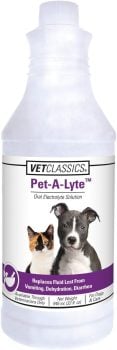
| 1. Vet Classics Pet-A-Lyte Oral Solution             | Ready-to-use Liquid | Acute fluid loss (GI distress)    |
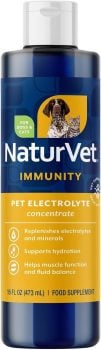
| 2. NaturVet Pet Electrolyte Concentrate              | Liquid Concentrate  | Mild dehydration / Active dogs    |
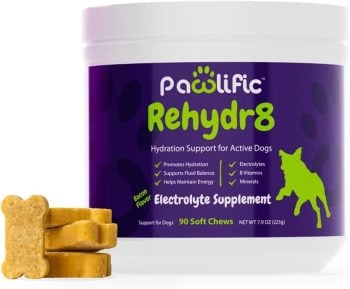
| 3. Pawlific Electrolyte Chews                        | Chewable Supplement | Maintenance & activity support    |
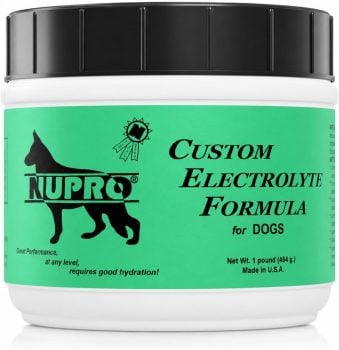
| 4. Nupro Custom Electrolyte Formula                  | Bulk Powder         | High-exertion recovery & appetite |
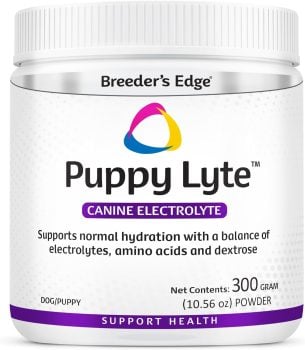
| 5. Breeder’s Edge Puppy Lyte                         | Water-Soluble Powder| Neonatal & pediatric hydration    |
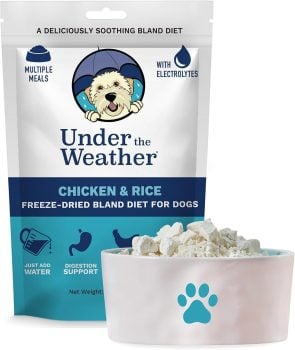
| 6. Under the Weather Bland Diet with Electrolytes    | Freeze-Dried Meal   | Digestive upset recovery          |
| 7. Petralyte Dog Electrolytes & Joint Supplement     | Powder Packets      | Dual hydration & mobility support |
+------------------------------------------------------+---------------------+-----------------------------------+
1 – Vet Classics Pet-A-Lyte Oral Electrolyte Solution
Target Audience: Dogs and cats recovering from acute gastrointestinal events (vomiting, diarrhea) or severe heat stress.
Vet Classics Pet-A-Lyte is formulated for immediate administration without requiring dilution or preparation, reducing the risk of improper mixing ratios during urgent care situations. Developed under veterinary guidance, Pet-A-Lyte contains a balanced concentration of essential minerals designed to restore normal fluid balance within blood plasma and peripheral tissues. Its enhanced palatability encourages self-volition drinking in lethargic or nauseated animals, making it an effective first-line option for home recovery following minor gastrointestinal disturbances.
2 – NaturVet Pet Electrolyte Concentrate
Delivery Mechanism: Liquid concentrate (16 oz., makes 32 oz. when reconstituted)
Target Audience: Working breeds, hunting dogs, agility competitors, and general maintenance during warm weather.
Manufactured in the United States using globally sourced ingredients, NaturVet Pet Electrolyte Concentrate offers a practical solution for pet owners managing active working dogs. Because it is supplied as a concentrate to be mixed with fresh drinking water, owners can adjust batch sizes based on field conditions. The formula supports fluid balance across mild fluid loss events and serves as an effective prophylactic hydration tool prior to or immediately following strenuous field exercises.
3 – Pawlific Electrolyte Chews for Dogs
Delivery Mechanism: Soft chewable treats
Formulation Focus: Portable, treat-based hydration and digestive support
Target Audience: Daily maintenance, active dogs, and travel scenarios where liquid administration is impractical.
Pawlific Electrolyte Chews represent an alternative approach to canine hydration. Rather than relying on liquid intake, these soft chews encapsulate electrolytes alongside anti-diarrheal agents and essential vitamins. This form factor is designed for dogs that refuse to consume altered drinking water. While chewable supplements cannot replace fluid volume in cases of moderate to severe dehydration, they act as an accessible preventive measure to support energy metabolism, gut health, and electrolyte balance during travel or light exertion.
Formulation Focus: High-potency metabolic and appetite restoration
Target Audience: Performance dogs, working canines, and animals experiencing stress-induced fatigue or digestive upset.
Nupro Custom Electrolyte Formula is a veterinarian-recommended powder formulated to address tissue mineral depletion caused by intense physical labor, prolonged stress, or illness. In addition to essential electrolytes, the formula aids in stimulating appetite—a critical factor for performance dogs that experience stress-induced anorexia following travel or exertion. By aiding systemic fluid retention and mitigating symptoms like fatigue and nausea, Nupro provides bulk supplementation suitable for multi-dog kennels or working canine units.
5 – Breeder’s Edge Puppy Lyte
Delivery Mechanism: Water-soluble powder (300 g container)
Formulation Focus: Pediatric and neonatal rehydration with amino acid fortification
Target Audience: Puppies, nursing litters, and post-parturient dams.
Neonatal and pediatric canines are susceptible to rapid dehydration due to their higher body surface area-to-mass ratio and immature renal processing abilities. Breeder’s Edge Puppy Lyte is engineered specifically for developing puppies and dams. In addition to replenishing lost sodium and potassium ions, Puppy Lyte incorporates essential amino acids and fast-acting carbohydrates to support glucose availability and cellular energy production. It serves as a vital clinical tool for breeders managing puppy scours, weaning stress, or environmental heat variations.
6 – Under the Weather Bland Diet for Dogs (Chicken & Rice with Electrolytes)
Under the Weather integrates electrolyte supplementation into a standard therapeutic bland diet. Formulated with 100% human-grade freeze-dried white meat chicken and white rice, this vet-formulated meal is free of gluten, artificial dyes, and by-products. When rehydrated with warm water, it forms an easily digestible meal enhanced with electrolytes. This dual-action approach relieves the digestive tract while simultaneously addressing fluid and mineral losses stemming from diarrhea or vomiting.
7 – Petralyte Dog Electrolytes and Joint Supplement
Delivery Mechanism: Single-serve powder sachet packets (available in multiple flavors)
Formulation Focus: Multi-system support (hydration, joint health, cardiovascular function)
Target Audience: Aging dogs, senior canines with mobility issues, and active dogs requiring joint defense.
Petralyte introduces a multi-functional delivery system by combining fast-acting electrolyte technology with systemic nutrients. Packaged in convenient single-serve sachets, it mixes easily into standard drinking water or serves as a wet-food topper. The formula includes Taurine to support myocardial health, as well as Glucosamine and Methylsulfonylmethane (MSM) to support articular cartilage integrity and joint inflammation control. This compound profile makes Petralyte suitable for aging canines that require simultaneous mobility support and hydration management.
Electrolytes regulate the movement of water across cell membranes via osmotic pressure gradients:
Sodium ($textNa^+$): The primary extracellular cation responsible for maintaining osmotic pressure, blood volume, and membrane potential. Loss of sodium leads to decreased intravascular volume and hypotension.
Potassium ($textK^+$): The predominant intracellular cation essential for resting membrane potential, particularly within cardiac and skeletal muscle tissue. Hypokalemia can manifest as muscle weakness, lethargy, and cardiac dysrhythmias.
Chloride ($textCl^-$): Works synergistically with sodium to preserve extracellular fluid volume and acid-base balance.
Calcium ($textCa^2+$) & Magnesium ($textMg^2+$): Critical co-factors for muscular contractions, blood coagulation cascades, and neurochemical transmission.
Signs of Canine Electrolyte Imbalance and Dehydration
Veterinarians classify fluid loss into three main categories: Isotonic (equal loss of water and sodium), Hypertonic (water loss exceeds electrolyte loss), and Hypotonic (electrolyte loss exceeds water loss). Dog owners and handlers should monitor for key clinical markers indicating electrolyte disruption:
Loss of Skin Turgor: Delayed return of skin when gently pinched over the shoulders (skin tenting).
Dry, Tacky Mucous Membranes: Gums lose their slick, moist sheen and become sticky.
Delayed Capillary Refill Time (CRT): Pressing on the gums takes longer than 2 seconds to return to a pink color, signaling reduced peripheral perfusion.
Neuromuscular Deficits: General ataxia, muscle fasciculations, lethargy, or weakness in the hindlimbs.
The Danger of Human Sports Drinks and Pediatric Formulas
A common misstep among pet owners during emergency situations is administering human sports drinks (e.g., Gatorade, Powerade) or human pediatric solutions (e.g., Pedialyte) without professional oversight. Veterinary toxicologists and emergency clinicians strongly advise caution regarding human-targeted formulations for the following reasons:
Toxicological Risk: Many human hydration products utilize artificial sweeteners, most notably Xylitol (Wood Sugar/Birch Sugar). In canines, Xylitol triggers a severe release of insulin, causing rapid, life-threatening hypoglycemia and acute hepatic necrosis.
Improper Sodium-to-Glucose Ratio: Human sports beverages are engineered for human sweat profiles, containing elevated sugar levels to drive rapid intestinal glucose transport in humans. In dogs—which cool primarily through panting rather than sweating—these high sugar concentrations can draw water into the intestinal lumen via osmotic action, worsening diarrhea and accelerating dehydration.
Renal & Electrolyte Overload: Human pediatric drinks often feature sodium and potassium ratios unsuited to canine renal filtration thresholds, potentially predisposing small dogs or those with subclinical renal disease to hypernatremia or hyperkalemia.
Clinical Guidance on Administration
Veterinarians emphasize that while oral electrolyte solutions are effective for mild fluid loss and prophylactic support, they cannot replace veterinary interventions in cases of severe dehydration ($>8%$ loss of body weight in water). Severe dehydration requires intravenous (IV) or subcutaneous fluid administration in a clinical setting to bypass intestinal absorption limits and directly restore circulatory volume.
5. Future Outlook & Industry Directions
The canine hydration sector is evolving from simple rehydration products toward comprehensive metabolic support tools. Key trends shaping future research and product development include:
Field-Ready Rapid Formulations: Increasing demand from military working dog (MWD) units, search-and-rescue teams, and agility organizations is driving the development of ultra-portable, highly stable micro-encapsulated electrolyte powders designed for immediate deployment in extreme environments.
Microbiome and Enteric Health Integration: Modern formulations are increasingly incorporating prebiotics, postbiotics, and specific organic acids (such as butyrate) to protect intestinal tight junctions, accelerating recovery from fluid loss associated with stress-induced gastroenteritis.
Targeted Geriatric Formulations: As pet longevity increases, hydration aids are combining electrolytes with joint-protecting agents, anti-inflammatory lipids, and renal-supportive compounds to assist aging canines susceptible to chronic low-grade dehydration.
Ultimately, electrolyte supplementation serves as a valuable tool in modern canine preventative care and recovery management. By selecting appropriate, dog-specific formulations and recognizing the clinical limits of oral rehydration, pet owners and working handlers can safeguard canine performance, metabolic function, and long-term health.