
Executive Overview
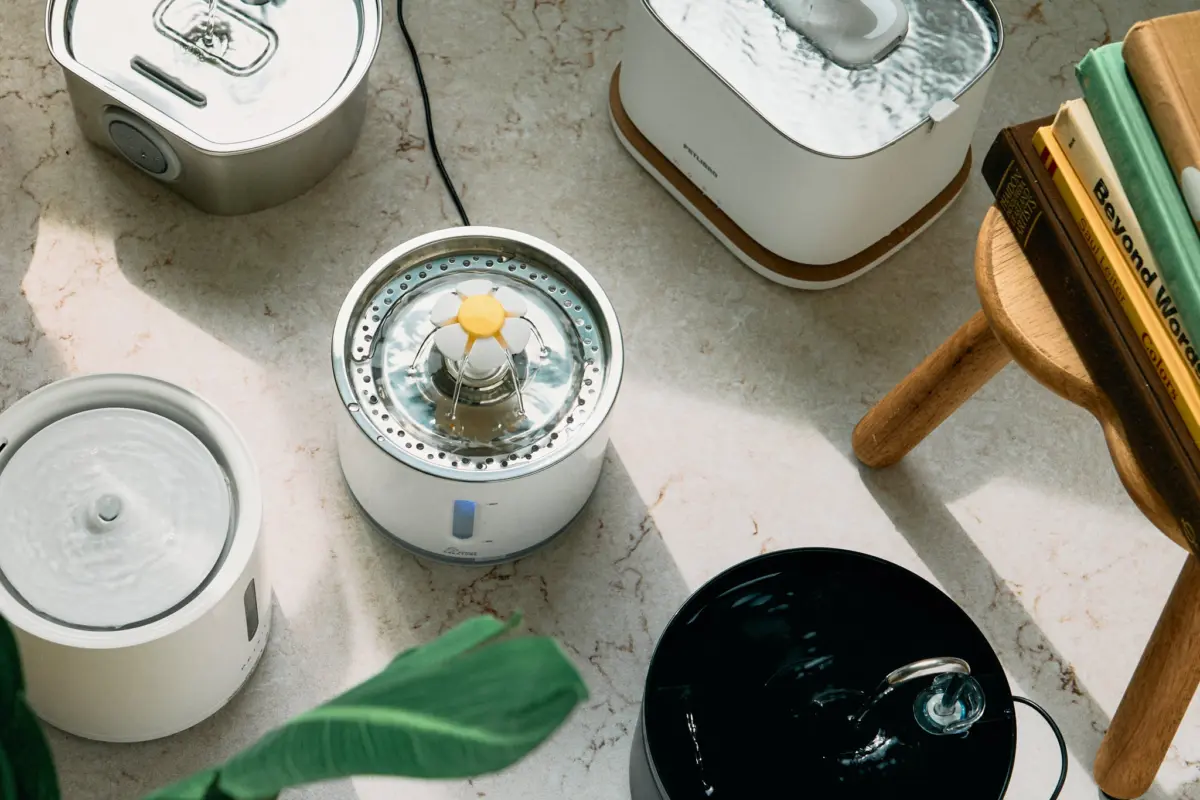
Keeping our pets hydrated is one of the foundational responsibilities of pet ownership, yet it is astonishingly easy to overlook. While pet owners have long been told that cats and dogs naturally flock to moving water, recent veterinary research suggests that hydration preferences are far more nuanced than common pet-store marketing implies. To cut through the noise, Wirecutter’s pet product testing team evaluated 39 models and thoroughly tested 21 pet water fountains, balancing pet appeal with the very real human burden of weekly cleaning, disassembly, and maintenance.
Through rigorous evaluation—measuring noise levels with decibel meters, assessing motor resilience under high and low water conditions, and analyzing maintenance overhead—our testing has identified the absolute best pet water fountains on the market. Whether you are looking for an ultra-quiet bubbler, a smart cordless option that tracks your pet’s water intake, or a high-capacity reservoir for heavy-drinking dogs, our comprehensive guide reveals which models are genuinely worth your money.
Detailed Chronology of Testing & Evaluation
The journey to finding the best pet water fountains required a meticulous, multi-week testing protocol designed to simulate real-world home environments.
Phase One: Sifting Through the Market
The testing process began with an exhaustive review of 39 different water fountain models available on the market. Criteria were quickly established to narrow the field down to 21 competitive units. Focus areas included capacity (prioritizing 2-liter to 4-liter sweet spots while also evaluating larger multi-pet options), physical dimensions (specifically targeting wide, shallow designs to prevent feline "whisker stress"), and materials (weighing the pros and cons of plastic, stainless steel, and ceramic).
Phase Two: The Two-Week Real-World Trial
The selected 21 fountains were deployed and run continuously for two-week trial periods. Testers performed daily top-offs and executed rigorous deep cleans after the first and second weeks. Every unit was repeatedly disassembled and reassembled to evaluate ease of refills, frequency of accidental spills, and the presence of hidden nooks and crannies where slime and debris could accumulate.
Phase Three: Technical Metrics and Stress Testing
During the trial, specialized testing equipment and protocols were applied:
- Noise Measurement: Sound outputs were recorded using a decibel meter in quiet rooms to isolate motor hums, water splashes, and high-frequency whirs.
- Motor Stress Tests: Motors were pushed to their limits by running them under both high- and low-water conditions to test resilience against neglect.
- Filter Cost Analysis: Manufacturer-recommended replacement schedules were factored against long-term operational costs, though testers ultimately concluded that fountains should be bought for their mechanics rather than their filtration capabilities.
Supporting Context & Metrics: What the Experts Say
There is a widespread belief that cats inherently prefer flowing water because it mimics natural streams. However, veterinary nutritionists and academic researchers emphasize that biology and individual upbringing play a much larger role than previously thought.
The Myth of Flowing Water
A pivotal 2018 study co-authored by Purina PetCare veterinary nutritionist Martha Cline examined feline water-bowl preferences. The study found "no difference in water intake or urinary parameters in cats drinking from still, circulating, or free-falling water bowls."
Instead, individual preference often reigns supreme. Lisa Weeth, a veterinary nutritionist, notes that a cat’s early life experiences dictate their adult preferences: "If your cat grew up with only still water in a bowl, and then you introduce a fountain at age 5, they may look at it like, ‘Well, what do I do with this?’" Conversely, if an animal is under-hydrated using a standard bowl, introducing a fountain is well worth the experiment.
Canine Hydration Realities
Dogs are generally far less discriminating than cats, often willing to drink out of muddy outdoor puddles when desperate. However, Oklahoma State University veterinary professor Leticia Fanucchi warns that this lack of fussiness does not mean they are drinking enough. Providing a clean, enticing water source like a fountain can dramatically improve overall canine hydration.
Hygiene and Maintenance Metrics
Veterinarians stress that water fountains demand regular maintenance. Water quality changes over time as dust, hair, saliva, and ambient particles collect in the basin. Dr. Fanucchi recommends changing water daily and cleaning the fountain at least once or twice a week, while Dr. Cline advocates for daily bowl and fountain cleaning, treating pet dishes with the same sanitary standards humans apply to their own tableware.
Top Product Picks & Detailed Reviews
Following hundreds of hours of testing, our expert team selected the standout models across several distinct categories.
Top Pick: Petkit EverSweet Solo 2
- Capacity: 2 Liters (68 ounces)
- Design Style: Bubbler
- Best For: Cats and small dogs
The Petkit EverSweet Solo 2 earned our top pick status due to its near-silent operation, exceptional ease of cleaning, and brilliant design choices. Its 2-liter tank sits on a magnetic induction charging base plugged directly into the wall. When it is time to clean, you simply lift the tank off the base and carry it to the sink, freeing you from dangling wires and wet plug prongs.
- Pros: Exceptionally quiet; incredibly fast to disassemble and clean; magnetic wireless pump base; auto-shut-off feature when water runs low; whisker-friendly open dish.
- Cons: Does not include a USB wall adapter; app is primarily useful for maintenance scheduling rather than push alerts; not suited for pets who prefer cascading faucet water.
Upgrade Pick: Petlibro Dockstream 2 Smart Cordless Fountain
- Capacity: Varies by configuration
- Design Style: Cordless / Faucet or Bubbler
- Best For: Pet owners wanting ultimate placement flexibility and detailed intake tracking
The Petlibro Dockstream 2 Smart Cordless Fountain frees you from the tyranny of wall outlets thanks to its battery-powered operation. It can be placed anywhere in the home without creating cord-chewing or tripping hazards. Furthermore, its smart app logs your pet’s visits, drinking duration, and estimated volume consumed.
- Pros: Completely cordless flexibility; dual water-flow modes (faucet or bubbler); magnetic rotor design makes it a breeze to clean; wide stainless steel dish prevents whisker stress.
- Cons: Expensive upfront and over time with filters; motion sensor only detects pets approaching from the front; app cannot differentiate between multiple pets.
Best for Heavy Drinkers: Petlibro Capsule Dog Fountain
- Capacity: 2.1 Gallons
- Design Style: Swirling flow
- Best For: Large dogs or multi-pet households with high water turnover
For multi-pet homes or large dogs who drain standard bowls in minutes, the Petlibro Capsule Dog Fountain holds an impressive 2.1 gallons of water. Its constantly swirling water vortex entices animals, while the elevated rim catches splashes to keep floors dry.
- Pros: Massive capacity means fewer refills; raised rim minimizes splash messes; great ergonomic height for medium-to-large dogs.
- Cons: Extremely heavy when full to the brim; lacks carrying handles, making transport to the sink awkward.
Budget Pick: Giotohun Cat Water Fountain
- Capacity: 3.2 Liters (108 ounces)
- Design Style: Faucet spout
- Best For: Sink-obsessed pets on a budget
The Giotohun Cat Water Fountain mimics a bathroom faucet, making it ideal for cats who love to drink straight from the tap. It operates quietly, features inexpensive replacement filters, and includes a subtle blue LED light for nighttime visibility.
- Pros: Faucet-like stream attracts picky drinkers; very quiet motor for a corded unit; budget-friendly pricing with cheap filters; two-year pump warranty.
- Cons: Dark plastic tank color makes it difficult to visually spot grime and slime buildup during cleaning.
Budget Pick: Casfuy PWS-154 Quiet Stainless Steel Dog & Cat Water Fountain
- Capacity: Standard mid-size
- Design Style: Faucet spout
- Best For: Owners wanting stainless steel surfaces on a budget
Sharing a similar design lineage to the Giotohun, the Casfuy PWS-154 swaps out plastic internal drinking dishes for a hygienic, dishwasher-safe stainless steel tank and top dish, all while maintaining an affordable price point.
- Pros: Stainless steel drinking surfaces; lightweight and easy to manage; highly affordable replacement filters.
- Cons: Uses an older-style corded pump that continues running if the tank runs dry, risking burnout.
Budget Pick: Wonder Creature Cat Water Fountain
- Capacity: 2.4 Liters (81 ounces)
- Design Style: Flower waterfall / Bubbler mix
- Best For: Shoppers seeking solid performance and versatility without breaking the bank
The Wonder Creature Cat Water Fountain offers three distinct water-flow modes, a dishwasher-safe stainless steel top surface, and a sturdy BPA-free plastic base. It consistently outperformed legacy models like the Catit Flower Fountain in both noise suppression and value.
- Pros: Three flow modes; stainless steel top is dishwasher safe; much quieter than competing budget models.
- Cons: Can occasionally emit a minor motor buzz; instructions are sparse regarding total disassembly.
Future Outlook & Emerging Trends
As the pet tech market continues to expand, several exciting trends are shaping the future of pet hydration:
- True Wireless Independence: Moving away from traditional wired pumps toward magnetic induction bases and long-lasting rechargeable batteries has eliminated the primary annoyance of fountain maintenance—wrestling with tangled cords during weekly cleanings.
- Advanced Health Telemetry: Smart fountains are increasingly integrating with companion smartphone applications. While current iterations track basic frequency and duration, future generations are expected to incorporate non-invasive diagnostic capabilities, such as tracking changes in drinking behavior that could signal early-stage kidney disease or diabetes.
- Antimicrobial Materials: Manufacturers are experimenting heavily with medical-grade stainless steel, high-purity ceramics, and UVC-sterilization pumps to combat biofilm and bacteria growth, addressing the number one complaint of pet owners: slime accumulation.
By aligning your pet’s behavioral quirks with the right capacity, material, and maintenance commitment, investing in a high-quality pet water fountain is one of the single best steps you can take to safeguard your furry companion’s long-term health and hydration.