The summer of 2026 will long be remembered as a period of meteorological extremes, marked by punishing heatwaves, unprecedented atmospheric pressure systems, and severe compounding droughts that swept across the United States and its territories. While human populations grappled with grid failures, air-conditioning strains, and municipal advisories, vulnerable outdoor animal populations faced an invisible yet equally lethal threat: the catastrophic intersection of soaring temperatures and dwindling hydration sources.
Amidst this national climate crisis, community and outdoor cats—though inherently resilient and remarkably adept at navigating urban and rural landscapes—faced survival thresholds that exceeded normal biological adaptation. Recognizing the immediate and existential danger posed by extreme weather, frontline animal advocacy organizations mobilized on a massive scale.
This comprehensive report details the mobilization efforts of the Alley Cat Allies Rapid Response Team, capturing their urgent deployment across mainland locations like Richmond, Virginia, and Jackson, Florida, as well as an intricate, high-stakes mission on the ground in San Juan, Puerto Rico, during a historic water crisis. Through logistical triumph, community collaboration, and the targeted distribution of vital resources such as wet cat food and bottled water, animal caretakers averted what could have been a widespread regional catastrophe for free-roaming feline colonies.
Detailed Chronology: Mobilizing the Frontlines
Early July 2026: The Independence Day Heatwave
As communities across the United States prepared to celebrate the Fourth of July, meteorologists tracked a stubborn, dome-like high-pressure system that trapped scorching air across the Mid-Atlantic and Southeastern states. Temperature records shattered daily, and the heat index—measuring how hot it actually feels when humidity is factored in—soared well past triple digits in multiple metropolitan zones.
While Independence Day is traditionally associated with the hazards of loud fireworks and stress-induced flight responses in animals, the 2026 holiday brought a more insidious danger: dehydration and heatstroke. Community cats, which rely heavily on shaded retreats, culverts, and natural microclimates to regulate their body temperature, found their usual coping mechanisms overwhelmed. The ambient heat was so intense that traditional dry kibble diets, which require significant internal water consumption for proper digestion, risked exacerbating severe dehydration.
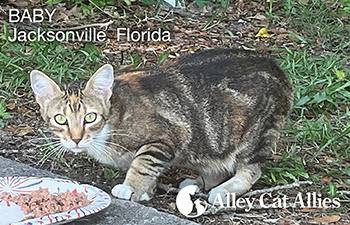
Swiftly pivoting to meet the crisis, the Alley Cat Allies Rapid Response Team deployed specialists to critical hotspots. Richmond, Virginia, and Jackson, Florida, emerged as primary staging grounds. In these cities, local food banks and community caregiver networks were rapidly running low on moisture-rich provisions. The Rapid Response Team injected thousands of meals of high-moisture wet cat food directly into the local supply chains. This intervention provided immediate relief to vulnerable outdoor cats—including young kittens like "Baby," whose developing bodies leave them exceptionally susceptible to rapid dehydration and heat stress.
Mid-Summer 2026: Escalation in Puerto Rico
While mainland communities fought rising temperatures, the situation in Puerto Rico took on an even more complex, compounding dimension. A historic, prolonged drought paired with years of chronic infrastructure neglect collided with peak summer heatwaves, precipitating an acute municipal water crisis.
The Puerto Rican government enacted stringent water-rationing schedules across various municipalities, forcing residents to meticulously budget water for fundamental human needs such as drinking, cooking, and sanitation. For local animal caretakers—who are uniquely dedicated to managing and feeding large colonies of free-roaming cats—the rationing presented a heart-wrenching moral and logistical dilemma. How does one choose between preserving drinking water for a human household and providing essential hydration to dozens of dependent outdoor animals?
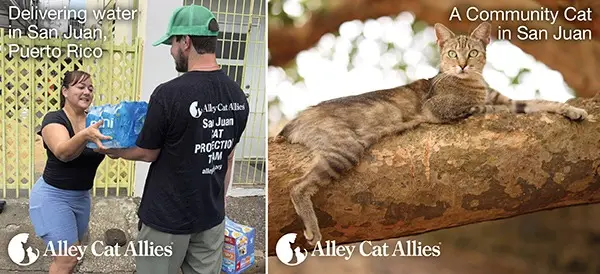
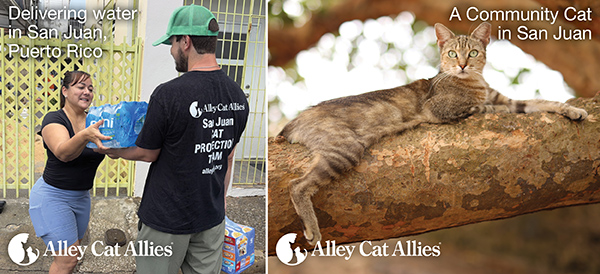
Recognizing the gravity of the crisis, the Rapid Response Team expanded its operational scope to the island, touching down in San Juan. The objective was clear: bridge the gap between human survival and animal welfare by supplying emergency provisions directly to the guardians of the island’s largest cat colonies.
Supporting Context & Metrics: The Science of Feline Heat Stress
To fully grasp the magnitude of the 2026 summer interventions, one must examine the physiological vulnerabilities of cats during extreme weather events, alongside the logistical realities of modern community cat management.
The Biological Imperative of Moisture in Extreme Heat
Unlike dogs, which regulate internal body temperature primarily through panting, cats possess limited sweat glands located mainly on their paw pads and rely heavily on grooming, seeking shade, and proper internal hydration to cool down. When ambient temperatures climb past 90°F (32°C) accompanied by high relative humidity, a cat’s natural cooling mechanisms face severe strain.
Veterinary science emphasizes that dry commercial pet food typically contains only about 6% to 10% moisture, meaning cats consuming an exclusively dry diet must drink substantial quantities of water to maintain homeostasis. Conversely, wet (canned) cat food contains roughly 70% to 80% moisture. During a heatwave, distributing wet food acts as a crucial medical intervention, silently smuggling necessary hydration into the animal’s system even when surface water sources have dried up or become contaminated.
The Scale of Caregiver Commitment
The logistical hurdles of maintaining outdoor cat colonies during a drought cannot be overstated. A single community cat colony can range anywhere from a handful of felines to well over a hundred individuals. Caring for these populations requires daily, unyielding dedication regardless of weather, economic hardship, or infrastructural failure.
In Puerto Rico, where colonies are frequently dense and widespread due to year-round warm weather breeding cycles, the water crisis threatened years of progress achieved through Trap-Neuter-Return (TNR) and colony maintenance programs. Without outside intervention, caregivers would have been forced to drastically reduce feeding portions or dilute water supplies, leading to compromised immune systems, heat-related illnesses, and increased mortality rates across the island’s feline population.
Official Statements and Voices from the Ground
The success of the 2026 summer relief efforts was driven not only by strategic organizational deployment, but also by the unwavering resilience of local animal advocates.
Frontline Reflections from San Juan
Estrella Zerpa, a dedicated community cat caregiver operating in San Juan, Puerto Rico, captured the emotional and operational weight of the crisis during an interview with the Alley Cat Allies response crew. After helping load essential cases of bottled water and wet food provided by the charity into her vehicle, Zerpa spoke candidly about the sheer volume of her daily responsibilities.
"It means a lot, because the colonies are big. There are about 120 cats that we feed every night," Zerpa explained, detailing the immense logistical burden she faces daily. "I have to fill up about 10 gallons of water daily just for the cats."
For caregivers like Zerpa, the threat of water rationing was not merely an inconvenience—it represented an existential threat to the hundreds of animals depending on them for survival. The arrival of the Rapid Response Team transformed an impossible situation into a manageable reality. As Zerpa noted, the donated supplies lifted the immediate strain, ensuring that not a single drop of rationing pressure forced a compromise in animal care on that critical night.
Organizational Insights
Leadership within Alley Cat Allies underscored that rapid deployment models must evolve alongside shifting global climate patterns. Extreme weather events are no longer isolated anomalies; they represent an escalating baseline that directly impacts vulnerable animal populations living out in the open.
By proactively stocking food banks with moisture-rich provisions in regions like Richmond and Jackson, and executing direct emergency deliveries in San Juan, the organization demonstrated the vital importance of agility in animal welfare. The strategy shifts the paradigm from reactive rescue to preventative community support—ensuring that the human-animal bond remains unbroken even when municipal infrastructure buckles under pressure.
Future Outlook: Preparing for a Changing Climate
As autumn arrives and temperatures begin their seasonal descent, the lessons learned from the scorching summer of 2026 provide an invaluable blueprint for the future of animal advocacy and disaster relief.
Key Takeaways for Emergency Preparedness
Infrastructure Vulnerability Assessments: Animal welfare organizations must forge deeper pre-emptive partnerships with municipal water and disaster relief agencies to identify regions facing acute drought or heat risks before a crisis peaks.
Nutritional Logistics: Stockpiling wet food must become a standard operational protocol for emergency animal response teams operating during summer months, recognizing moisture delivery as a primary medical safeguard against heat-related fatalities.
Empowering Local Caregivers: The backbone of any successful animal intervention remains the local caregiver network. Direct financial, logistical, and material support directed to grassroots volunteers yields the highest survival rates for free-roaming populations.
Looking Ahead
The resilience displayed by community cats, alongside the tireless dedication of human advocates from Virginia to Puerto Rico, serves as a powerful testament to what can be achieved through coordinated compassion. As climate volatility continues to challenge traditional safety nets, organizations like Alley Cat Allies and their supporters stand ready to meet future extremes head-on—ensuring that every community cat, no matter how remote or vulnerable, receives the protection, water, and nourishment they deserve.
To learn more about ongoing rapid response deployments, read full impact reports, or discover how you can support future emergency interventions, visit the Alley Cat Allies 2026 Fall Newsletter.