
Executive Overview
The global livestock and agricultural industries stand at a defining crossroads. For decades, the intensive farming sector relied heavily on antibiotic growth promoters (AGPs) to maintain animal health, prevent disease, and maximize feed conversion efficiency. However, the accelerating global crisis of antimicrobial resistance (AMR)—and the subsequent regulatory clampdowns on routine antibiotic usage across the European Union, North America, and increasingly in Asian markets—has created an urgent demand for viable, sustainable alternatives.
Amid this search for biological solutions, a comprehensive new review conducted by a team of prominent Chinese researchers places the spotlight firmly on Lactobacillus acidophilus ($L. textacidophilus$). Long recognized as a cornerstone of human and animal gastrointestinal microbiology, this well-characterised lactic acid bacterium is now being heralded as one of the single most promising biological candidates to replace conventional AGPs.
According to the synthesized literature, L. acidophilus offers a multi-pronged mechanism of action: it actively suppresses pathogenic colonization, reinforces the structural integrity of the intestinal mucosal barrier, modulates systemic and mucosal immune responses, and optimizes the delicate balance of the gut microbiome. In controlled laboratory environments, the data is overwhelmingly positive.
Yet, beneath this scientific optimism lies a complex and sobering reality. The authors of the review emphasize a widening chasm between controlled laboratory discoveries and the messy, variable realities of commercial livestock production. While L. acidophilus demonstrates remarkable efficacy under strict, experimental conditions—particularly when animals are subjected to controlled disease challenges—translating these biological mechanisms into consistent, predictable, and economically viable on-farm results remains an uphill battle.
This article explores the nuanced findings of the Chinese review, examining where L. acidophilus succeeds—most notably in swine production—where it falters or lacks sufficient data, the underlying reasons for the translational gap, and the future technological roadmap required to turn laboratory-grade probiotics into reliable commercial tools.
Detailed Chronology: The Evolution of Probiotic Research in Livestock
To understand the current standing of L. acidophilus in modern animal agriculture, it is necessary to trace the chronological evolution of gut health management strategies over the past half-century.
Phase One: The Golden Age of Antibiotic Growth Promoters (Mid-to-Late 20th Century)
For decades following their discovery, AGPs were integrated universally into livestock feeds. They functioned by suppressing subclinical infections, reducing microbial competition for nutrients in the gut lumen, and lowering the production of pro-inflammatory cytokines that siphon energy away from growth. However, the persistent, low-dose application of antibiotics inevitably accelerated the selection pressure for resistant bacterial strains, eventually sparking a public health crisis that threatened both human and veterinary medicine.
Phase Two: The Regulatory Backlash and the Search for Biotherapeutics (Early 2000s–2010s)
As governments began enacting sweeping bans on non-therapeutic antibiotic use (pioneered by the European Union’s landmark ban in 2006), the livestock industry faced a productivity vacuum. Nutritionists and microbiologists pivoted toward biological alternatives, including organic acids, plant extracts (phytogenics), prebiotic oligosaccharides, and direct-fed microbials (probiotics).
During this exploratory decade, Lactobacillus species emerged as prime candidates due to their natural dominance in healthy mammalian and avian digestive tracts. Initial studies focused primarily on strain isolation, acid and bile tolerance, and basic in vitro antagonism against major enteric pathogens like Escherichia coli and Salmonella species.
Phase Three: Mechanistic Validation and the "In Vitro Triumph" (2010s–Early 2020s)
Academic and corporate laboratories invested heavily in mapping the precise physiological interactions between L. acidophilus and the host animal. Researchers documented how the bacterium produces organic acids (such as lactic and acetic acid) to lower luminal pH, secretes antimicrobial peptides (bacteriocins), competitively excludes pathogens by occupying mucosal binding sites, and upregulates tight-junction proteins (such as claudins and occludins) in the intestinal epithelium.
While these discoveries provided a profound molecular understanding of the bacterium, they also created a false sense of security. The narrative within academic circles shifted toward viewing L. acidophilus as a near-universal silver bullet for gut health.
Phase Four: The Commercial Disconnect and the Rise of Precision Probiotics (Present Day)
The latest review by Chinese researchers marks a critical turning point of introspection within the scientific community. By critically evaluating decades of trial data, the authors highlight that the transition from petri dish to production barn is fraught with inconsistencies. The industry has now entered an era where raw efficacy is no longer enough; researchers and commercial stakeholders must grapple with environmental variables, strain specificity, feed manufacturing pressures, and economic cost-benefit analyses.
Supporting Context & Metrics: Species-Specific Efficacy and Performance Indicators
The review meticulously categorizes the performance of L. acidophilus across the three major pillars of industrial livestock production: swine, poultry, and ruminants. The breadth of the data reveals stark contrasts in how different animal physiologies respond to the probiotic.
[Swine Production]       ---> High Consistency / Strong Evidence (Weaning Focus)
[Poultry Production]     <-> Moderate Consistency / Strain & Management Dependent
[Ruminant Production]    <--- Limited Evidence / Insufficient Field Data
1. Swine Production: The Clear Success Story
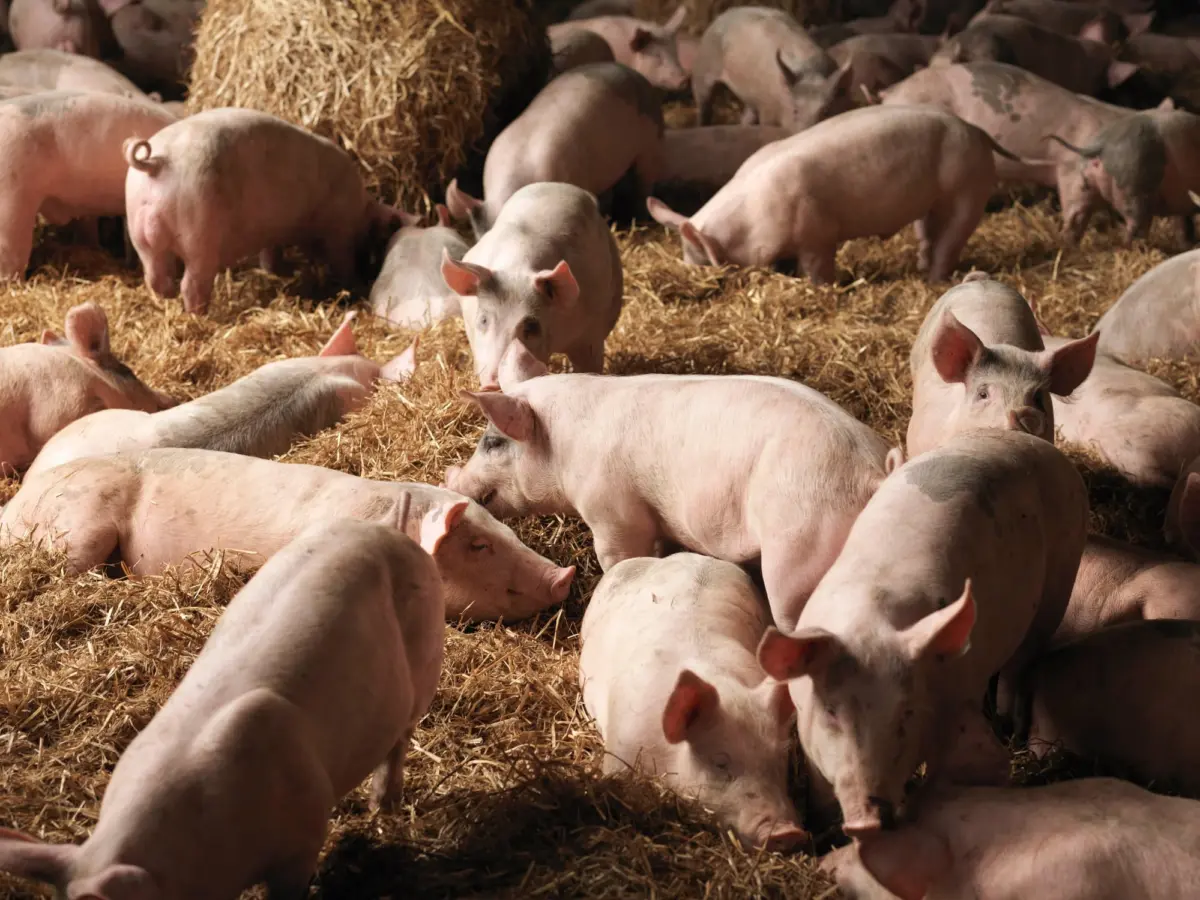
Of all livestock sectors, swine production—specifically the management of piglets through the perilous weaning phase—yields the most robust and consistent evidence supporting L. acidophilus supplementation.
The weaning transition is notoriously traumatic for piglets. Separated from the sow, subjected to mixing stress, and forced to transition from highly digestible liquid milk to solid, plant-based diets, piglets routinely experience severe physiological disruptions. These include transient anorexia, villus atrophy in the small intestine, crypt hyperplasia, elevated intestinal permeability (leaky gut), and subsequent proliferations of enterotoxigenic E. coli (ETEC). This cascade frequently manifests as post-weaning diarrhea, severe growth retardation, and high mortality rates.
Across numerous controlled trials highlighted in the review, L. acidophilus intervention during this critical window delivered quantifiable improvements:
- Growth Performance: Supplemented piglets consistently exhibited improved average daily gain (ADG) and a more favorable feed conversion ratio (FCR).
- Nutrient Digestibility: Enhanced mucosal enzymatic activity and improved microbial fermentation profiles led to superior utilization of crude protein and gross energy.
- Gut Architecture: Histological analyses revealed preserved villus height-to-crypt depth ratios, indicating a healthier, more absorptive mucosal surface.
- Anti-Inflammatory Action: Probiotic administration successfully downregulated pro-inflammatory cytokines while bolstering local secretory Immunoglobulin A (sIgA) responses, mitigating the systemic inflammatory toll of weaning stress.
2. Poultry Production: Promising Yet Variable Outcomes
In the poultry sector—encompassing broilers and laying hens—the deployment of L. acidophilus yields encouraging but markedly less uniform results.
On the positive side, multiple studies cited in the review link L. acidophilus supplementation to enhanced overall gut health, fortified immune competence, and increased resistance to prominent avian pathogens such as Campylobacter jejuni, Salmonella enterica, and Clostridium perfringens (the causative agent of necrotic enteritis). Furthermore, intriguing immunological data suggests that specific strains can act as natural adjuvants, enhancing avian vaccine efficacy by stimulating systemic antibody titers.
However, the review sounds a cautionary note regarding reproducibility. Unlike the swine data, poultry trials demonstrate significant variance. Positive outcomes are frequently modulated by a complex matrix of confounding factors:
- Bird Genetics: Different commercial lines (e.g., fast-growing broilers vs. heritage or dual-purpose breeds) exhibit distinct baseline immune capacities and baseline gut microbiomes.
- Management Systems: Variations in litter quality, biosecurity protocols, and stocking densities heavily skew microbial dynamics.
- Dietary Composition: Divergent feed formulations—ranging from corn-soybean diets to wheat- or barley-heavy rations containing varying levels of non-starch polysaccharides—alter the substrate availability for the probiotic, changing its metabolic output.
3. Ruminant Production: The Frontier of Uncertainty
When transitioning from monogastric animals to ruminants (such as dairy and beef cattle, and sheep), the scientific evidence supporting L. acidophilus thins out dramatically.
While isolated studies point toward potential benefits in neonatal calves—such as reduced incidence and severity of neonatal calf diarrhea—there remains a critical paucity of data demonstrating that L. acidophilus can reliably enhance overall production performance, maximize milk yield, or systematically optimize mature rumen fermentation dynamics.
Because the adult ruminant gut is dominated by a dense, highly competitive, and resilient anaerobic ecosystem within the rumen chamber, introducing an exogenous lactic acid bacterium like L. acidophilus faces monumental ecological hurdles. Most ingested probiotics struggle to permanently colonize or outcompete native rumen protozoa, fungi, and specialized bacteria without specialized delivery systems designed to bypass ruminal degradation.
Official Statements and Industry Insights
The divergence between laboratory success and commercial reality has prompted critical commentary from leading researchers, animal nutritionists, and biotechnology developers worldwide.
Dr. Chen Wei, a lead contributor to the Chinese research review, highlighted the core epistemological problem facing the field during a recent symposium on livestock gut health:
"We have spent decades proving what Lactobacillus acidophilus can achieve under pristine, perfectly controlled laboratory conditions where every variable is locked down. Yet, a commercial farm is a dynamic, highly stochastic biological ecosystem. Until our experimental frameworks reflect the chaotic reality of modern agricultural production—accounting for environmental stress, variable feed quality, and background disease pressure—we will continue to witness this frustrating translational gap."
Veterinary epidemiologists have also voiced concerns over the uncritical marketing of direct-fed microbials. Industry consultant Dr. Sarah Jenkins noted that livestock producers are often sold on generalized claims derived from unrelated trials:
"Producers need to understand that probiotics are not generic commodities. You cannot take a strain isolated from a human gut or a specific rodent model, drop it into a broiler feed mill, and expect universal miracles. Strain specificity is absolute. What works brilliantly for a weaning piglet in a climate-controlled nursery may be completely inert in a heat-stressed dairy heifer in an open-air feedlot."
Furthermore, feed manufacturing engineers point to the severe physicochemical vulnerabilities of live lactic acid bacteria. L. acidophilus is notoriously sensitive to environmental stressors encountered during industrial feed production. High temperatures utilized during feed conditioning and pelleting, combined with shear forces and exposure to atmospheric oxygen, can devastate bacterial viability. Without advanced microencapsulation, oil-coating, or post-pelleting liquid application technologies, a significant percentage of the probiotic bacteria are dead before the feed ever reaches the animal’s trough.
Future Outlook: Precision Probiotics and the Road Ahead
Despite the hurdles and the current disconnect between benchtop science and barnyard reality, the overarching consensus of the review is resolutely optimistic. L. acidophilus remains one of the most intellectually compelling and biologically viable alternatives to antibiotic growth promoters currently available to animal agriculture.
However, realizing this potential requires a fundamental paradigm shift in how the industry approaches probiotic research, product development, and farm-level implementation. The future of L. acidophilus in livestock production will not be defined by broad-spectrum, one-size-fits-all tonics, but rather by precision probiotic strategies.
1. Strain-Specific and Host-Adapted Screening
Future research pipelines will move away from generic species-level categorizations. Scientists are increasingly focusing on isolating autochthonous (native) strains directly from the target species and specific GI tract segments. Screening protocols will prioritize high-throughput phenotypic profiling to select strains exhibiting exceptional adhesive capabilities to mucosal epithelium, robust tolerance to host bile salts and gastric acids, and superior in situ production of targeted antimicrobial metabolites.
2. Tailored Environmental Formulations
To bridge the commercial validation gap, future trials must be conducted within commercial production facilities rather than isolated containment units. Researchers are advocating for multi-site, longitudinal field studies that evaluate probiotic efficacy across diverse geographic regions, varying seasonal climates, and different commercial management styles. This data will allow formulators to design matrix-specific probiotic blends optimized for specific production phases.
3. Advanced Delivery and Protection Technologies
To overcome the physical hurdles of feed manufacturing, the biotechnology sector is investing heavily in next-generation stabilization techniques. Innovations in microencapsulation—utilizing lipid matrices, alginate-chitosan beads, and protein-carbohydrate complex matrices—are proving highly effective at shielding L. acidophilus from the thermal and oxidative destruction inherent in high-temperature feed pelleting. These technologies ensure high-viability counts at the point of consumption, where the bacteria can successfully release and colonize the gastrointestinal tract.
4. Synergistic Synbiotics and Multi-Omics Integration
Finally, the future lies in integration. Rather than relying on single-strain L. acidophilus supplements, modern nutritionists are developing advanced synbiotic formulations—strategically pairing L. acidophilus with specific prebiotics (such as fructooligosaccharides or mannan-oligosaccharides) designed to selectively nourish and stimulate the probiotic within the host gut.
Concurrently, the rapid deployment of multi-omics technologies (metagenomics, metatranscriptomics, and metabolomics) will allow researchers to monitor real-time shifts in the host microbiome and metabolome following probiotic intervention. This high-resolution data will demystify the black box of gut microbiology, transforming probiotic supplementation from an empirical gamble into a precise, predictable, and indispensable science for the post-antibiotic era of livestock production.