Throughout human history, domestic cats (Felis catus) have walked a fine line between beloved household companion and ethereal creature of the occult. From ancient Egyptian veneration to medieval superstitions linking them to witchcraft, felines have long been associated with the supernatural. In modern households, this reputation persists through everyday phenomena: glowing eyes catching the light in a dark hallway, silent footsteps that allow a cat to materialize out of thin air, intense staring matches with empty corners, and high-speed midnight sprints that defy rational explanation.
However, modern feline behavioral science and evolutionary biology reveal that there is no magic or poltergeist activity at play. Instead, these mysterious habits are the direct result of finely tuned sensory adaptations, ancient predatory instincts, and specialized anatomical features that evolved over millions of years. This investigative report explores the scientific explanations behind nine of the most enigmatic cat behaviors, providing pet owners with a deeper understanding of their pets’ extraordinary physiological design.
Detailed Chronology: The Evolutionary Roots of Feline Behavior
To understand why modern house cats behave like mini-predators of the night, one must look backward through evolutionary history. The domestic cat shares a common ancestor with the African wildcat (Felis lybica), a solitary, crepuscular hunter adapted to surviving in arid and semi-arid environments.
The Shift from Wild Predator to Domestic Companion
Approximately 10,000 to 12,000 years ago: Felines began self-domesticating in the Fertile Crescent, gravitating toward early human agricultural settlements where rodents thrived.
The Middle Ages: Despite serving a vital practical role in pest control, the cat’s independent nature, nocturnal habits, and glowing eyes unfortunately made them targets of folklore and superstition, cementing their eerie cultural archetype.
The Modern Era: Today, while sleeping on memory foam beds and eating commercial diets, the modern house cat retains the exact same sensory apparatus and hardwired survival programming as its desert-dwelling ancestors. Every midnight sprint, blank stare, and silent stalk is an echo of this evolutionary timeline.
Supporting Context & Metrics: The Anatomy of Feline Mystery
Feline sensory perception operates on a scale vastly different from human sensory capabilities. Examining the specific metrics behind their anatomy demystifies why our homes often feel like haunted houses when cats are roaming about.
1. The Tapetum Lucidum and Night Vision
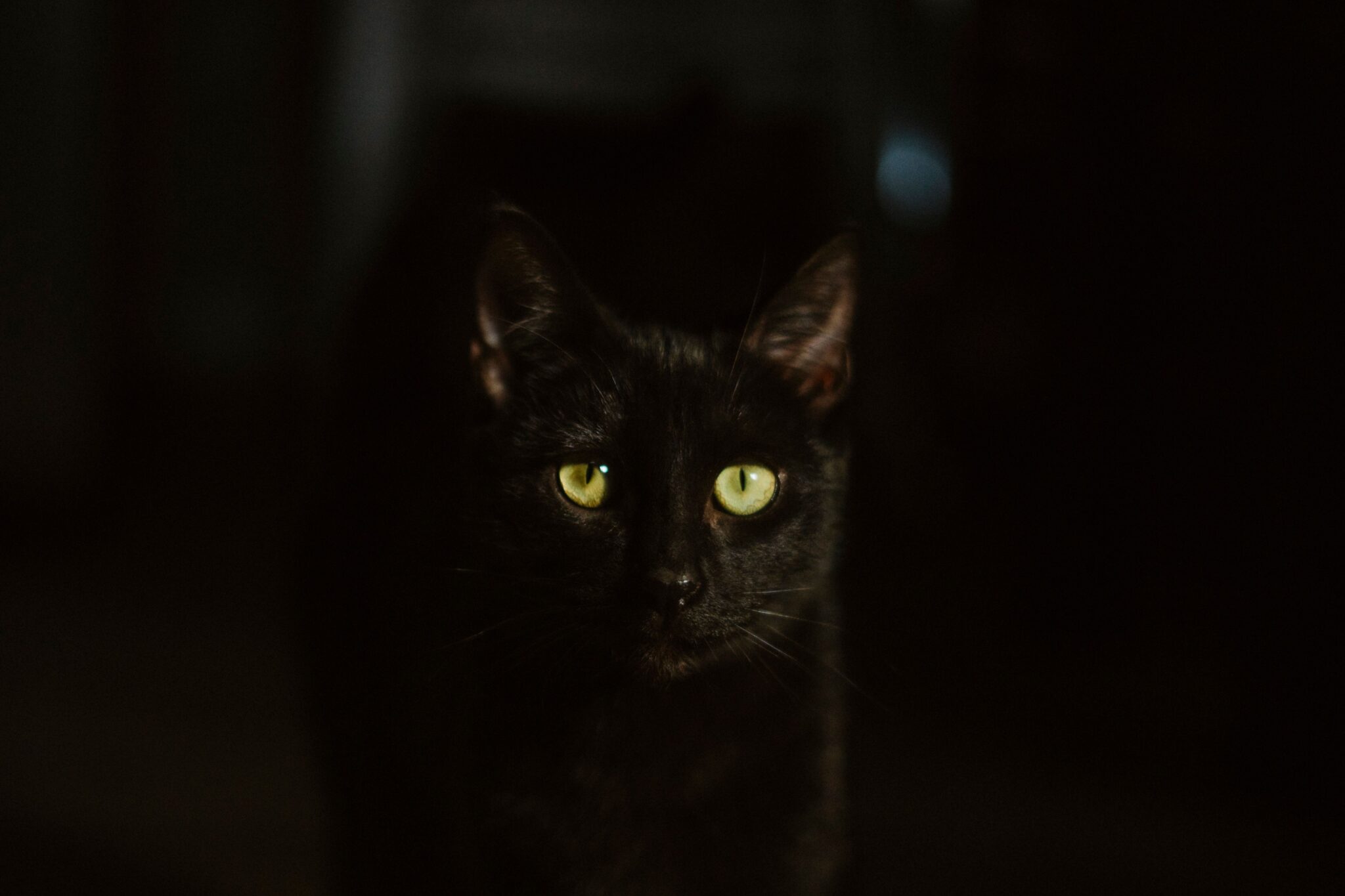
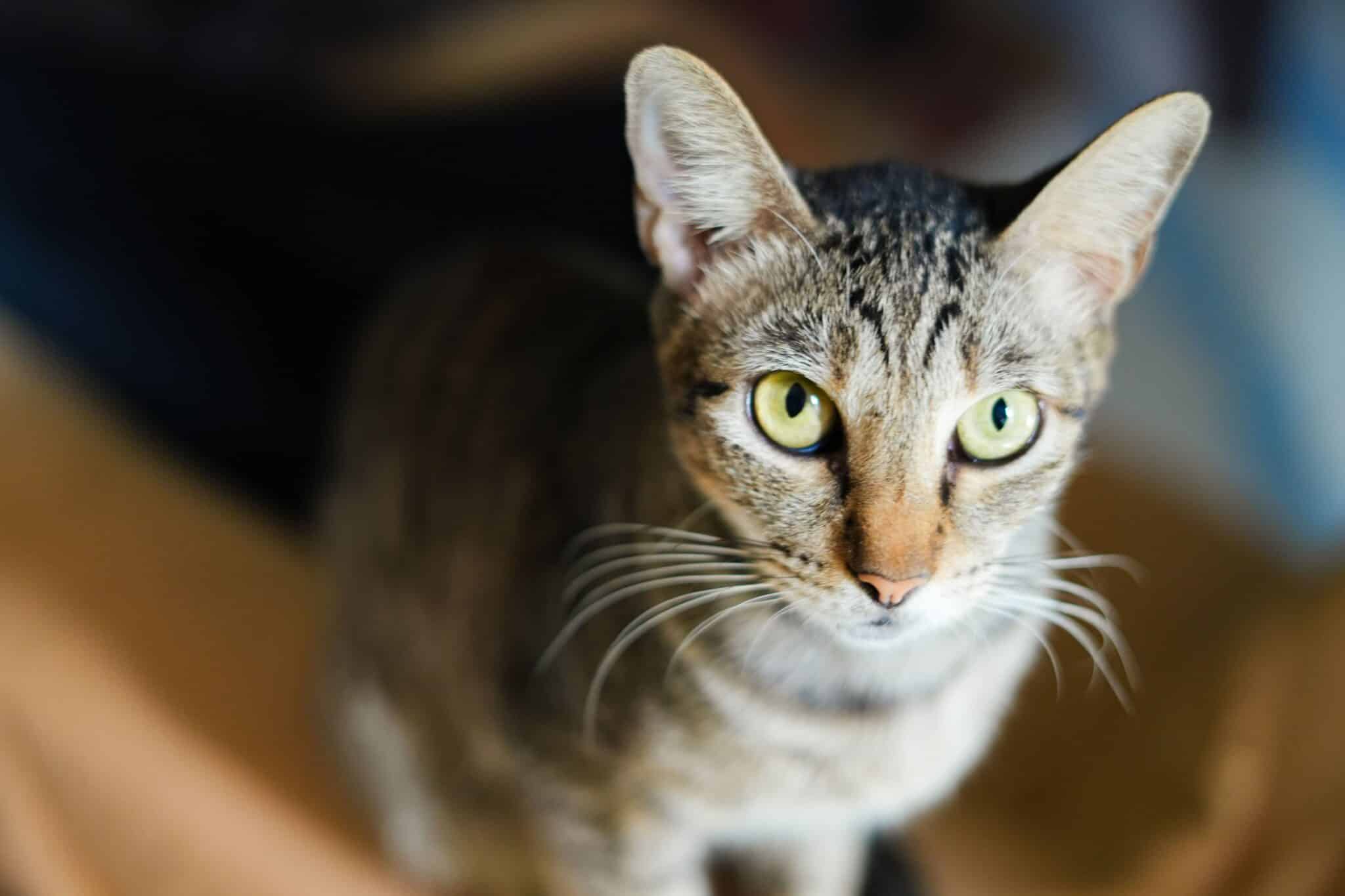
A cat’s ability to see in near-darkness—and the subsequent "ghostly" glow of their eyes—is powered by the tapetum lucidum, a specialized reflective layer situated directly behind the retina.
The Metric: The tapetum lucidum acts like a microscopic mirror. When ambient light enters the eye and passes through the retina, the tapetum reflects unabsorbed light back through the retina a second time. This gives photoreceptor cells a second chance to capture photons.
The Result: Cats require roughly one-sixth of the light level that humans need to navigate successfully. When light hits this reflective layer at night, it bounces back out, producing the eerie yellow, green, or blue illumination known as eyeshine.
2. Acoustic Superiority: Hearing the Unheard
While human hearing typically ranges from 20 Hz to 20,000 Hz, the feline auditory spectrum is significantly broader.
The Metric: Cats can detect high-frequency sounds up to 65,000 Hz (and some studies suggest up to 85,000 Hz). This makes their upper hearing limit vastly superior to both humans and dogs.
The Result: When a cat suddenly pivots its ears toward a seemingly silent room, it is almost certainly detecting high-frequency noises—such as the ultrasonic squeak of a rodent behind drywall, the hum of an electrical transformer, or shifting air currents within a wall cavity.
3. Whisker Mechanics (Vibrissae)
Feline whiskers are not merely decorative facial hair; they are deeply rooted tactile hairs packed with sensory nerve endings.
The Metric: Known scientifically as vibrissae, these hairs are embedded twice as deep as regular fur follicles and are connected to a dense network of proprioceptors. They can detect microscopic changes in air currents, barometric pressure, and spatial boundaries, allowing cats to map their physical environment entirely in the dark.
Deep-Dive Analysis of Enigmatic Feline Behaviors
Their Eyes Can Glow in the Dark
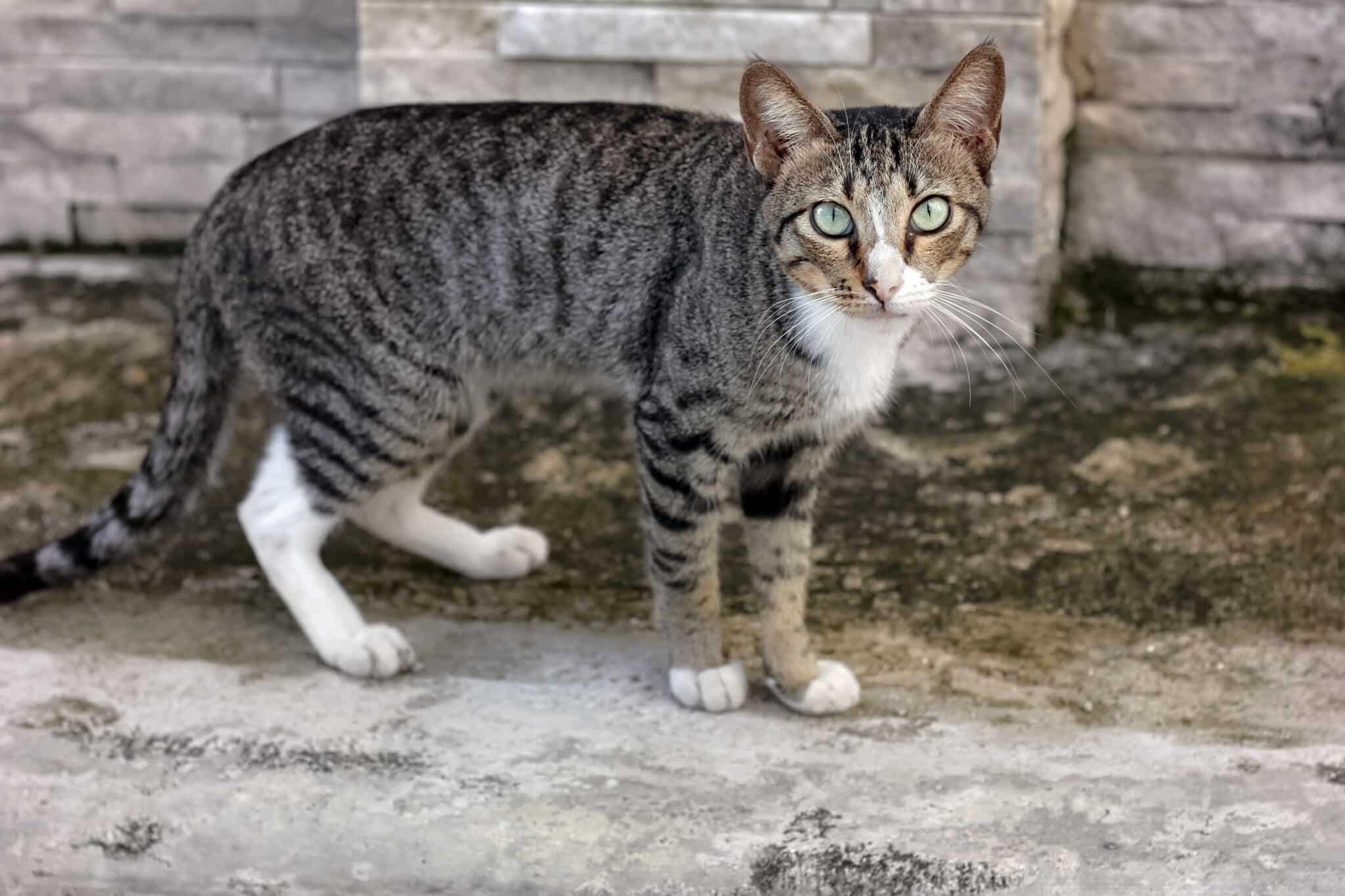
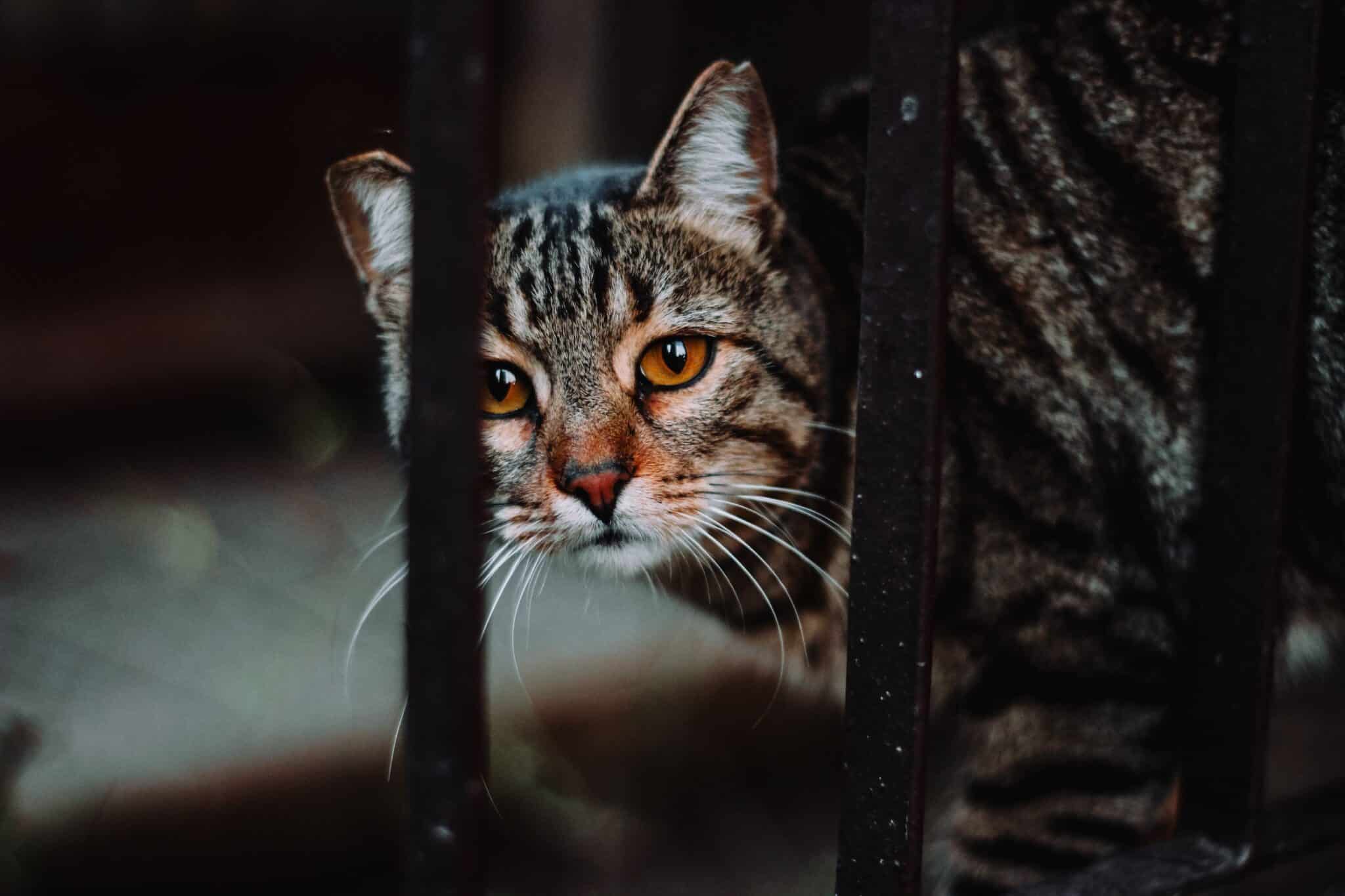
The spectral gleam of a cat’s eyes in a dark corridor is frequently cited in ghost stories. Scientifically, it is a masterclass in optical engineering. Because domestic felines evolved as crepuscular hunters (active primarily at dawn and dusk), maximizing low-light visual acuity was a matter of life and death. The tapetum lucidum ensures they never stumble blindly, though it is a common misconception that cats possess true night vision—they still require some ambient light to activate the reflection process.
They Can Appear Without Making a Sound
The phenomenon of a cat seemingly materializing beside the sofa without a single footfall is governed by specialized paw anatomy. Feline paws feature thick, fatty digital pads that act as natural shock absorbers. Furthermore, cats are digitigrade walkers, meaning they walk on their toes rather than their entire foot sole. Crucially, cats possess retractable claws; when fully retracted, the claws do not click against hardwood floors, allowing for absolute silence during movement.
Their Midnight Zoomies Can Look Possessed
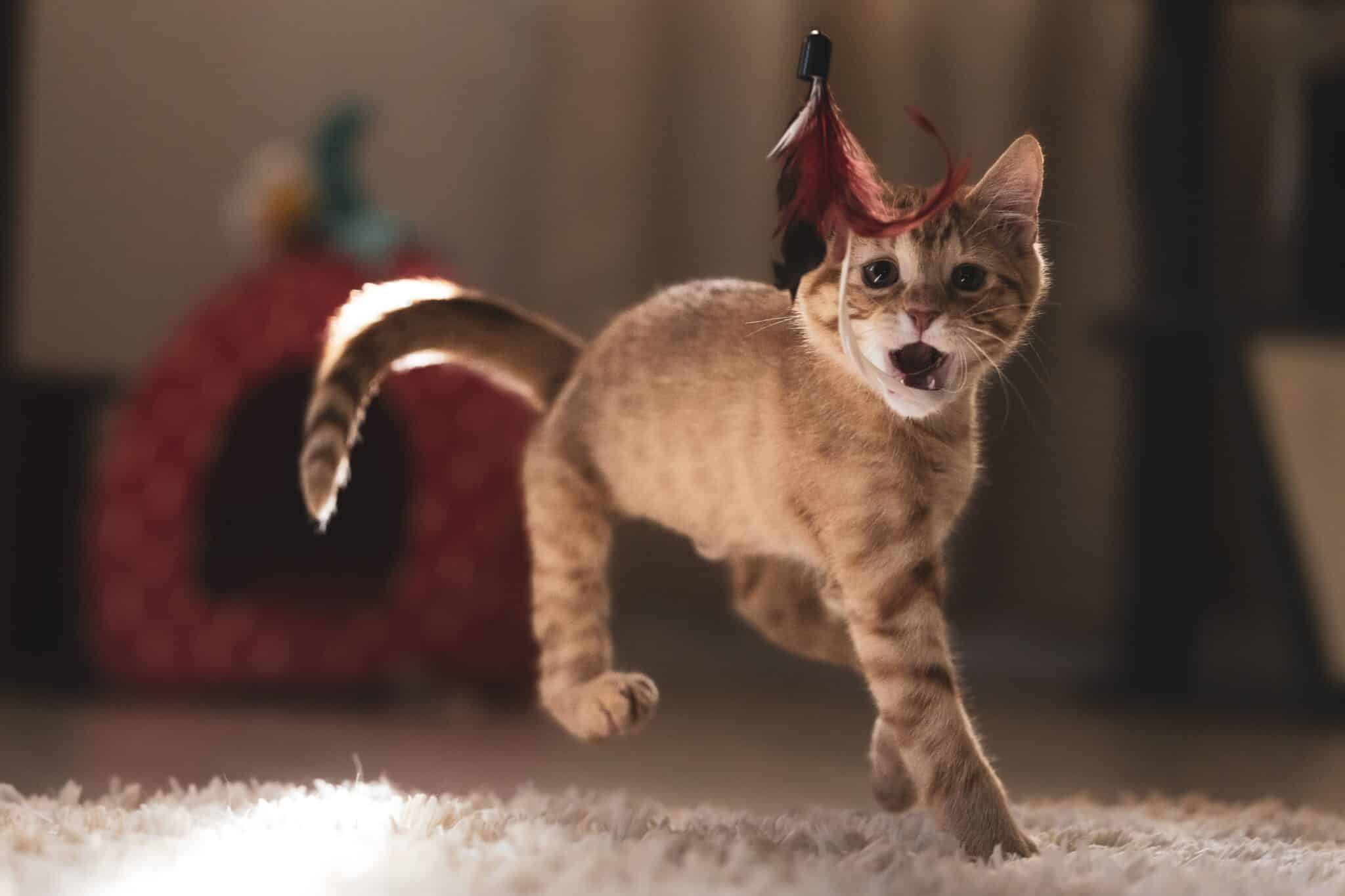
Referred to by behaviorists as FRAP (Frenetic Random Activity Periods), "midnight zoomies" are characterized by sudden, high-speed sprinting, erratic jumping, and puffed-up tails. Because indoor cats do not expend energy hunting, stalking, and killing real prey, excess adrenaline and pent-up calories accumulate. When triggered—often by a sudden surge of metabolic energy—they release this built-in hunting drive through explosive, chaotic play.
They Sometimes Stare at Seemingly Empty Corners
When a cat fixes its gaze on a blank wall or empty corner for minutes on end, owners often wonder if they are tracking a ghost. In reality, cats possess visual acuity finely tuned to motion rather than fine detail. A microscopic dust mote floating in a sunbeam, a tiny spider navigating wallpaper, or faint structural vibrations passing through framing studs are all enough to rivet a cat’s attention.
They Love Hiding in Unexpected Places
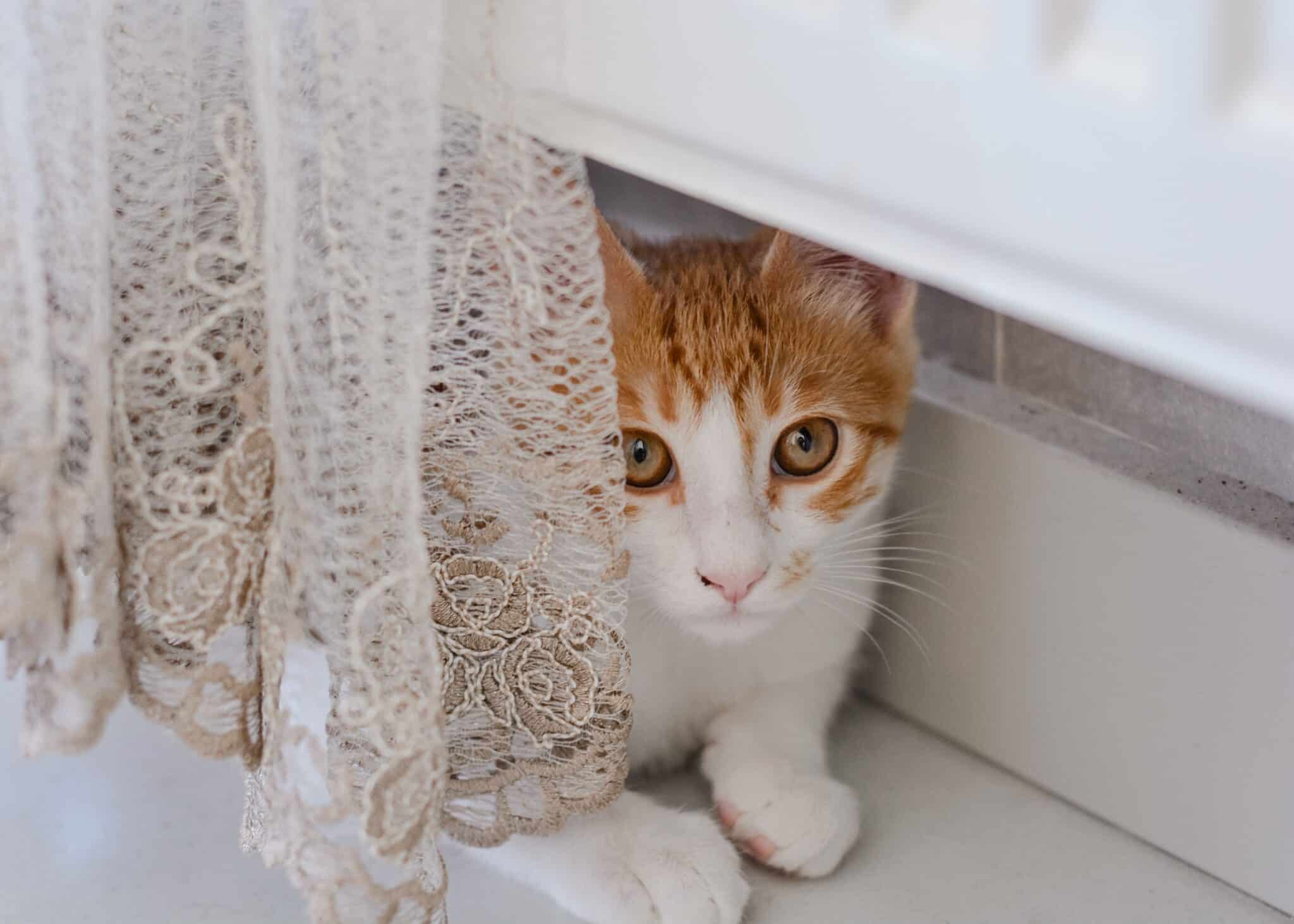
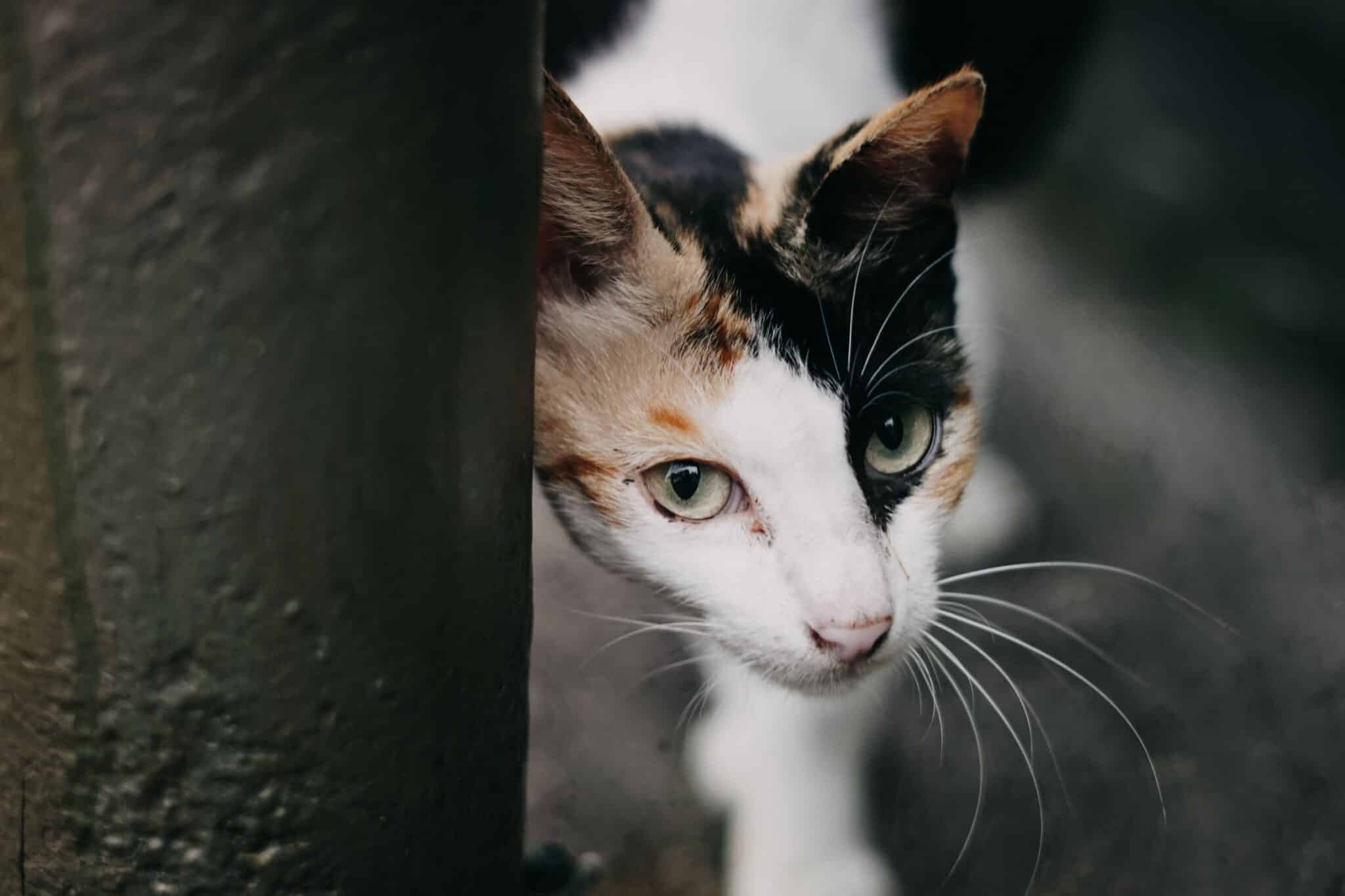
Cramming themselves into small boxes, beneath bedding, or inside dark cupboards satisfies a primal need for security and thermoregulation. In the wild, enclosed spaces provide safe havens from larger predators while allowing the cat to maintain a clear field of vision outward. It is a posture of both defense and tactical patience.
They Can Make Strange Noises at Night
The sudden, haunting yowl of a cat in the middle of the night can be startling. Vocalizations range from chirps and trills to guttural yowls. While younger cats may vocalize out of boredom or a desire for play, senior cats may exhibit increased nighttime calling due to cognitive dysfunction syndrome (feline dementia), hearing loss, or age-related disorientation.
Their Kneading Looks Like a Tiny Ritual
Often called "making biscuits," rhythmic paw-kneading is a comforting throwback to kittenhood, where nursing kittens kneaded their mother’s mammary glands to stimulate milk flow. Adult cats retain this behavior as an expression of supreme contentment, safety, and affection. Additionally, scent glands located between their paw pads leave a chemical marker on the surface, declaring ownership of the blanket, furniture, or human lap.
Official Statements and Expert Perspectives
Leading veterinary behaviorists emphasize that anthropomorphizing feline behavior—attributing human-like motives or supernatural explanations to cats—can sometimes cause owners to overlook genuine medical or psychological needs.
"When a cat stares at a blank wall or races across the house at 3 AM, owners are witnessing millions of years of evolutionary refinement at work," notes Dr. Sarah Henderson, a prominent feline veterinary behaviorist. "Our homes are full of subtle sensory stimuli—electrical frequencies, microscopic pests, shifting drafts—that our human brains completely filter out. To a cat, the environment is a rich, dynamic tapestry of sights, sounds, and vibrations."
Veterinary associations also remind pet parents that while quirky behaviors are typically normal, sudden and dramatic shifts—such as compulsive wall-staring combined with lethargy or unprovoked, persistent night crying—should prompt a professional veterinary evaluation to rule out neurological or sensory decline.
Future Outlook: What Science Still Has to Learn About Felines
As animal cognition research advances, our understanding of the domestic cat continues to evolve. Future studies in ethology are expected to shed more light on feline neurophysiology, specifically regarding how domestic cats process complex auditory environments and how their cognitive maps differ from other domesticated species like dogs.
What remains certain is that the mysterious allure of the cat is unlikely to fade. Even as science decodes every whisper, shadow-stare, and midnight sprint, the domestic cat will retain its air of quiet majesty—a tiny apex predator gracefully navigating the human world on its own terms.